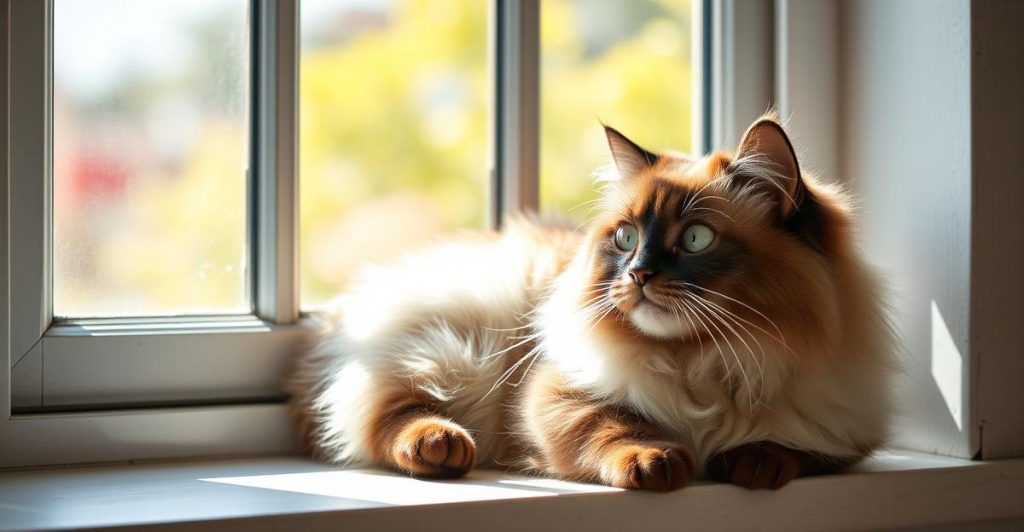

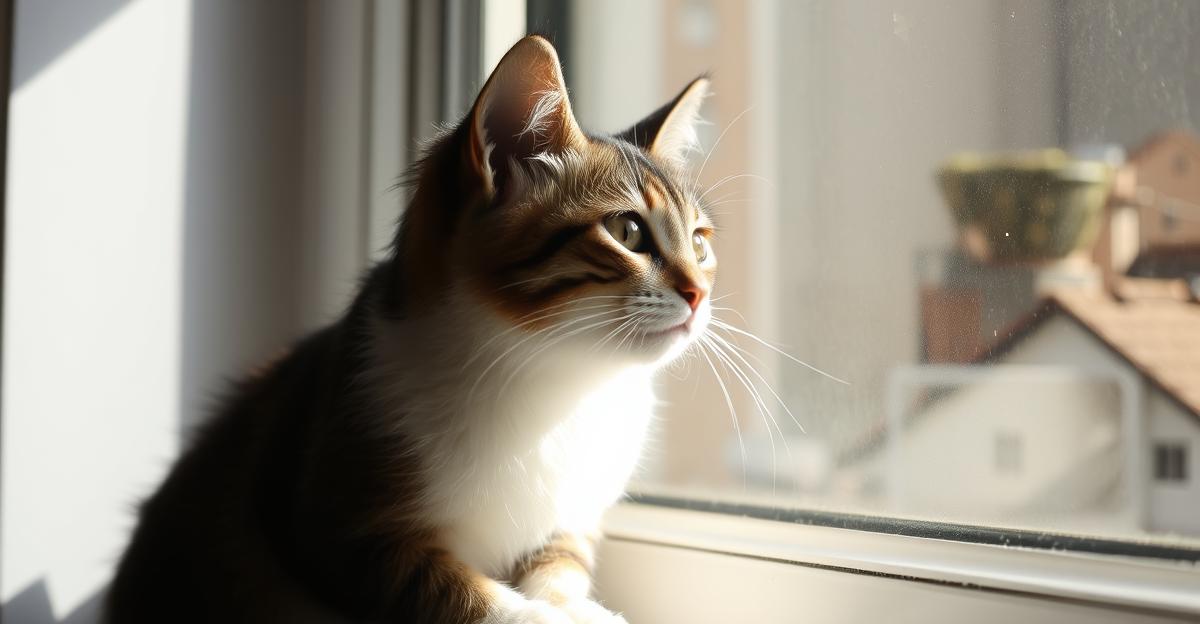
Ever caught your feline friend locked in a silent stare at an empty corner, a flickering shadow, or even the air itself? You’re not alone. Many cat owners have wondered why their whiskered companions sometimes appear to be watching nothing at all. The phenomenon, often described as “cat staring,” is actually a window into a cat’s instinctual world, curiosity, and desire for mental stimulation. By understanding the reasons behind those puzzling gazes, you can transform them from mysterious moments into playful opportunities that keep your cat happy, active, and mentally sharp.
Why Cats Do the Mysterious Stare
Before you label the behavior as “weird,” consider that cats are natural hunters and explorers. Their senses are finely tuned to detect the smallest movements, sounds, and changes in light. A seemingly empty space might be teeming with subtle stimuli that are invisible to us.
- Motion detection: Cats can see motion at a fraction of a second, so a tiny dust mote drifting in a sunbeam can trigger a focused stare.
- Sound sensitivity: High‑frequency sounds, like the hum of a refrigerator or distant insect chirps, register in a cat’s ears long before they reach human perception.
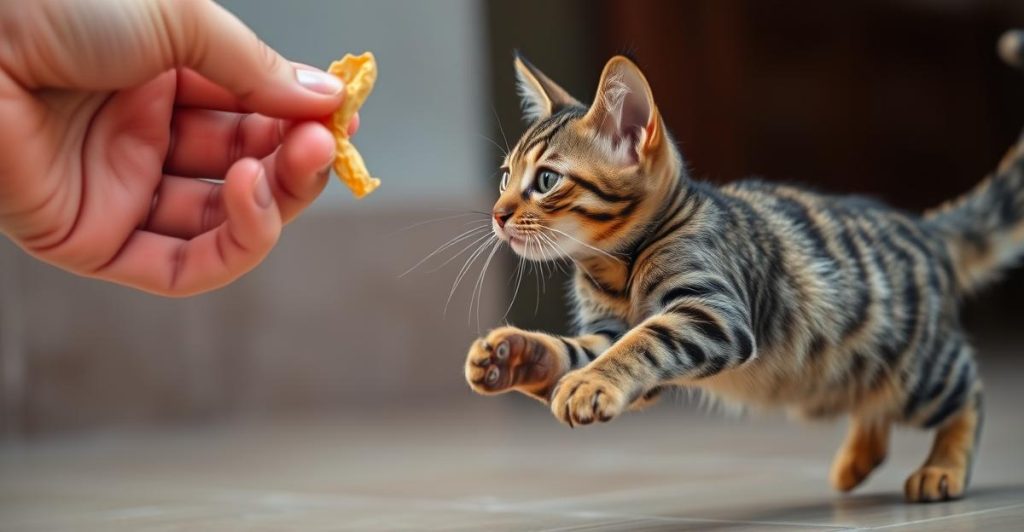
- Instinctual hunting: Even indoor cats retain the ancient predator instinct. A brief pause, a locked gaze, and a sudden pounce are part of their natural “stalk‑and‑pounce” sequence.
- Environmental curiosity: New objects, rearranged furniture, or a change in lighting can spark a cat’s investigative stare as it processes the unfamiliar.
Understanding these triggers helps you see the stare not as a sign of boredom or oddness, but as a healthy, instinct‑driven response.
What the Silent Gaze Means for Your Cat’s Mood
Not every stare is created equal. By paying attention to body language and context, you can gauge whether your cat is relaxed, alert, or a little overstimulated.
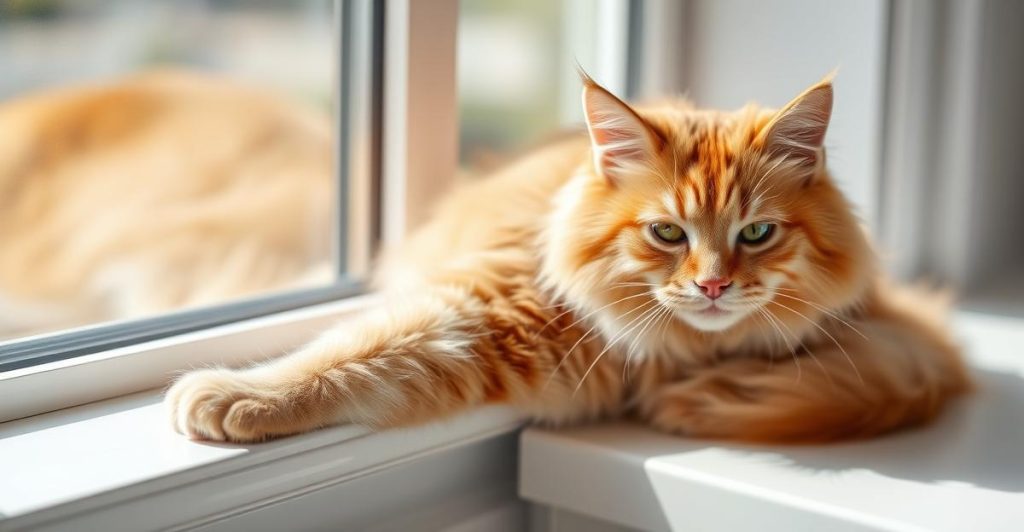
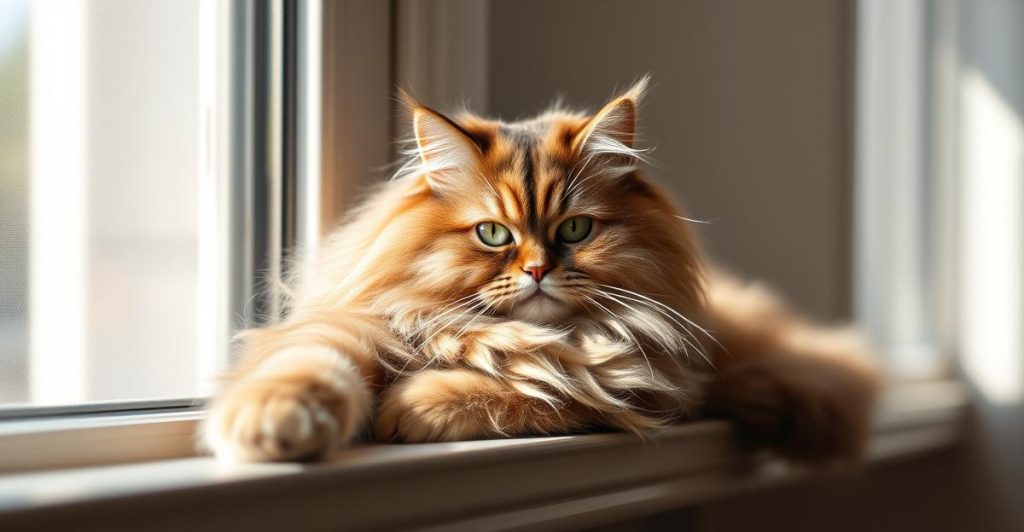
- Relaxed gaze: Soft eyes, slow blinking, and a loosely positioned tail often indicate a content cat simply observing its surroundings.
- Focused, alert stare: Ears perked forward, whiskers angled outward, and a slightly puffed tail suggest your cat is on high alert, ready to investigate or pounce.
- Stressed stare: Dilated pupils, a tucked tail, and a rigid posture may mean the cat feels uneasy. In such cases, gently redirect attention to a safe activity.
By matching your response to the mood behind the stare, you can support your cat’s emotional well‑being and prevent unnecessary stress.
Turning Those Fixed Gazes into Interactive Play
When you notice a cat staring, it’s an invitation to engage. Here are practical ways to turn the silent observation into a fun, enriching play session.
- Laser pointer chase: Point the laser where your cat is looking, then slowly move it to encourage a “hunt” sequence. Always end with a tangible toy so the cat can “catch” something.
- Feather wand teasing: Lightly flick a feather wand in the direction of the stare. The movement mimics prey, prompting the cat to stalk and pounce.
- Interactive treat puzzle: Place a few kibble pieces inside a puzzle feeder and position it where the cat is gazing. The mental challenge keeps the cat occupied and satisfied.
- Shadow play: Use a small flashlight or a piece of cardboard to cast a moving shadow on the floor. Cats love to chase silhouettes, turning an invisible stimulus into visible fun.
These activities not only satisfy the cat’s hunting instincts but also strengthen the bond between you and your feline friend.
Enriching the Environment to Satisfy the Curious Cat
Regular environmental enrichment reduces excessive staring caused by boredom and promotes overall happiness. Below is a quick checklist of simple upgrades you can make around your home.
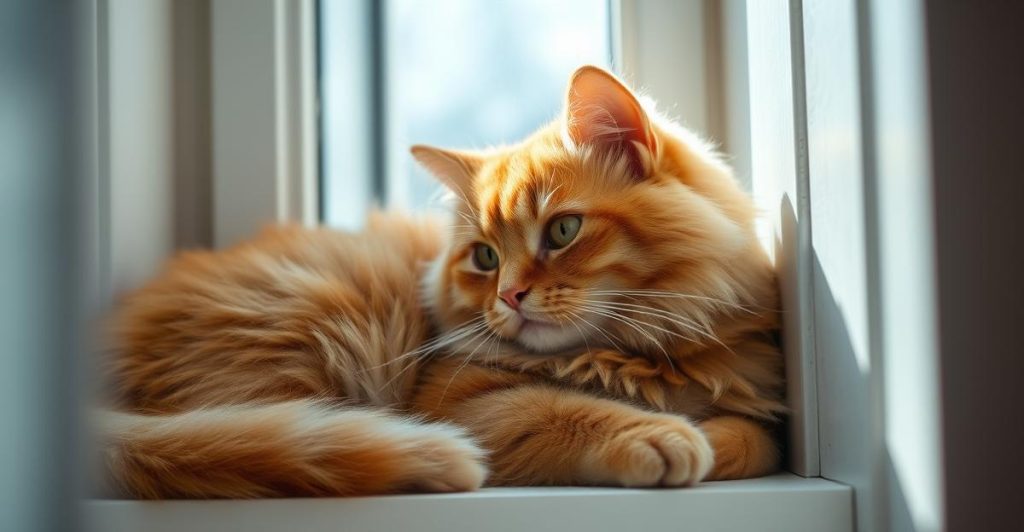
- Window perch: Install a sturdy perch near a sunny window. A view of birds, squirrels, and passing people offers endless visual entertainment.
- Vertical climbing space: Cat trees, shelves, or wall‑mounted climbing rails let your cat explore different heights, mimicking natural arboreal habitats.
- Rotating toy selection: Keep a small basket of toys and rotate them weekly. Fresh toys reignite curiosity and prevent monotony.
- Background sounds: Soft nature recordings or low‑volume classical music can provide auditory stimulation without overwhelming the cat.
- DIY puzzle boxes: Simple cardboard boxes with holes or flaps encourage problem‑solving and can become a favorite hide‑and‑seek spot.
When a cat’s environment is rich with sensory options, the “cat staring” moments often become purposeful observations rather than signs of disengagement.
Fun Games and Toys That Harness the Power of Cat Staring
Choosing the right toys can amplify the natural curiosity that fuels those intense gazes. Below is a comparison of two popular play styles, helping you decide which fits your cat’s personality best.
Indoor vs. Outdoor Play Activities
| Activity | Benefits | Best For |
|---|---|---|
| Feather wand chase (Indoor) | Boosts agility, strengthens bond, low mess | Cats who love interactive, hand‑guided play |
| Laser pointer sprint (Indoor) | High cardio, stimulates hunting instinct | Energetic cats with short attention spans |
| Cat-safe outdoor enclosure (Outdoor) | Provides fresh air, natural scents, safe exploration | Cats that enjoy sunshine and watching wildlife |
| Bird‑watching feeder (Outdoor) | Visual stimulation, passive entertainment | Cats who love to observe from a distance |
| DIY cardboard maze (Indoor) | Encourages problem‑solving, low cost | Curious cats who love to explore confined spaces |
| Interactive treat dispenser (Indoor) | Combines mental challenge with reward | Food‑motivated cats who enjoy puzzles |
Mixing both indoor and outdoor‑style activities keeps the cat’s day varied, ensuring that the “cat staring” moments are always backed by fresh, engaging experiences.
Creating a Routine That Turns Stares into Smiles
Consistency is key. By incorporating short, focused play sessions into your daily schedule, you give your cat predictable outlets for its natural curiosity.
- Morning burst: Spend 5–10 minutes after breakfast with a quick wand or laser session. This helps burn off early‑day energy.
- Midday check‑in: If you’re home, place a puzzle feeder on the kitchen counter. The cat will investigate while you’re cooking.
- Evening wind‑down: A gentle brush or a soft cuddle session after dinner signals relaxation, reducing any lingering “alert” stares before bedtime.
When your cat knows that a stare often leads to a playful interaction, the behavior becomes a positive cue rather than a puzzling habit.
Frequently Asked Questions
Why does my cat stare at walls or empty corners?
Walls and corners can reflect tiny light changes, subtle sounds, or even the movement of insects. Cats’ heightened senses pick up these cues, prompting a focused stare as they assess potential “prey.”
Is it normal for a cat to stare at me for long periods?
Yes. Cats often use prolonged eye contact to communicate affection or curiosity. If the cat’s body language is relaxed—soft ears, slow blinking—it’s usually a sign of love and trust.
How can I tell if a stare means my cat is stressed?
Look for accompanying signs such as flattened ears, a puffed tail, dilated pupils, or a tense body. If these appear, gently redirect the cat’s attention to a calm activity like a chew toy or a cozy perch.
Can I use the stare as a training cue?
Absolutely. Pair a brief stare with a clicker or a verbal cue, then reward with a treat or a favorite toy. Over time, the cat can learn to associate the gaze with a positive outcome, making training sessions smoother.
Disclaimer: This article is intended for informational and entertainment purposes only. It does not replace professional veterinary advice. Always consult a qualified vet for your cat's health and dietary needs.