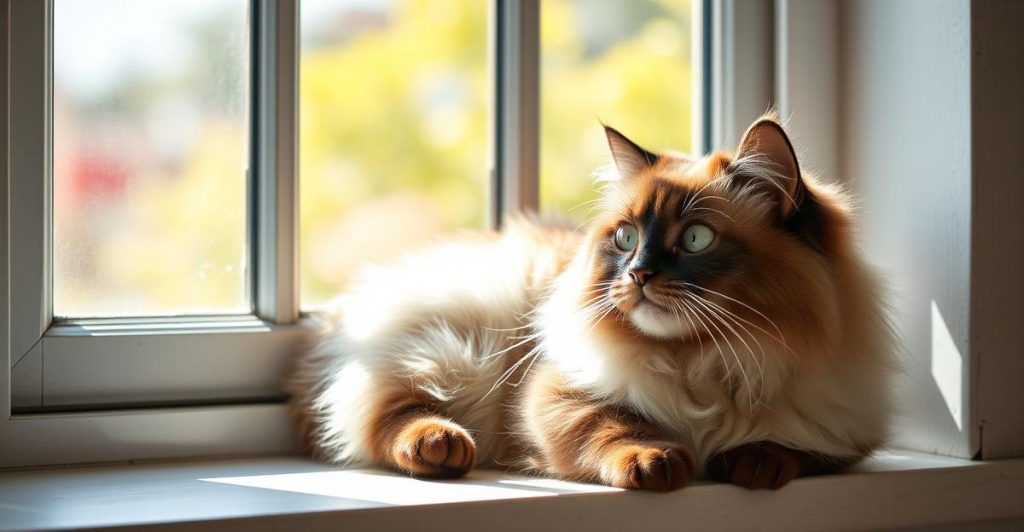

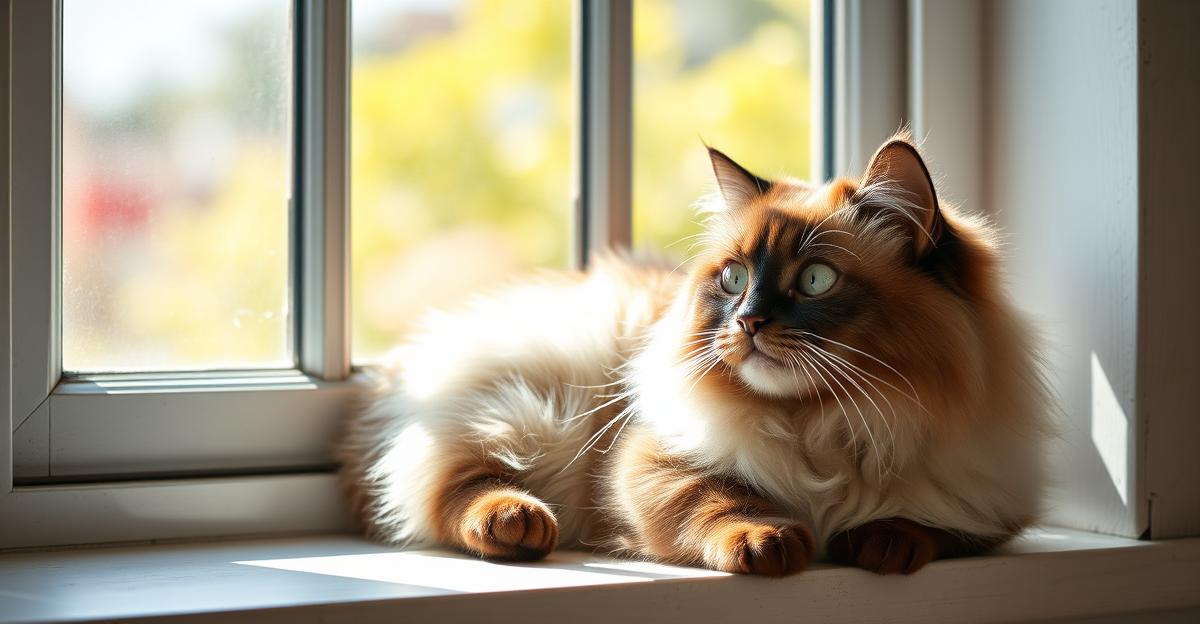
Imagine coming home after a long day to find a fluffy, blue‑eyed companion greeting you with a gentle flop, tail wrapped around your leg, and a playful sparkle in its eyes. That’s the everyday magic of the Ragdoll cat – a breed that blends laid‑back charm with a surprisingly lively spirit. Whether you’re a seasoned cat enthusiast or just curious about this gentle giant, you’ll discover why the Ragdoll cat’s personality makes it a beloved member of many families.
From Swedish Roots to Global Stardom: The History of the Ragdoll
The story of the Ragdoll cat begins in the 1960s on a modest farm in Riverside, California, where a charismatic white Persian‑type cat named Josephine captured the heart of breeder Ann Baker. Josephine’s tendency to go limp when cradled earned the breed its name – “Ragdoll.” Over the next few decades, Ann carefully selected cats with striking blue eyes, silky coats, and a calm disposition, shaping the breed we adore today.
What started as a small, experimental breeding program quickly gained attention. By the 1970s, cat fanciers across the United States were fascinated by the Ragdoll’s unique blend of size, temperament, and striking coloration. The breed’s official recognition by major cat registries cemented its status as a true star of the cat world. Today, the Ragdoll cat is celebrated for its affectionate nature, making it a top choice for families seeking a gentle yet playful companion.
Physical Traits That Mirror Their Personality
When you first lay eyes on a Ragdoll cat, the first thing you’ll notice is its majestic size. Males can weigh between 12–20 pounds, while females typically range from 8–15 pounds, giving them a plush, teddy‑bear appearance. Their semi‑long, silky coats come in four primary color patterns – seal, blue, chocolate, and lilac – each with a contrasting “point” coloration on the ears, face, paws, and tail.
- Blue Eyes: The deep, sapphire eyes of a Ragdoll cat are not only beautiful but also a hallmark of the breed’s calm demeanor.
- Pointed Markings: These darker extremities create a striking contrast that highlights the cat’s elegant silhouette.
- Soft, Silky Coat: While the coat feels luxurious to the touch, it also requires regular brushing to keep it free of tangles.
Beyond looks, the Ragdoll’s physical build reflects its easygoing nature. Broad shoulders, a sturdy frame, and a relaxed posture make them appear perpetually at ease – a visual cue that they’re ready for both cuddles and a burst of playful energy.
Playful Behaviors: How the Ragdoll Cat Shows Its Fun Side
Despite their reputation for being “lap cats,” Ragdoll cats possess a surprisingly adventurous streak. Their play style is often described as “gentle yet enthusiastic,” meaning they’ll chase a feather wand with gusto but rarely exhibit aggressive swatting.
Key playful behaviors include:
- Interactive Fetch: Many Ragdolls love to retrieve soft toys, bringing them back for another round of fun.
- Hide‑and‑Seek: You’ll find them slipping into cardboard boxes or under furniture, then popping out to surprise you with a soft meow.
- Water Curiosity: Some Ragdolls are fascinated by running water, so a shallow dish of fresh water can become a source of entertainment.
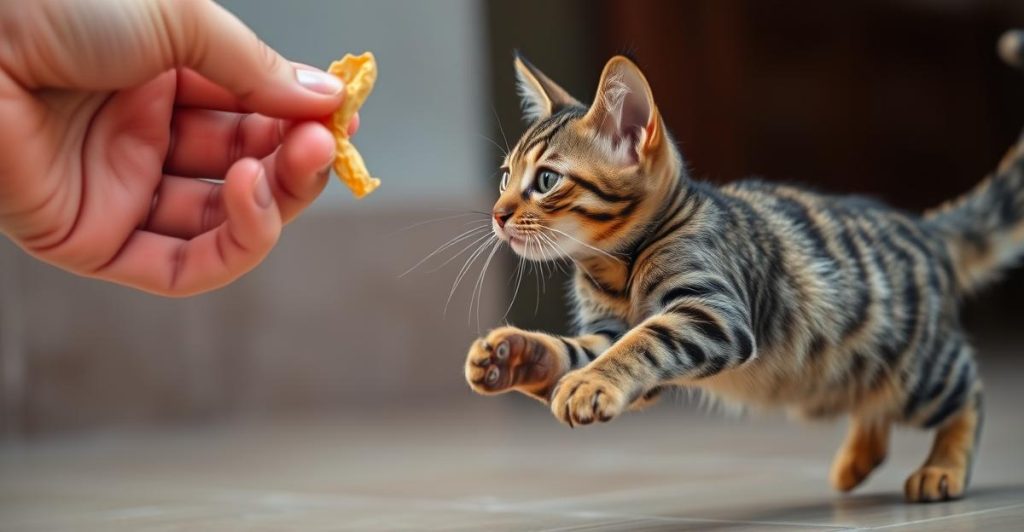
- Gentle Pouncing: Their large paws allow for controlled, low‑impact pounces that are perfect for feather toys or laser pointers.
To keep the Ragdoll cat mentally stimulated, rotate toys every few days and introduce puzzle feeders that encourage problem‑solving. This not only satisfies their hunting instincts but also reinforces the bond you share through shared play sessions.
Creating a Ragdoll‑Friendly Home Environment
Designing a space where a Ragdoll cat can thrive involves balancing comfort with opportunities for exploration. Below are essential tips to transform any room into a cat‑centric haven.
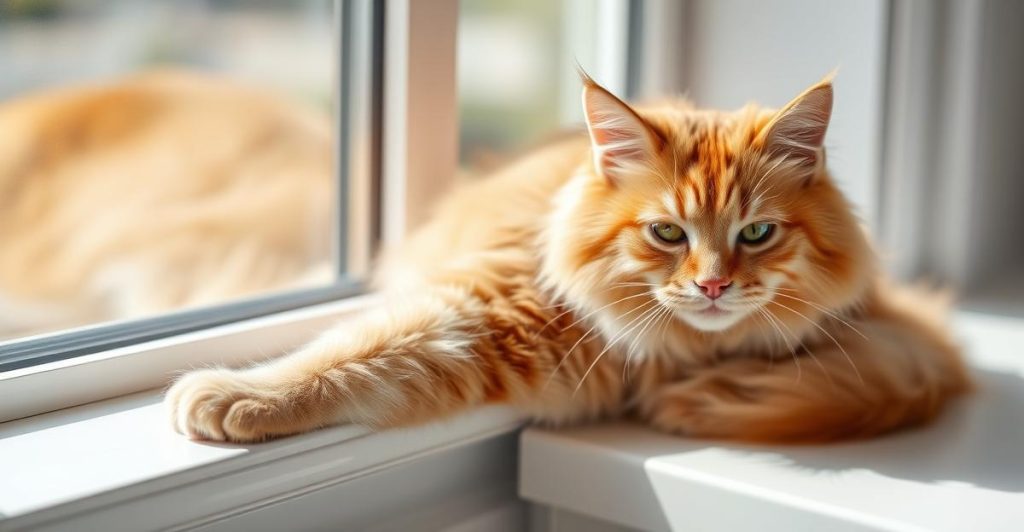
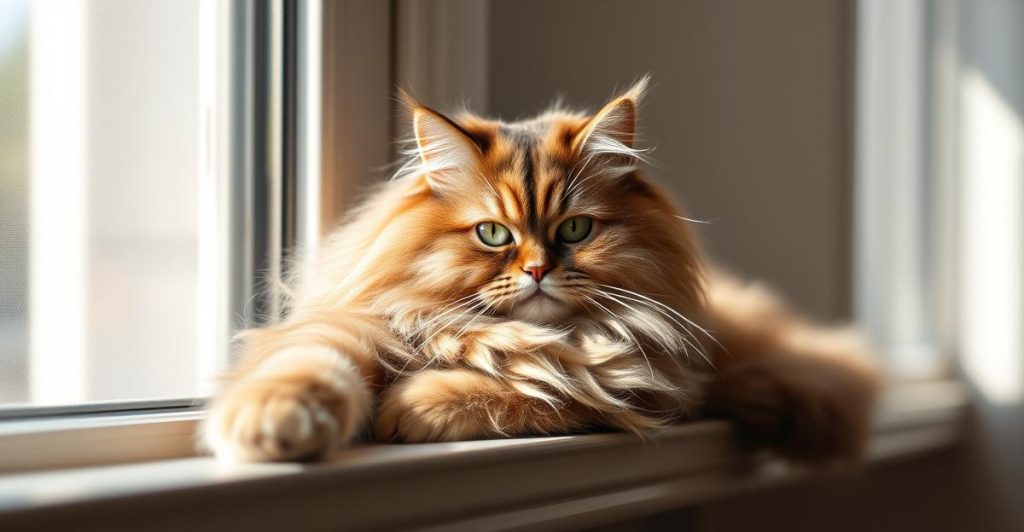
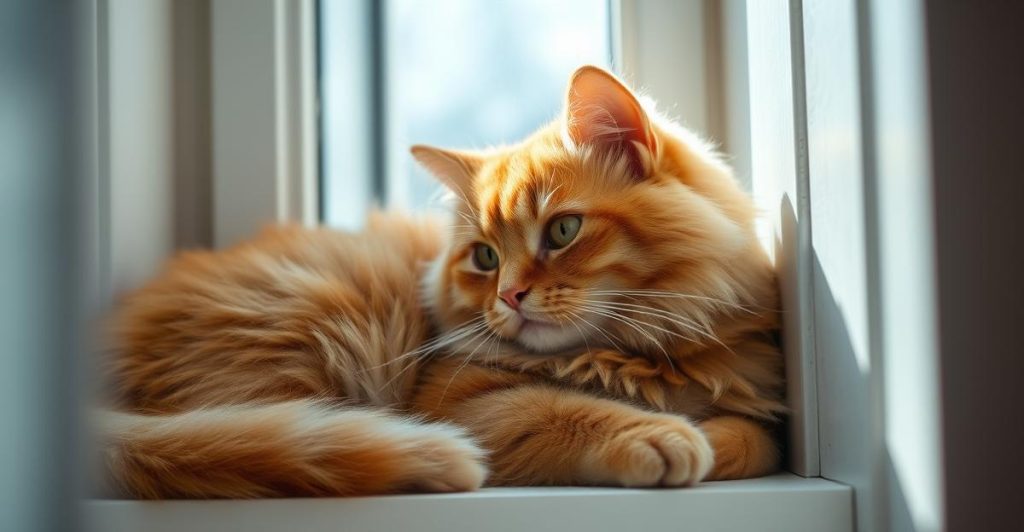
- Cozy Resting Spots: Place plush blankets or a soft cat bed near a sunny window. Ragdolls love basking in warm light while watching the world outside.
- Vertical Perches: Install sturdy cat trees or wall‑mounted shelves. Even though Ragdolls are not the most climbers, they enjoy a modest height to observe their surroundings.
- Safe Play Zones: Dedicate a corner for interactive toys, feather wands, and a small tunnel. Keeping toys organized prevents clutter and encourages regular use.
- Quiet Corners: Provide a hidden nook where the cat can retreat when it needs a break from activity. A simple cardboard box with a soft cushion works wonders.
- Pet‑Safe Plants: Add a few cat‑friendly greens like catnip or cat grass. These not only enrich the environment but also aid digestion in a gentle, natural way.
Remember, Ragdoll cats are social creatures. If you have multiple cats, introduce them gradually and monitor interactions to ensure everyone feels comfortable and respected.
Grooming, General Wellness, and Everyday Care
Maintaining the Ragdoll cat’s silky coat and overall happiness is straightforward with a consistent routine. While they don’t require intensive grooming, a few simple steps keep them looking and feeling their best.
- Weekly Brushing: Use a soft‑bristle brush to remove loose hair and prevent matting. This also serves as a bonding moment.
- Regular Nail Trims: Trim nails every 2–3 weeks to avoid snagging on fabrics and to keep the cat comfortable.
- Dental Care: Offer dental treats or a gentle chew toy a few times a week to support oral health without invasive procedures.
- Hydration Stations: Place multiple water bowls around the house or consider a cat water fountain to encourage frequent drinking.
- Routine Play: Schedule short, interactive play sessions (10–15 minutes) two to three times daily to keep the Ragdoll cat physically active and mentally engaged.
These habits promote a content, healthy lifestyle for the Ragdoll cat, reinforcing its reputation as a happy, well‑adjusted companion.
Indoor Play vs. Outdoor Exploration for Ragdoll Cats
| Aspect | Indoor Play | Outdoor Exploration |
|---|---|---|
| Safety | Controlled environment, no traffic or predators. | Potential exposure to hazards; requires supervision or a secure enclosure. |
| Stimuli | Variety of toys, puzzle feeders, and climbing structures. | Natural scents, birds, insects, and changing scenery. |
| Physical Exercise | Can be tailored with interactive play sessions. | More space for running and jumping, but may be unpredictable. |
| Social Interaction | Closer bonding with owners during play. | Opportunities to meet other neighborhood cats (if safe). |
| Maintenance | Easy to clean toys and litter area. | Need for regular checks on outdoor gear and possible flea prevention. |
For most Ragdoll cat owners, a balanced mix of indoor enrichment and supervised outdoor time (such as a cat patio or “catio”) provides the best of both worlds – safety combined with natural curiosity.
Choosing the Perfect Ragdoll Companion
When you’re ready to welcome a Ragdoll cat into your home, consider a few practical factors to ensure a harmonious match.
- Age: Kittens are energetic and love learning tricks, while adult Ragdolls often already display calm, affectionate habits.
- Temperament: Spend time with the cat before adoption. Look for relaxed body language, gentle eye contact, and a willingness to be held.
- Living Space: Ensure you have enough room for a cat tree, play area, and quiet zones.
- Family Dynamics: Ragdolls thrive in households with gentle interaction, making them ideal for families with children who understand respectful pet handling.
- Rescue vs. Breeder: Reputable breeders prioritize health and temperament, while rescue organizations often have adult Ragdolls ready for adoption.
Taking the time to assess these elements helps you create a lasting, joyful partnership with your new Ragdoll cat.
Frequently Asked Questions
Do Ragdoll cats get along with other pets?
Yes, Ragdoll cats are known for their sociable nature. They usually get along well with other cats and even dogs, especially when introductions are gradual and positive.
How much exercise does a Ragdoll cat need?
While they enjoy lounging, Ragdoll cats also love interactive play. Short, daily sessions with toys, feather wands, or gentle fetch games keep them fit and mentally stimulated.
What is the best way to keep a Ragdoll cat’s coat shiny?
Regular brushing (once or twice a week) removes loose hair and distributes natural oils, helping maintain a glossy, healthy coat. Pair this with a balanced diet and fresh water for overall wellness.
Are Ragdoll cats suitable for apartment living?
Absolutely. Their calm demeanor and moderate activity level make them excellent apartment companions, provided they have vertical space, toys, and a cozy spot to call their own.
Disclaimer: This article is intended for informational and entertainment purposes only. It does not replace professional veterinary advice. Always consult a qualified vet for your cat's health and dietary needs.