
Whisker‑Friendly Hydration Hacks Every Cat Owner Loves
Picture this: your feline companion tiptoes into the kitchen, tail high, eyes bright, and pauses at a sparkling water source that looks like it was designed just for them. That moment of curiosity and satisfaction is the heart of cat hydration, a simple yet powerful way to boost your cat’s happiness and overall well‑being. While cats are famous for their love of fresh fish and sun‑lit windowsills, many owners overlook the subtle art of keeping their whiskered friends well‑hydrated throughout the day. In this guide, we’ll explore playful, practical, and budget‑friendly hacks that turn ordinary water into a delightful experience, ensuring your cat stays perkily refreshed without any stressful “drink‑or‑don’t‑drink” dilemmas.
Why Cat Hydration Is a Cornerstone of Everyday Wellness
Even the most independent cats benefit from a steady flow of fresh water. Unlike dogs, many felines are naturally inclined to sip rather than gulp, which means they may not drink enough if water is hard to find or unappealing. Adequate cat hydration supports:
- Energy levels: A well‑hydrated cat is more likely to engage in playful bursts and explore their environment.
- Digestive comfort: Water aids in smooth digestion of kibble and treats, helping maintain a happy tummy.
- Skin and coat shine: Proper moisture contributes to a glossy, soft fur that feels as good as it looks.
- Joint flexibility: Even subtle hydration helps keep joints lubricated, making those graceful leaps effortless.
Think of water as the silent partner in your cat’s daily routine—always there, quietly supporting their most cherished activities.
Creative Water Bowls and Fountains That Spark Curiosity
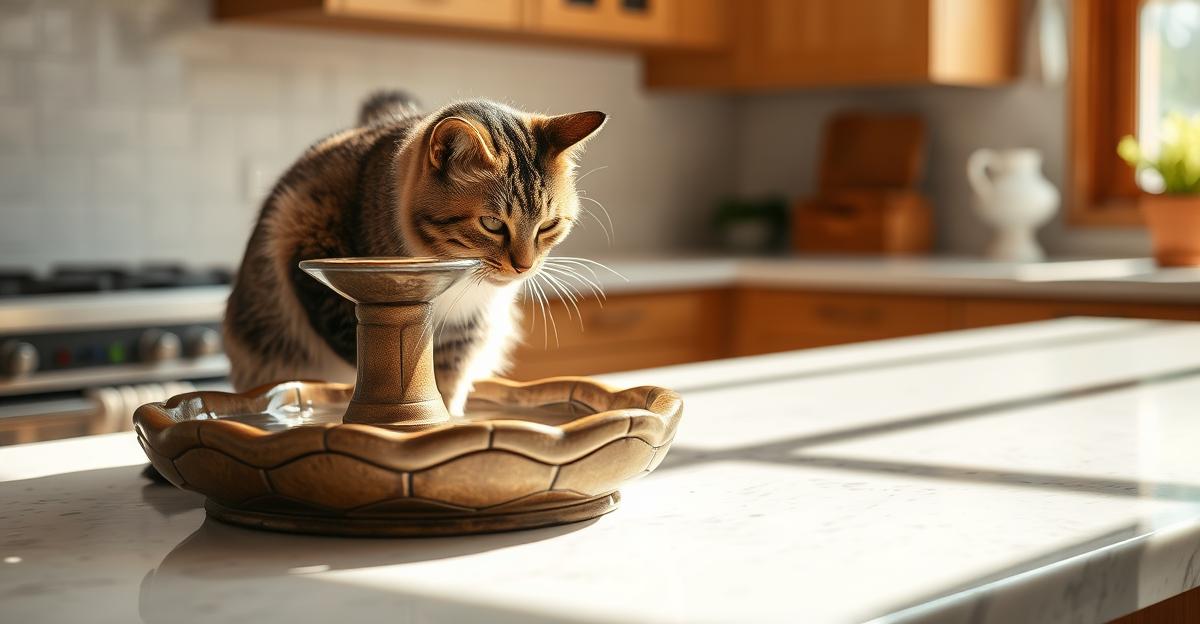
When it comes to encouraging cat hydration, the container matters almost as much as the water itself. Cats are natural explorers; a bowl that looks like a tiny pond or a fountain that mimics a gentle stream can turn drinking into a mini‑adventure.
- Wide‑rim ceramic bowls: A shallow, broad surface lets cats lap without whisker fatigue, a common annoyance caused by narrow bowls.
- Stainless‑steel options: These stay cooler longer and are easy to clean, preventing any lingering odors that might deter sipping.
- Gravity‑fed fountains: The soft bubbling sound mimics a natural spring, enticing curious cats to investigate and drink.
- Multi‑level water stations: Placing small dishes at different heights encourages movement and gives your cat the freedom to choose their favorite spot.
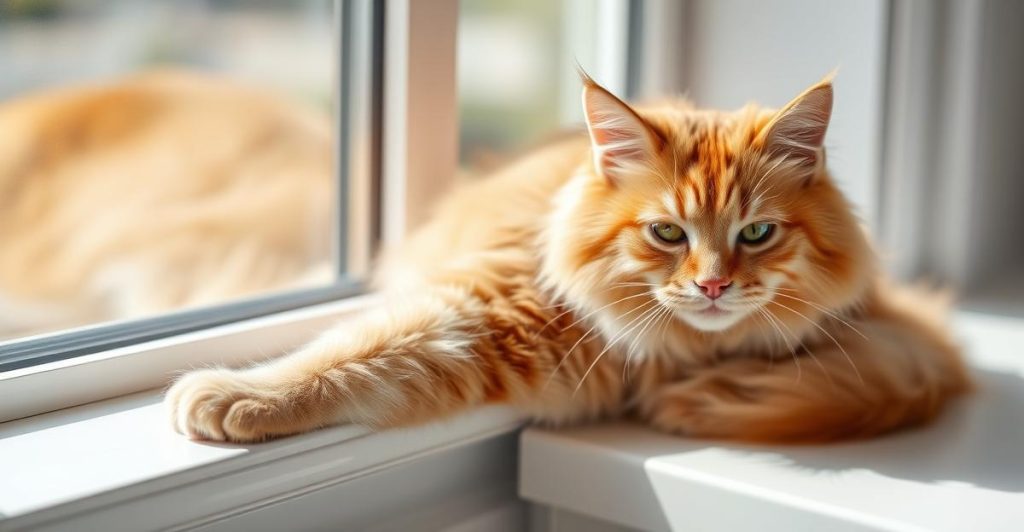
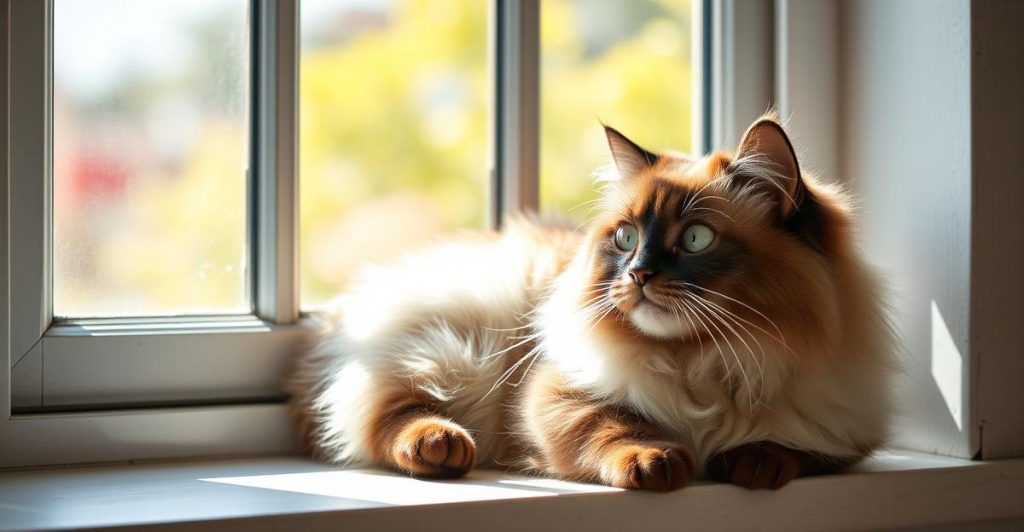
Experiment with placement too—some cats love a bowl near a sunny window, while others prefer a cooler corner away from foot traffic. Rotate the locations every few days to keep the experience fresh.
Flavorful Add‑Ons and Treats That Make Water Irresistible
Just as humans enjoy a splash of lemon or a hint of mint, cats can be enticed with subtle flavor boosts that keep their water appealing without adding unnecessary calories.
- Cat‑safe broth drips: A few drops of low‑sodium chicken or fish broth (no onions or garlic) can turn plain water into a tantalizing sip.
- Frozen ice cubes with catnip: Freeze a tiny amount of catnip-infused water into cubes and add them to the bowl for a playful, cooling treat.
- Water‑rich treats: Offer gelatin‑based “water pops” made from pure water and a dash of tuna juice for a fun, hydrating snack.
- Herb sprigs: A tiny sprig of cat‑safe herbs like rosemary or thyme placed near the water can pique interest.
Remember, the goal is to keep the flavor mild and natural. Over‑seasoned additions can lead to picky drinking habits, so start with just a hint and observe your cat’s response.
Playful Hydration Games That Turn Drinking Into Exercise
Combining hydration with play is a win‑win for both you and your cat. When water becomes part of a game, your feline friend receives both physical activity and the benefits of sipping more often.
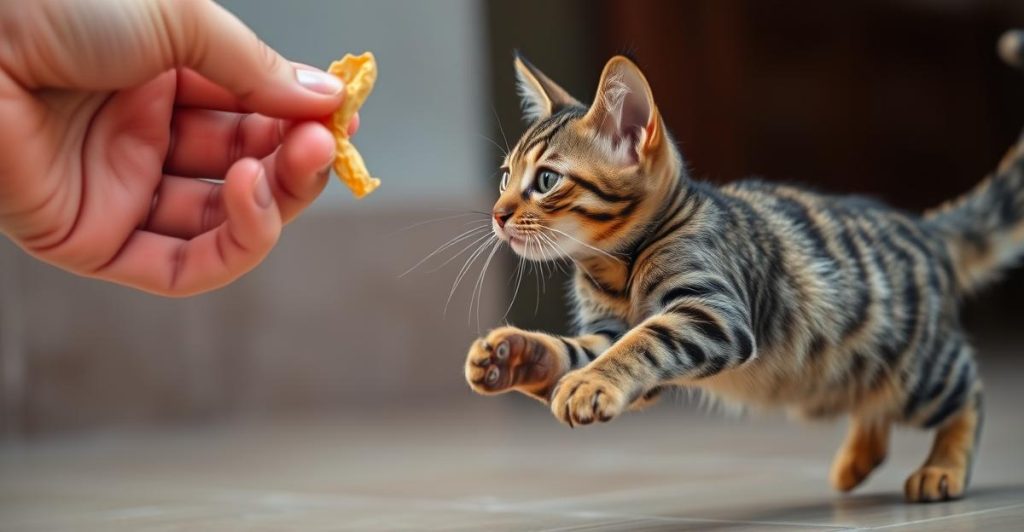
- Laser‑pointer chase: Direct the laser near the water bowl, encouraging your cat to dash and pause for a drink.
- Rolling water toys: Small, floating toys in a shallow dish invite batting and occasional laps.
- “Find the hidden drop” puzzle: Place a tiny droplet of broth on a puzzle mat; as your cat solves it, they discover a fresh sip nearby.
- Interactive feeding stations: Combine dry kibble with a water dispenser that releases a sip each time the cat nudges a lever.
These games not only increase water intake but also satisfy a cat’s instinctual hunting and problem‑solving drives, promoting mental sharpness and overall happiness.
Scheduling and Monitoring: Making Hydration a Routine
Even the most enthusiastic cat can fall into a pattern of occasional drinking. Establishing a simple schedule helps ensure consistent intake without feeling forced.
- Morning refresh: Replace the water first thing after you wake up; fresh water in the morning sets a positive tone.
- Mid‑day check: A quick glance during lunch to top off or stir the water keeps it appealing.
- Evening ritual: Offer a final refill before bedtime, perhaps paired with a gentle petting session.
- Weekly deep clean: Scrub bowls and fountains with mild soap once a week to prevent mineral buildup and keep the taste pure.
While you don’t need to count each sip, a casual observation of your cat’s drinking habits—how often they visit the bowl, whether they linger, and any changes in behavior—can guide you in adjusting the setup for optimal enjoyment.
Seasonal Hydration Tips: Adapting to Weather Changes
Weather influences a cat’s drinking patterns. Warm months may encourage more frequent laps, while cooler seasons can lead to reduced thirst. Tailor your hydration strategy to the season for continuous comfort.
- Summer coolers: Add a few ice cubes to the bowl or use a chilled fountain to provide a refreshing temperature.
- Winter warmth: Keep water indoors away from drafts; a heated water bowl (set to a low, safe temperature) can prevent the water from becoming too cold.
- Rainy day enrichment: Place a water station near a window where your cat can watch raindrops, turning the view into a calming hydration cue.
- Holiday variations: During festive gatherings, ensure extra bowls are available in quieter rooms to avoid crowding and stress.
By staying attuned to the seasons, you’ll keep your cat’s water inviting year‑round, reinforcing a habit that feels natural and enjoyable.
Comparison Table: Water Source Options for Cats
| Feature | Gravity Fountain | Stainless‑Steel Bowl | Tap Water (Direct) |
|---|---|---|---|
| Appeal to Cats | High – gentle bubbling sound | Medium – clean, reflective surface | Low – no movement or sound |
| Maintenance Frequency | Every 2‑3 days (clean pump) | Weekly (wash with mild soap) | Daily (refill, check for debris) |
| Temperature Retention | Cooler due to constant flow | Neutral – depends on room | Variable – room temperature |
| Cost (Initial) | $$ (fountain unit) | $ (simple bowl) | Free (tap) |
| Space Needed | Medium – base and reservoir | Small – single dish | Minimal – any container |
| Best For | Curious, playful cats | Cats sensitive to metal taste | Multiple cats in high‑traffic areas |
Frequently Asked Questions
How often should I change my cat’s water?
Refreshing the water at least twice a day keeps it tasting clean and inviting. If you use a fountain, follow the manufacturer’s cleaning schedule—usually every 2‑3 days for the reservoir and weekly for the pump.
My cat prefers running water. Is a fountain enough?
Fountains are excellent for mimicking a gentle stream, but you can enhance the experience by adding a second water source in a different location. Some cats love a shallow dish near a sunny spot while also enjoying the fountain’s movement.
Can I add flavor to my cat’s water without compromising health?
Yes, a few drops of low‑sodium broth or a tiny splash of tuna juice can make water more enticing. Keep additions minimal to avoid creating a habit of flavored water only.
What if my cat still seems uninterested in drinking?
Observe the placement of bowls—sometimes a quiet corner or a spot away from food dishes works better. Also, try different bowl materials (ceramic vs. stainless steel) and consider a low‑profile fountain that reduces whisker fatigue.
Disclaimer: This article is intended for informational and entertainment purposes only. It does not replace professional veterinary advice. Always consult a qualified vet for your cat's health and dietary needs.