
Teach Your Cat to Come When Called with Fun Games
Imagine the delight of hearing a soft “here, kitty, kitty!” and watching your feline friend dash across the room, tail high, eyes bright with excitement. While many cat owners think “recall” is a dog‑only trick, cat recall training can be just as rewarding—and far more fun than you might expect. By turning the call‑and‑come routine into a series of playful games, you’ll strengthen your bond, boost your cat’s confidence, and create a happier, more responsive companion. Let’s dive into the world of cat recall training, where every session feels like a game and every “yes!” is a step toward a well‑adjusted, joyful cat.
Why Cat Recall Training Matters
Beyond the obvious convenience of a cat that comes when called, recall training supports overall well‑being. A cat that enjoys responding to your voice is more likely to feel secure in its environment, reducing stress and encouraging curiosity. When you use positive, game‑based methods, you’re also providing mental stimulation—a key component of a happy indoor cat’s routine. This mental workout helps prevent boredom, which can lead to undesirable behaviors like excessive scratching or over‑grooming.
- Strengthens trust: Your cat learns that you’re a source of fun and reward, not just food.
- Enhances safety: A reliable recall can be a lifesaver if your cat ever slips outdoors or needs to be moved quickly.
- Promotes exercise: The chase‑and‑return games give your cat a healthy burst of activity.
- Builds confidence: Success in games teaches your cat that it can master new challenges.
Setting the Stage: Preparing Your Space and Mindset
Before you start any training session, create an environment that encourages focus and fun. Choose a quiet room with minimal distractions—no loud appliances, open windows, or bustling foot traffic. A soft rug or a favorite blanket can provide a comfortable surface for your cat to move on.
Keep sessions short (5‑10 minutes) and end on a high note. Cats have short attention spans, and a brief, upbeat session is far more effective than a long, drawn‑out one. Have a handful of small, tasty treats ready—think soft bits of chicken or commercial cat treats that melt quickly in the mouth. The goal is to use treats as a celebration, not a bribe.
Step‑by‑Step Games for Cat Recall Training
Below are four engaging games that gradually teach your cat to come when called. Each game builds on the previous one, making the learning curve smooth and enjoyable.
Game 1: The “Treat Trail”
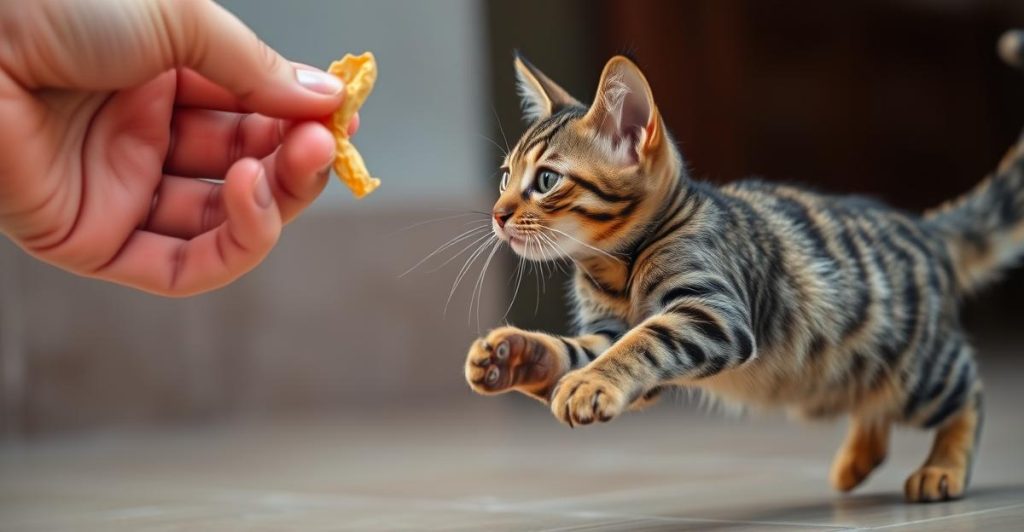
This game introduces the concept of moving toward a rewarding scent.
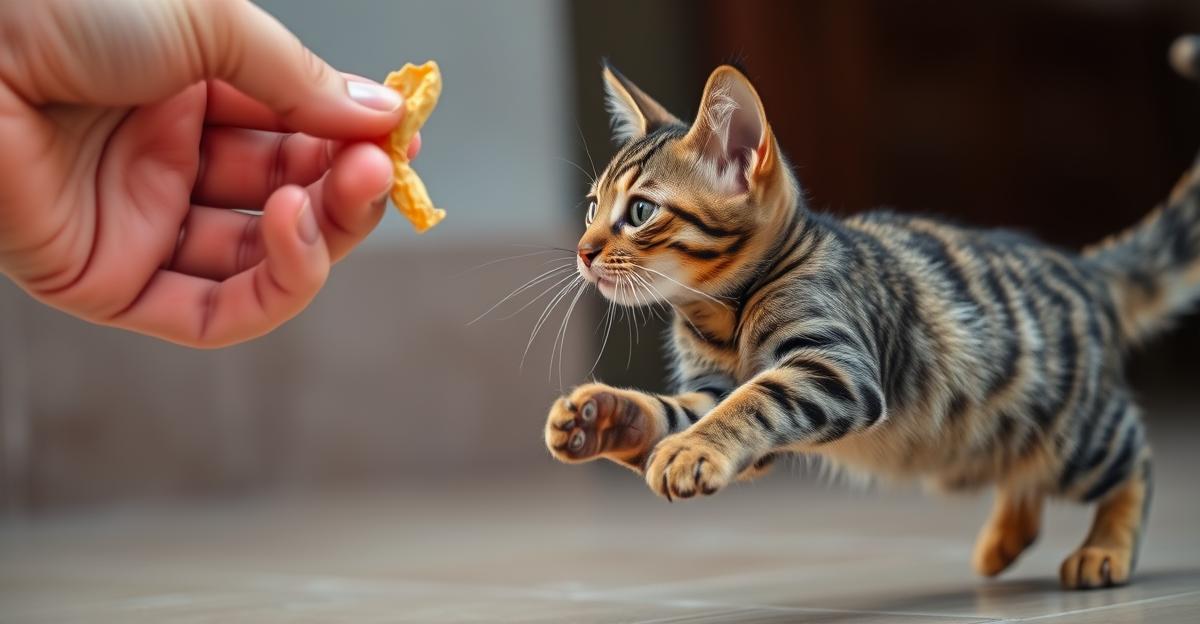
- Step 1: Sit on the floor with your cat nearby. Hold a treat in your hand and let your cat sniff it.
- Step 2: Slowly back away a few steps while saying your chosen recall cue, such as “come” or “here, kitty.”
- Step 3: When your cat follows, reward with the treat and a gentle “good job!”
- Step 4: Repeat, gradually increasing the distance each round.
Game 2: The “Hide‑and‑Seek Call”
Now your cat learns to locate you even when you’re out of sight.
- Step 1: While your cat watches, hide a treat in one hand and close both fists.
- Step 2: Move a few feet away, call the recall cue, and wait.
- Step 3: When your cat approaches, open the correct hand and let the cat have the treat.
- Step 4: Vary your hiding spot and distance to keep the game fresh.
Game 3: The “Laser Chase Recall”
For cats who love to chase, a laser pointer can be a perfect tool—just be sure to end each session with a tangible reward, as the laser itself offers no edible treat.
- Step 1: Start a short laser chase, letting your cat sprint after the dot.
- Step 2: When the cat is a few steps away, pause the laser and call the recall cue.
- Step 3: As the cat turns toward you, reward with a treat and a brief petting session.
- Step 4: Keep the laser sessions brief to avoid frustration.
Game 4: The “Toy Toss Recall”
This game combines playtime with training, perfect for cats that love interactive toys.
- Step 1: Toss a favorite feather wand or soft ball a short distance away.
- Step 2: As your cat chases the toy, call the recall cue.
- Step 3: When the cat pauses and looks at you, reward with a treat and a quick cuddle.
- Step 4: Gradually increase the distance and vary the toy type.
Choosing the Right Recall Cue and Rewards
Consistency is key. Pick a short, distinct word or phrase—like “come,” “here,” or “kitty”—and use it every time you start a recall game. Pair the cue with a cheerful tone; cats respond well to upbeat, melodic voices.
Rewards should be both tasty and motivating. Small, soft treats work best because they’re quick to eat, keeping the session’s momentum high. If your cat is especially food‑motivated, you can also use a few extra seconds of gentle petting or a short play burst as a non‑food reward. The most important factor is that the reward feels like a celebration for your cat.
Common Challenges and How to Overcome Them
Even the most enthusiastic cats may stumble at first. Below are typical hurdles and practical solutions.
- Distraction overload: If your cat loses focus, reduce background noise and move the training to a quieter room.
- Slow response: Shorten the distance between you and your cat, then slowly extend it as confidence builds.
- Reluctance to come: Increase the reward’s value for a few sessions—use a special treat your cat doesn’t get daily.
- Inconsistent cue response: Stick to one cue word and avoid mixing it with other commands.
Comparison Table: Indoor Play vs. Outdoor Exploration
| Aspect | Indoor Play (Games) | Outdoor Exploration |
|---|---|---|
| Safety | Controlled environment, no traffic or predators | Potential hazards: cars, other animals, parasites |
| Stimulus Variety | Can be varied with toys, puzzles, and recall games | Natural scents, varied terrain, wildlife sightings |
| Exercise Intensity | Depends on game length; easy to adjust | Often higher intensity, unpredictable bursts |
| Bonding Opportunities | Direct interaction with owner during games | Owner may be less present; cat explores independently |
| Training Integration | Ideal for recall training and reward-based learning | Harder to reinforce cues amid distractions |
Keeping the Momentum: Making Recall a Part of Daily Life
Training shouldn’t feel like a chore; it should blend seamlessly into your cat’s routine. Here are simple ways to weave recall practice into everyday moments:
- Meal‑time cue: Call your cat to the feeding area with the recall cue, then reward with a small portion of their regular meal.
- Morning stretch: As you stretch on the floor, call your cat to join you for a brief cuddle.
- Bedtime ritual: Use the cue to guide your cat onto a cozy blanket before you settle in for the night.
- Random “surprise” sessions: Occasionally call your cat from a different room just for fun—no treat required, just a friendly “good job!”
Remember, the goal is to keep the experience positive. If your cat seems uninterested, pause and try again later. A relaxed, happy cat learns faster than a stressed one.
Celebrating Success: Tracking Progress and Staying Positive
Celebrate each milestone, no matter how small. Keep a simple log—maybe a note on your phone—tracking the distance your cat reliably comes from and the type of reward used. Over time, you’ll see patterns: perhaps your cat prefers feather toys over treats, or responds best in the early evening. Adjust your approach based on these observations, and always end sessions with praise and affection.
Positive reinforcement isn’t just about treats; it’s also about tone, body language, and the joy you share. A gentle hand on the head, a soft “well done,” and a playful sparkle in your eyes tell your cat that coming when called is a rewarding, happy experience.
Frequently Asked Questions
How long does it usually take for a cat to reliably respond to a recall cue?
Every cat is unique. Some may start responding after a few short sessions, while others might take a few weeks of consistent practice. Patience, consistency, and rewarding progress are key.
Can I use the same recall cue for multiple cats in the same household?
Yes, but it helps if each cat has its own distinct cue or you pair the cue with a name (e.g., “Milo, come!”). This reduces confusion and ensures each cat knows when they’re being called.
What if my cat prefers to ignore the cue and continue playing?
Increase the reward’s appeal for a few sessions—use a special treat or extra playtime. Gradually, your cat will learn that responding to the cue leads to more fun overall.
Is it okay to use a clicker for cat recall training?
Absolutely! A clicker can serve as a clear marker that a correct response has occurred. Pair the click with a treat, and the cat will associate the sound with a positive outcome.
Disclaimer: This article is intended for informational and entertainment purposes only. It does not replace professional veterinary advice. Always consult a qualified vet for your cat's health and dietary needs.