
Create the Perfect Cat Nook for Cozy Relaxation
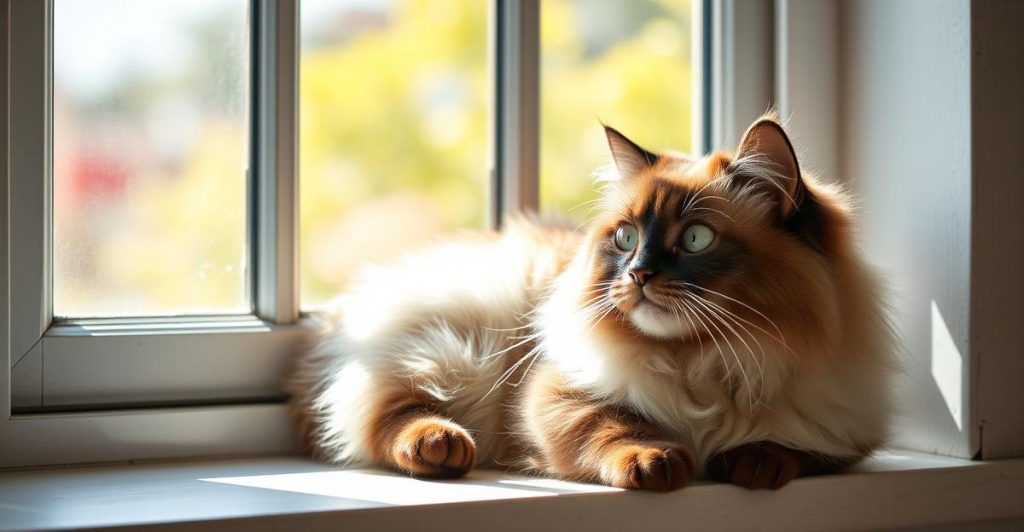
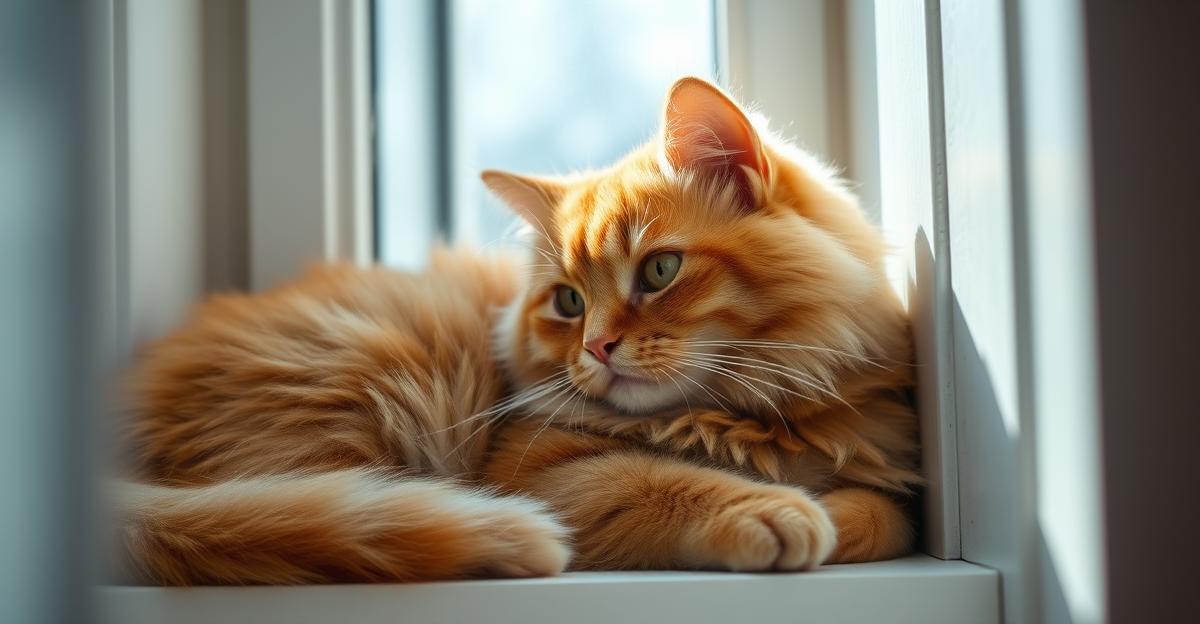
There’s nothing quite like watching a cat melt into a soft, sun‑kissed corner and instantly feel the room’s tension dissolve. Whether you share a bustling apartment or a spacious house, every feline craves a personal sanctuary—a cat nook where they can stretch, snooze, and simply be. In this guide we’ll walk you through the art of turning an ordinary space into a purr‑filled retreat, from choosing the right materials to adding playful touches that keep your whiskered friend both relaxed and entertained. Ready to design a cozy haven that your cat will claim as their own? Let’s get started!
1. Understanding What Makes a Cat Nook Irresistible
Before you start measuring, it helps to think like a cat. Felines are natural hunters, sun‑seekers, and secret‑keepers. A successful cat nook satisfies three core instincts:
- Safety: Cats love to feel protected. Enclosed spaces, high perches, or snug hideaways give them a sense of security.
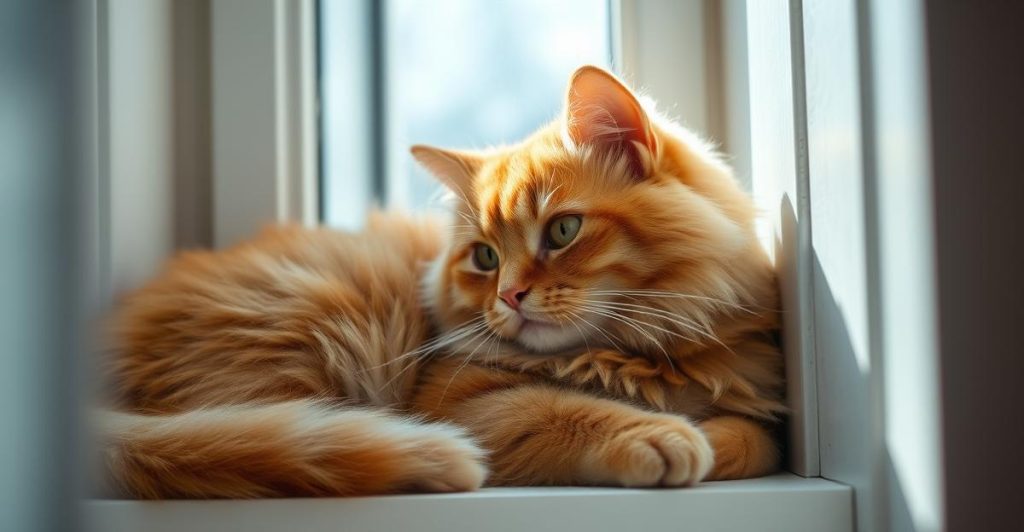
- Comfort: Soft textures, warm spots, and gentle cushioning make a nook inviting for long naps.
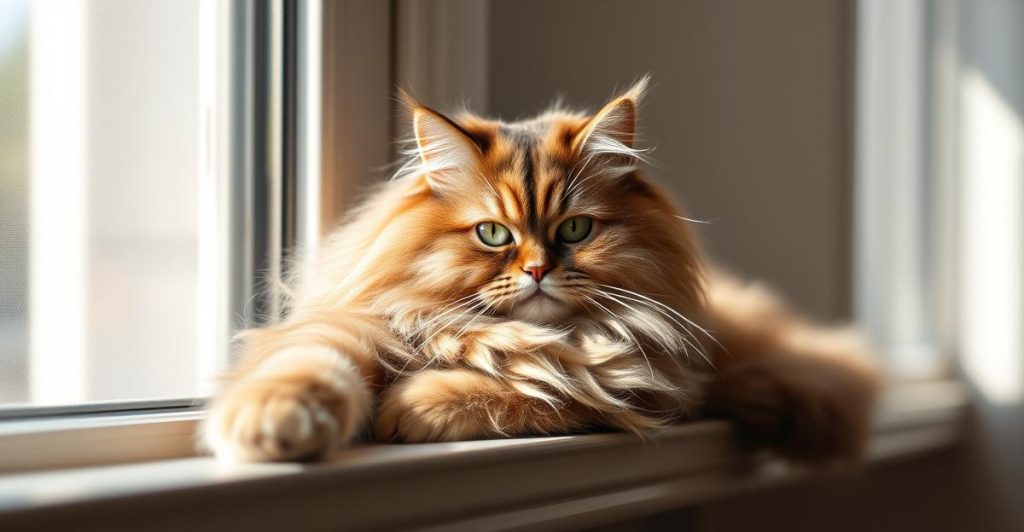
- Observation: A good perch offers a clear view of the room, a window, or a bird feeder, allowing your cat to stay alert while lounging.
When these elements are combined, the nook becomes more than a piece of furniture—it turns into a personal kingdom where your cat can unwind, watch the world, and feel completely at ease.
2. Choosing the Ideal Location
Location is everything. A well‑placed nook can become the centerpiece of your cat’s daily routine. Consider these factors when scouting the perfect spot:
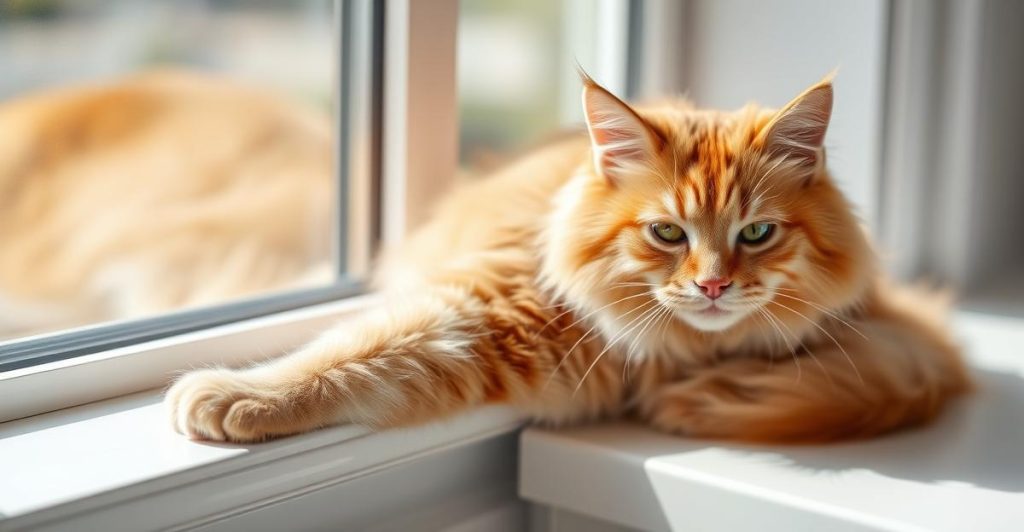
- Sunlight: Cats adore basking in warm rays. Look for windows that receive gentle morning or afternoon sun without direct glare.
- Quiet Corners: High‑traffic areas can be stressful. Choose a corner that’s away from loud appliances or constant foot traffic.
- View: A window that overlooks a garden, street, or bird feeder provides endless entertainment.
- Safety: Ensure the spot is free from cords, toxic plants, or anything that could be a hazard.
Even a small alcove between a bookshelf and a wall can become a dreamy nook with the right accessories.
3. Selecting Materials and Textures That Invite Snuggles
The tactile experience is paramount. Cats are picky about what they touch, so choose materials that feel luxurious to their paws and fur.
- Soft Fabrics: Fleece, plush microfiber, and high‑piled faux fur are all excellent choices for cushions and blankets.
- Natural Fibers: Cotton and linen provide a breathable surface, especially for warmer climates.
- Durable Bases: A sturdy wooden frame or a thick cardboard base ensures the nook stays stable during playful jumps.
- Non‑Slip Pads: Adding a rubberized bottom prevents sliding, especially on hardwood or tile floors.
Mixing textures—like a plush pillow on a smooth wooden platform—creates a layered feel that encourages cats to explore and settle in.
4. Adding Functional Features for Play and Relaxation
A cat nook isn’t just a sleeping spot; it can double as a mini‑playground. Incorporate these elements to keep your feline entertained while they relax:
- Scratching Surfaces: Attach a short sisal strip or a small scratching post to the side of the nook. This satisfies the natural urge to claw while keeping furniture safe.
- Hanging Toys: Feather wands or soft pom‑pom toys dangling from the edge invite gentle swats and pounces.
- Elevated Perches: A low‑height platform can serve as a lookout, while a higher tier satisfies the desire to be up high.
- Cozy Covers: A lightweight, removable canopy provides a sense of enclosure without feeling cramped.
Remember, the goal is to blend relaxation with subtle stimulation, so your cat never gets bored of their favorite spot.
5. DIY vs. Ready‑Made: Which Path Fits Your Lifestyle?
Some cat owners love the hands‑on approach, crafting custom nooks from reclaimed wood or repurposed furniture. Others prefer the convenience of a ready‑made cat cave or window perch. Below is a quick comparison to help you decide which route aligns with your time, budget, and design preferences.
Comparison of DIY and Ready‑Made Cat Nooks
| Aspect | DIY Cat Nook | Ready‑Made Cat Nook |
|---|---|---|
| Cost | Usually lower; uses recycled or inexpensive materials. | Higher; price varies by brand and features. |
| Customization | Fully customizable size, shape, and fabric. | Limited to manufacturer’s designs. |
| Time Investment | Requires planning, cutting, and assembly (several hours). | Plug‑and‑play; minimal setup. |
| Durability | Depends on material quality and craftsmanship. | Typically built to last with tested materials. |
| Style Matching | Can be tailored to match home décor. | Often modern or neutral, may need accessories. |
| Safety Controls | Owner must ensure structural stability. | Comes with safety certifications. |
Both options can produce a delightful cat nook; the choice simply hinges on how much personal flair you want to inject versus the convenience of a quick purchase.
6. Maintaining the Nook for Long‑Term Happiness
Even the coziest nook needs occasional upkeep to stay fresh and inviting. Follow these simple maintenance habits to keep your cat’s sanctuary in top shape:
- Weekly Vacuum: Remove hair, dust, and loose debris to maintain a clean surface.
- Rotate Cushions: Flipping or repositioning pillows prevents uneven wear and keeps the nook looking new.
- Wash Fabrics: Most soft covers are machine‑washable; use a gentle cycle and low heat to preserve texture.
- Inspect Structural Parts: Check screws, brackets, and any attached scratching posts for looseness.
- Refresh Scents: Lightly mist a cat‑safe, calming spray (like diluted chamomile water) to keep the environment soothing.
Consistent care not only extends the lifespan of the nook but also reinforces the positive association your cat has with the space, encouraging more frequent visits.
7. Personalizing Your Cat Nook with Seasonal Flair
Just as you change décor with the seasons, your cat’s nook can enjoy a subtle makeover. Here are a few low‑effort ideas to keep the space feeling fresh year after year:
- Spring: Add a light, pastel blanket and a few fresh catnip leaves for a breezy vibe.
- Summer: Place a cooling gel pad under the cushion and choose breathable linen fabrics.
- Fall: Swap in a warm, knitted throw and a pumpkin‑shaped plush toy.
- Winter: Incorporate a heated pet mat (set on low) and a thick, faux‑fur rug for extra coziness.
Seasonal touches not only keep the nook visually appealing but also give your cat new sensory experiences, reinforcing the nook as a dynamic, enjoyable space.
FAQ
What size should a cat nook be?
Most cats feel comfortable in a space that allows them to stretch fully—approximately 24 to 30 inches long and 12 to 18 inches wide. However, larger breeds may appreciate extra room, while kittens are happy with a smaller, cozier area.
Can I place a cat nook on a carpeted floor?
Absolutely. In fact, a carpeted base adds extra softness and reduces slipping. Just be sure the nook’s legs or base are stable and that the carpet isn’t too plush, which could cause the nook to sink.
How often should I replace the bedding in my cat’s nook?
Washable fabrics can be refreshed weekly, but if you notice persistent odors, frayed edges, or flattening cushions, consider replacing them every 3‑4 months to maintain optimal comfort.
Is it okay to let my cat use the nook outdoors?
Outdoor use is fine if the nook is made from weather‑resistant materials (like treated wood or waterproof fabrics) and is placed in a shaded, safe area. Avoid direct exposure to rain or intense sun for prolonged periods.
Disclaimer: This article is intended for informational and entertainment purposes only. It does not replace professional veterinary advice. Always consult a qualified vet for your cat's health and dietary needs.