
Why the Maine Coon Captivates Cat Lovers Everywhere
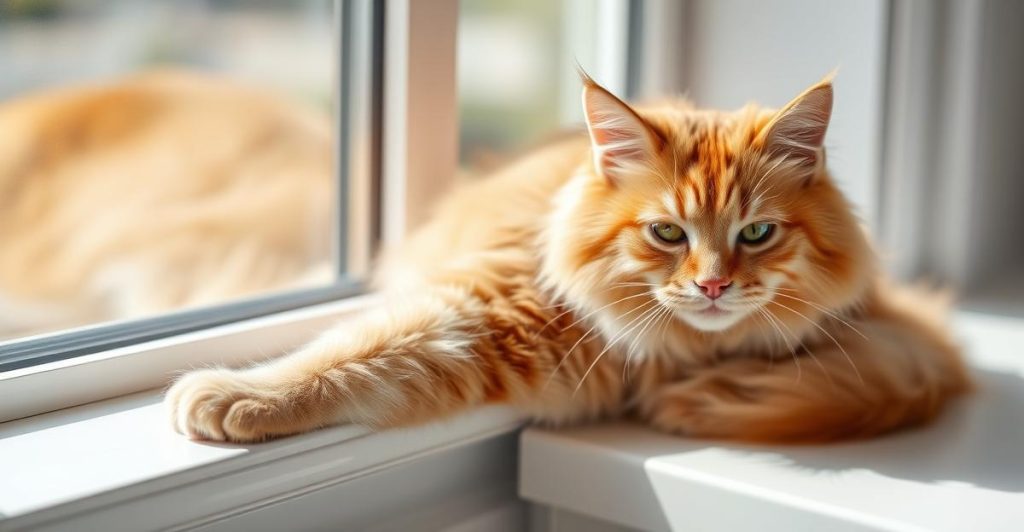
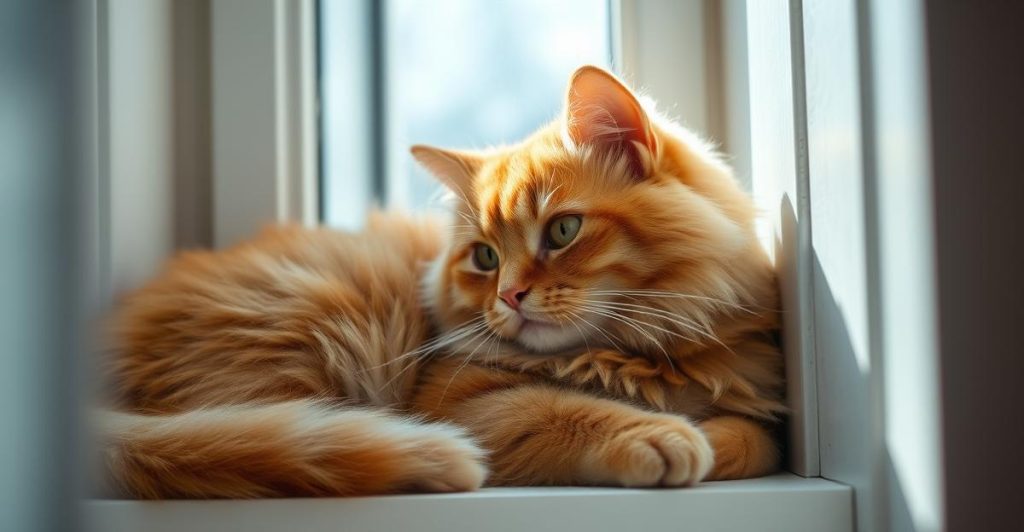
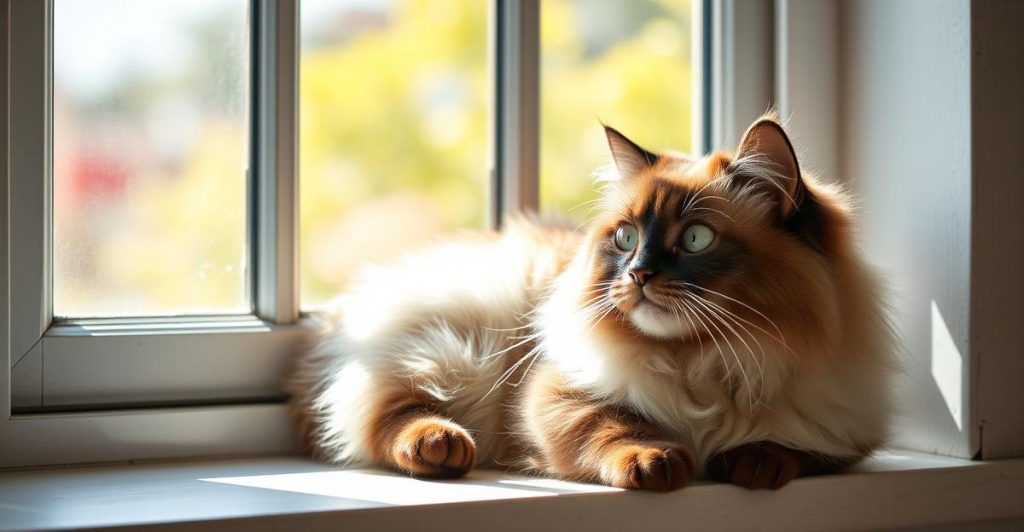
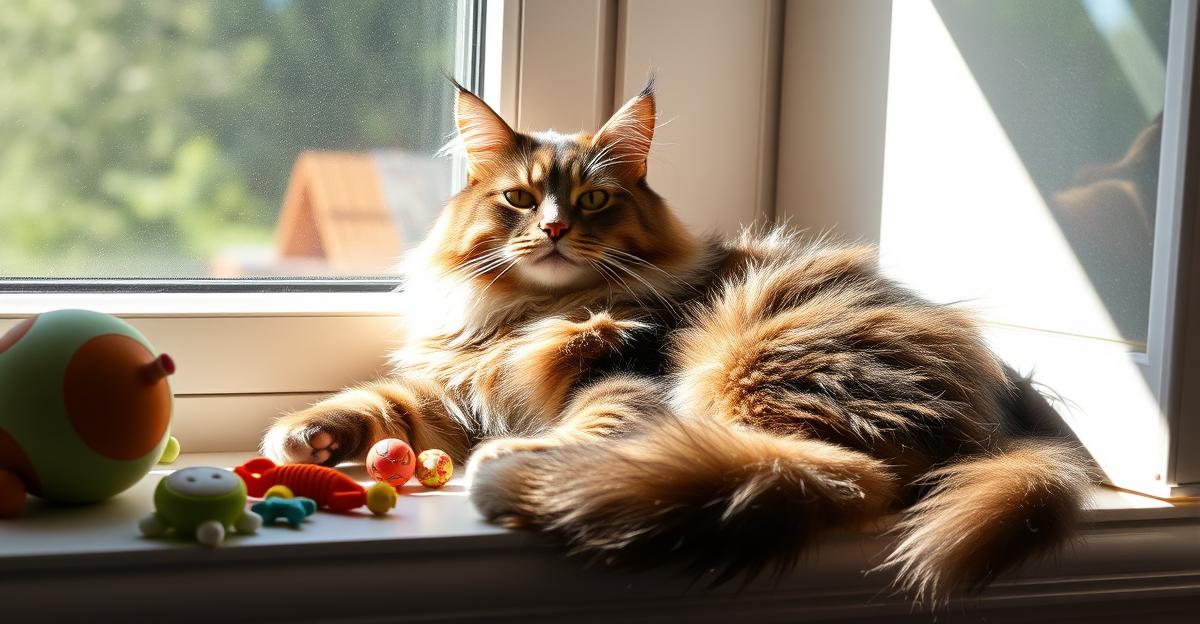
Imagine a gentle giant with a fluffy mane, bright amber eyes, and a personality that feels like a loyal friend rather than a pet. That’s the Maine Coon – a breed that effortlessly blends rugged charm with affectionate warmth. Whether you’re a seasoned cat parent or just beginning your feline journey, the Maine Coon’s playful spirit and adaptable nature make it a perfect companion for any household. In this article, we’ll explore everything that makes the Maine Coon a standout breed, from its unique traits and social habits to practical care tips that keep your big‑hearted buddy thriving and happy.
Origins and Personality: The Story Behind the Maine Coon
The Maine Coon’s roots are as legendary as its size. Hailing from the rugged coastlines of New England, this breed earned its name from the state of Maine, where it was once celebrated as the official state cat. Folklore suggests they descended from ship cats that helped control rodents on merchant vessels, while others romanticize a crossing between domestic cats and the wild bobcat. Regardless of the myth, what remains true is the Maine Coon’s unmistakable personality.
- Gentle Giants: Despite weighing up to 18 pounds, they move with a graceful confidence that belies their bulk.
- Playful Curiosity: They love interactive toys, puzzle feeders, and even learning simple tricks.
- Social Butterflies: Whether it’s greeting you at the door or snuggling beside you on the couch, Maine Coons thrive on human interaction.
- Adaptable Companions: They adjust well to families with children, other pets, and various living environments.
Understanding these core traits helps you create an environment where your Maine Coon can flourish, turning everyday moments into shared adventures.
Creating a Play‑Friendly Home for Your Maine Coon
Play isn’t just a pastime for Maine Coons; it’s a vital part of their mental and physical well‑being. Designing a stimulating environment ensures they stay active, happy, and less likely to develop unwanted habits.
- Vertical Spaces: Install sturdy cat trees or wall‑mounted shelves. Maine Coons love to perch and observe their kingdom from above.
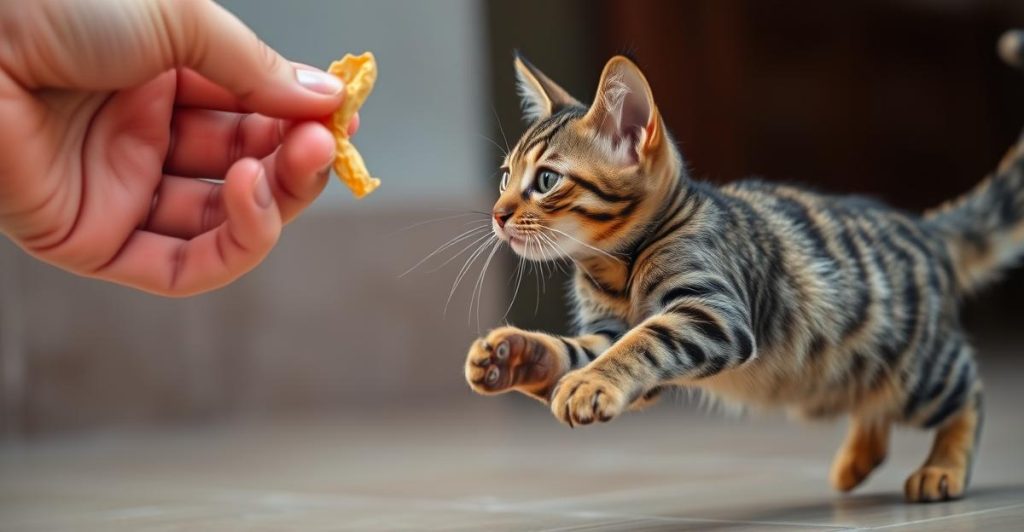
- Interactive Toys: Feather wands, laser pointers, and motorized mice engage their hunting instincts.
- Puzzle Feeders: Combine feeding time with problem‑solving to keep their minds sharp.
- Safe Outdoor Access: If possible, provide a secure catio or harness‑walk sessions for fresh air and exploration.
- Rotate Toys: Swap out toys weekly to maintain novelty and excitement.
Grooming Essentials for a Fluffy Friend
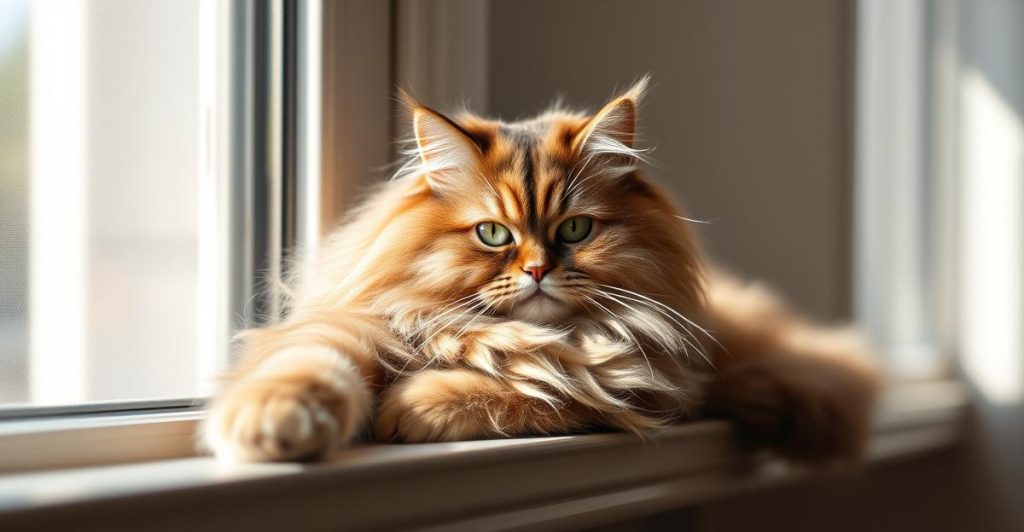
The Maine Coon’s luxurious coat is one of its most striking features, but it also requires regular care to stay soft and tangle‑free. Consistent grooming not only keeps the fur looking its best but also promotes bonding and reduces shedding around the house.
- Brushing Frequency: Aim for 3–4 times a week using a wide‑toothed comb followed by a slicker brush to detangle and remove loose hair.
- Bathing: Occasional baths (once every 2–3 months) with a cat‑safe shampoo help maintain coat health, especially after outdoor adventures.
- Nail Trimming: Trim the front claws every 2–3 weeks; the back claws tend to wear down naturally.
- Ear Checks: Gently wipe the outer ear with a damp cotton ball to prevent wax buildup.
- Dental Care: Brush teeth with a feline‑friendly toothpaste once a week to support fresh breath and oral comfort.
Feeding Routines that Keep Your Maine Coon Energized
Because Maine Coons are larger and more active than many other breeds, they benefit from a balanced feeding schedule that matches their energy levels. The goal is to provide consistent nutrition while encouraging natural foraging behaviors.
- Meal Frequency: Offer two to three meals daily to maintain steady energy.
- Portion Control: Follow the feeding guidelines on high‑quality cat food packages, adjusting based on your cat’s activity and weight.
- Hydration: Place fresh water bowls in multiple locations; consider a cat water fountain to entice drinking.
- Interactive Feeding: Use treat‑dispensing toys or scatter small portions of kibble during playtime.
- Special Treats: Offer occasional cat‑safe treats like freeze‑dried chicken or small pieces of cooked fish as rewards.
Indoor vs. Outdoor Play Activities: Which Suits Your Maine Coon Best?
| Aspect | Indoor Play | Outdoor Play |
|---|---|---|
| Safety | Controlled environment, no traffic or predators. | Potential exposure to cars, wildlife, and parasites. |
| Stimulus Variety | Can be enhanced with toys, climbing structures, and puzzle feeders. | Natural scents, sunlight, and diverse textures. |
| Exercise Level | Depends on owner engagement; may need more interactive sessions. | Often higher due to exploration and chasing. |
| Social Interaction | Easy to supervise; encourages bonding during play. | Opportunities to meet other cats or wildlife (if safe). |
| Maintenance | Less mess; fur stays mostly indoors. | May bring in dirt, pollen, or insects. |
Building a Strong Bond: Communication and Training Tips
While Maine Coons are naturally affectionate, intentional bonding activities deepen trust and make daily life smoother for both cat and owner. Positive reinforcement and clear communication are key.
- Clicker Training: Teach simple commands like “sit” or “high five” using a clicker and treats.
- Consistent Routines: Feed, play, and groom at similar times each day to create predictability.
- Gentle Touch: Spend a few minutes each day petting the neck, chin, and behind the ears—areas most cats enjoy.
- Voice Cues: Use a calm, upbeat tone when calling your cat; they’ll learn to associate the sound with positive experiences.
- Respect Boundaries: If your Maine Coon walks away, give space. Forced interaction can lead to stress.
Traveling with Your Maine Coon: Stress‑Free Adventures
Because Maine Coons are sociable and curious, they often adapt well to short trips and vacations when prepared properly. Below are practical steps to ensure a smooth journey.
- Carrier Comfort: Choose a roomy carrier with soft bedding; place a familiar blanket inside.
- Familiar Scents: Add a piece of clothing that smells like you to reduce anxiety.
- Gradual Acclimation: Let your cat explore the carrier at home for several days before the trip.
- Travel Snacks: Pack a small portion of dry kibble and water in spill‑proof containers.
- Breaks on Long Drives: Stop every 2–3 hours to offer water and a brief stretch (keep the carrier secure).
Frequently Asked Questions
Do Maine Coons get along with other pets?
Yes! Their laid‑back temperament and gentle nature usually make them excellent companions for dogs, other cats, and even small household pets. Early introductions and supervised play sessions help establish positive relationships.
How much exercise does a Maine Coon need each day?
Aim for at least 30 minutes of active play, split into several short sessions. Interactive toys, climbing structures, and puzzle feeders are great ways to meet this need while keeping things fun.
Is a Maine Coon suitable for apartment living?
Absolutely, as long as you provide vertical space, regular playtime, and mental stimulation. Their adaptable personality means they can thrive in smaller spaces when their environment is enriched.
What grooming tools work best for a Maine Coon’s coat?
A wide‑toothed comb for detangling, followed by a slicker brush to smooth the fur, works well. Some owners also like a de‑shedding glove for quick daily maintenance.
Disclaimer: This article is intended for informational and entertainment purposes only. It does not replace professional veterinary advice. Always consult a qualified vet for your cat's health and dietary needs.