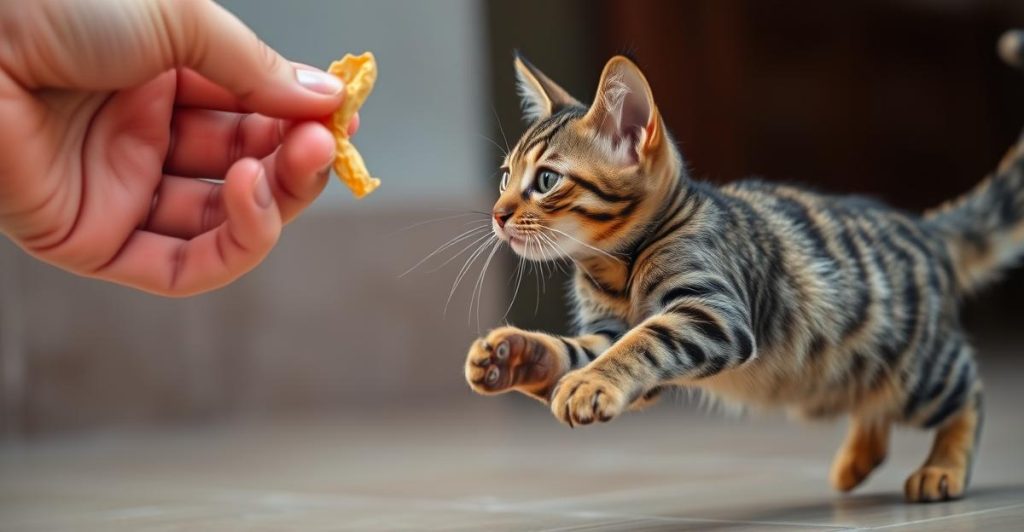

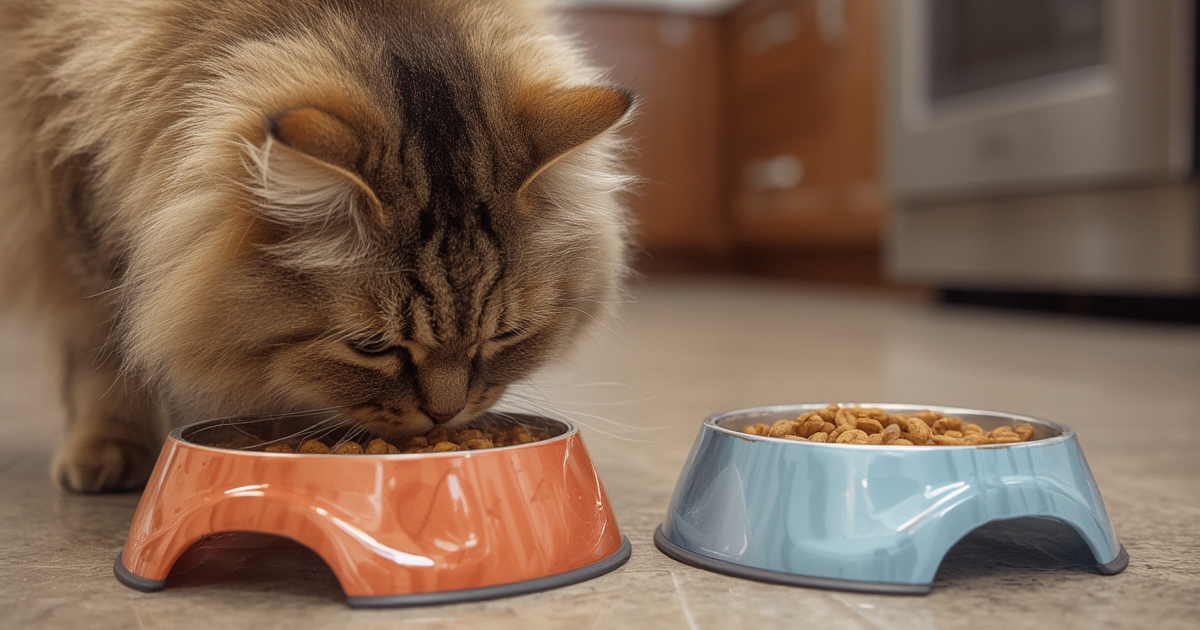
Every cat owner knows the moment a whiskered explorer darts across the kitchen floor, eyes bright and tail flicking, that the health of a feline friend depends heavily on what lands in its bowl. Mastering cat nutrition isn’t just about picking a brand; it’s about understanding how moisture, protein, and calories shape a cat’s energy, coat, and behavior. Whether you’re feeding a playful kitten, a sedentary senior, or an indoor hunter, the right food choice can prevent obesity, urinary issues, and endless meowing for “more!” Let’s dive into the wet‑vs‑dry debate so you can serve up the perfect meal for your cat’s unique needs.
Understanding Cat Nutrition Basics
Cats are obligate carnivores, meaning they thrive on diets rich in animal protein and moisture. Unlike dogs, they lack the enzymes to efficiently process large amounts of carbohydrates, so a high‑protein, moderate‑fat diet supports optimal cat health. Proper cat nutrition fuels muscle tone, maintains a glossy coat, and promotes healthy digestion.
Key Nutrients Every Cat Needs
- Protein: Essential for tissue repair and immune function. Look for named animal sources such as chicken, turkey, or fish.
- Moisture: Cats naturally obtain water from prey; wet food helps meet this need.
- Fats: Provide energy and aid in the absorption of fat‑soluble vitamins.
- Taurine: An amino acid critical for heart and eye health; must be present in the diet.
- Vitamins & Minerals: Balanced levels of calcium, phosphorus, and B‑vitamins support bone health and metabolism.
When evaluating a product, read the guaranteed analysis and ingredient list. A short list of recognizable proteins and minimal fillers signals a higher quality cat nutrition formula.
Dry Cat Food: Benefits and Drawbacks
Dry kibble is the most common form of cat food on store shelves, and for good reason. Its low moisture content and crunchy texture offer several practical advantages, especially for busy households.
When Dry Food Shines
- Convenient storage: Long shelf life and easy to portion.
- Dental benefits: Crunchy kibble can help reduce plaque buildup, though it’s not a substitute for regular dental care.
- Cost‑effective: Generally cheaper per calorie than wet options.
- Portion control: Simple to measure using a cup or automatic feeder.
Potential Drawbacks
- Low moisture: Provides only about 10% water, which can contribute to dehydration if not supplemented.
- Higher carbohydrate levels: Some brands use grains or soy, which may not align with a cat’s natural diet.
- Calorie density: Easy to overfeed, leading to weight gain.
For indoor cats that tend to be less active, pairing dry food with a water fountain or mixing in a spoonful of wet food can improve hydration without sacrificing convenience.
Wet Cat Food: Benefits and Drawbacks
Wet cat food, often sold in cans or pouches, mimics the moisture content of fresh prey, making it a natural choice for many felines. Its aroma and texture are especially appealing to picky eaters.
When Wet Food Shines
- High moisture content: Typically 75‑80% water, supporting urinary health and kidney function.
- Palatability: Strong scent and soft texture encourage even the fussiest eaters.
- Lower carbohydrate levels: Many wet formulas focus on protein, aligning with cat nutrition guidelines.
- Portion control for weight management: Pre‑measured servings help prevent overeating.
Potential Drawbacks
- Shorter shelf life after opening: Must be refrigerated and used within 24‑48 hours.
- Cost: Higher price per calorie compared to dry kibble.
- Dental impact: Soft texture provides less mechanical cleaning for teeth.
Wet food is especially beneficial for senior cats, kittens, or any cat prone to urinary crystals, as the extra moisture can dilute urine and reduce the risk of stone formation.
Choosing the Right Food for Different Life Stages
Cat nutrition requirements evolve from the playful kitten stage through adulthood and into senior years. Understanding these shifts helps you select the most appropriate wet or dry options.
Kittens (0‑12 months)
- Higher protein and fat percentages to support rapid growth.
- Frequent meals—four to six times daily.
- Wet food or specially formulated kitten kibble ensures adequate moisture and calories.
Adult Cats (1‑7 years)
- Balanced protein and moderate fat to maintain lean muscle.
- Two meals per day works well for most indoor cats.
- Mixing wet and dry can provide hydration while controlling costs.
Senior Cats (7+ years)
- Reduced calories to prevent age‑related weight gain.
- Higher moisture and easily digestible proteins.
- Joint‑support supplements (e.g., glucosamine) may be added to food.
Always transition gradually—over a week—when switching between wet and dry or introducing a new brand. This minimizes digestive upset and lets you monitor any changes in appetite or stool quality.
Practical Feeding Tips for Indoor Cats
Indoor cats face unique challenges: limited space for exercise, less natural prey moisture, and a higher risk of obesity. Pairing the right cat nutrition with smart feeding habits can keep them thriving.
Portion Control and Scheduling
- Use a calibrated measuring cup or a digital kitchen scale to serve exact portions.
- Stick to a consistent schedule—morning and evening—to regulate metabolism.
- Consider an automatic feeder for dry kibble to avoid free‑feeding.
Boosting Hydration
- Place a water fountain near the feeding area; cats prefer moving water.
- Mix a tablespoon of water or low‑sodium broth into dry kibble.
- Offer a small portion of wet food daily, even if the primary diet is dry.
Monitoring Weight and Health
Weigh your cat monthly using a kitchen scale or a vet’s scale. A healthy adult cat should maintain a body condition score (BCS) of 4‑5 on a 9‑point scale. Adjust portions by 10% if you notice gradual weight gain or loss.
Environmental Enrichment
- Provide puzzle feeders that dispense kibble slowly, encouraging mental stimulation.
- Rotate toys and introduce climbing shelves to mimic natural hunting behavior.
- Schedule short play sessions before meals to stimulate appetite.
Comparison of Wet vs Dry Cat Food
| Feature | Wet Cat Food | Dry Cat Food | Best For |
|---|---|---|---|
| Moisture Content | 75‑80% (high hydration) | ≈10% (low hydration) | Cats needing extra water, seniors, kittens |
| Convenience | Short shelf life after opening, needs refrigeration | Long shelf life, easy to store | Busy owners, multi‑cat households |
| Cost per Calorie | Higher | Lower | Budget‑conscious owners |
| Dental Impact | Soft texture, less abrasive | Crunchy, mild plaque reduction | Cats with dental concerns may need supplemental care |
| Palatability | Strong aroma, high acceptance | Varies, may be less enticing | Picky eaters, cats with reduced appetite |
Putting It All Together: A Sample Feeding Plan
Below is a practical example for a 4‑year‑old indoor domestic short‑hair weighing 10 lbs (4.5 kg). Adjust portions based on your cat’s activity level and body condition.
- Morning (7 am): ¼ cup of high‑protein dry kibble (≈80 kcal).
- Midday (12 pm): ½ can of grain‑free wet food (≈70 kcal) plus fresh water.
- Evening (6 pm): ¼ cup of dry kibble mixed with a tablespoon of water.
- Night (9 pm): Optional treat: 1 treat (≈5 kcal) if the cat has excess calories.
This schedule delivers roughly 225 kcal per day, aligning with the average maintenance needs of a 10‑lb indoor cat. Always consult your veterinarian for personalized calorie calculations.
Frequently Asked Questions
How often should I feed my cat?
Adult indoor cats typically do well with two meals per day—once in the morning and once in the evening. Kittens require more frequent feedings (four to six times daily) to support rapid growth.
Can I feed my cat only dry food?
Yes, but you must ensure your cat drinks enough water. Provide a water fountain and consider adding a small amount of wet food or water to the kibble to boost moisture intake.
Why does my cat prefer wet food over dry?
Wet food’s strong aroma, soft texture, and high moisture content appeal to a cat’s natural hunting instincts. If your cat is a picky eater, wet food can stimulate appetite, especially for seniors or ill cats.
Is grain‑free cat food better?
Grain‑free formulas can be beneficial for cats with specific grain sensitivities, but most cats digest grains without issue. Focus on high animal‑protein content and avoid unnecessary fillers.
How can I tell if my cat is overweight?
Feel for a thin waistline behind the ribs and observe the abdominal tuck. A healthy cat’s ribs should be easily felt but not prominently visible. Use a body condition score chart or ask your vet for guidance.
What should I do if my cat stops eating wet food?
Gradually reintroduce wet food by mixing it with a small amount of dry kibble, warming it slightly to enhance aroma, or adding a splash of low‑sodium broth. If the appetite loss persists, consult a veterinarian.