
Understanding the Basics of Kitten Feeding
Bringing a new kitten home is an exciting adventure, but it also comes with a steep learning curve. One of the most critical aspects of kitten care is kitten feeding. Proper nutrition during the first year sets the foundation for a healthy, active cat that will stay with you for many years.
Unlike adult cats, kittens have rapidly changing energy needs, developing teeth, and a delicate digestive system. Knowing how to meet those needs helps prevent common problems like stunted growth, obesity, or gastrointestinal upset.
Creating a Reliable Kitten Feeding Schedule
Establishing a consistent feeding routine provides structure and reduces anxiety for both you and your kitten. Here’s a step‑by‑step guide to building a schedule that works:
1. Determine the Feeding Frequency
- 0–4 weeks (nursing): Mother’s milk or a kitten milk replacer every 2–3 hours.
- 4–8 weeks: Offer 4–5 small meals per day.
- 8–12 weeks: Transition to 3–4 meals daily.
- 3–6 months: Reduce to 3 meals a day.
- 6 months–1 year: Feed 2–3 times daily, depending on activity level.
2. Choose the Right Portion Size
Most commercial kitten foods provide feeding guidelines on the packaging. Use the kitten’s weight and age as the primary reference, then adjust based on body condition.
- Lean, “ribs visible” = increase portion.
- Rounded, “waistline” = maintain current amount.
- Bulky, “spoon‑fed” = decrease portion.
3. Set Up a Feeding Area
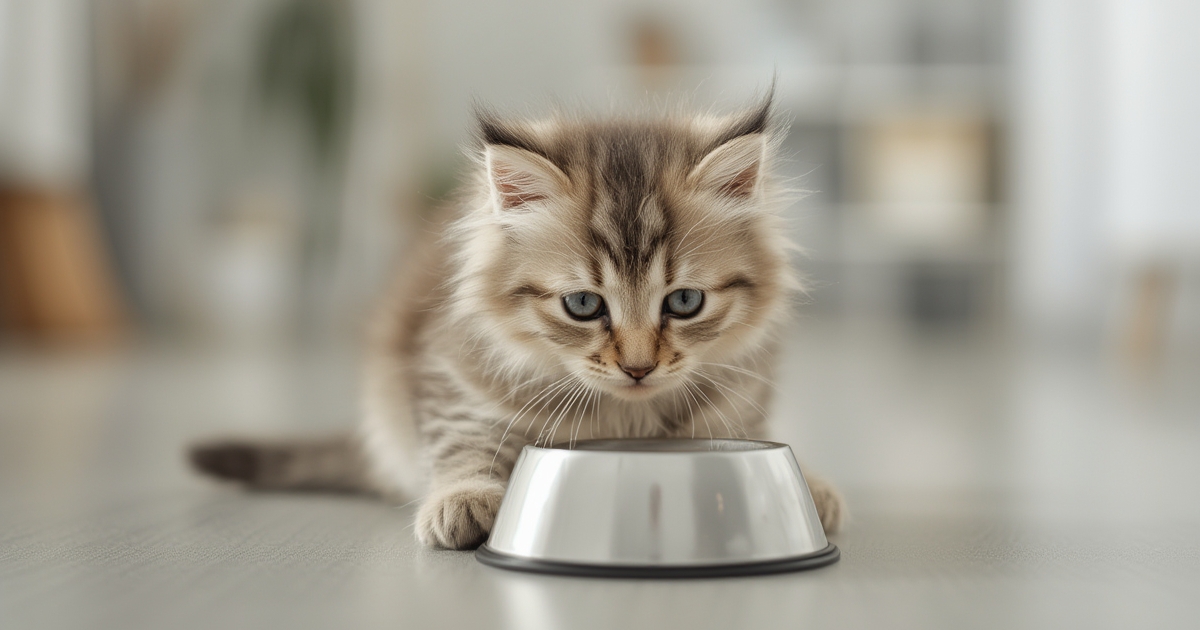
Designate a quiet, low‑traffic corner for meals. Use a shallow bowl for wet food and a sturdy dish for dry kibble. Keep the area clean to prevent bacterial growth.
Choosing the Right Food for Optimal Kitten Nutrition
Not all cat foods are created equal, especially when it comes to the delicate needs of a growing kitten. Selecting the appropriate type of food is a cornerstone of successful kitten feeding practices.
Wet vs. Dry Kitten Food
Both wet and dry foods have distinct advantages. Wet food provides moisture and a strong aroma that can entice picky eaters, while dry kibble supports dental health and is convenient for free‑feeding.
Key Nutrients to Look For
- Protein: Minimum 30% of calories from high‑quality animal sources.
- Fat: 15–20% for energy and essential fatty acids.
- Taurine: An essential amino acid for heart and eye health.
- DHA/EPA: Omega‑3 fatty acids that support brain development.
- Calcium & Phosphorus: Balanced ratio (1.2:1) for strong bones.
Understanding Labels
Look for statements such as “complete and balanced for growth” and “AAFCO‑approved for kittens.” Avoid foods with excessive fillers like corn gluten meal or artificial colors.
Comparison of Wet and Dry Kitten Food
| Option | Main Benefit | Potential Drawback | Best For |
|---|---|---|---|
| Wet Kitten Food | High moisture, palatable, supports hydration | Higher cost, shorter shelf life after opening | Kittens that are picky eaters or need extra fluids |
| Dry Kitten Food | Convenient, helps maintain dental health, long shelf life | Lower moisture content, may be less appealing to some kittens | Busy households or owners who prefer free‑feeding |
Monitoring Growth and Health Through Feeding
Regular check‑ins are essential to ensure your kitten is thriving. Use feeding as a diagnostic tool to spot early signs of health issues.
Weight Checks
Weigh your kitten weekly for the first three months. A healthy kitten should gain 5–10 grams per day. Sudden weight loss or gain may indicate dietary problems or illness.
Stool Observation
- Consistent, firm, and brown stools = good digestion.
- Loose, watery, or overly hard stools = adjust food type or portion.
- Presence of blood or mucus = consult a veterinarian.
Energy Levels and Play
A well‑fed kitten will be curious, active, and able to engage in short bursts of play. Lethargy or excessive clinginess can be a sign of under‑ or over‑feeding.
Adjusting Kitten Feeding as Your Cat Grows
As kittens transition to adolescence, their nutritional needs evolve. Here’s how to modify your feeding plan at each milestone.
4–6 Months: Introducing Variety
- Gradually mix wet and dry foods to develop a balanced palate.
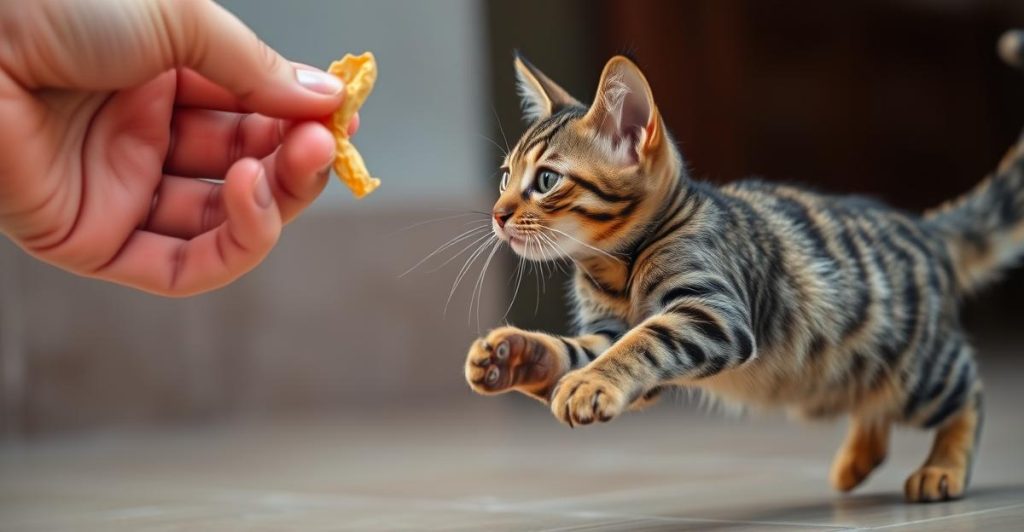
- Begin offering small, safe treats (e.g., freeze‑dried chicken) for training.
- Monitor calcium intake; avoid excessive milk products.
6–12 Months: Reducing Meal Frequency
Most kittens can handle two meals a day by the time they’re six months old. Ensure each meal is portioned based on current weight and activity level.
12 Months and Beyond: Transition to Adult Cat Food
At one year, switch to a high‑quality adult cat formula, but keep an eye on the protein content. Some owners maintain a small portion of kitten food for extra nutrients if the cat remains highly active.
Common Pitfalls and Solutions in Kitten Feeding
Even experienced cat owners can stumble into feeding mistakes. Below are frequent issues and how to correct them.
Over‑Feeding and Obesity
- Problem: Free‑feeding dry kibble.
- Solution: Measure meals with a kitchen scale and stick to scheduled feeding times.
Under‑Feeding and Stunted Growth
- Problem: Relying solely on adult cat food.
- Solution: Switch to a kitten‑specific formula and increase portion size as recommended.
Food Allergies and Sensitivities
If you notice itching, vomiting, or chronic ear infections, consider a limited‑ingredient or hypoallergenic kitten diet. Always discuss diet changes with your vet.
Transition Anxiety
Kittens may resist new foods. Introduce changes gradually—mix 25% new food with 75% old food, then increase the new portion over a week.
Putting It All Together: A Sample Weekly Feeding Plan
Below is a practical example for a 10‑week‑old kitten weighing 1.2 kg. Adjust portions based on your kitten’s specific weight and activity.
- Monday–Friday: 4 meals per day (08:00, 12:00, 16:00, 20:00). Each meal: 30 g wet kitten food + 10 g dry kibble.
- Saturday–Sunday: 3 meals (09:00, 14:00, 19:00). Slightly larger portions: 35 g wet + 12 g dry.
- Weekend Treat: One small freeze‑dried chicken bite after the evening meal.
Track weight weekly and adjust portions by 5% if the kitten is gaining too quickly or too slowly.
Key Takeaways for Successful Kitten Feeding
- Start with frequent, small meals and gradually reduce frequency as the kitten ages.
- Choose high‑quality kitten‑specific food that meets AAFCO growth standards.
- Monitor weight, stool, and energy levels to catch issues early.
- Adjust portions based on growth curves, not just calendar age.
- Transition foods slowly to avoid digestive upset.
Frequently Asked Questions
How often should I feed my kitten?
Kittens need 4–5 meals per day until they are about 8 weeks old. From 8 weeks to 6 months, feed 3–4 times daily, then transition to 2–3 meals as they approach adulthood.
Can I feed my kitten adult cat food?
Adult cat food lacks the higher protein, fat, and calorie density that growing kittens require. Feeding adult food long‑term can lead to stunted growth and nutrient deficiencies.
Why does my kitten vomit after meals?
Occasional vomiting can be normal, especially if the kitten eats too quickly. Try using a shallow bowl, feeding smaller portions, or offering multiple small meals throughout the day. Persistent vomiting warrants a veterinary visit.
Is it okay to give my kitten cow’s milk?
Most cats are lactose intolerant. Cow’s milk can cause diarrhea and upset stomach. Stick to water and a balanced kitten formula; special “cat milk” products are a safer alternative.
How can I tell if my kitten is overweight?
Feel for the ribs—there should be a thin layer of fat but the ribs are still palpable. A visible waistline when looking from above also indicates a healthy weight. If in doubt, ask your vet for a body condition score.
Should I give my kitten treats?
Treats can be useful for training, but they should make up less than 10% of daily calories. Choose low‑calorie, high‑protein treats and factor them into the overall feeding plan.