
Understanding Indoor Cat Enrichment and Why It Matters
Every cat owner wants a happy, healthy companion, but indoor cats can become bored if their environment lacks stimulation. Indoor cat enrichment is the key to turning a simple apartment into a feline adventure park. By providing mental, physical, and sensory challenges, you help your cat express natural hunting instincts, reduce stress, and maintain a robust cat health profile. This opening guide will walk you through practical cat care strategies, from daily routines to nutrition tips, ensuring your indoor cat thrives.
Designing an Enrichment‑Rich Environment
Vertical Space and Climbing Opportunities
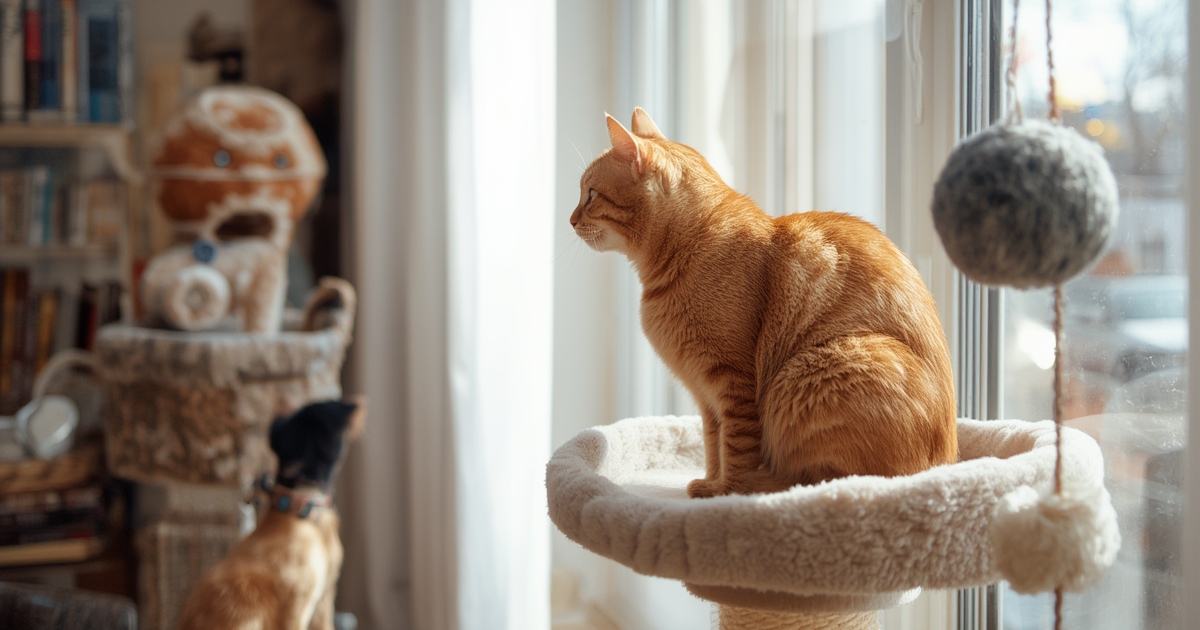
Cats are natural climbers. Installing shelves, cat trees, or window perches gives them a sense of security and a place to observe their territory. When choosing vertical elements, consider:
- Sturdy mounting to support a cat’s weight.
- Varied heights to encourage jumping and stretching.
- Materials that are easy to clean and safe for claws.
Even a simple DIY shelf secured to a wall can become a favorite lookout point, turning everyday moments into enrichment opportunities.
Interactive Toys and Puzzle Feeders
Interactive toys keep a cat’s mind active. Feather wands, laser pointers, and motorized mice mimic prey movement, triggering instinctual chase behavior. Puzzle feeders combine play with nutrition, slowing eating and providing mental stimulation. Rotate toys weekly to keep novelty high and prevent your cat from losing interest.
Sensory Stimulation: Scent, Sound, and Touch
Introduce safe scents like catnip, silver vine, or dried herbs to spark curiosity. Soft background music or nature sounds can soothe anxious cats, while textured mats and scratching posts satisfy the need to claw and stretch. These sensory layers contribute to a well‑rounded indoor cat enrichment plan.
Daily Enrichment Routines for Cats and Kittens
Morning Play Sessions
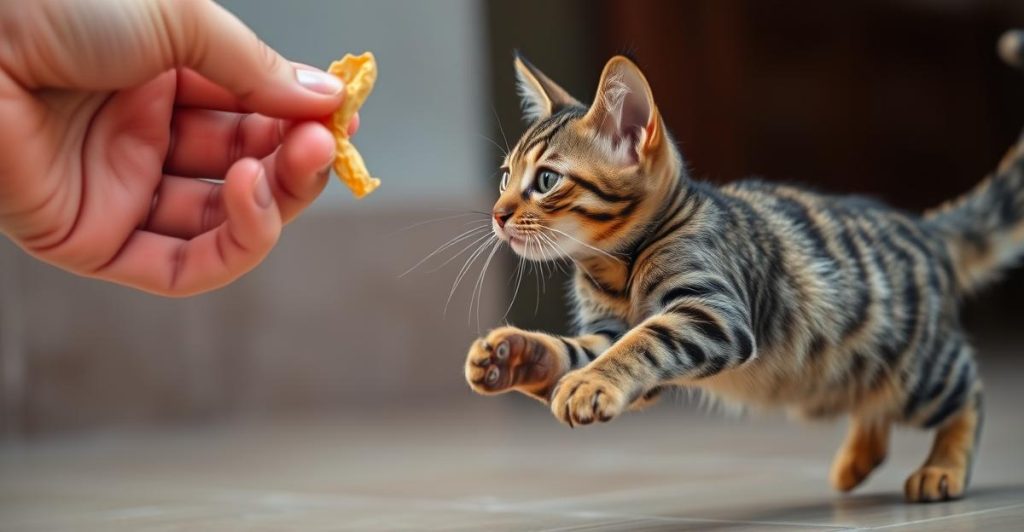
Start the day with a 10‑15 minute interactive play. Use a wand toy to simulate hunting, encouraging the cat to pounce, leap, and sprint across the room. For kittens, incorporate gentle tug‑of‑war with a soft rope to develop coordination.
- Set a timer to make the routine consistent.
- End the session with a short grooming brush to reinforce bonding.
- Reward with a small portion of wet food or a treat.
Midday Stimulation
When you’re away, leave a puzzle feeder or a treat‑dispensing ball for your cat to discover. Rotate the toys in different rooms to keep the environment unpredictable. A simple cardboard box with holes cut out can become a hide‑and‑seek arena, providing both play and a safe retreat.
Evening Wind‑Down
As the day ends, switch to low‑key activities. A gentle laser pointer session followed by a calming petting routine helps your cat transition to rest. Offer a warm, cozy bed near a sunny window for a soothing night’s sleep.
Nutrition and Health Support for an Active Indoor Cat
Choosing the Right Food
Active indoor cats burn calories during play, so their diet should match energy needs while supporting joint health and coat condition. High‑quality protein, balanced fats, and essential vitamins are crucial. Below is a quick comparison of the two most common cat food types.
Comparison of Wet vs. Dry Cat Food
| Option | Main Benefit | Potential Drawback | Best For |
|---|---|---|---|
| Dry Cat Food | Convenient, long shelf life, helps clean teeth | Lower moisture; may contribute to dehydration if water intake is low | Busy owners, cats that self‑feed throughout the day |
| Wet Cat Food | High moisture content, palatable, supports hydration | Shorter shelf life after opening, higher cost per serving | Cats needing extra water, picky eaters, senior cats |
For indoor cat enrichment, consider mixing both: dry kibble for free‑feeding and wet meals during play sessions to boost hydration.
Hydration and Supplements
Indoor cats often drink less water than outdoor cats. Provide multiple water stations, use a pet fountain to keep water flowing, and incorporate wet food into daily meals. Supplements such as omega‑3 fatty acids support a glossy coat, while joint‑support formulas (glucosamine) benefit active cats that love climbing.
Behavioral Benefits of Enrichment and How to Spot Problems
Reducing Stress and Preventing Problem Behaviors
When a cat’s environment is stimulating, they’re less likely to develop unwanted behaviors like excessive scratching, over‑grooming, or aggression. Look for signs of stress:
- Frequent vocalization or meowing, especially at night.
- Hiding or avoidance of favorite spots.
- Changes in litter box habits.
If you notice these, revisit your enrichment plan. Add more vertical space, increase playtime, or introduce a new puzzle feeder.
Understanding Cat Body Language
Learning cat behavior helps you tailor enrichment. A relaxed cat will have ears forward, slow blinking, and a gently swaying tail. An anxious cat may have flattened ears, a puffed tail, or a low‑hunched posture. Adjust activities accordingly—offer calm, low‑stimulus toys for nervous cats and high‑energy chase toys for confident, playful ones.
Enrichment on a Budget: DIY Ideas and Simple Upgrades
You don’t need expensive gear to provide top‑tier indoor cat enrichment. Here are budget‑friendly projects:
- Cardboard Castle: Cut and tape boxes into tunnels and platforms.
- DIY Feather Wand: Attach feathers to a string and a stick.
- Treat Puzzle: Use a muffin tin, place treats in a few cups, and cover with tennis balls.
- Window Perch: Secure a sturdy shelf with a soft blanket near a sunny window.
Rotate these creations regularly to keep curiosity alive. Even small changes—like moving a scratching post to a new location—can reignite interest.
Monitoring Health and Adjusting Enrichment Over Time
Regular veterinary check‑ups are essential for indoor cats. Discuss your enrichment routine with the vet; they can recommend specific toys for joint health or suggest dietary adjustments as your cat ages. Keep a simple log of your cat’s activity, appetite, and mood to spot trends early.
- Track playtime duration and favorite toys.
- Note any changes in weight or coat condition.
- Record any new behaviors or signs of stress.
Adapting enrichment as your cat matures—from kitten curiosity to senior relaxation—ensures lifelong happiness.
Frequently Asked Questions
How often should I feed my indoor cat?
Most adult indoor cats thrive on two meals per day, spaced 8–12 hours apart. Kittens need three to four meals daily. Adjust portion sizes based on activity level, body condition, and the type of food (wet vs. dry).
Why does my cat meow at night?
Nocturnal vocalization often signals boredom, hunger, or a desire for attention. Providing evening enrichment—like a short play session and a puzzle feeder—can reduce nighttime meowing.
How can I train a kitten to use the litter box?
Place the kitten in the litter box after meals, play, and naps. Use a low‑sided box for easy entry, and keep the litter clean. Praise or reward with a treat when the kitten uses the box correctly.
What are the best toys for indoor cats?
Interactive toys that mimic prey (feather wands, laser pointers), puzzle feeders, and toys with varying textures (crinkly, soft, rubber) are top choices. Rotate toys to maintain novelty.
Is a cat fountain necessary?
A fountain encourages cats to drink more water, which supports kidney health and urinary tract function—especially important for indoor cats who may drink less from a static bowl.