
Understanding Why Your Cat Scratches
Every cat owner has witnessed the dreaded scene: a beloved sofa reduced to a shredded masterpiece. This natural behavior, known as cat scratching, is rooted in instinct, communication, and health. Cats scratch to mark territory with scent glands in their paws, to stretch their flexible bodies, and to keep their claws sharp for hunting. Recognizing the purpose behind the action is the first step toward a gentle, effective solution.
When you understand that scratching is a healthy need, you can redirect it without punishment, preserving both your furniture and your feline’s wellbeing.
Identify the Triggers Behind Cat Scratching
Before you can stop unwanted scratching, you need to pinpoint what’s prompting it. Common triggers include boredom, stress, inadequate scratching surfaces, and even medical issues.
Common Situations That Spark Scratching
- New Furniture: Cats may test new textures to see if they’re suitable for claw maintenance.
- Stressful Changes: Moving, new pets, or changes in routine can increase anxiety-driven scratching.
- Lack of Proper Posts: If a post isn’t tall enough or stable, cats will seek out alternative surfaces.
- Health Concerns: Overgrown claws or skin conditions can cause a cat to scratch more aggressively.
Observe your cat’s routine for patterns. Does the scratching happen after meals, during play, or when you’re away? Noting the timing helps you choose the right intervention.
Provide Attractive Alternatives to Furniture
Redirecting cat scratching onto appropriate objects is the cornerstone of gentle training. The key is to make the alternative more appealing than your couch.
Selecting the Right Scratching Post
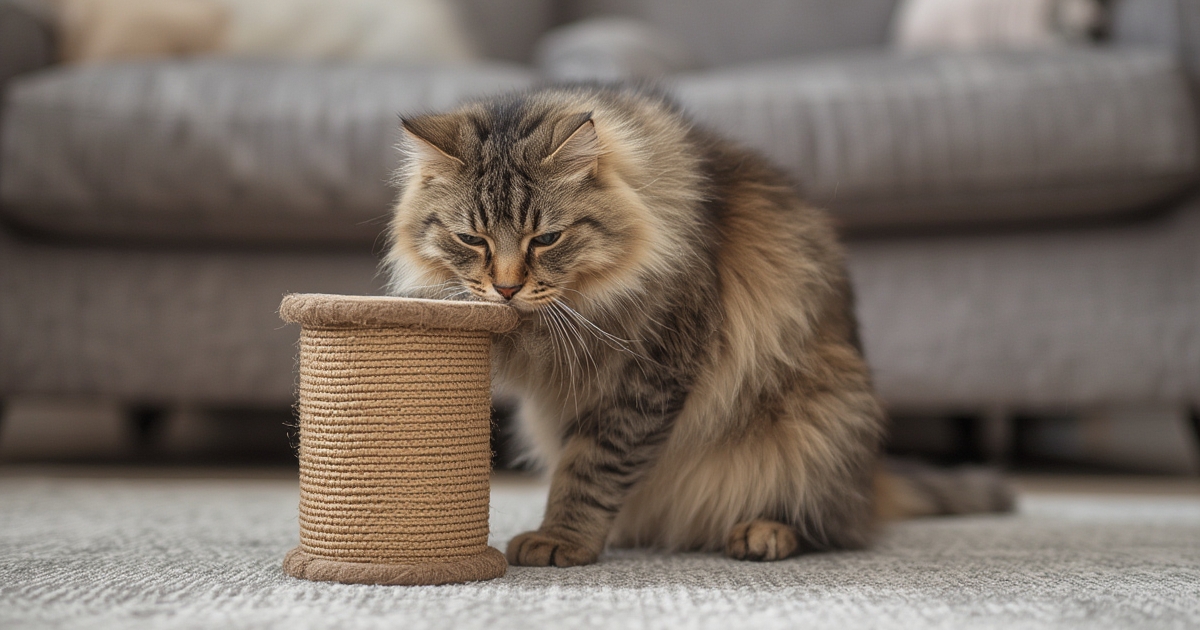
- Height: Choose a post at least as tall as your cat’s shoulder when fully stretched.
- Material: Sisal rope, carpet, and cardboard each attract different cats. Test a few to see which your cat prefers.
- Stability: A wobbling post can deter use. Ensure the base is heavy or anchored.
- Location: Place posts near the furniture being targeted, then gradually move them to more convenient spots.
Encourage use by sprinkling a few catnip leaves on the post or gently tapping the cat’s paws against it. Praise and treat your cat each time it chooses the post over the sofa.
Gentle Training Techniques for Cat Scratching
Training should always be positive. Cats respond best to rewards and subtle redirection rather than harsh corrections.
Positive Reinforcement
- Keep a small treat pouch handy.
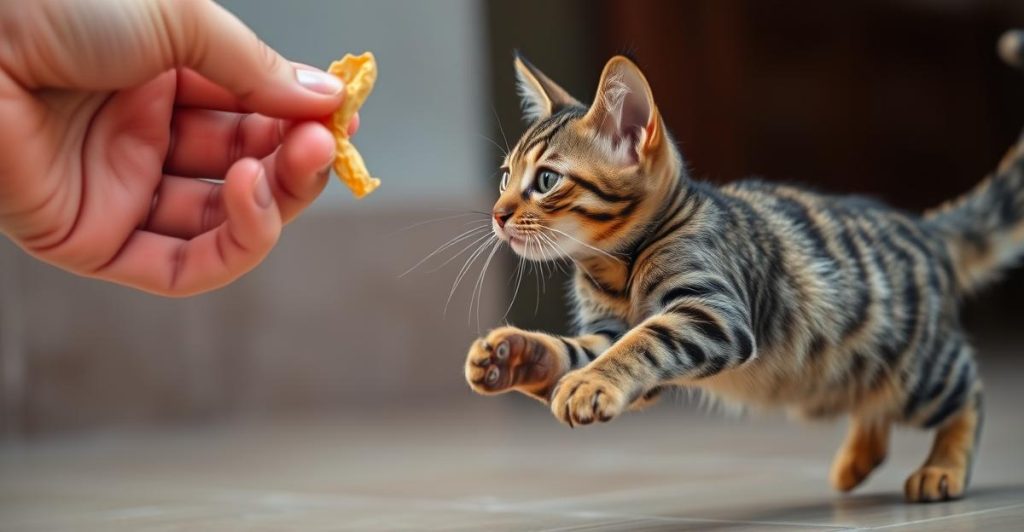
- When you see your cat approach the scratching post, say a cue like “good scratch” and immediately give a treat.
- Repeat consistently; the association builds quickly.
Safe Deterrents
Deterrents should be temporary and humane. Consider the following options:
- Double‑sided Tape: Cats dislike sticky paws. Apply strips to the edges of furniture for a short‑term deterrent.
- Aluminum Foil: The crinkly texture can discourage scratching while you train the cat to use a post.
- Pet‑Safe Sprays: Citrus‑scented sprays are unappealing to many cats but safe for both cat and furniture.
Never spray directly on your cat or use anything that could cause pain. The goal is to make the furniture less attractive while the post becomes the preferred option.
Protecting Furniture While the Training Takes Effect
Even with the best plan, some furniture may still be at risk during the transition period. Here are practical steps to safeguard your pieces.
Physical Barriers
- Furniture Covers: Slipcovers or washable throws can protect upholstery and are easy to replace.
- Furniture Shields: Clear acrylic panels or specially designed cat furniture protect the sides of sofas.
- Cat Trees: Adding a tall cat tree near a favorite scratching spot gives the cat an alternative vertical surface.
Regular Claw Maintenance
Trim your cat’s claws every 2–3 weeks using a cat‑specific nail trimmer. Shorter claws reduce damage if an accidental scratch occurs. If you’re uncomfortable trimming, ask your veterinarian or a professional groomer for a demonstration.
When to Seek Veterinary Advice
Excessive cat scratching can sometimes signal an underlying health issue. If you notice any of the following, schedule a check‑up:
- Sudden increase in scratching frequency or intensity.
- Bleeding, swelling, or redness around the claws.
- Signs of pain when handling paws.
- Hair loss or skin lesions on the areas being scratched.
A veterinarian can rule out conditions such as flea allergy dermatitis, fungal infections, or overgrown claws that may be causing discomfort.
Comparison of Common Cat Care Options
| Option | Main Benefit | Potential Drawback | Best For |
|---|---|---|---|
| Sisal Scratching Post | Durable, mimics natural bark texture | May be too rough for older cats | Active indoor cats |
| Cardboard Scratcher | Lightweight, affordable, easy to replace | Less stable, wears quickly | Kittens and budget‑conscious owners |
| Furniture Cover (Throw) | Protects upholstery while training | May not deter determined scratchers | Owners with valuable furniture |
| Double‑Sided Tape | Instant deterrent without chemicals | Can lose stickiness over time | Short‑term training phases |
Creating an Enriched Indoor Environment
Happy cats are less likely to engage in destructive scratching. Enrichment goes beyond scratching posts; it includes play, mental stimulation, and safe climbing spaces.
Daily Play Sessions
- Use wand toys to mimic prey movement.
- Schedule two 10‑minute sessions per day to burn excess energy.
- Rotate toys weekly to keep interest high.
Vertical Space
Install wall‑mounted shelves or a cat condo. Vertical territory satisfies a cat’s instinct to observe from a height and reduces the urge to mark horizontal surfaces.
Interactive Feeding
Feed meals from puzzle feeders. The mental challenge slows eating and provides a constructive outlet for natural foraging behavior.
FAQ
How long does it take to stop a cat from scratching furniture?
Training duration varies by cat personality and consistency of the approach. Most owners see noticeable improvement within 2–4 weeks when using positive reinforcement and providing appealing alternatives.
Can I use a spray bottle to punish my cat for scratching?
No. Spraying a cat can create fear and damage trust. Gentle deterrents and redirection are far more effective and humane.
My cat prefers the couch even after I bought a scratching post. What should I do?
Place the post directly next to the couch, sprinkle catnip on it, and reward any use. Gradually move the post farther away once the cat consistently chooses it.
Is it normal for kittens to scratch more than adult cats?
Yes. Kittens explore their world through scratching and need more frequent opportunities to practice. Provide multiple low‑height posts and supervise play to guide proper use.
Should I trim my cat’s claws to prevent furniture damage?
Regular trimming reduces the impact of scratches, but it should be combined with proper training and alternative surfaces. Never cut too close to the quick, which can cause pain and bleeding.
What if my cat continues to scratch despite all efforts?
Consult a veterinarian to rule out medical issues and consider a certified animal behaviorist for a customized behavior modification plan.