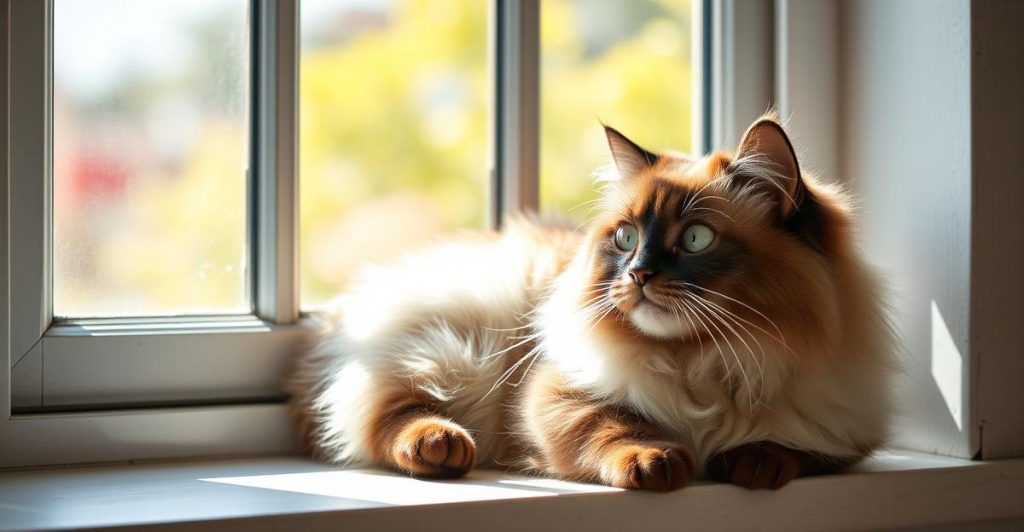

Creating a Vertical Kingdom for Your Feline Friend
When a cat looks up at a tall bookshelf or a lofty curtain rod, it sees an invitation to explore. Cats are natural climbers, and giving them vertical real‑estate turns an ordinary living room into a cat paradise where they can survey their domain, stretch their spines, and feel secure. The good news? You don’t need expensive wall‑mounted shelves or custom‑made cat trees. Simple household items, a few brackets, and a dash of creativity can transform any wall into a feline playground.
- Use floating shelves. Install a series of sturdy floating shelves at varying heights. Secure them with wall anchors and add a non‑slip rug or a piece of carpet to give your cat a comfortable foothold.
- Repurpose a sturdy ladder. An old wooden ladder can become a multi‑level perch. Place it against a wall, add a blanket on each rung, and you have an instant climbing tower.
- Hang a hammock. A fabric hammock attached to two wall brackets creates a suspended lounge that mimics a tree branch—perfect for a cat who loves to nap high up.
- Integrate cat-friendly plants. A few safe, non‑toxic plants like catnip or spider plant placed on a shelf add greenery and a natural scent that encourages exploration.
By arranging these elements in a staggered pattern, you give your cat a series of “steps” to move up and down, satisfying its instinctual need to climb while keeping the overall look stylish and home‑friendly.
DIY Play Zones: Fun Without the Price Tag
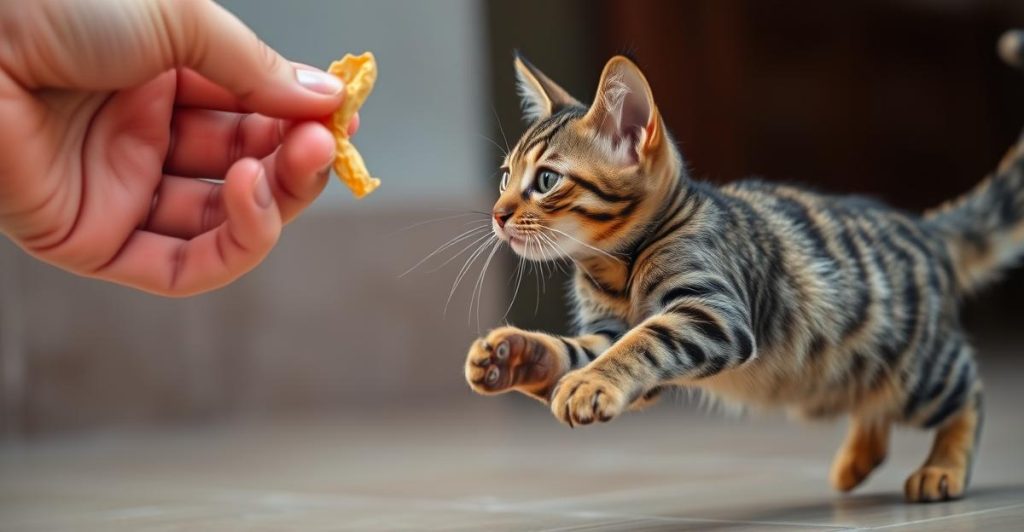
Play is the heartbeat of a happy cat. Interactive toys, puzzle feeders, and simple games keep a cat’s mind sharp and its muscles toned. The best part? Many of these toys can be made from items you already have, turning your home into a cat paradise without draining your wallet.
- Cardboard castles. Save your shipping boxes and cut them into arches and tunnels. Tape them together to create a multi‑room cardboard castle. Cats love the crinkly texture and the sense of hidden passageways.
- Feather wands from kitchen supplies. Attach a feather or a strip of fabric to a stick using a rubber band. Swing it around for a quick, engaging chase session.
- Paper bag hideouts. A simple paper grocery bag, with the handles trimmed, becomes an instant hide‑and‑seek spot. Place a soft blanket inside for extra comfort.
- DIY puzzle feeder. Take an empty toilet paper roll, fold one end, and fill it with a handful of dry kibble or treats. Your cat will roll it around, learning to retrieve the goodies.
- Interactive laser chase. Use a low‑cost laser pointer and create a “laser maze” by reflecting the beam off mirrors or shiny surfaces, encouraging your cat to chase the moving dot in unpredictable patterns.
Rotate these toys regularly. A fresh arrangement keeps the environment exciting and prevents boredom, which is essential for a cat’s overall well‑being.
Cozy Retreats on a Budget
Every cat needs a safe, quiet place to unwind after a day of climbing, hunting, and napping. Creating a series of cozy retreats doesn’t require pricey furniture; it just needs a little imagination and a few inexpensive supplies.
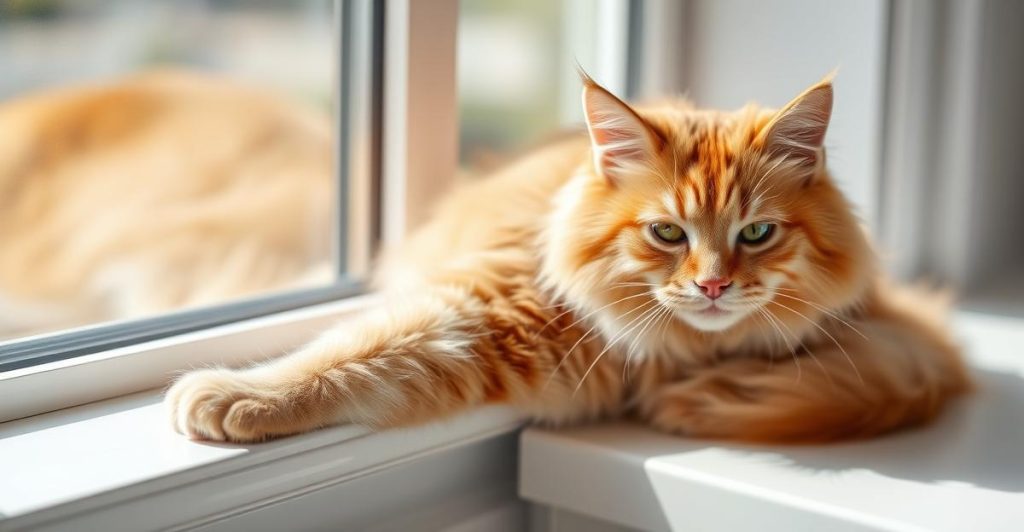
- Fitted window perch. Use a sturdy suction cup and a small piece of plywood to create a perch that slides onto a sunny window. Add a soft blanket for a warm sun‑bathing spot.
- Under‑furniture hideaways. Slide a low‑profile storage box under the couch or bed, line it with a plush towel, and you have a hidden den that feels like a secret cave.
- Reusable fabric pouches. Sew a simple pouch from an old t‑shirt, leaving one side open. Fill it with a soft pillow or a rolled towel for a portable, washable cat bed.
- DIY heated pad. Place a microwave‑safe rice sock (a sock filled with uncooked rice, tied off) in the dryer for a minute, then let it cool. It becomes a warm, comforting pad perfect for chilly evenings.
- Cat‑friendly curtains. Hang a lightweight curtain rod and drape a soft, breathable fabric that your cat can climb over and hide behind. It adds a sense of security and a playful texture.
Mix and match these ideas throughout the house—by the kitchen, near the bedroom, and in the living room—to give your cat multiple options for relaxation. The more choices, the more content your feline will feel.
Smart Feeding & Hydration Spots
Feeding stations are more than just places to eat; they can be part of the overall enrichment strategy. By positioning bowls strategically and using simple accessories, you can encourage natural foraging behaviors while keeping the area tidy.
- Elevated feeding stand. A low wooden crate or a sturdy basket placed on a small riser helps reduce neck strain for older cats and adds a “restaurant‑style” feel.
- Rolling water bowl. A shallow, rolling water dish encourages gentle movement, enticing cats to drink more often while adding a playful element.
- Hidden snack stations. Tape a small treat pouch under a cabinet door or inside a drawer where the cat can sniff the scent but must figure out how to access it.
- DIY slow‑feed mat. Place a silicone baking mat with shallow ridges on the floor and scatter kibble across it. The cat will have to work a bit harder to scoop the food, slowing down eating pace.
- Multiple water sources. Cats often prefer moving water. Set up a simple DIY fountain using a clean plastic bottle with a small hole, allowing a gentle drip that refreshes water throughout the day.
These small tweaks make mealtime an engaging part of the day, reinforcing the idea that your home is a place of both comfort and curiosity.
DIY vs. Store‑Bought Toys: What Gives More Value?
| Feature | DIY Toys | Store‑Bought Toys |
|---|---|---|
| Cost | Usually under $5 (recycled materials) | $10–$30 per item |
| Customization | Fully customizable to cat’s preferences | Limited to manufacturer design |
| Environmental Impact | Upcycles household waste, low carbon footprint | Packaging waste, higher production impact |
| Durability | Depends on materials; may need occasional repair | Often built for longer lifespan |
| Engagement | High novelty when rotated frequently | Varies; some toys lose interest quickly |
Safety and Stress‑Free Environment
Creating a cat paradise isn’t just about fun; it’s also about ensuring your home feels safe and stress‑free. Small adjustments can make a big difference in your cat’s confidence and overall happiness.
- Secure cords and strings. Keep electrical cords out of reach or use cord protectors. Cats love to swat at dangling strings, so store them safely when not in use.
- Quiet zones. Designate a low‑traffic corner with a soft blanket where the cat can retreat when the house gets noisy.
- Consistent routine. Feed, play, and groom at similar times each day. Predictability reduces anxiety and reinforces a sense of stability.
- Gentle background sounds. Soft classical music or nature sounds can mask sudden noises that might startle a nervous cat.
- Regular cleaning. Keep litter boxes clean and place them in discreet, well‑ventilated spots. A tidy environment encourages good habits and reduces stress.
When safety measures are woven into the design, you’re not only protecting your cat but also creating a harmonious living space for the whole family.
Frequently Asked Questions
What is the best way to introduce a new climbing shelf?
Start by placing a favorite blanket or a few treats on the shelf. Gently coax your cat onto it with a toy or a soft voice. Praise and reward the cat each time it uses the shelf, gradually increasing the height as confidence builds.
How often should I rotate DIY toys to keep my cat interested?
Rotate toys every 2–3 days. Keep a small stash of “hidden” toys and swap them in and out of the play area. The novelty of a “new” toy keeps engagement high without spending extra money.
Can I use any type of fabric for a cat hammock?
Choose breathable, washable fabrics like cotton or fleece. Avoid materials that shed excessively or have loose threads that could be chewed. A soft, snug surface encourages longer lounging sessions.
Is it okay to let my cat drink from a water bowl that’s slightly tilted?
Yes, many cats enjoy a gently sloping surface because it mimics natural water sources. Just ensure the bowl remains stable and the water is refreshed daily.
Disclaimer: This article is intended for informational and entertainment purposes only. It does not replace professional veterinary advice. Always consult a qualified vet for your cat's health and dietary needs.