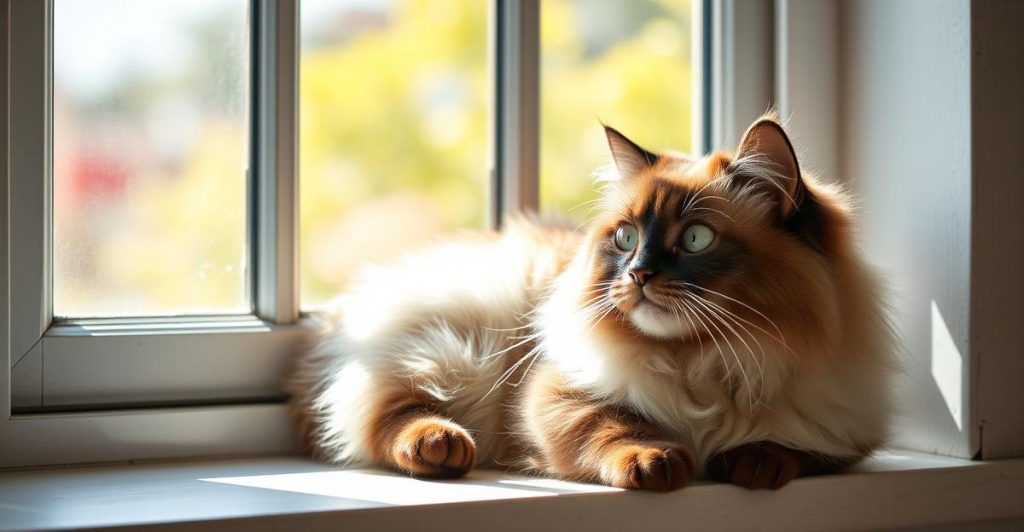

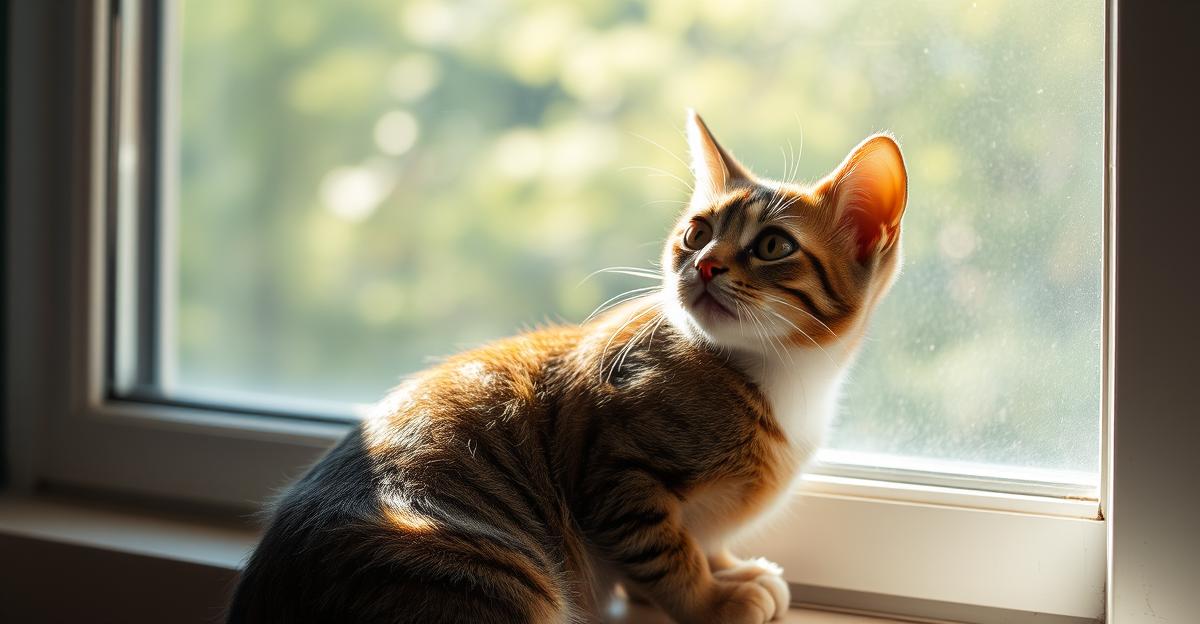
Ever caught your feline friend locked in a silent, unblinking gaze at an empty corner of the room? You might have wondered if your cat is seeing ghosts, plotting world domination, or simply day‑dreaming about the next tuna treat. The truth is far more ordinary—and far more fascinating. The phenomenon of cat staring is a window into a cat’s inner world, revealing everything from instinctual hunting instincts to the subtle signals they use to tell us they’re content, curious, or just a little bored. In this article we’ll explore why your cat stares at nothing, decode the hidden messages behind those intense eyes, and share practical, everyday ideas to keep your whiskered companion happy, engaged, and thriving.
Decoding the Mystery: Why Cats Stare at Nothing
At first glance, a cat’s fixed stare can feel like a supernatural event. In reality, it’s a blend of instinct, sensory perception, and emotional expression. Cats are natural predators, and their eyes are finely tuned to detect even the slightest movement—something a human eye might completely miss. A seemingly empty space might actually hold a tiny dust mote, a flicker of light, or a subtle shift in air currents that triggers a cat’s hunting reflex.
Beyond the predatory drive, cats also use staring as a form of communication. When a cat looks intently at you, it may be signaling trust and affection, especially if the gaze is accompanied by slow blinking. Conversely, a prolonged stare at a wall can indicate that your cat is simply “checking in” on its territory, ensuring everything is as it should be.
Understanding these layers helps you respond in ways that reinforce positive behavior and deepen the bond you share with your furry friend.
The Five Common Triggers Behind Cat Staring
While each cat is an individual, most cat staring episodes fall into a handful of recognizable categories. Recognizing the trigger can turn a puzzling moment into an opportunity for enrichment.
- Invisible prey: Tiny insects, dust particles, or even the movement of sunlight on a wall can captivate a cat’s attention.
- Environmental changes: New furniture, a moved vase, or a different scent can cause a cat to monitor the area closely.
- Social cues: Cats often stare at their humans to gauge mood, request attention, or simply share a moment of connection.
- Comfort zones: A cat may stare at a favorite spot to confirm it’s still safe and comfortable before settling in.
- Curiosity overload: New sounds—like a ticking clock or a distant siren—can spark a cat’s investigative stare.
By paying attention to these triggers, you can anticipate your cat’s needs and provide the right kind of stimulation before the stare turns into boredom.
How to Turn a Stare into Playful Interaction
When you notice a cat staring, it’s often an invitation to engage. Here are some simple, low‑stress ways to transform that fixed gaze into a fun, interactive experience that promotes exercise and mental sharpness.
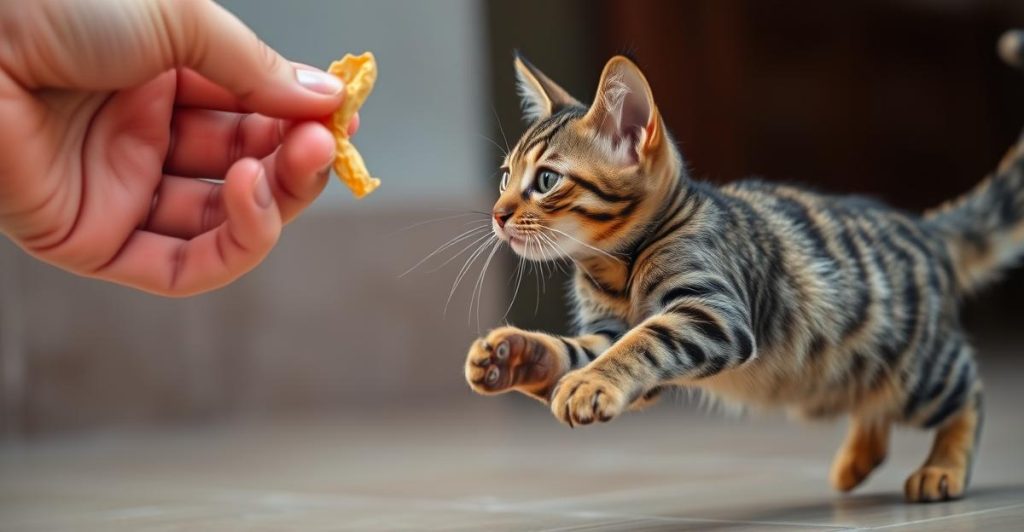
- Laser pointer chase: Gently point a laser dot near the area of focus. Most cats will instinctively pounce, turning a static stare into a burst of activity.
- Feather wand teaser: Move a feather wand slowly across the floor, mimicking the fluttering motion of a moth or bird.
- Interactive puzzle feeder: Place a few kibble pieces inside a treat ball and roll it near the cat’s line of sight. The puzzle encourages problem‑solving while satisfying the hunting instinct.
- Slow blink exchange: Match your cat’s gaze with a slow blink. This “cat kiss” signals affection and can calm a hyper‑focused stare.
- Sound surprise: Gently crinkle a paper bag or shake a small container of catnip‑infused beads. The subtle sound can redirect attention and spark curiosity.
These activities are not only entertaining but also reinforce the bond between you and your cat, making the stare a stepping stone rather than a mystery.
Enriching Your Cat’s Environment for Happy Glances
Preventing excessive or bored staring starts with a well‑designed environment that satisfies a cat’s natural instincts. Below is a quick checklist of enrichment ideas that keep a cat’s mind active and its eyes focused on enjoyable pursuits.
- Vertical territory: Install cat trees, wall shelves, or window perches. Cats love to observe from a height, turning ordinary windows into wildlife theaters.
- Rotating toys: Swap out toys weekly to keep novelty high. Simple items like cardboard tubes, paper balls, and crinkly socks can become favorite “prey.”
- Window views: Place a bird feeder outside a favorite window. The moving birds provide endless visual stimulation without leaving the house.
- Safe outdoor access: If possible, create a secure “catio” or use a harness for supervised outdoor time. Fresh air and natural scents are powerful mental stimulants.
- Scheduled play sessions: Dedicate 10‑15 minutes twice a day for interactive play. Consistency builds routine and reduces random staring episodes.
When a cat feels secure, entertained, and physically exercised, its stare often becomes a purposeful, contented gaze rather than a sign of unease.
Indoor vs. Outdoor Play Activities: A Quick Comparison
| Aspect | Indoor Play | Outdoor Play |
|---|---|---|
| Safety | Controlled environment; no traffic or predators. | Potential exposure to cars, other animals, and weather. |
| Stimulation | Requires creative toys and rotating activities. | Natural scents, birds, insects provide innate stimulation. |
| Space Needs | Can be compact; vertical space maximizes options. | Needs secure, enclosed area or supervised harness walks. |
| Exercise Level | Depends on owner‑initiated play; can be high with interactive toys. | Often higher due to chasing, climbing, and exploring. |
| Weather Impact | Unaffected; consistent year‑round. | Seasonal limitations; heat, cold, rain may restrict access. |
When to Observe and When to Seek Professional Insight
While cat staring is usually harmless, there are moments when a closer look is warranted. As a cat lover, you are the best observer of your pet’s everyday habits. Keep an eye out for patterns that deviate from the norm, such as:
- Staring accompanied by excessive vocalization or agitation.
- Sudden changes in the frequency or duration of staring episodes.
- Staring that seems to be linked with avoidance of food, water, or the litter box.
If any of these signs appear, a gentle conversation with a licensed veterinarian can provide peace of mind and ensure that your cat’s general wellness remains on track. Remember, the goal is to celebrate the quirks that make cats unique while maintaining a happy, healthy environment.
Frequently Asked Questions
Why does my cat stare at me when I’m eating?
Many cats associate humans with food. A lingering stare often means “I’m interested—what’s on the plate?” Try offering a small, cat‑safe treat or use the moment to practice the slow‑blink exchange, reinforcing a calm, affectionate connection.
Is it normal for a cat to stare at a wall for several minutes?
Yes, it’s quite common. Cats may be tracking tiny movements, light reflections, or simply taking a moment to “check the perimeter.” Providing additional visual enrichment, like a bird feeder outside a window, can satisfy this instinctual monitoring.
Can I train my cat to stop staring at nothing?
Rather than trying to stop a natural behavior, redirect the focus. Use interactive toys, puzzle feeders, or scheduled play sessions to channel the cat’s attention into purposeful activity. Consistent redirection often reduces idle staring over time.
My cat stares at me and then suddenly runs away. What does that mean?
This is a classic “predatory pause.” Your cat may be planning a playful ambush, especially if you’re moving or handling objects. It’s a sign of excitement and engagement—perfect timing for a quick feather wand chase!
Disclaimer: This article is intended for informational and entertainment purposes only. It does not replace professional veterinary advice. Always consult a qualified vet for your cat's health and dietary needs.