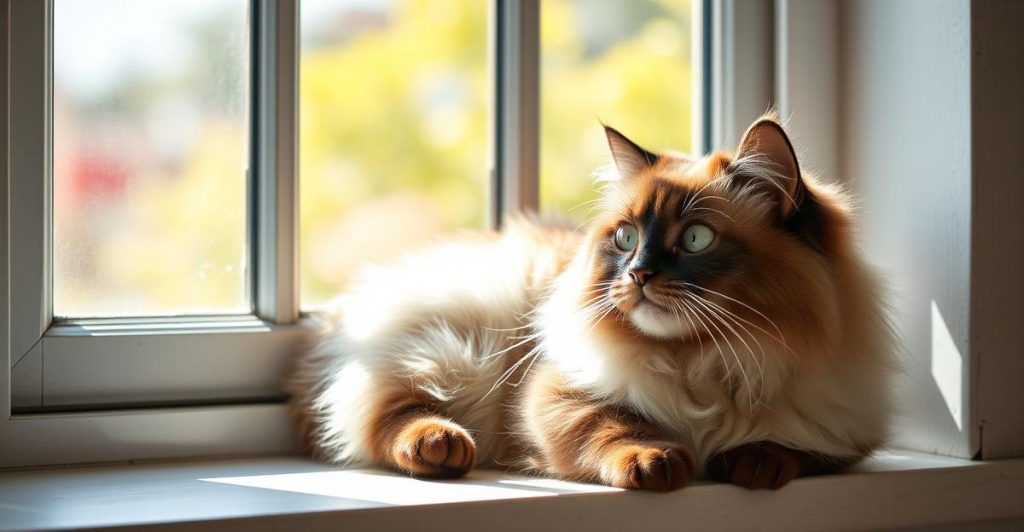

There’s something undeniably charming about a Persian cat that loves to chase a feather wand, pounce on a crinkly ball, or sprint across the living room carpet. If you’ve ever wondered how to keep that fluffy companion buzzing with joy, you’re in the right place. In this guide we’ll explore the world of the Playful Persian, uncover their unique quirks, and share practical tips that turn everyday moments into unforgettable fun. Whether you’re a seasoned cat parent or just welcomed a Persian kitten into your home, the strategies below will help you nurture a happy, healthy, and delightfully active feline friend.
Understanding the Playful Persian Personality
Persians are often celebrated for their luxurious coats and regal demeanor, but many owners discover an unexpected side: a love for interactive play. While they may not be the most acrobatic breed, their playful spirit shines through in gentle pouncing, soft batting, and occasional bursts of energy known as “zoomies.” Recognizing these traits helps you tailor activities that match their temperament.
- Gentle Energy: Unlike high‑octane breeds, Persians prefer low‑impact games that don’t overexert their delicate frames.
- Curiosity‑Driven Play: A simple cardboard tunnel or a moving laser dot can spark hours of investigation.
- Bond‑Oriented Interaction: They thrive on games that involve you, reinforcing trust and companionship.
By observing when your Persian shows interest—whether it’s a flick of the tail or a soft meow—you can pinpoint the perfect moments to engage them in play.
Enriching Your Persian’s Environment
A stimulating environment is the cornerstone of a contented Persian. Simple changes around the house can transform a quiet corner into a wonderland of discovery.
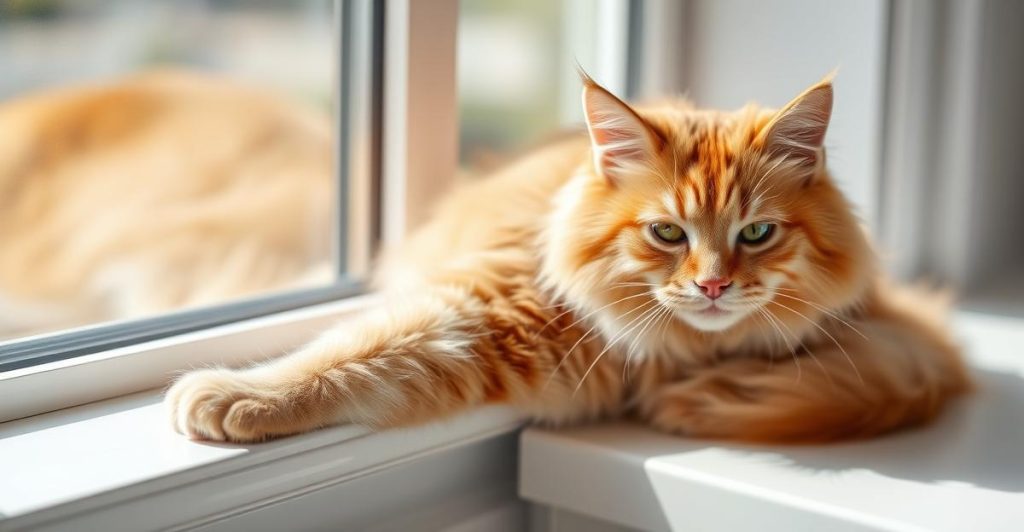
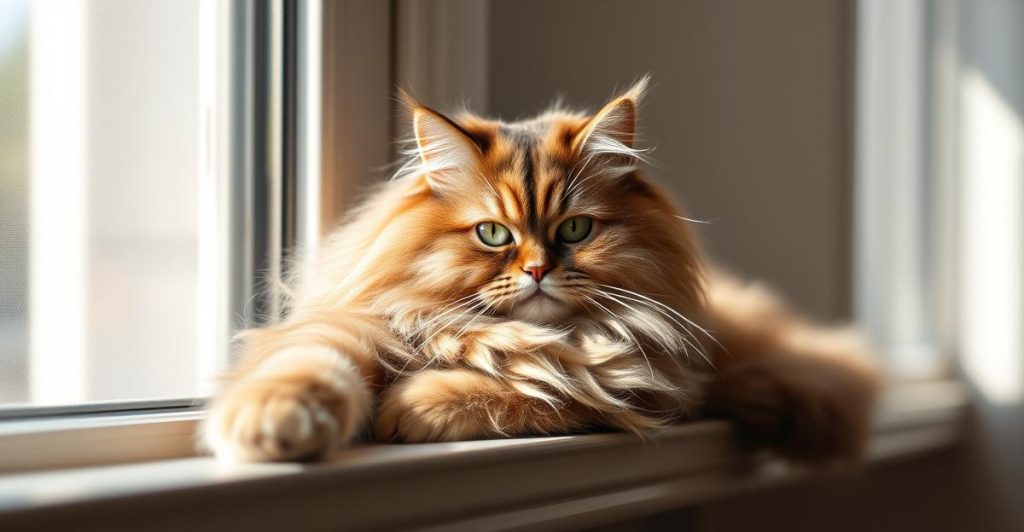
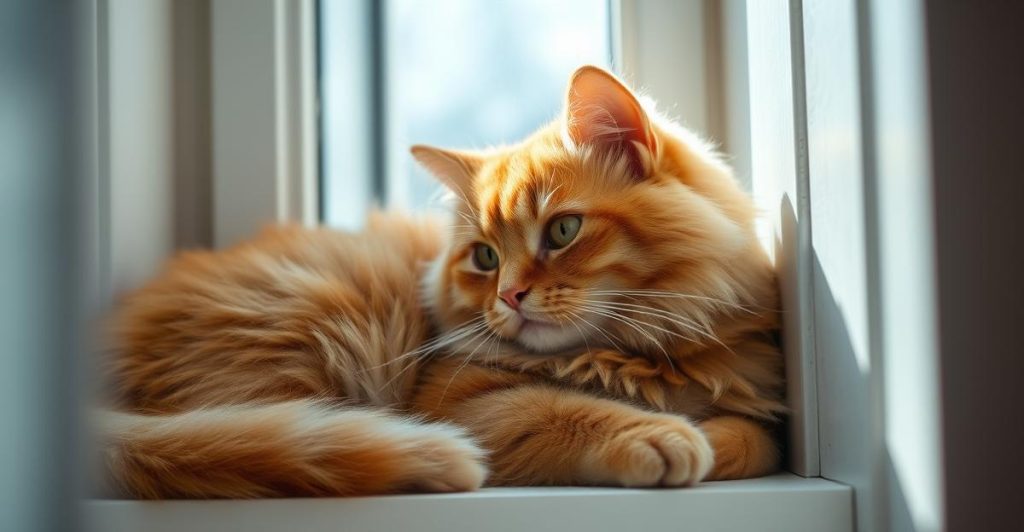
- Vertical Spaces: Install sturdy cat trees or wall‑mounted shelves. Even a shallow perch near a sunny window invites your Persian to observe and relax.
- Interactive Toys: Rotate feather wands, crinkle balls, and puzzle toys every few days to keep novelty high.
- Safe Hiding Spots: Provide soft, covered beds or fabric tunnels where your cat can retreat and then re‑emerge for a surprise game of chase.
- Window Entertainment: Place a bird feeder outside a favorite window. The fluttering birds become a natural, stress‑free visual stimulus.
Remember, the goal isn’t to overwhelm but to offer choices. A well‑curated space encourages your Persian to explore at their own pace, fostering confidence and joy.
Grooming and Wellness Routines for a Happy Cat
Regular grooming isn’t just about a glossy coat; it’s a bonding ritual that promotes overall well‑being. For the Playful Persian, a consistent routine can also serve as a calming pre‑play wind‑down.
- Daily Brushing: Use a wide‑tooth comb to gently detangle the long fur, reducing mat formation and keeping the coat sleek.
- Weekly Bathing (Optional): A gentle, cat‑safe shampoo once a month can refresh the skin without stripping natural oils.
- Nail Trimming: Trim the front claws every 2‑3 weeks to prevent snagging on toys and furniture.
- Dental Care: Offer soft dental treats or a silicone finger brush a few times a week to maintain fresh breath.
- Hydration Stations: Place a ceramic water bowl in a quiet area; some Persians prefer moving water, so a small fountain can encourage sipping.
These habits not only keep your Persian looking regal but also reinforce a sense of security, making them more receptive to play sessions.
Feeding and Hydration Habits
Nutrition fuels play, and a well‑balanced feeding schedule supports the gentle energy bursts typical of a Playful Persian. While specific diet choices depend on individual preferences, the following guidelines help maintain optimal vitality.
- Consistent Meal Times: Offer two to three small meals daily to keep energy levels steady.
- High‑Quality Protein: Choose foods with real meat as the first ingredient; this supports muscle tone for those spontaneous sprints.
- Moisture Boost: Mix a spoonful of wet food or a splash of low‑sodium broth into dry kibble for added hydration.
- Fresh Water Access: Change water daily and consider a cat‑friendly fountain to entice frequent drinking.
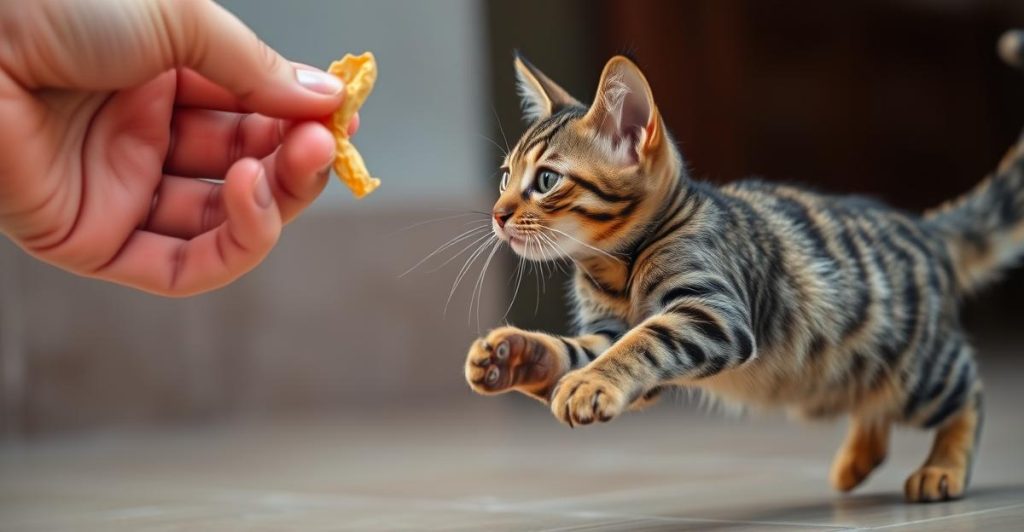
- Healthy Treats: Use freeze‑dried chicken bites or cat‑mint infused toys as reward incentives during training.
By aligning feeding habits with playtimes—such as offering a light snack before a morning game—you’ll notice a brighter, more engaged Persian.
Indoor Play vs. Outdoor Play Activities
| Aspect | Indoor Play | Outdoor Play |
|---|---|---|
| Safety | Fully controlled environment; no traffic or predators. | Potential exposure to insects, weather, and other animals. |
| Stimuli Variety | Can use toys, tunnels, and interactive gadgets. | Natural sights, sounds, and scents provide rich sensory input. |
| Space Requirements | Compact; suitable for apartments. | Requires secure, fenced area or supervised leash walks. |
| Grooming Impact | Less dirt and debris on coat. | May increase shedding and need for post‑play brushing. |
| Energy Expenditure | Short bursts; ideal for gentle exercise. | Longer, more vigorous activity; can tire out a Playful Persian quickly. |
Training and Interactive Play Techniques
Training a Persian isn’t about obedience; it’s about channeling their innate curiosity into constructive activities. Positive reinforcement and short, consistent sessions work best.
- Clicker Introduction: Pair a soft click with a treat to mark desired behavior, such as “sit” or “touch the wand.”
- Target Training: Use a small stick or laser pointer to guide your cat to specific spots, encouraging movement across the room.
- Puzzle Feeders: Fill a treat‑dispensing ball with kibble; your Persian must roll it to release food, merging feeding with play.
- Gentle Tug‑of‑War: Offer a soft rope toy; let your cat tug lightly, then reward calm release.
- Scheduled Play Sessions: Aim for 10‑15 minutes twice daily—morning and evening—to align with natural activity peaks.
Remember to end each session on a positive note. A brief cuddle or a soft petting moment reinforces the bond and leaves your Persian eager for the next round of fun.
Socialization and Bonding: Building Trust Through Play
Persians are known for their affectionate nature, but they also appreciate personal space. Balancing gentle interaction with respect for their boundaries creates a deep, lasting connection.
- Reading Body Language: A relaxed tail, slow blink, or soft purr signals readiness for play; flattened ears or a twitching tail may indicate overstimulation.
- Quiet Time Together: After a lively game, settle on the couch with a soft blanket; gentle strokes help transition to relaxation.
- Shared Rituals: A nightly “wind‑down” routine—soft music, dim lighting, and a brief grooming session—signals the day’s end.
- Guest Introduction: Allow visitors to sit calmly and offer a treat; this teaches your Persian that new faces can be a source of pleasant surprises.
- Multi‑Cat Harmony: If you have more than one cat, provide separate play zones to avoid competition and ensure each Persian gets individualized attention.
Through consistent, loving interaction, your Playful Persian will view you as a trusted playmate and confidant, resulting in a happier, more expressive companion.
Frequently Asked Questions
Do Persians need a lot of exercise?
While they aren’t high‑energy jumpers, Persians enjoy short bursts of activity. Regular, gentle play sessions keep them fit, prevent boredom, and support a shiny coat.
How often should I groom my Persian to keep their coat healthy?
Daily brushing is ideal for preventing tangles. A thorough comb‑through each evening, followed by a quick check for mats, helps maintain the luxurious fur without causing stress.
Can I let my Persian explore the outdoors?
Outdoor access can provide enriching sensory experiences, but it should be supervised. A secure, fenced yard or a cat harness walk ensures safety while allowing your Persian to satisfy natural curiosity.
What are the best toys for a Playful Persian?
Soft feather wands, crinkly balls, puzzle feeders, and interactive laser pointers are top choices. Rotate toys regularly to keep interest high and avoid monotony.
Disclaimer: This article is intended for informational and entertainment purposes only. It does not replace professional veterinary advice. Always consult a qualified vet for your cat's health and dietary needs.