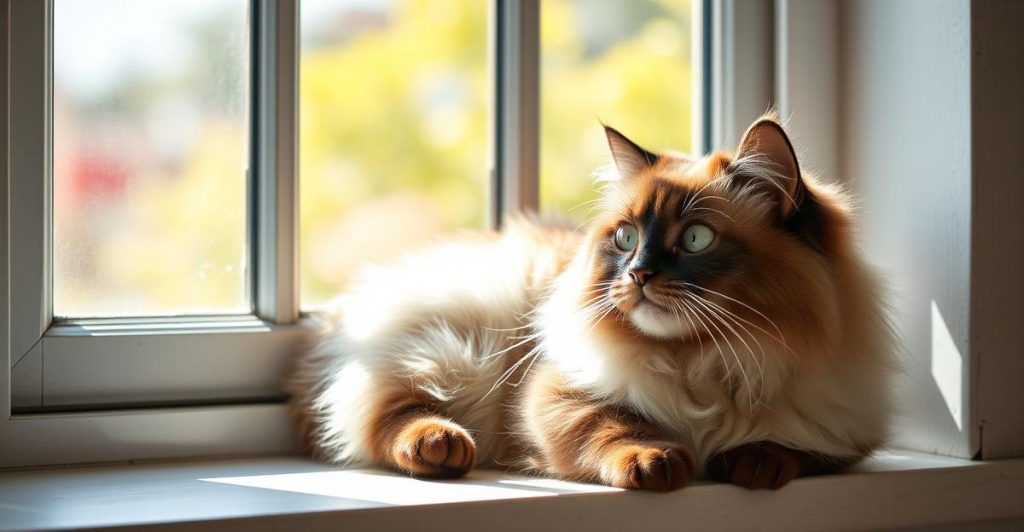

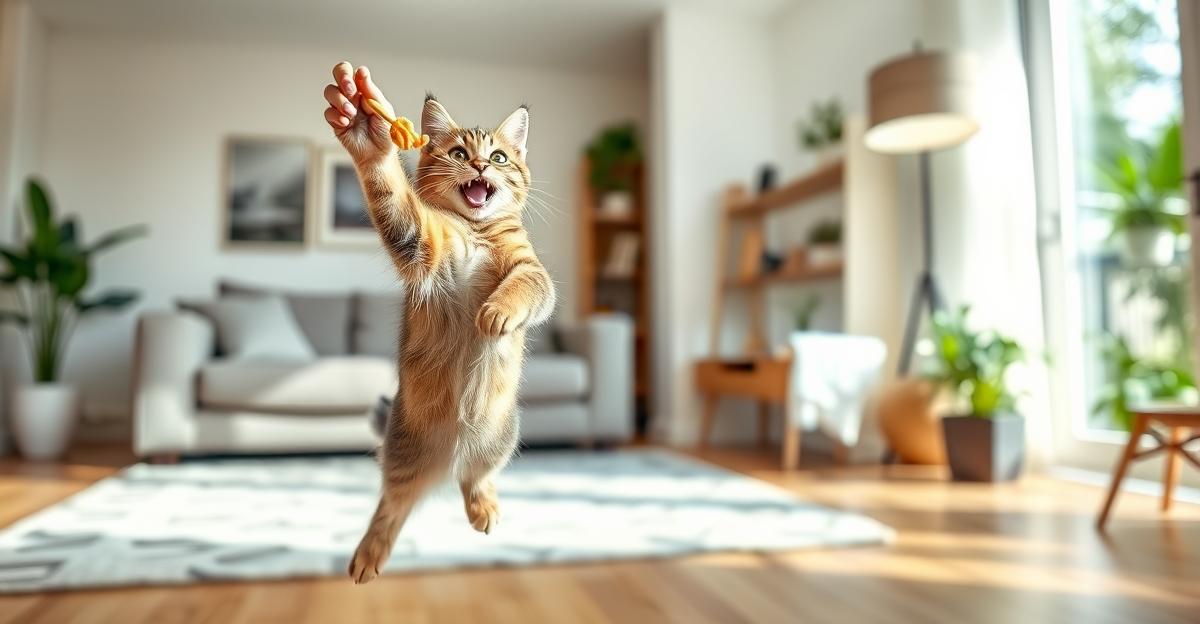
Picture this: you’re sipping coffee on a lazy Sunday morning when your fluffy companion darts across the room, pausing only to stare at you with those big, inquisitive eyes. You call, “Here, buddy!” and—miracle of the day—your cat trots over, tail high, ready for a cuddle. That moment of connection is the magic of cat recall training, and it doesn’t have to be a rare trick reserved for the most obedient felines. With a sprinkle of patience, a dash of playfulness, and a few engaging games, you can teach any cat to come when called, turning everyday interactions into joyful bonding sessions. Let’s explore how to turn the simple act of “come here” into a fun, rewarding adventure for both you and your whiskered friend.
Understanding Your Cat’s Natural Instincts
Before diving into games, it helps to recognize why cats sometimes seem indifferent to our voices. Unlike dogs, cats are solitary hunters by nature; their survival once relied on stealth and independence. This ancestral background means that a cat’s response to a call is often linked to motivation rather than obedience. If the reward aligns with a cat’s interests—whether it’s a tasty treat, a favorite toy, or a cozy lap—the likelihood of a prompt response skyrockets. By tapping into these innate preferences, you can shape a recall behavior that feels rewarding, not demanding.
- Curiosity: Cats love exploring new things. Introducing novelty into recall training keeps them engaged.
- Play Drive: A playful mindset makes a cat eager to chase, pounce, and return for more fun.
- Comfort: A safe, calm environment reduces anxiety, making it easier for a cat to focus on your call.
Setting the Stage: Preparing a Positive Environment
A successful training session starts with the right setting. Choose a quiet room free from loud appliances, open doors, or other pets that could distract your feline. Make sure the space is safe for a little sprint—no slippery rugs or sharp objects. Having a few high‑value treats (like tiny pieces of cooked chicken or commercial cat treats) on hand will serve as immediate positive reinforcement. If you prefer a non‑food reward, a brief session of gentle petting or a favorite feather wand can work wonders.
- Clear the floor of clutter that could cause tripping.
- Keep a small stash of treats within arm’s reach.
- Use a consistent cue word or phrase, such as “come” or “here,” paired with a gentle hand signal.
- Start with short sessions (5‑10 minutes) to keep your cat’s attention.
Fun Games to Teach the Recall
Games transform training from a chore into a playful bonding experience. Below are five engaging activities that naturally encourage your cat to come when called.
1. Hide & Seek
Begin by letting your cat see you hide a treat or a favorite toy behind a piece of furniture. Call your cat’s name in a cheerful tone. When they locate the hidden treasure and trot back to you, reward them with praise and an extra treat. Gradually increase the difficulty by hiding the item farther away or behind more challenging obstacles.
2. The Treat Trail
Lay a short line of tiny treats leading from a starting point back to you. As your cat follows the scent trail, call their name intermittently. When they reach the end, celebrate with a gentle petting session. This game reinforces the idea that coming to you leads to a rewarding finish line.
3. Laser Tag Recall
Use a laser pointer to create a dynamic chase. After a few seconds of darting around, point the laser toward yourself and call your cat’s name. Most cats will instinctively follow the moving dot and, if the cue is consistent, will associate the call with a fun game ending at your side.
4. Clicker Cue (Optional)
If you’re comfortable with a clicker, pair the click sound with a treat the moment your cat arrives after hearing the recall cue. Over time, the click becomes a secondary signal that your cat loves, strengthening the recall response.
5. The “Come” Sprint
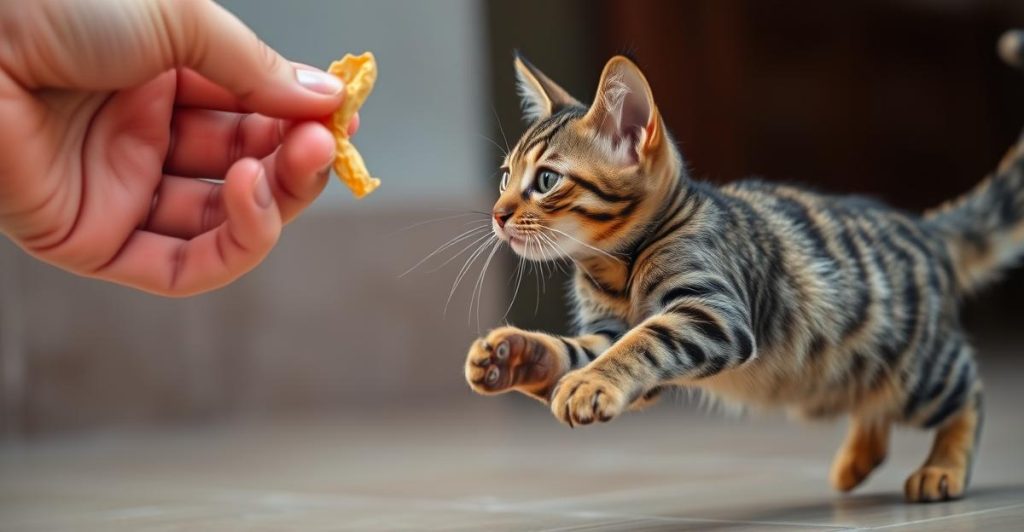
Stand a short distance away, hold a treat above your head, and call your cat. When they dash toward you, gently lift the treat higher to encourage a quick approach. Celebrate the sprint with a brief cuddle or a few seconds of gentle stroking, then give the treat.
Reinforcing the Recall with Consistency
Consistency is the cornerstone of any training program. By repeating the same cue, tone, and reward, you create a clear association in your cat’s mind. Here are some practical tips to embed recall into your daily routine:
- Daily Mini‑Sessions: Incorporate a quick 2‑minute recall practice before meals or bedtime.
- Random Timing: Vary the timing of recall calls so your cat doesn’t expect it only at specific moments.
- Positive Tone: Use an upbeat, friendly voice—cats respond better to enthusiastic tones than stern commands.
- Gradual Distance Increase: Start close, then slowly expand the distance as your cat becomes more reliable.
- Mix Rewards: Alternate between treats, petting, and short play bursts to keep motivation high.
Troubleshooting Common Challenges
Even the most dedicated cat owners encounter hiccups. Below are common obstacles and practical solutions.
- Distractions: If a window bird or a noisy vacuum diverts attention, pause the session and wait for a quieter moment.
- Shy or Fearful Cats: Begin training in a smaller, enclosed room where the cat feels secure. Use soft, reassuring language.
- Overexcitement: Some cats may become overly aroused during play, making it hard to settle. End the session with a calming petting routine.
- Inconsistent Responses: Keep a training log to track which cues, treats, or environments yield the best results, then replicate those conditions.
Tracking Progress and Celebrating Success
Seeing improvement fuels motivation—for both you and your cat. Create a simple progress chart that notes the date, distance, cue used, and reward type. Celebrate milestones with a “Recall Party”: a short play session, a favorite treat, or a new toy. Remember, the goal is to make coming when called a pleasant, rewarding experience, not a stressful obligation.
Comparison Table: Indoor vs. Outdoor Play Activities
| Activity | Benefits | Ideal For |
|---|---|---|
| Feather Wand Chase | Boosts agility, strengthens bond, low mess | Active indoor cats, beginners |
| Laser Pointer Sprint | High‑intensity cardio, stimulates predatory instincts | Energetic cats, short training bursts |
| Cat‑Friendly Tunnel Exploration | Encourages curiosity, provides safe hiding spots | Shy or nervous cats, confidence building |
| Outdoor Leash Walk (with harness) | Fresh scents, mental stimulation, safe outdoor exposure | Confident indoor‑outdoor cats, supervised sessions |
| Interactive Puzzle Feeders | Promotes problem‑solving, slows eating, mental enrichment | Food‑motivated cats, solo play |
FAQ
How long does it usually take for a cat to reliably come when called?
Every cat is unique. Some may respond after a few short sessions, while others might need several weeks of consistent practice. Patience, positive reinforcement, and short, frequent training bouts typically yield the best results.
Can I use my cat’s name as the recall cue, or should I choose a different word?
Using your cat’s name is perfectly fine, especially if you pair it with a distinct tone or hand signal. The key is consistency—always use the same word and tone so your cat learns the exact cue you intend.
What if my cat ignores the recall cue during playtime?
Pause the game, give a brief break, and then try again with a higher‑value reward (like a favorite treat). Sometimes a short reset helps the cat refocus on the training objective.
Is it okay to use food treats for recall training if my cat is overweight?
Yes, as long as you keep the treat portions tiny—about the size of a pea—and balance them with regular meals. You can also substitute with non‑food rewards such as extra petting or a quick play session.
Disclaimer: This article is intended for informational and entertainment purposes only. It does not replace professional veterinary advice. Always consult a qualified vet for your cat's health and dietary needs.