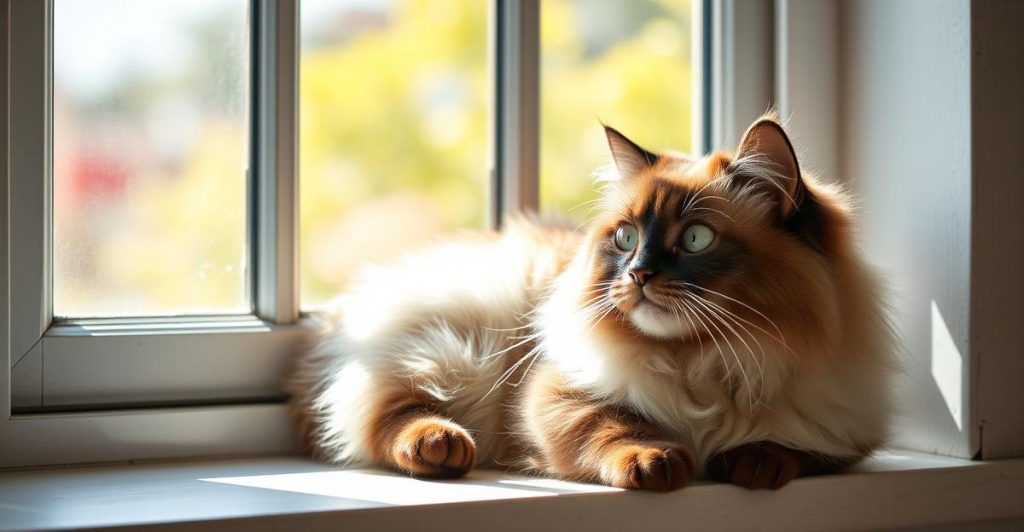

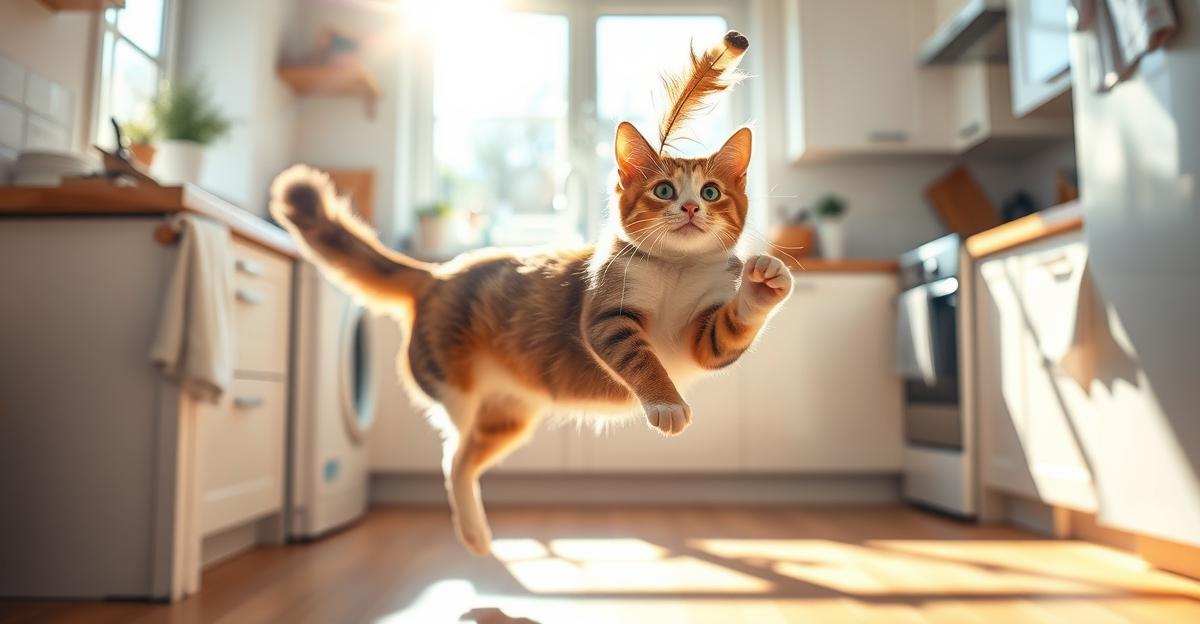
There’s nothing quite like the sight of a cat darting across the living room, pouncing on a feather wand, or perched proudly on a sunny windowsill, eyes bright with curiosity. Those moments of pure, unbridled joy are the heartbeats of a happy home, and they’re all within reach when you nurture a joyful cat activity routine. Whether you’re a first‑time cat parent or a seasoned feline enthusiast, this guide will walk you through simple, everyday strategies that keep your whiskered companion lively, content, and thriving—without ever stepping into medical territory.
Understanding Your Cat’s Natural Play Instincts
Domestic cats are descended from skilled hunters who spent hours stalking, pouncing, and leaping in the wild. Even the most pampered indoor cat retains that primal urge to chase and explore. Recognizing these instincts is the first step toward fostering a lifestyle that satisfies their need for movement and mental stimulation.
- Stalk‑and‑pounce cycles: Cats love short bursts of high‑energy activity followed by a period of rest.
- Vertical territory: Climbing and perching give them a sense of safety and a view of their domain.
- Interactive curiosity: New textures, sounds, and moving objects keep their minds sharp.
When you align daily routines with these natural patterns, you’ll notice a calmer, more content feline who seeks out play rather than waiting for you to initiate it.
Designing a Stimulating Home Environment
A cat’s playground doesn’t have to be a costly, elaborate setup. Small, thoughtful adjustments can transform ordinary spaces into adventure zones that encourage a joyful cat activity mindset.
- Vertical pathways: Install wall‑mounted shelves or a sturdy cat tree. Even a simple bookshelf can become a climbing route.
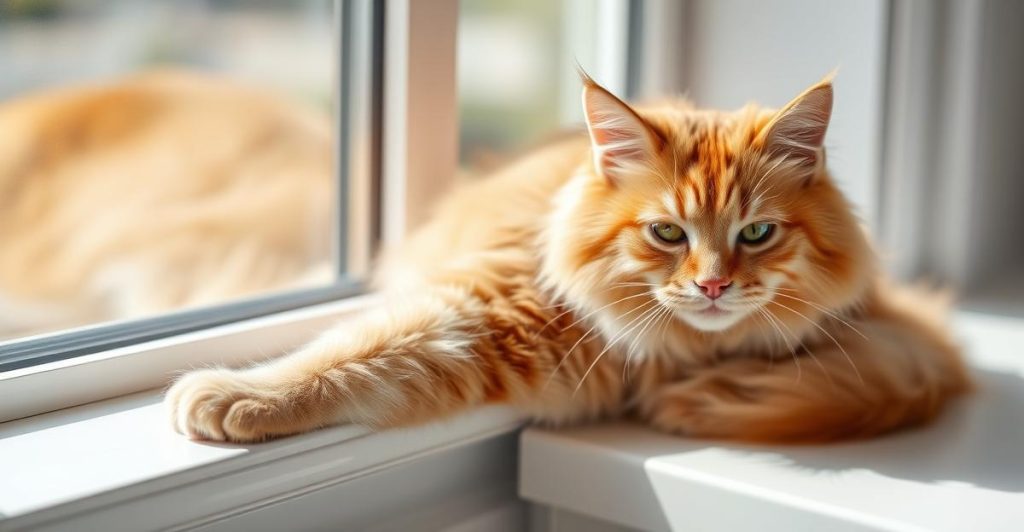
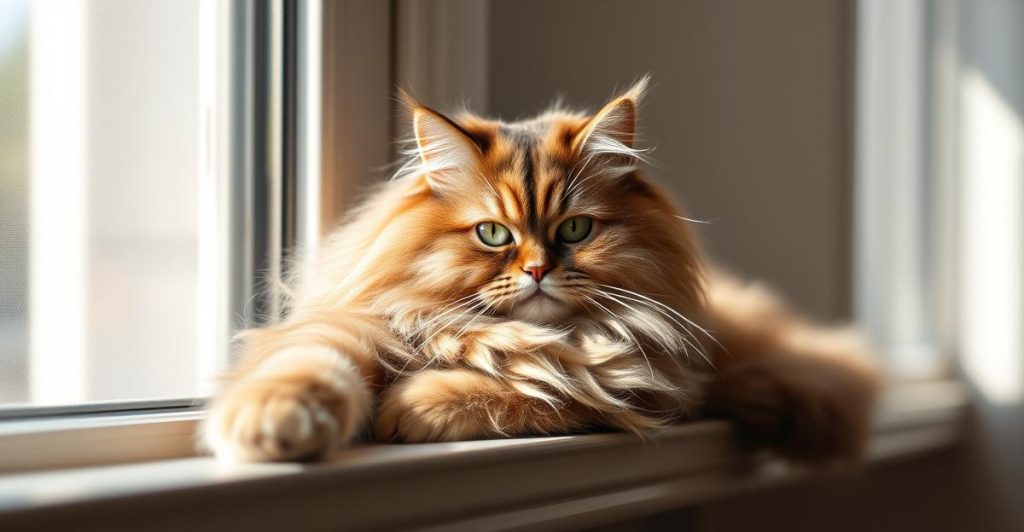
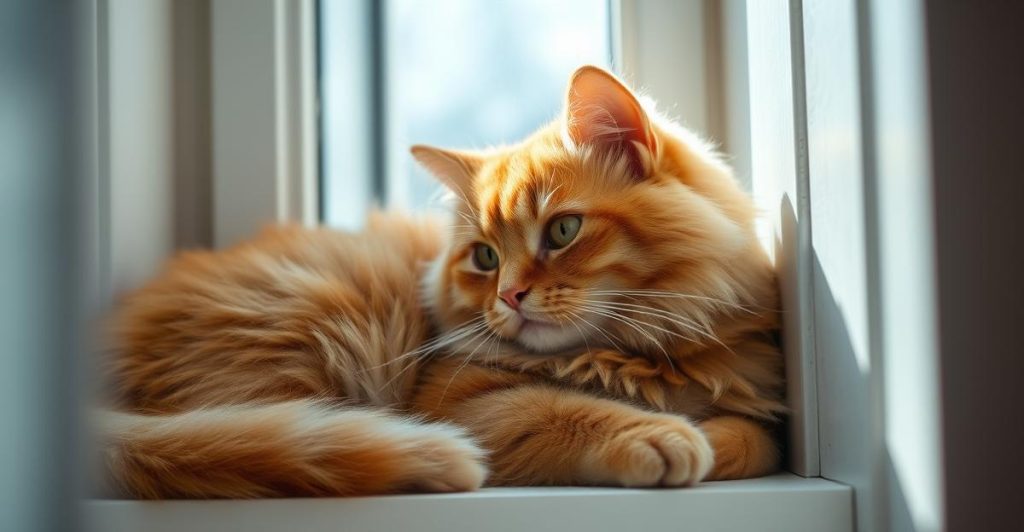
- Window perches: Secure a comfy ledge near a sunny window. Watching birds or passing clouds provides endless visual entertainment.
- Rotating toys: Keep a basket of toys and swap them weekly. Novelty reignites interest and prevents boredom.
- Safe hideaways: Cardboard boxes, paper bags, or a soft cat cave give your cat a place to retreat and observe before launching into play.
By layering these elements throughout your home, you create a dynamic environment that invites spontaneous bursts of activity throughout the day.
Daily Routines That Promote Joyful Activity
Consistency is key. Cats thrive on predictable patterns, and a well‑structured daily routine can turn ordinary moments into opportunities for movement and mental enrichment.
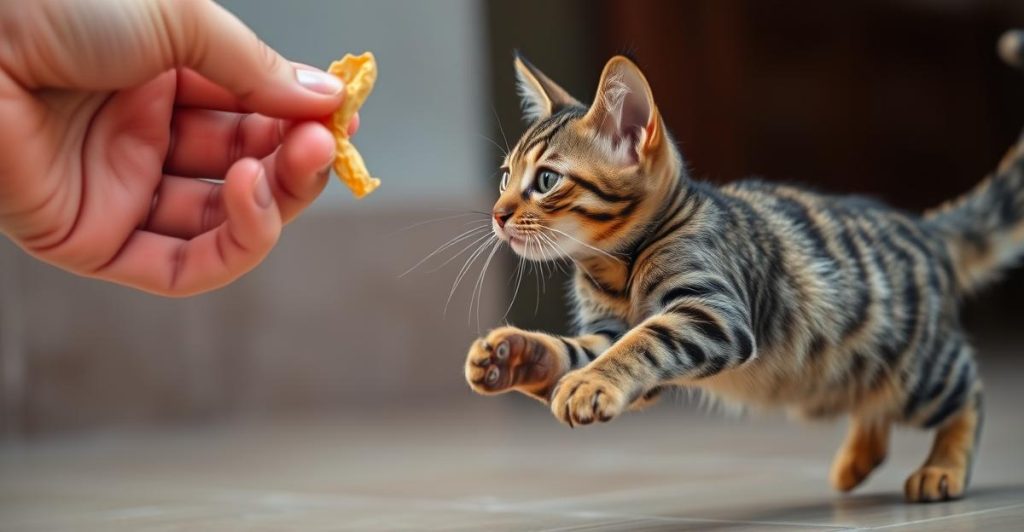
- Morning “hunt” session: Spend 5‑10 minutes after breakfast using a wand toy or laser pointer. Mimic the chase‑and‑catch rhythm of a real hunt.
- Mid‑day interactive break: If you work from home, pause for a quick game between meetings. Even a brief 3‑minute feather swipe can reset both your cat’s energy and your focus.
- Evening wind‑down: Offer puzzle feeders or treat‑dispensing toys after dinner. The mental challenge encourages gentle activity while rewarding your cat.
- Nighttime calm: End the day with a gentle grooming session or a soft brush. Physical contact reinforces bonding and helps your cat settle into a restful sleep.
These bite‑size interactions are easy to fit into any schedule, and they reinforce a habit of regular, joyful movement.
Interactive Toys & DIY Fun
Commercial toys are great, but a little creativity can stretch your budget and deepen the bond with your cat. Below are some low‑cost, high‑fun ideas that spark curiosity and keep the joyful cat activity spirit alive.
- Paper roll tunnels: Cut a few slits into a cardboard tube, sprinkle a bit of catnip, and watch your cat explore the winding maze.
- Feather wand variations: Attach a ribbon, a feather, or even a small bell to a sturdy stick. The added sound and texture increase engagement.
- DIY puzzle feeder: Place dry kibble or treats inside a muffin tin and cover each compartment with a tennis ball. Your cat must bat the ball away to access the reward.
- Crinkle‑paper chase: Crumple a sheet of paper into a ball and toss it across the floor. The rustling sound triggers a natural predatory response.
Rotate these homemade toys with store‑bought favorites to keep the play experience fresh and exciting.
Indoor vs. Outdoor Play: Finding the Right Balance
While many cats thrive entirely indoors, others benefit from supervised outdoor experiences. Below is a quick comparison to help you decide which approach best supports a joyful cat activity lifestyle for your furry friend.
Indoor vs. Outdoor Play Activities
| Aspect | Indoor Play | Outdoor Play (Supervised) |
|---|---|---|
| Safety | Fully controlled environment; no traffic or predators. | Requires a harness or enclosed catio; exposure to weather and wildlife. |
| Stimulation | Can be enriched with toys, climbing structures, and window views. | Natural scents, sounds, and moving prey‑like insects provide varied sensory input. |
| Exercise Intensity | Depends on interactive play sessions and environmental enrichment. | Often higher due to chasing insects, climbing trees, and exploring terrain. |
| Convenience | Available any time; no need for extra gear. | Requires scheduling, leashes, or a safe outdoor enclosure. |
| Social Interaction | Opportunities for family members to join in play. | Potential for encounters with other friendly cats or dogs (under supervision). |
For many households, a hybrid approach works best: a richly equipped indoor space complemented by occasional, safely supervised outdoor excursions in a catio or on a harness.
Seasonal Adjustments for Year‑Round Joy
Weather changes can affect a cat’s willingness to move. Tailor your activity plan to keep the fun flowing regardless of season.
- Winter warmth: Place heated pads near favorite resting spots and use feather toys that glide across carpeted floors, encouraging movement without exposing your cat to cold drafts.
- Spring freshness: Open windows (with screens) for breezy scents, and rotate seasonal toys like faux flowers or lightweight ribbons.
- Summer coolness: Offer frozen treat cubes (water or cat‑safe broth) and set up play sessions on tiled floors or cool mats to prevent overheating.
- Fall coziness: Introduce soft, rustling leaves (cleaned and pesticide‑free) in a shallow tray for tactile exploration.
Adapting play to the climate not only maintains a joyful cat activity routine but also helps your cat stay comfortable and engaged throughout the year.
Frequently Asked Questions
How often should I schedule play sessions for my cat?
Short bursts of 5‑10 minutes, two to three times a day, usually match a cat’s natural activity cycle. Adjust based on your cat’s age and energy level—kittens may want more frequent play, while senior cats appreciate gentler, slower sessions.
Can indoor cats be just as active as outdoor cats?
Absolutely. With a well‑designed environment, varied toys, and regular interactive time, indoor cats can achieve comparable levels of movement and mental stimulation. The key is to keep the environment dynamic and to provide opportunities for climbing, chasing, and problem‑solving.
What are some signs that my cat is enjoying the activity?
Look for relaxed body language, upright ears, a gently swishing tail, and playful pouncing. After a session, a content cat may settle down with a soft purr or a slow blink—both signs of trust and satisfaction.
Is it okay to use laser pointers for daily play?
Laser pointers can be an excellent way to encourage chasing behavior, but always finish the session by directing the light onto a tangible toy or treat so your cat can “catch” something, preventing frustration.
Disclaimer: This article is intended for informational and entertainment purposes only. It does not replace professional veterinary advice. Always consult a qualified vet for your cat's health and dietary needs.