
Create a Stimulating Environment for a Happy Cat
Imagine coming home after a long day and being greeted by a cat who seems genuinely thrilled to see you—a tail that swishes, bright eyes, and a soft purr that fills the room. That feeling is the hallmark of a happy cat, and it starts with the space they call their own. Cats are natural explorers, and even the most laid‑back feline craves a world that sparks curiosity and offers safe hideaways. By curating a home environment that respects their instincts, you lay the foundation for daily joy and well‑being.
Begin with vertical real estate. A sturdy cat tree, wall‑mounted shelves, or even a repurposed bookshelf can become a perch where your cat watches the world from a comfortable height. This simple addition satisfies the innate desire to be above ground level, reduces stress, and encourages gentle stretching.
- Cozy hideaways: Cardboard boxes, fabric tunnels, or a plush cat cave give a sense of security.
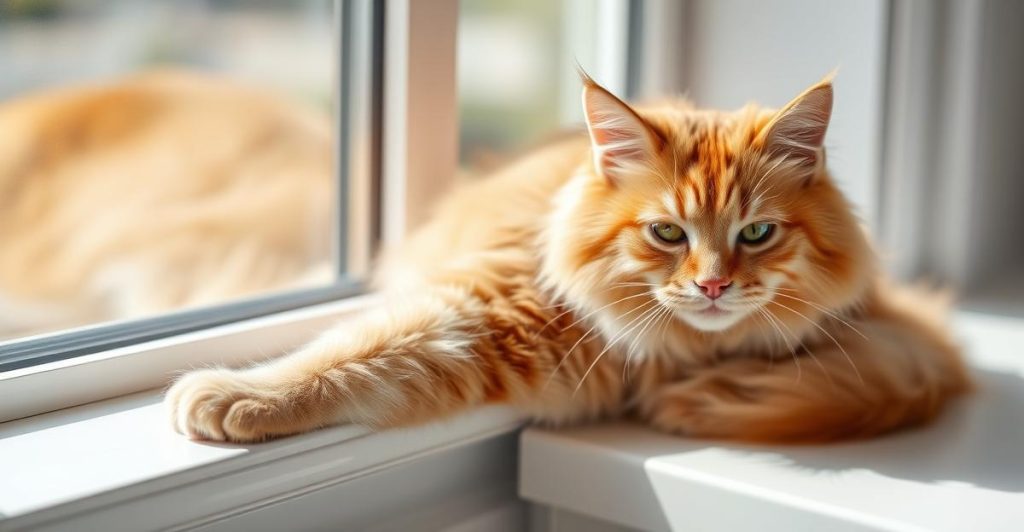
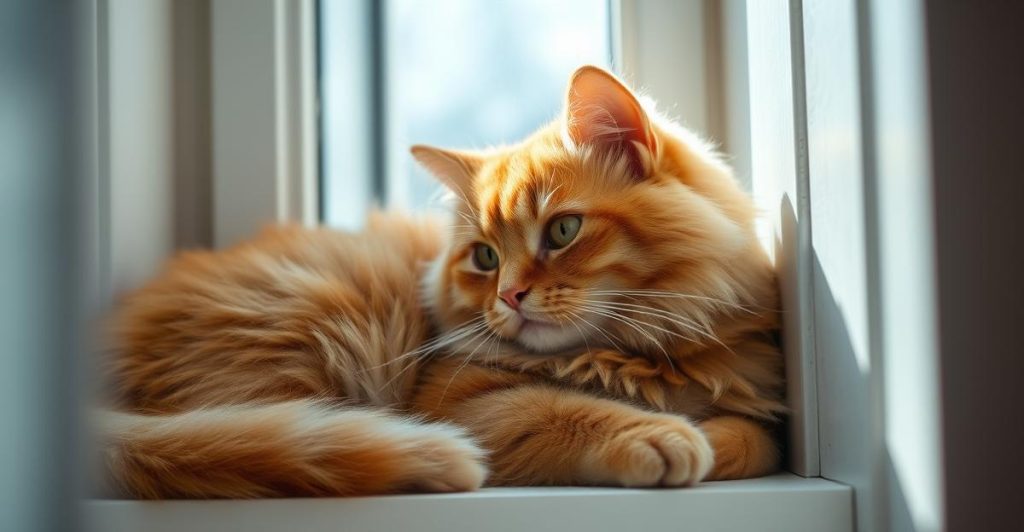
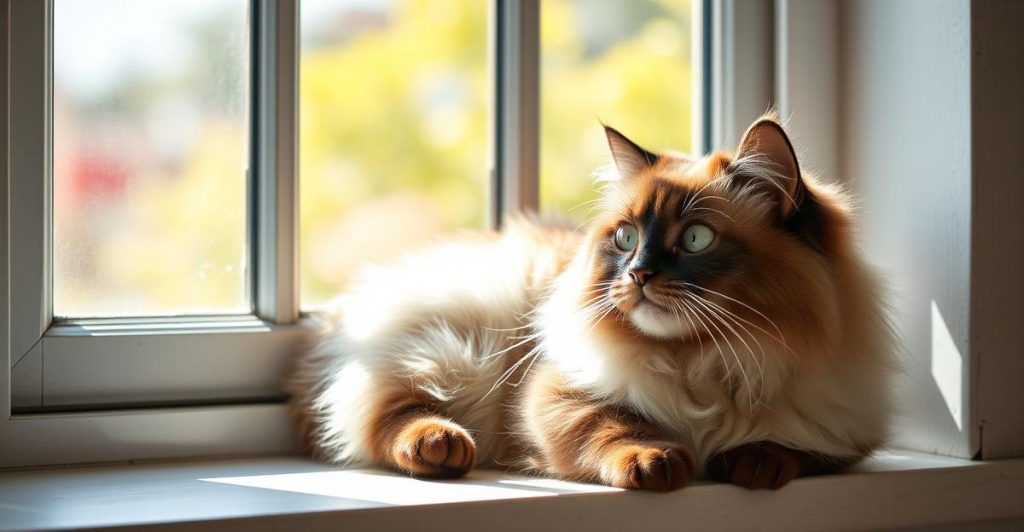
- Window perches: A sunny spot by a window lets a cat observe birds, leaves, and passing people—natural entertainment that keeps the mind active.
- Scratching stations: Offer a variety of textures—sisal, cardboard, and wood—to keep claws healthy and redirect natural scratching behavior.
- Safe rotation of toys: Rotate a handful of toys every few weeks to maintain novelty without overwhelming the space.
Lighting also plays a subtle role. Soft, natural light supports a cat’s circadian rhythm, while a gentle night‑light can help a cat navigate during the early hours without startling them. By paying attention to these details, you create a sanctuary where a happy cat can thrive.
Playtime and Exercise: The Heartbeat of Daily Joy
Play isn’t just a pastime; it’s essential exercise for a cat’s body and brain. Regular, interactive play sessions mimic hunting instincts, providing both physical activity and mental stimulation. The result? A cat that is calmer, more content, and less likely to develop unwanted habits such as over‑grooming or furniture scratching.
Here are six proven play ideas that fit into any busy schedule:
- Feather wand chase: Move the wand in unpredictable bursts, encouraging your cat to pounce, leap, and swat.
- Laser pointer fun: Short bursts of laser movement followed by a tangible toy reward keep the excitement high.
- Interactive puzzle feeders: Fill a treat‑dispensing ball with kibble or small treats; the cat must roll and nudge it to release the goodies.
- Cat‑friendly fetch: Some cats love to retrieve soft balls or crumpled paper—throw a light object and praise when they bring it back.
- DIY obstacle course: Use cushions, tunnels, and low steps to create a mini‑agility track that challenges coordination.
- Evening wind‑down: End the day with a gentle brushing session combined with soft talk; this reinforces calm before bedtime.
Consistency is key. Aim for two to three short sessions (5‑10 minutes each) spread throughout the day. Even a quick 5‑minute burst after you sit down at your desk can make a big difference in your cat’s overall happiness.
Gentle Grooming Routines: A Bonding Ritual
Grooming is more than a cleanliness habit; it’s a powerful way to strengthen the bond between you and your feline companion. A calm, regular brushing session can reduce loose fur, prevent matting, and provide soothing tactile stimulation that many cats find deeply relaxing.
Follow these steps to turn grooming into a cherished routine:
- Choose the right tool: Slicker brushes work well for short‑haired cats, while wide‑tooth combs are gentle on long‑haired breeds.
- Start slow: Begin with short strokes on the back, rewarding your cat with soft praise or a treat after each successful pass.
- Mind the sensitive zones: Avoid the belly and tail base until your cat shows clear comfort; these areas can be ticklish.
- Incorporate massage: Lightly massage the shoulders and neck; many cats respond with a contented purr.
- End with a treat: A small, healthy snack reinforces the positive association.
Grooming also doubles as a health‑check moment. While you’re brushing, you can gently feel for any lumps, bumps, or changes in fur texture. Noticing these subtle differences early can help you keep a watchful eye on overall well‑being, all without venturing into medical diagnosis.
Balanced Feeding Habits for Everyday Joy
Nutrition fuels every purr, leap, and cuddle session. While we won’t prescribe specific diets, we can share practical habits that support a cat’s vitality and contentment. The goal is a routine that satisfies hunger, encourages hydration, and adds a dash of excitement to mealtime.
Consider these everyday feeding tips:
- Consistent schedule: Offer meals at the same times each day; cats thrive on routine and anticipate their next tasty moment.
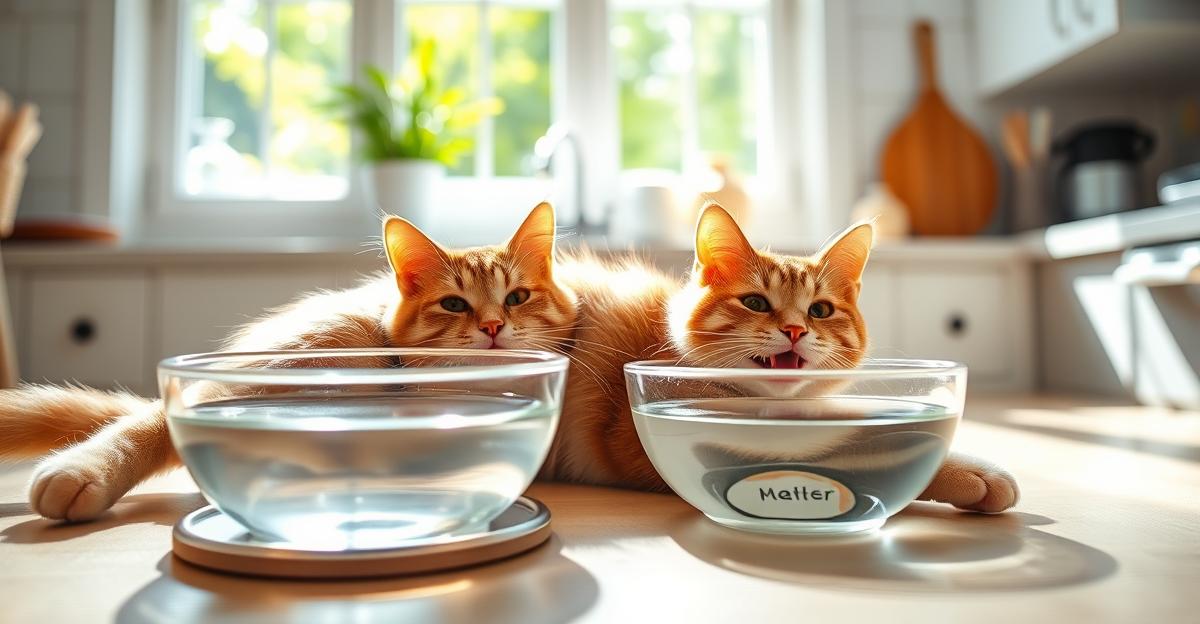
- Fresh water stations: Place multiple water bowls or a cat‑friendly fountain to encourage regular sipping.
- Portion control: Use a measuring cup to keep portions steady, preventing overeating and supporting a healthy weight.
- Interactive bowls: Slow‑feed dishes or puzzle bowls turn eating into a gentle mental challenge.
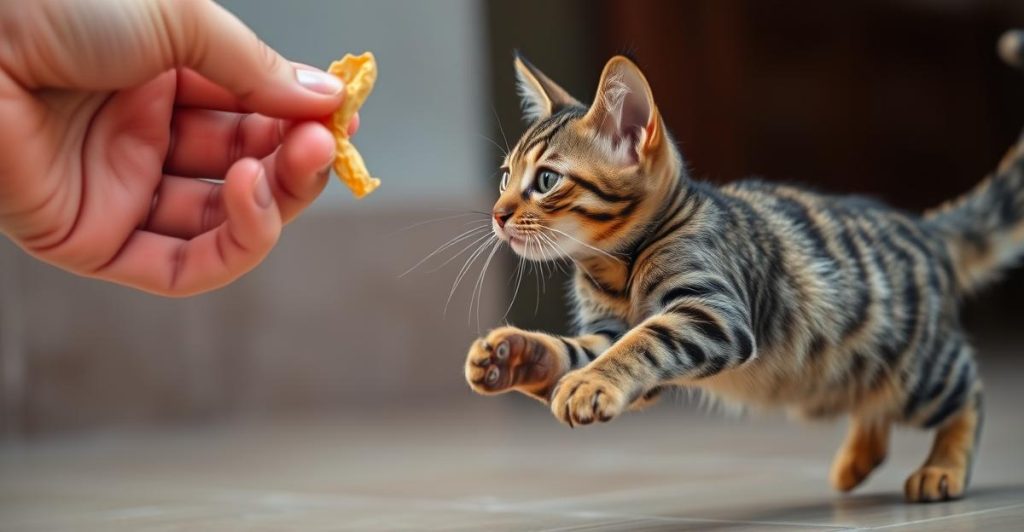
- Occasional treats: Small, cat‑safe treats (like freeze‑dried chicken bits) can be used for training or as a reward after play.
- Observe preferences: Some cats prefer warmed food; a few seconds in the microwave can enhance aroma and make the meal more inviting.
By keeping feeding times predictable and adding a little variety, you nurture a sense of security and excitement—two ingredients that contribute to a truly happy cat.
Strengthen the Bond with Positive Interaction
Beyond toys and food, the emotional connection you share with your cat is the cornerstone of daily happiness. Positive interaction isn’t about forcing affection; it’s about recognizing and responding to the cues your cat gives.
Here are five ways to deepen that connection:
- Respect personal space: Allow your cat to approach you on its own terms; a gentle invitation (soft voice, open hand) works wonders.
- Speak softly: Cats are attuned to tone; calm, melodic speech can soothe and reassure.
- Use the “slow blink”: A slow, deliberate blink mimics a cat’s sign of trust—return the gesture to convey affection.
- Engage in short training sessions: Simple tricks like “sit” or “high five” using clicker training and treats reinforce mental engagement.
- Celebrate small victories: A brief cuddle, a contented purr, or a playful swat are all signals of a satisfied cat—acknowledge them with praise.
When you consistently honor these subtle signals, your cat learns that the world is a safe, rewarding place, leading to a calmer demeanor and a brighter, more playful outlook.
Indoor vs. Outdoor Play Activities: Which Suits Your Cat Best?
| Aspect | Indoor Play | Outdoor Play (Secure Enclosed Area) |
|---|---|---|
| Safety | Fully controlled environment; no traffic or predators. | Requires a secure catio or fenced area; still some exposure to weather. |
| Stimuli Variety | Limited to toys, windows, and household objects. | Natural sounds, scents, and moving shadows enhance sensory enrichment. |
| Exercise Intensity | Can be high with interactive toys and climbing structures. | Often more vigorous due to open space for running and chasing. |
| Convenience | Available any time, regardless of weather. | Dependent on climate and daylight; may require supervision. |
| Social Interaction | Limited to human companions and other indoor pets. | Potential for controlled exposure to other friendly cats or birds (through safe barriers). |
Frequently Asked Questions
How often should I brush my cat to keep them happy?
Most cats enjoy a short brushing session 2‑3 times per week. Long‑haired breeds may benefit from daily grooming, while short‑haired cats often stay comfortable with less frequent brushing. The key is to keep sessions pleasant and end with a treat.
What are the best ways to keep my indoor cat mentally stimulated?
Rotate toys regularly, provide window perches, use puzzle feeders, and schedule short interactive play bouts throughout the day. Adding new textures, such as crinkly paper or feather toys, also keeps curiosity alive.
Can I let my cat explore the backyard safely?
If you have a secure, enclosed catio or a fully fenced area without gaps, short supervised outings can add valuable sensory enrichment. Always check for potential hazards and never leave a cat unsupervised in an open yard.
My cat seems bored—what should I try first?
Introduce a new interactive toy or a simple DIY obstacle course using household items. A brief, energetic play session followed by a gentle grooming routine often reignites enthusiasm.
Disclaimer: This article is intended for informational and entertainment purposes only. It does not replace professional veterinary advice. Always consult a qualified vet for your cat's health and dietary needs.