
Understanding Cat Hairballs and Their Impact on Cat Health
Every cat owner has witnessed that dreaded sight—a fluffy, compact ball of fur that their feline friend has coughed up. While cat hairballs are a natural part of a cat’s grooming routine, they can become a source of anxiety for both pets and owners when they occur frequently. Understanding cat hairballs, why they form, and how to manage them is essential for maintaining optimal cat health and comfort. This guide breaks down the science behind hairball formation, practical prevention strategies, and clear signs that indicate a veterinary visit is needed.
Why Do Cats Develop Hairballs?
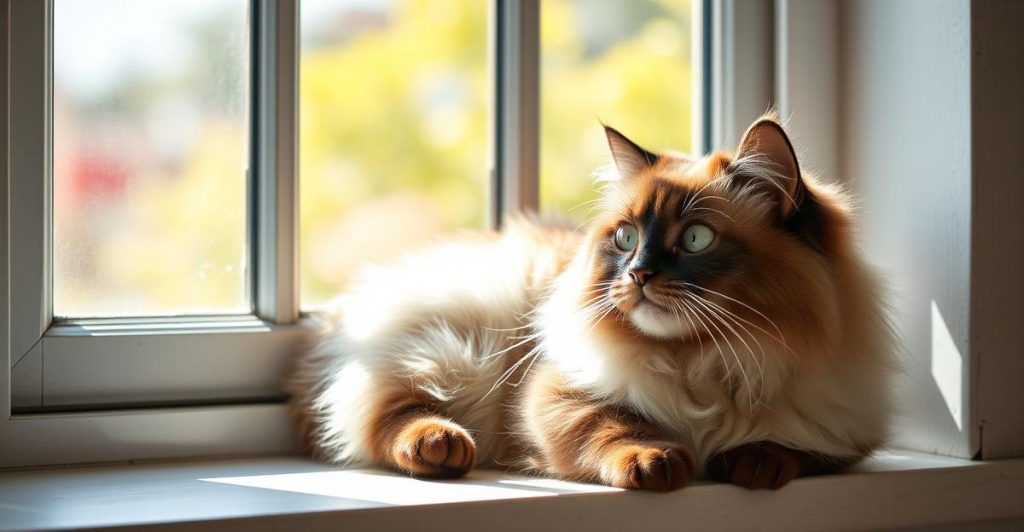
Cats are meticulous groomers, using their rough tongues to remove loose hair and debris from their coats. During grooming, a significant amount of hair is swallowed and travels down the esophagus into the stomach.
Hairball Formation Process
- Ingestion: Rough‑tongued grooming pulls hair into the mouth.
- Accumulation: Hair strands clump together with stomach mucus.
- Movement: Peristalsis pushes the hairball toward the intestines.
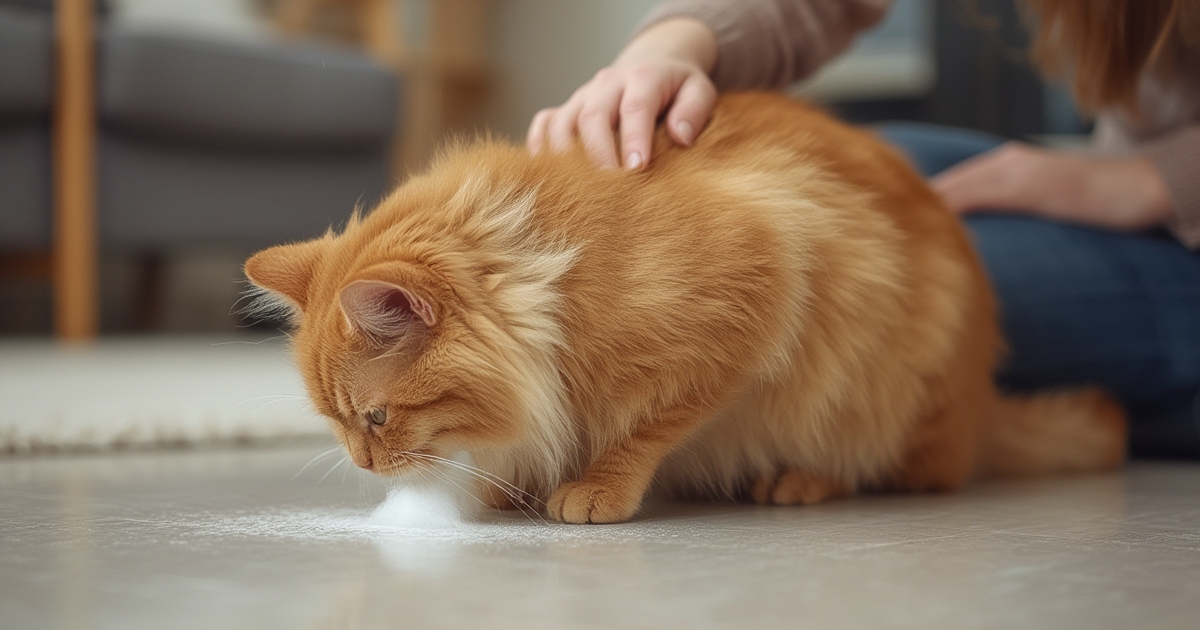
- Expulsion: If the hairball cannot pass through the digestive tract, the cat will vomit it up.
Most cats expel hairballs without issue, but when the hairball is too large or the cat’s digestive motility is slowed, it can cause discomfort, reduced appetite, or even intestinal blockage—a serious cat health concern.
Identifying the Signs of Problematic Cat Hairballs
Not all hairball episodes are cause for alarm. However, certain behaviors signal that a hairball may be affecting your cat’s wellbeing.
- Frequent coughing or retching without producing a hairball.
- Loss of appetite or sudden weight loss.
- Vomiting more than once in a short period.
- Lethargy, constipation, or signs of abdominal pain.
- Visible hairball in the litter box or on the floor.
If you notice any of these signs, it’s time to consult a veterinarian. Early intervention can prevent complications such as intestinal obstruction, which may require surgery.
Preventing Cat Hairballs Through Nutrition and Grooming
Diet and regular grooming are the two most effective tools for reducing the frequency of cat hairballs. By addressing the root causes, you can improve your cat’s overall health and comfort.
Choosing the Right Cat Food
High‑fiber cat foods help move hair through the digestive tract more efficiently. Look for products that contain natural sources of fiber such as beet pulp, pumpkin, or psyllium.
Hydration Matters
Proper hydration softens the hairball and aids its passage. Wet cat food, water fountains, and regular fresh water bowls encourage cats to drink more.
Regular Grooming Practices
- Brush long‑haired cats at least once daily; short‑haired cats benefit from brushing 2–3 times per week.
- Use grooming gloves or deshedding tools to capture loose hair before it’s swallowed.
- Schedule professional grooming sessions for heavy shedders.
Comparison of Dry vs. Wet Cat Food for Hairball Management
| Food Type | Main Benefit | Potential Drawback | Best For |
|---|---|---|---|
| Dry Cat Food (High‑Fiber) | Convenient, long shelf life, promotes dental health | Lower moisture; may not increase overall water intake | Busy owners who need easy storage |
| Wet Cat Food (Moisture‑Rich) | High moisture content aids digestion and hairball passage | Shorter shelf life after opening; can be more expensive | Cats needing extra hydration or with frequent hairballs |
| Mixed Feeding (Dry + Wet) | Combines benefits of both; balanced nutrition and hydration | Requires careful portion control to avoid overfeeding | Owners seeking optimal hairball prevention |
Daily Care Routine to Reduce Hairball Incidence
Integrating a few simple habits into your cat’s daily schedule can dramatically lower the chances of troublesome hairballs.
- Morning Groom: Spend 5–10 minutes brushing your cat before breakfast to remove loose fur.
- Fiber Boost: Add a teaspoon of canned pumpkin or a commercial hairball remedy to your cat’s food once daily.
- Hydration Check: Refresh water bowls twice a day and consider a cat water fountain.
- Playtime: Encourage active play to stimulate gastrointestinal motility.
- Regular Vet Visits: Annual wellness exams help monitor digestive health and catch early signs of hairball complications.
When to See a Veterinarian About Cat Hairballs
Most hairball episodes resolve on their own, but certain red flags warrant immediate veterinary attention.
- Repeated vomiting within 24 hours.
- Visible blood in vomit or stool.
- Signs of severe constipation or inability to pass stool.
- Noticeable abdominal swelling or pain when touched.
- Weight loss exceeding 5% of body weight over a short period.
Veterinarians may recommend diagnostic imaging, prescription hairball diets, or medications that promote intestinal motility. In rare cases, surgical removal of an obstructed hairball may be necessary.
Additional Tips for Indoor Cats to Minimize Hairballs
Indoor cats often have limited exposure to natural grooming aids like sunlight and fresh air, making hairball management especially important.
- Environmental Enrichment: Provide scratching posts, climbing trees, and interactive toys to reduce stress‑induced over‑grooming.
- Air Quality: Use air purifiers to reduce dust and allergens that can trigger excessive licking.
- Seasonal Shedding: Increase brushing frequency during spring and fall when cats shed more heavily.
- Regular Litter Box Maintenance: Clean the litter box daily to monitor any unusual vomiting or hairball patterns.
Frequently Asked Questions (FAQ)
How often should I brush my cat to prevent hairballs?
For short‑haired cats, brushing 2–3 times per week is sufficient. Long‑haired breeds benefit from daily brushing to remove loose fur before it’s swallowed.
Can hairball remedies be given to kittens?
Most over‑the‑counter hairball products are safe for kittens older than 12 weeks, but always consult your veterinarian before adding any supplement to a kitten’s diet.
Why does my cat cough after eating?
Coughing after meals can be a sign that hair has accumulated in the stomach. Providing a high‑fiber diet and ensuring your cat drinks enough water can help reduce this issue.
Is it normal for a cat to vomit hairballs every week?
Occasional hairball vomiting is normal, but weekly episodes may indicate a dietary deficiency, inadequate hydration, or excessive grooming. Review your cat’s diet and grooming routine, and discuss with your vet if the frequency doesn’t improve.
Can I give my cat a laxative for hairballs?
Veterinary‑approved laxatives can be used short‑term, but they should not replace a balanced diet and regular grooming. Always follow your vet’s dosage instructions.
Do indoor cats need special hairball prevention compared to outdoor cats?
Indoor cats often have less natural movement and may groom more due to boredom, so they typically require more frequent brushing, higher‑fiber diets, and additional hydration strategies.