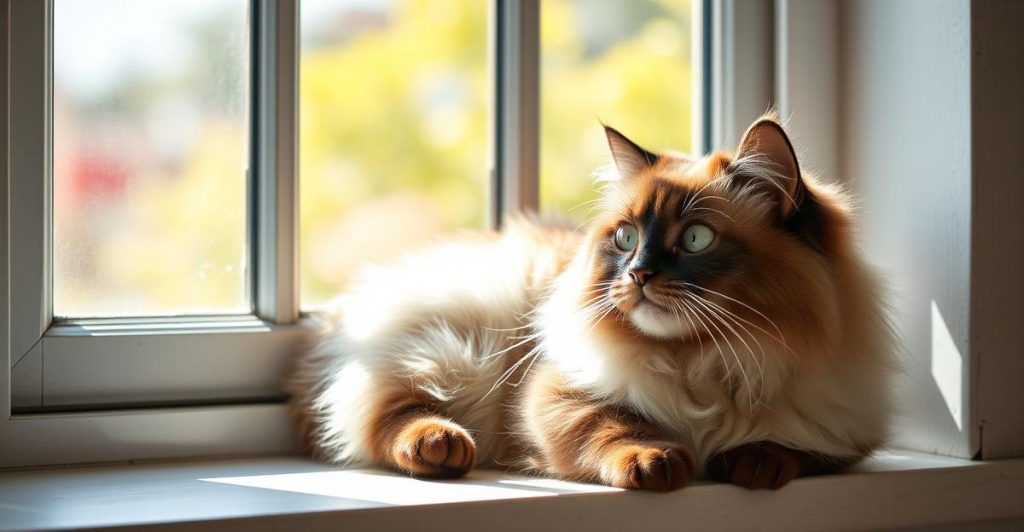

Hydration Hacks for Happy Cats
Imagine coming home after a long day to find your whiskered companion perched by the kitchen sink, eyes bright, tail flicking with curiosity. That moment tells you one thing: your cat is ready for a sip of fresh water. Keeping a cat well‑hydrated isn’t just about preventing a dry mouth; it’s a cornerstone of everyday joy and vitality. In this article we’ll explore practical, fun‑filled ways to encourage cat hydration, from clever bowl placements to tasty water‑rich treats. Whether you’re a seasoned cat parent or a newcomer to the feline world, these tips will help you turn ordinary water‑drinking into a delightful ritual that supports your cat’s overall happiness.
Why Hydration Matters for Feline Happiness
Cats are natural water‑conservers. In the wild, their ancestors got most of their moisture from prey, so they rarely needed to chase down a stream. Modern indoor cats, however, often rely on dry kibble and a single water bowl, which can lead to a subtle but steady drop in daily fluid intake. When a cat drinks enough water, they tend to be more energetic, maintain a sleek coat, and show a brighter demeanor during playtime. Simple habits that promote regular sipping can make a noticeable difference in your cat’s mood and activity levels, turning a sluggish afternoon into a lively romp across the living room.
Understanding Your Cat’s Natural Drinking Habits
Before diving into hydration hacks, it helps to know how cats naturally approach water:
- Preference for Moving Water: A gentle trickle often intrigues a cat more than still water.
- Multiple Small Sips: Cats usually prefer frequent, small drinks over gulping large amounts at once.
- Location Matters: They like water sources away from food and litter boxes, mimicking the safety of a clean stream.
- Scent Sensitivity: Strong odors from cleaning products or food can deter a cat from drinking.
By aligning your home environment with these instincts, you set the stage for effortless cat hydration.
Creative Ways to Boost Cat Hydration
Here are several low‑effort, high‑reward strategies that turn water drinking into an engaging activity:
- Invest in a Cat Water Fountain: The gentle bubbling mimics running water, encouraging cats to investigate and sip.
- Rotate Bowl Locations: Place bowls in different quiet corners each week to keep curiosity alive.
- Use Shallow, Wide Bowls: Cats often prefer a broad surface area that lets them lap without whisker fatigue.
- Add a Splash of Flavor: A few drops of low‑sodium chicken broth (without onions or garlic) can make water more enticing.
- Freeze Water Cubes: Small ice cubes can turn drinking into a playful activity, especially on warm days.
- Mix Wet Food with Water: Stir a spoonful of water into a portion of wet food to increase fluid intake without extra effort.
Choosing the Right Water Sources and Bowls
Not all water setups are created equal. Selecting the right combination can make a world of difference for cat hydration. Below is a quick comparison of popular options.
Water Source Comparison
| Feature | Standing Bowl | Cat Water Fountain | Pet Water Bottle (Travel) |
|---|---|---|---|
| Appeal to Cats | Low (still water) | High (continuous flow) | Medium (freshness on the go) |
| Ease of Cleaning | Simple, but requires daily rinse | Requires filter change every 2‑4 weeks | Very easy, disposable or washable |
| Cost | Minimal | Moderate initial investment | Low |
| Best For | Multiple cats, low‑budget homes | Kittens and adult cats who love movement | Travel, vet visits, outdoor adventures |
Fun Hydration‑Enhancing Treats and Foods
While water is the star of the show, certain foods can supplement your cat’s fluid intake without compromising nutrition. Here are some cat‑friendly options that double as tasty treats:
- Water‑Rich Canned Pumpkin: Pure pumpkin (unsweetened) provides moisture and a gentle fiber boost.
- Cat‑Safe Broths: Clear, low‑sodium broths made from chicken or turkey can be offered in a shallow dish.
- Frozen Yogurt Bites: Small dollops of plain, unsweetened yogurt frozen into bite‑size cubes (ensure your cat tolerates dairy).
- Ice‑Laced Ice Cubes: Freeze small pieces of tuna water or broth into cubes for a refreshing snack.
These treats should be given in moderation and always as part of a balanced diet. They add excitement to hydration routines and give you a chance to bond over a shared snack time.
Putting It All Together: A Daily Hydration Routine
Consistency is key. Here’s a sample schedule that integrates the hacks above into a seamless day:
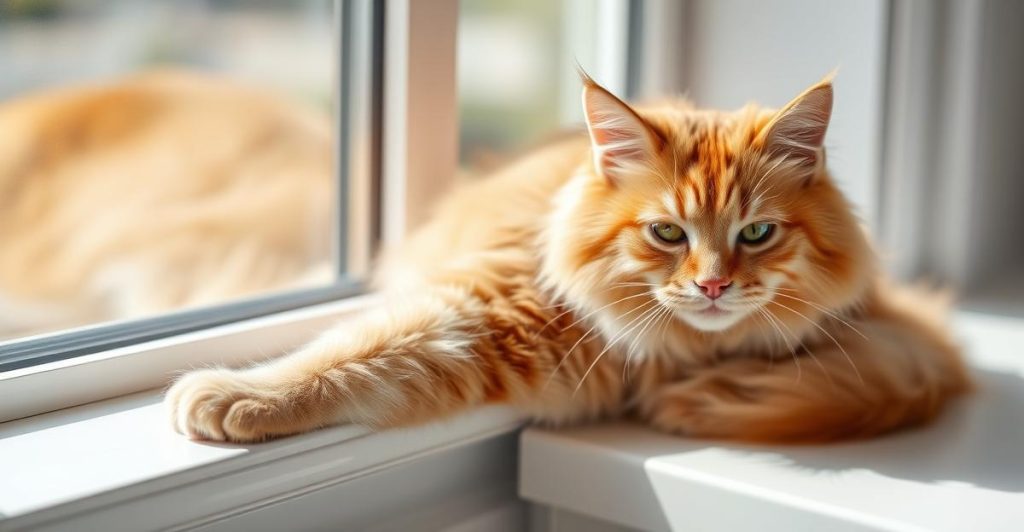
- Morning: Refill the cat fountain with fresh water; place a shallow bowl near a sunny window.
- Mid‑Morning: Offer a small dish of chilled broth as a “hydration snack.”
- Afternoon: Rotate the location of the standing bowl to a quiet corner.
- Evening: Add a few ice cubes to the fountain for a playful splash.
- Before Bed: Provide a final sip of water in a clean bowl, ensuring the water is at room temperature.
By weaving these small actions into your routine, you’ll create a habit loop that encourages your cat to drink more often, leading to a healthier, happier feline friend.
Frequently Asked Questions
How much water should a typical adult cat drink each day?
Most indoor cats benefit from about 2‑4 ounces of water per 5 pounds of body weight. However, individual preferences vary, so watch for regular sipping and a clean, fresh water source.
Why does my cat seem to prefer the water fountain over a regular bowl?
Moving water stimulates a cat’s natural curiosity and mimics the sound of a fresh stream, making it more appealing. The gentle flow also keeps the water oxygenated, which many cats find refreshing.
Can I add flavor to my cat’s water without harming them?
Yes, a few drops of plain, low‑sodium chicken broth (without onions or garlic) can add a subtle taste that many cats enjoy. Always ensure the added flavor is free from harmful seasonings.
Is it okay to give my cat ice cubes?
Ice cubes can be a fun way to encourage drinking, especially on warm days. Just make sure the cubes are small enough to prevent choking and monitor your cat’s reaction.
Disclaimer: This article is intended for informational and entertainment purposes only. It does not replace professional veterinary advice. Always consult a qualified vet for your cat's health and dietary needs.