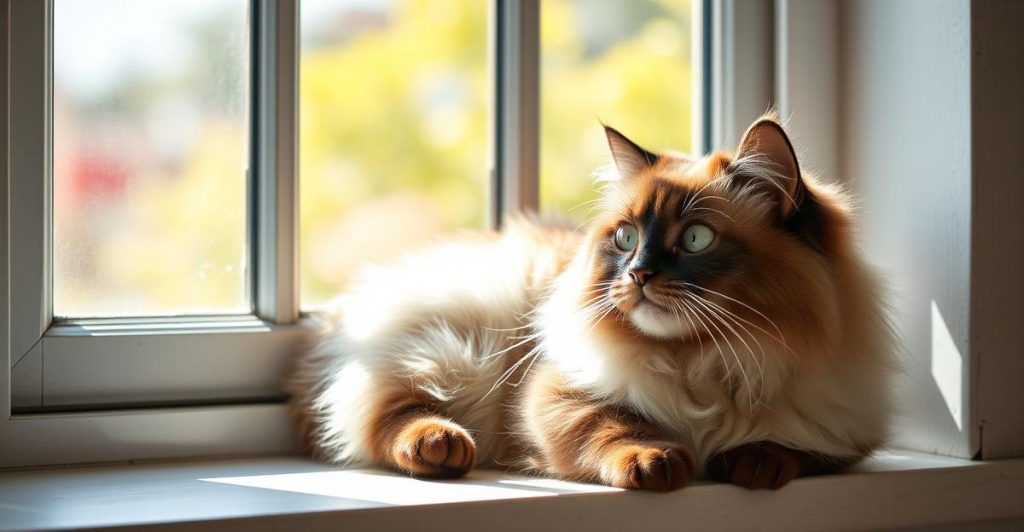

There’s something undeniably magical about the moment a Ragdoll cat decides to flop onto your lap, its silky fur brushing against you as it purrs like a tiny motor. Whether you’re a seasoned cat parent or a curious newcomer, the Ragdoll cat’s calm demeanor and playful spirit make it a beloved companion in homes around the world. In this article we’ll explore the charming quirks, everyday care tips, and lifestyle ideas that let you celebrate the joyful nature of this gentle giant. From creating a cat‑friendly play zone to mastering simple grooming routines, you’ll discover how to keep your Ragdoll cat happy, healthy, and endlessly entertained.
The Ragdoll cat’s Personality: A Gentle Giant
Ragdoll cats are often described as “dog‑like” because of their affectionate, loyal, and sociable nature. Unlike many independent felines, a Ragdoll cat loves to follow its human around the house, greet you at the door, and even fetch small toys. Their temperament can be summed up in three words: calm, curious, and cuddly.
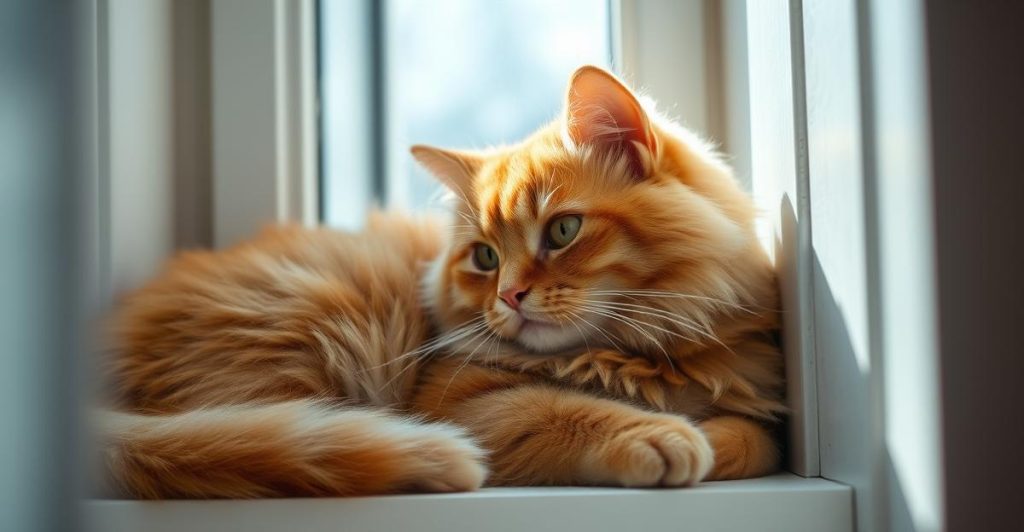
When you first bring a Ragdoll cat home, you’ll notice how quickly it seeks out a lap or a sunny spot on the couch. This breed thrives on human interaction, so regular gentle petting sessions help reinforce the bond. Even though they’re known for their relaxed demeanor, Ragdolls are also playful explorers. A simple feather wand or a crinkly ball can spark a burst of energy that reveals their inner kitten.
Because they are naturally sociable, Ragdolls do well in households with other pets, provided introductions are handled calmly. Their easy‑going attitude makes them excellent companions for families with children, as they tolerate gentle handling and enjoy being part of daily activities. Understanding these personality traits helps you tailor an environment that satisfies both their need for affection and their playful curiosity.
Creating the Perfect Play Environment for Your Ragdoll
Play is essential for a Ragdoll cat’s mental stimulation and overall happiness. While they may not be the most acrobatic breed, they love interactive toys that engage their senses. Below are some practical ideas to set up a stimulating play zone:
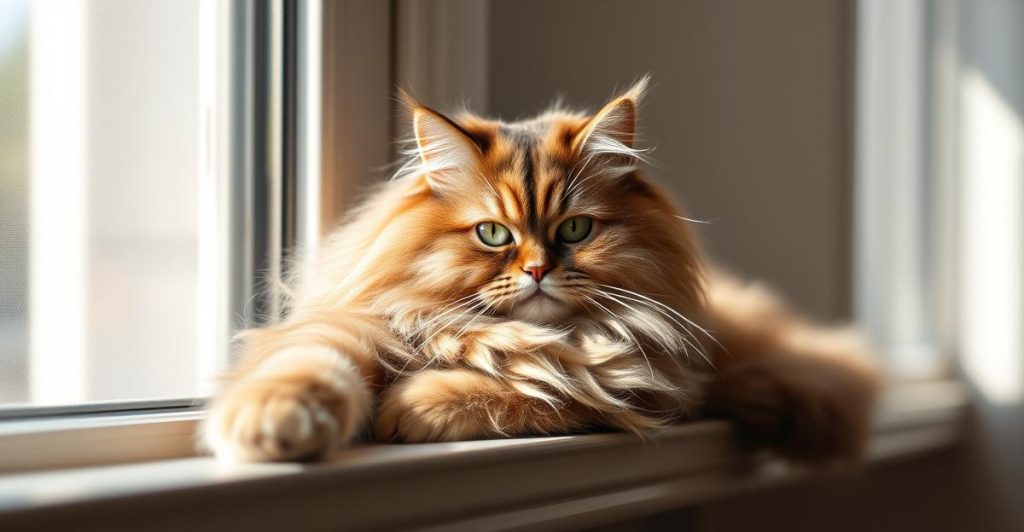
- Vertical Spaces: Install sturdy cat trees or wall‑mounted shelves. Even a modest perch near a window offers a perfect lookout spot for birds and sunlight.
- Interactive Toys: Feather wands, laser pointers, and motorized mice encourage gentle chase games. Rotate toys weekly to keep interest high.
- Puzzle Feeders: Simple treat‑dispensing puzzles turn snack time into a brain‑boosting activity, promoting natural foraging instincts.
- Soft Scratching Posts: Ragdolls love to stretch their long limbs. Provide a mix of sisal and carpeted posts to satisfy their scratching needs without damaging furniture.
- Cozy Hideaways: A plush cat cave or a cardboard box with a blanket offers a safe retreat after an energetic play session.
Remember to keep the play area clutter‑free and safe. Avoid small parts that could be swallowed, and always supervise new toys until you’re confident they’re secure. By mixing vertical exploration, interactive toys, and cozy nooks, you’ll create a dynamic environment that keeps your Ragdoll cat both physically active and mentally engaged.
Grooming and Daily Care Routines
One of the most rewarding aspects of caring for a Ragdoll cat is its luxurious, semi‑long coat. Regular grooming not only keeps the fur looking glossy but also strengthens the bond between you and your feline friend. Here’s a step‑by‑step routine that fits easily into a busy schedule:
- Morning Brushing: Use a wide‑toothed comb or a slicker brush to gently remove loose hair. A 5‑minute session each morning prevents matting and reduces shedding around the house.
- Weekly Bath (Optional): While Ragdolls are generally good at self‑cleaning, an occasional warm bath with a mild cat‑safe shampoo can refresh their coat, especially during shedding season.
- Nail Trimming: Trim the tips of the claws every 10‑14 days. If your cat is nervous, wrap them in a soft towel and work slowly, rewarding calm behavior with treats.
- Ear Checks: Gently inspect the ears for wax buildup. A soft cotton ball moistened with a vet‑approved ear cleaner can keep them clear without causing irritation.
- Dental Care: Brush the teeth with a cat‑specific toothbrush and toothpaste once a week. This simple habit helps maintain fresh breath and overall oral health.
Consistency is key. By integrating these grooming steps into daily routines—perhaps after breakfast or before bedtime—you’ll make the process feel natural for both you and your Ragdoll cat. Plus, the extra cuddle time during grooming reinforces the breed’s love for human contact.
Feeding Habits and Hydration Tips
Ragdoll cats enjoy a balanced diet that supports their active yet relaxed lifestyle. While you should always follow the feeding guidelines on the package, here are some general wellness‑focused tips to keep your cat thriving:
- Scheduled Meals: Offer two to three meals per day at consistent times. Predictable feeding helps regulate energy levels and encourages a calm demeanor.
- Fresh Water Everywhere: Place multiple water bowls around the home, or consider a cat water fountain. Moving water often entices cats to drink more, promoting proper hydration.
- Interactive Feeding: Use shallow dishes or puzzle feeders to slow down eating and add mental stimulation.
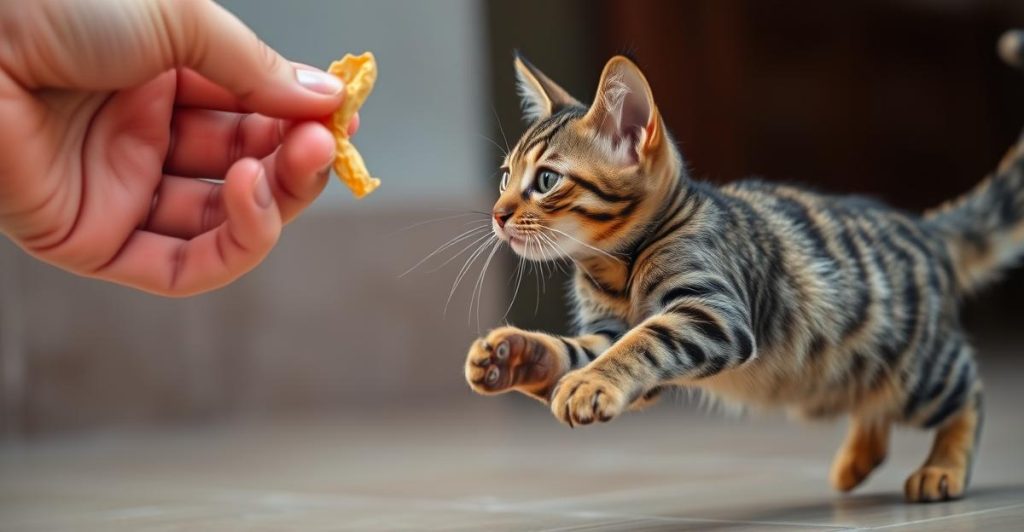
- Healthy Treats: Small pieces of cooked chicken, freeze‑dried fish, or commercial cat treats can be used for training or rewarding good behavior. Keep treats to less than 10% of daily calories.
- Monitor Weight Gently: While we avoid medical discussions, a simple visual check—ensuring the ribs are lightly felt but not visible—helps you gauge a healthy body condition.
By focusing on routine, variety, and hydration, you provide the foundation for a vibrant, content Ragdoll cat that enjoys both meals and playtime.
Socializing and Enrichment Activities
Ragdoll cats thrive on social interaction, whether it’s with humans, other pets, or even gentle environmental enrichment. Below are ideas to nurture their social side while keeping boredom at bay:
- Training Sessions: Teach simple commands like “sit” or “high five” using clicker training and treats. This mental workout reinforces the bond and offers a sense of accomplishment.
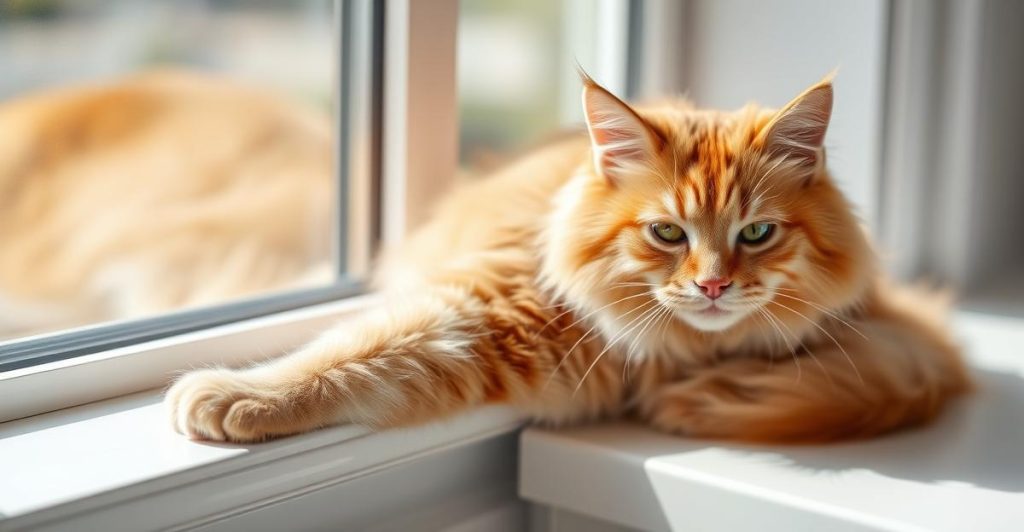
- Window Watching: Install a perch near a sunny window. Adding a bird feeder outside creates a natural live‑action TV that keeps your cat entertained for hours.
- Cat‑Friendly Playdates: If you have another friendly cat, supervise short, calm introductions. Ragdolls usually adapt well to fellow felines, especially when the atmosphere is relaxed.
- Music and Sounds: Soft classical music or nature sounds can provide a soothing background, especially during alone time.
- Rotate Enrichment Toys: Swap out toys every few weeks. A rotating schedule keeps curiosity high and prevents the “same old thing” feeling.
Remember, the key to successful socialization is patience and positive reinforcement. By offering a mix of training, observation, and interactive play, you’ll see your Ragdoll cat blossom into a confident, well‑adjusted companion.
Indoor vs Outdoor Play Activities: Which Suits Your Ragdoll?
| Activity | Indoor Benefits | Outdoor Benefits |
|---|---|---|
| Chasing Feather Wand | Safe, controlled environment; easy to clean up. | Natural scents stimulate hunting instincts. |
| Window Perch Watching | Provides sunlight and visual stimulation without exposure. | Allows fresh air and occasional breeze. |
| Puzzle Feeder Exploration | Encourages problem‑solving in a quiet space. | Can be placed in a secured garden area for added challenge. |
| Gentle Fetch with Soft Toy | Reduces risk of injury; easy to retrieve. | More space for longer rolls and runs. |
| Cat‑Friendly Agility Course | Customizable with household items; weather‑proof. | Utilizes natural terrain for varied textures. |
Frequently Asked Questions
Do Ragdoll cats need a lot of exercise?
While Ragdolls are not high‑energy jumpers, they enjoy moderate play sessions that keep their muscles supple and their minds engaged. Short, interactive games a few times a day are usually sufficient to maintain a happy, healthy cat.
How often should I brush my Ragdoll’s coat?
Daily brushing, especially in the morning, helps prevent tangles and reduces shedding. A quick 5‑minute session is enough to keep the fur glossy and to enjoy a bonding moment with your cat.
Can a Ragdoll cat get along with other pets?
Yes! Ragdolls are known for their friendly disposition and often adapt well to other cats, dogs, or small pets when introductions are handled calmly and gradually. Providing separate resources (food bowls, litter boxes, resting spots) eases the transition.
What’s the best way to keep my Ragdoll hydrated?
Place several water sources around the home, and consider a cat water fountain. Many cats are attracted to moving water, which encourages more frequent drinking and supports overall wellness.
Disclaimer: This article is intended for informational and entertainment purposes only. It does not replace professional veterinary advice. Always consult a qualified vet for your cat's health and dietary needs.