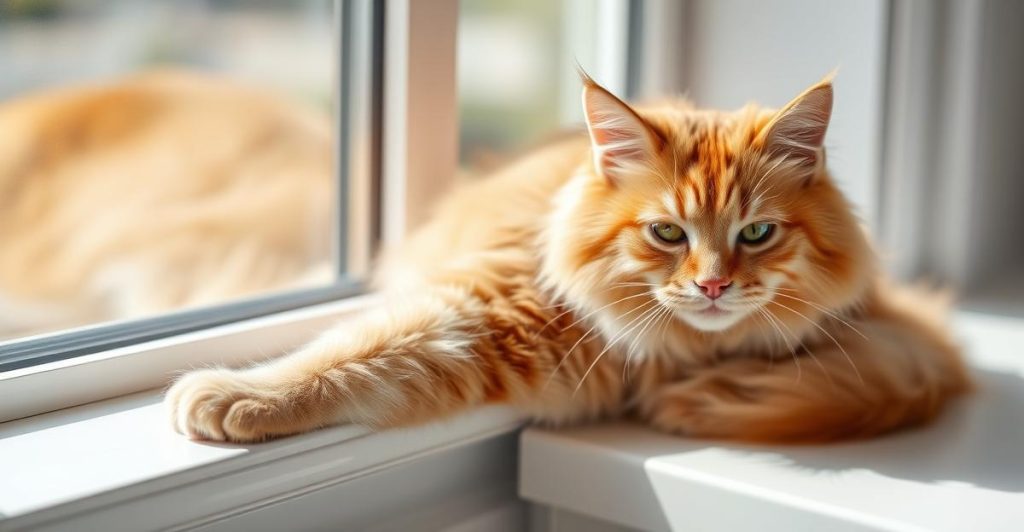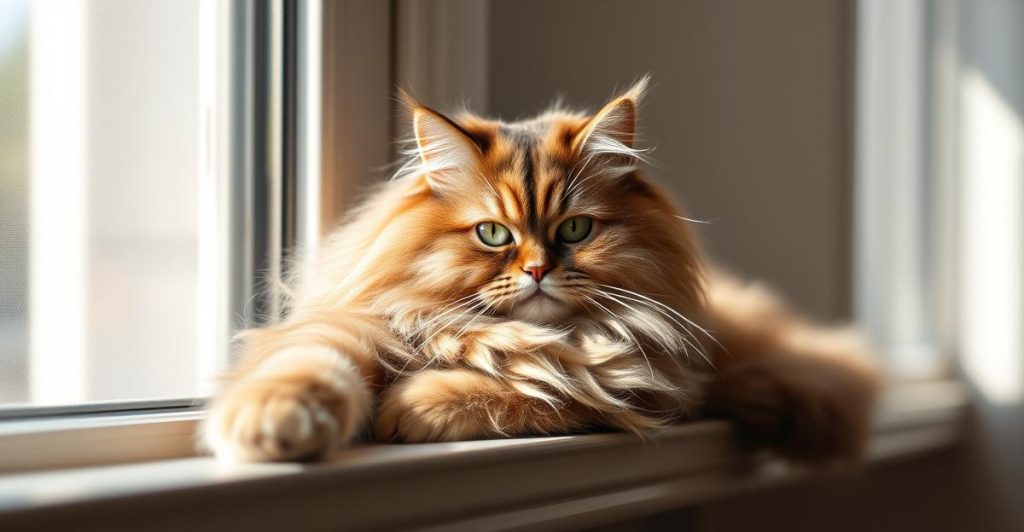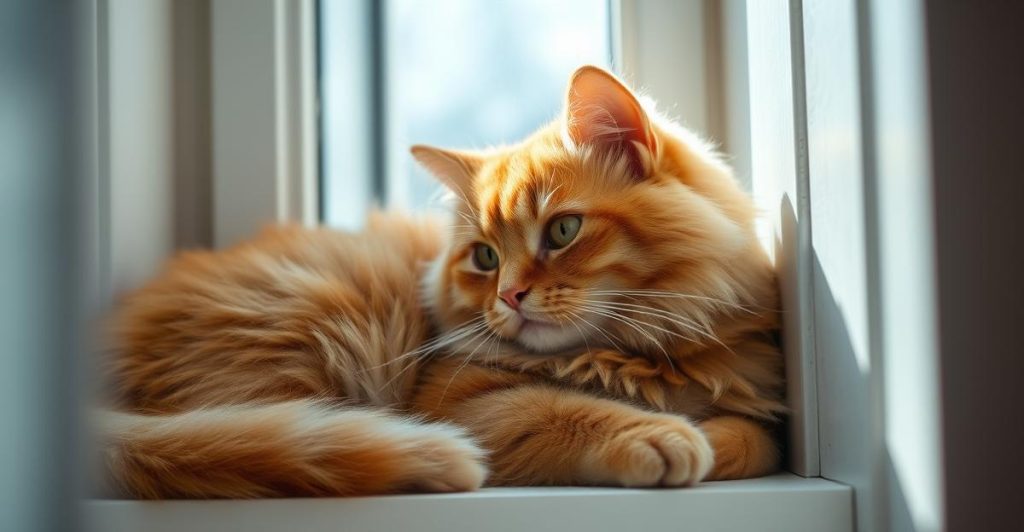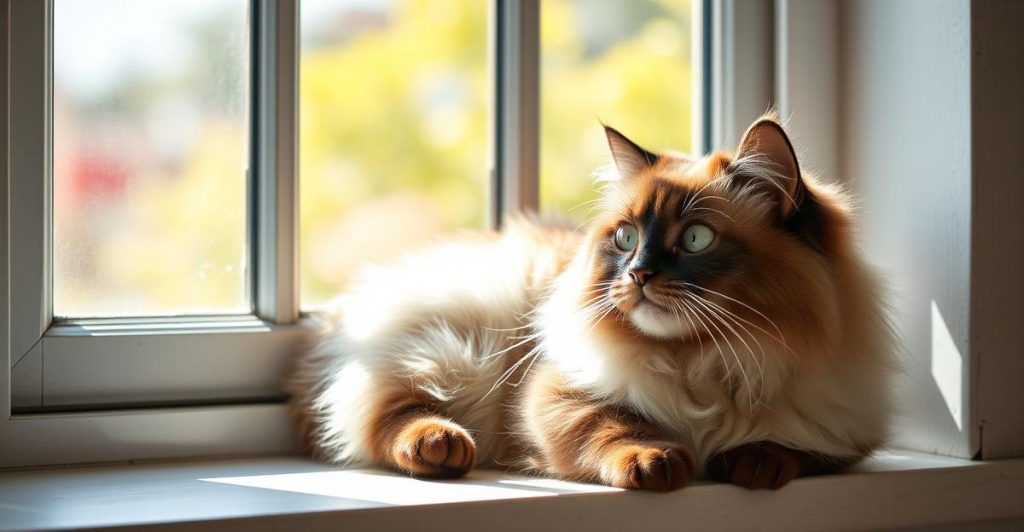

Imagine coming home after a long day to find your feline friend perched on a sun‑drenched windowsill, tail gently swaying, eyes bright with curiosity. The secret to that contented cat‑moment isn’t luck—it’s intentional indoor cat enrichment. By turning everyday rooms into adventure‑filled habitats, you can nurture a happy, healthy indoor cat who thrives on stimulation, comfort, and love. Let’s explore how to transform every nook and cranny of your home into a feline paradise that keeps whiskers twitching with joy.
Designing a Cat‑Friendly Living Space
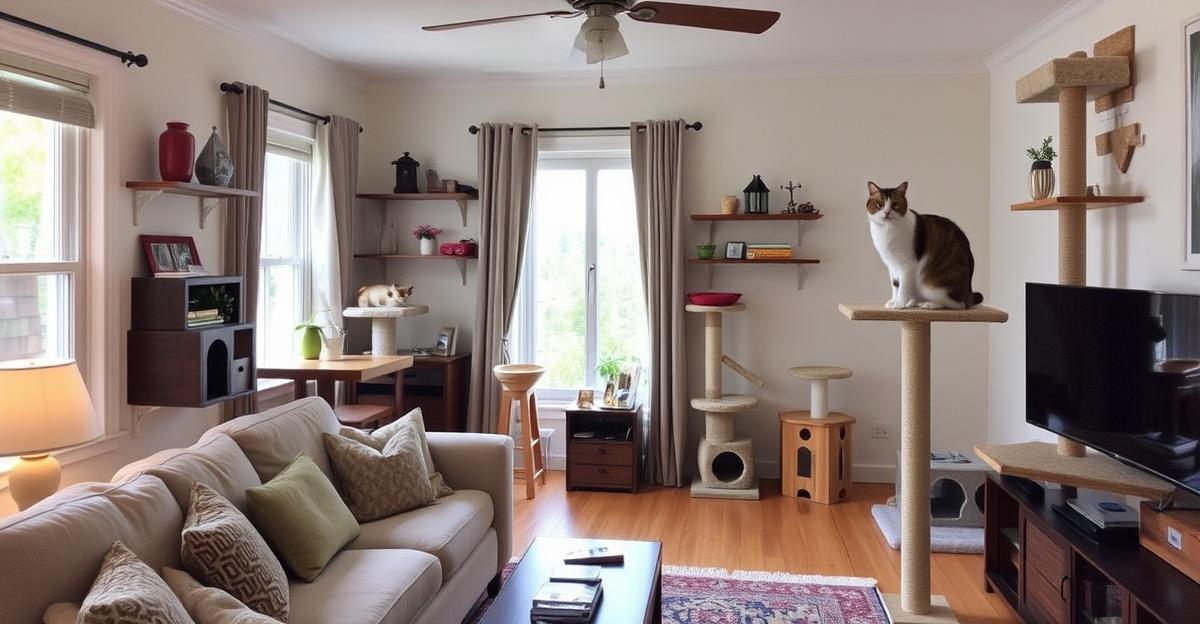
Before you start scattering toys, think like a cat architect. Cats love vertical space, hidden retreats, and safe perches that let them observe the world from a distance. A well‑designed environment satisfies their instinct to climb, hide, and claim territory.
- Vertical Real Estate: Install sturdy cat trees, wall‑mounted shelves, or reclaimed wooden ledges. Even a simple bookshelf can become a climbing runway when you add a few non‑slip pads.
- Cozy Hideaways: Cardboard boxes, fabric tunnels, and plush cat caves give shy cats a place to retreat. Position them near a warm spot or a window for extra appeal.
- Window Perches: Cats adore watching birds, squirrels, and passing clouds. A suction‑cup perch or a custom-built ledge turns a plain window into a front‑row seat.
- Safe Materials: Choose non‑toxic fabrics, avoid loose cords, and secure heavy furniture to the wall. This reduces the risk of accidental injuries while your cat explores.
By layering these elements, you create a three‑dimensional playground that encourages natural behaviors and reduces boredom.
Play Zones and Enrichment Toys
Play is the heart of indoor cat enrichment. Rotating toys and setting up dedicated play zones keep your cat engaged and mentally sharp.
- Interactive Toys: Feather wands, laser pointers, and motorized mice mimic prey movement, triggering a cat’s hunting instincts.
- Puzzle Feeders: Simple treat‑dispensing balls or rolling puzzles turn snack time into a brain‑boosting challenge.
- DIY Fun: Crumple a paper ball, tie a string to a paper towel roll, or hide treats inside a folded towel for a low‑cost enrichment boost.
- Rotation System: Store a selection of toys and introduce a new set every week. This novelty factor keeps interest high without constantly buying new items.
Remember to supervise play sessions with string‑like toys to prevent accidental swallowing. Short, frequent play bursts (5‑10 minutes) mimic natural hunting cycles and help burn off excess energy.
Sensory Stimulation: Sights, Sounds, and Smells
While cats are famed for their keen vision, they also rely heavily on sound and scent to interpret their surroundings. Engaging all three senses creates a richer indoor experience.
- Visual Stimulation: Place bird feeders outside a window, hang a cat‑safe aquarium, or use a cat‑TV channel featuring nature scenes. Changing the view with seasonal décor keeps the scenery fresh.
- Auditory Enrichment: Soft classical music, nature sounds, or specially designed cat‑calming playlists can soothe a nervous cat and reduce stress.
- Scent Exploration: Sprinkle a few cat‑mint leaves, dried rosemary, or a dab of feline‑safe pheromone spray on a scratching post. Rotate scents weekly to maintain curiosity.
- Texture Variety: Offer different surfaces—plush blankets, sisal rope, carpet squares, and smooth wood—to let your cat discover preferred textures for kneading and scratching.
These sensory layers turn ordinary rooms into dynamic ecosystems where your cat can explore, relax, and feel secure.
Routine and Wellness Activities
Consistent daily routines promote a sense of security, which is essential for indoor cats who may otherwise feel confined. Simple wellness habits reinforce positive behavior and keep your cat physically fit.
- Scheduled Play Sessions: Set aside two dedicated play times each day—once in the morning and once in the evening. Predictable activity windows help regulate energy levels.
- Gentle Grooming: Brushing your cat 2‑3 times a week reduces shedding, prevents matting, and strengthens the bond between you and your pet.
- Hydration Stations: Place multiple water bowls or a cat water fountain throughout the house. Cats are more likely to drink when water is fresh and easily accessible.
- Observation Walks: Carry your cat in a secure carrier to a quiet garden or balcony for a brief “outdoor” sniff. The new scents stimulate curiosity without exposing them to hazards.
- Mindful Rest Areas: Provide soft, low‑traffic zones where your cat can nap undisturbed. A quiet corner with a cozy blanket signals that rest is valued.
These practices are about nurturing happiness and comfort, not diagnosing or treating medical conditions.
Social Interaction and Training
Even indoor cats benefit from positive social experiences. Training sessions, gentle handling, and interactive games deepen trust and encourage mental agility.
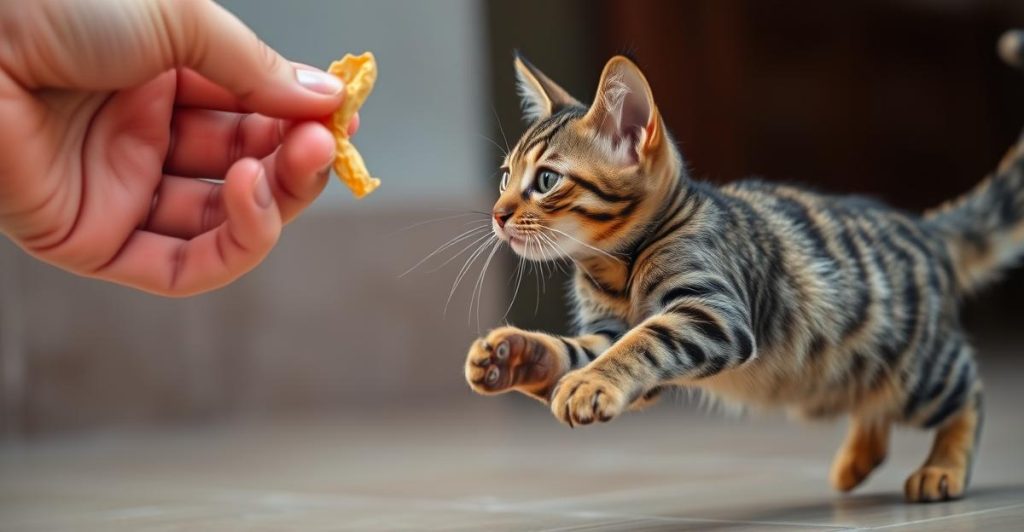
- Clicker Training: Use a clicker to mark desired behaviors—like sitting or high‑five—and reward with a favorite treat. This reinforces learning while strengthening your bond.
- Target Games: Teach your cat to touch a wand or stick with their nose. This simple trick can be expanded into obstacle courses and agility challenges.
- Gentle Handling: Regularly touch paws, ears, and tail for short periods. Positive handling makes vet visits and grooming easier.
- Family Inclusion: Involve all household members in play and care routines. Consistency across caregivers ensures your cat feels safe and loved.
- Positive Reinforcement: Celebrate calm behavior with soft praise and a gentle petting session. Avoid harsh corrections, which can create anxiety.
Training isn’t about obedience—it’s about providing mental stimulation and building a cooperative relationship that makes indoor life rewarding for both cat and human.
Comparison Table: Indoor vs Outdoor Play Activities
| Activity Type | Benefits for Indoor Cats | Considerations & Tips |
|---|---|---|
| Window Watching | Visual stimulation, natural hunting observation, mental relaxation | Secure the window with a sturdy perch; keep screens clean for clear views |
| Interactive Laser Play | High‑intensity exercise, improves coordination, burns excess energy | End sessions with a tangible toy to prevent frustration from chasing light alone |
| DIY Puzzle Feeders | Encourages problem‑solving, slows eating pace, adds variety to meals | Rotate puzzle difficulty weekly; supervise initially to ensure safety |
| Cat‑Safe Outdoor Enclosure (Catio) | Fresh air, natural scents, safe exposure to sunlight | Ensure enclosure is predator‑proof and weather‑resistant; provide shade |
| Training Sessions (Clicker/Target) | Boosts mental agility, strengthens human‑cat bond, provides structure | Keep sessions short (5‑10 min) and end on a positive note |
Frequently Asked Questions
How often should I change my cat’s toys?
Rotating toys every 7‑10 days keeps novelty high and prevents boredom. Store a few favorites in a basket and swap them out weekly.
What’s the best way to encourage my cat to use a new scratching post?
Place the post near a favorite resting spot, sprinkle a little cat‑mint or use a feather wand to demonstrate scratching. Praise and gently pet your cat when they use it.
Can indoor cats get enough exercise without going outside?
Absolutely. Structured play sessions, climbing structures, and puzzle feeders provide both physical and mental exercise that mimics natural hunting cycles.
Is it safe to let my cat watch birds through the window?
Yes, as long as the window is securely closed or has a sturdy screen. Watching birds satisfies a cat’s predatory curiosity without exposing them to outdoor risks.
Disclaimer: This article is intended for informational and entertainment purposes only. It does not replace professional veterinary advice. Always consult a qualified vet for your cat's health and dietary needs.