
Why Every Indoor Cat Deserves a Cozy Cave
Living with a cat is a daily parade of sudden sprints, mysterious pounces, and moments of pure, unfiltered curiosity. When your feline friend darts across the living room and then disappears under a couch, you know they’re hunting invisible prey—or simply looking for a safe spot to recharge. A DIY cat bed transforms an ordinary corner into a personal sanctuary, giving your indoor cat a dedicated place to nap, purr, and observe the world without feeling exposed. By creating a cozy cat cave, you’re not just adding a cute accessory; you’re supporting essential cat care habits that promote relaxation, reduce stress, and keep your whiskered companion happy.
Planning Your DIY Cat Bed: Design Tips and Safety First
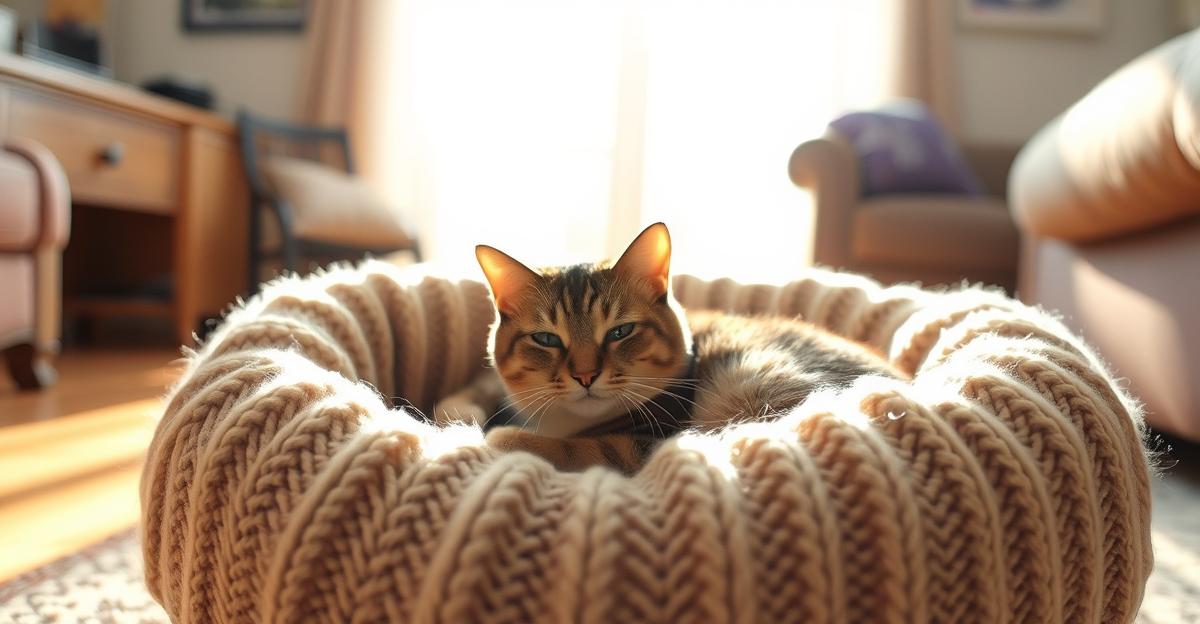
Before you dive into the crafting process, spend a few minutes visualizing the final product. Think about where the bed will live—near a sunny window, beside the favorite scratching post, or tucked under the bed for extra security. The shape matters, too; cats love enclosed spaces that mimic a den, yet they also appreciate a soft opening for easy entry and exit. Keep cat behavior in mind: a high‑backed “cave” offers a sense of protection, while a low‑profile “sweater” style lets them stretch out when they’re feeling lazy.
Safety is non‑negotiable. Choose materials that are non‑toxic, breathable, and easy to clean. Avoid loose threads, small decorative beads, or any fabric that could unravel under a cat’s claws. Remember, a well‑designed DIY cat bed enhances indoor cat lifestyle and encourages healthy sleep patterns, which are vital for overall cat health.
Step‑by‑Step Guide to Build a Sweater Bed
- Gather Your Materials: an oversized, soft sweater (preferably wool or fleece), a sturdy pillow or foam insert, scissors, a needle and thread (or fabric glue for a no‑sew option), and a non‑slip mat or rubber shelf liner.
- Prepare the Base: Lay the pillow flat on a clean surface. If you’re using a foam insert, cut it to match the sweater’s interior dimensions, leaving a little extra room for the cat to curl up.
- Position the Sweater: Turn the sweater inside out and spread it over the pillow. Align the sleeves and neckline so they form a natural “cave” entrance.
- Secure the Edges: Stitch or glue the sweater’s bottom hem to the pillow’s edges, creating a sealed pocket. Use a simple running stitch or a strong fabric glue to keep the fabric from slipping.
- Reinforce the Opening: Fold the sweater’s neckline inward and stitch a small hem around it. This prevents fraying and gives your cat a tidy doorway.
- Add a Non‑Slip Base: Attach a piece of rubber shelf liner to the bottom of the pillow with a few drops of fabric glue. This keeps the bed from sliding on hardwood or tile floors.
- Finishing Touches: Turn the sweater right side out, fluff the pillow, and place the bed in the chosen spot. Give your cat a gentle invitation to explore the new cave.
Choosing the Right Materials: What to Use and What to Skip
Not all fabrics and fillers are created equal when it comes to cat comfort and safety. Natural fibers like cotton, fleece, and wool are breathable and gentle on a cat’s skin, while synthetic materials such as polyester can trap heat and cause irritation. For the filler, a high‑density foam provides support without flattening quickly, but a soft, washable pillow may be more convenient for regular cleaning. Below is a quick comparison to help you decide which materials will give your DIY cat bed the perfect blend of coziness and durability.
Comparison of Materials for a DIY Cat Bed
| Material | Main Benefit | Potential Drawback | Best For |
|---|---|---|---|
| Wool Sweater | Warmth, natural odor resistance | Can be itchy for some cats | Cold climates, cats who love snug spaces |
| Fleece Blanket | Soft, lightweight, easy to wash | Less structural support | Warm rooms, cats who prefer light bedding |
| Cotton T‑shirt | Breathable, hypoallergenic | May shrink after washing | All‑season use, cats with sensitive skin |
| Polyester Foam | Retains shape, affordable | Less breathable, can retain heat | Cats that like firm support |
| Memory Foam Insert | Contours to cat’s body, excellent support | Higher cost, heavier | Older cats or those with joint concerns |
Adding Personality: Customizing Your Cat Cave
Once the basic structure is set, unleash your creativity. Cats respond to visual and tactile cues, so adding a few personal touches can make the bed even more inviting. Consider these ideas:
- Colorful Accents: Tie a bright ribbon around the entrance or stitch a patterned patch onto the side. The contrast can attract a cat’s attention without overwhelming the space.
- Cat‑Safe Toys: Sew a small pocket on the exterior to hide a favorite feather or crinkle toy. The hidden surprise encourages play and exploration.
- Seasonal Themes: Swap a holiday‑themed pillow insert or add a lightweight, washable blanket with a festive pattern during special occasions.
- Personalized Name Tag: Attach a small, engraved metal tag with your cat’s name. It adds a boutique feel and helps guests identify the designated cat spot.
These customizations not only boost the aesthetic appeal of the DIY cat bed but also reinforce positive cat behavior by giving the feline a sense of ownership over its personal space. When a cat recognizes a bed as “theirs,” they’re more likely to use it regularly, supporting a calm indoor environment.
Keeping the Bed Fresh and Cat‑Friendly
Even the coziest cat cave needs regular upkeep to stay hygienic and appealing. Cats are meticulous groomers, and a dirty bed can quickly become a source of irritation. Follow these simple maintenance tips to extend the life of your DIY cat bed:
- Weekly Spot‑Clean: Use a damp cloth to wipe away fur and any accidental spills. This prevents buildup of oils that can attract dust mites.
- Monthly Wash: If the sweater or blanket is machine‑washable, toss it in a gentle cycle with cold water. Air‑dry or tumble‑dry on low to avoid shrinking.
- Rotate the Pillow: Flip the foam insert or pillow every few weeks to ensure even wear and maintain consistent support.
- Vacuum Regularly: A quick vacuum over the bed’s exterior removes loose hair and reduces the risk of allergens, supporting overall cat health.
- Inspect for Wear: Check seams and edges for fraying. Reinforce any loose threads with a needle and thread before your cat discovers them.
By integrating these simple cat care habits into your routine, you’ll keep the DIY cat bed looking fresh, smelling clean, and most importantly, staying safe for your feline companion.
Frequently Asked Questions
Can I use any old sweater for the DIY cat bed?
Yes, as long as the sweater is clean, free of loose threads, and made from a cat‑safe material like cotton, fleece, or wool. Avoid sweaters with metal buttons, decorative beads, or synthetic fabrics that may cause overheating.
How big should the bed be for a standard adult cat?
A good rule of thumb is to allow enough space for your cat to stretch out fully—approximately 18–24 inches in length and 12–16 inches in width. This size accommodates most medium‑sized indoor cats while still fitting comfortably in a corner.
Is it okay to leave the DIY cat bed outdoors?
While the bed is designed for indoor use, you can place it on a covered porch or patio during dry weather. Just be sure to protect it from rain, direct sunlight, and pests, as prolonged exposure can degrade the fabric and reduce its comfort.
My cat chews the fabric—what can I do?
Some cats love to chew. If this becomes a problem, consider using a tougher material like a denim shirt or adding a layer of pet‑safe fabric tape on high‑stress areas. Supervise the cat initially and redirect chewing behavior with appropriate cat toys.
How often should I replace the DIY cat bed?
Replace the bed when the fabric shows signs of significant wear, such as thinning, holes, or persistent odor that can’t be removed with washing. Typically, a well‑maintained DIY cat bed lasts 6–12 months, depending on usage.
Note: This article is for entertainment and lifestyle purposes only. Always consult a licensed veterinarian for any health-related concerns regarding your feline friend.