
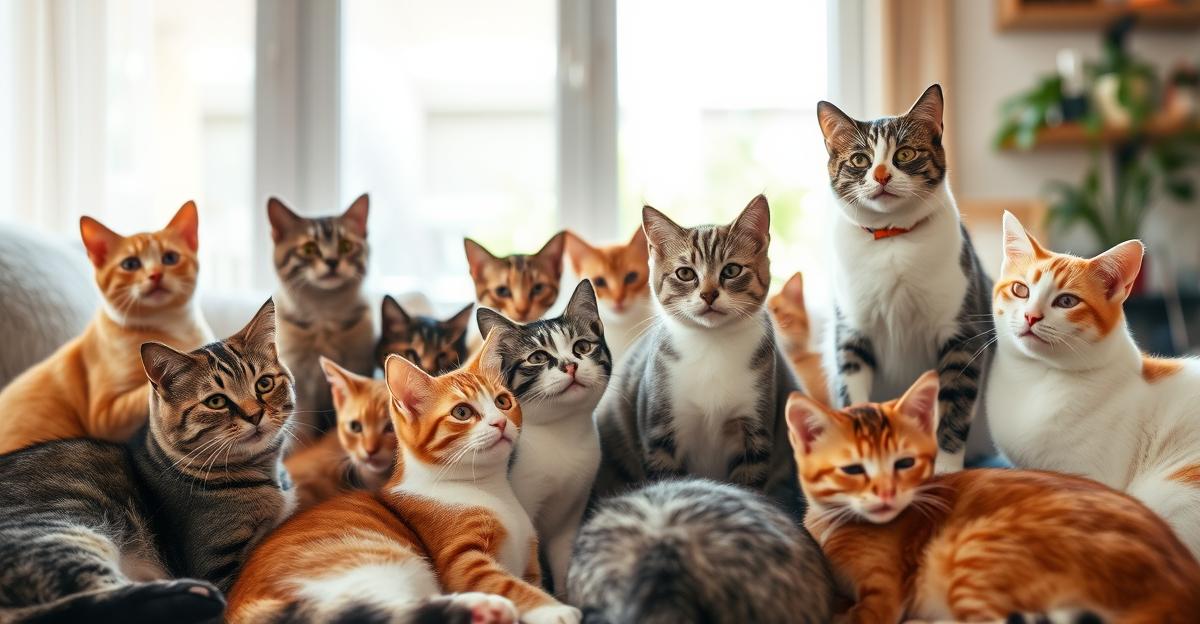
Finding the perfect feline companion can feel like searching for a needle in a haystack, especially when you want a cat that truly fits your everyday rhythm. Whether you’re a bustling professional, a lively family, or a cozy retiree, the right cat breed can turn a house into a home and a routine into a shared adventure. In this guide we’ll explore the art of the cat breed match, helping you discover which whiskered wonder aligns with your lifestyle, living space, and personality. Let’s embark on a journey that celebrates both the quirks of cats and the unique flow of your life.
Understanding Your Lifestyle Needs
Before you start scrolling through endless breed profiles, take a moment to reflect on the core elements of your daily life. Your schedule, living environment, and the amount of interaction you can offer are the three pillars that shape a successful cat‑owner partnership.
- Time at Home: Do you work long hours, or are you often home? Cats vary from independent loungers to attention‑seeking playmates.
- Space Availability: A spacious apartment, a house with a garden, or a tiny studio will influence how much room a cat needs to explore and exercise.
- Activity Level: Are you an active person who enjoys interactive play, or do you prefer calm evenings with a lap cat?
- Allergy Considerations: Some breeds produce fewer allergens, which can be a deciding factor for sensitive households.
By answering these questions honestly, you’ll create a personal checklist that makes the upcoming breed search much more focused and rewarding.
Top Cat Breeds for Busy Urban Dwellers
City life often means limited space and a hectic schedule. The ideal city cat is low‑maintenance, adaptable, and content with short bursts of play followed by long periods of self‑entertainment.
- British Shorthair: Calm, dignified, and moderately active. They enjoy a sunny windowsill and are happy to nap while you work.
- Russian Blue: Quiet, intelligent, and slightly shy. They form strong bonds but don’t demand constant attention.
- Chartreux: Known for their plush coat and gentle demeanor, they thrive in apartments and love gentle play.
- American Shorthair: Versatile and easy‑going, they adapt well to apartment living and are great at keeping themselves entertained with toys.
- Scottish Fold: Their sweet, laid‑back nature makes them perfect for smaller spaces; they love a good cuddle after a brief play session.
These breeds excel at balancing affection with independence, ensuring you get the companionship you crave without feeling overwhelmed by daily caretaking demands.
Perfect Companions for Active Families
Families with children or an active lifestyle need cats that can keep up with playtime, tolerate handling, and remain sociable with multiple household members.
- Bombay: Energetic, curious, and love interactive games. Their sleek black coat adds a touch of drama to family fun.
- Ragdoll: Known for their floppy, relaxed posture when held, they are patient, gentle, and love to follow family members around.
- Maine Coon: The gentle giant of the cat world—large, sturdy, and always ready for a game of chase or a cuddle on the couch.
- Turkish Van: Water‑loving and adventurous, they thrive on outdoor exploration (safely supervised) and love to play with water‑based toys.
- Savannah: A strikingly spotted breed with a dog‑like enthusiasm for games, fetch, and interactive puzzles.
Choosing any of these breeds means inviting a playful, tolerant, and social feline into a household that values activity and shared experiences.
Ideal Cats for Quiet, Low‑Maintenance Homes
If you cherish tranquility, prefer a cat that enjoys a slower pace, and want minimal grooming or high‑energy demands, these breeds are your best bet.
- Persian: The quintessential lap cat with a luxurious coat. They love serene environments and gentle affection.
- Exotic Shorthair: A short‑haired version of the Persian, offering the same calm temperament with easier grooming.
- Birman: Soft‑spoken and affectionate, they thrive in quiet homes and love to perch near a sunny spot.
- Ragamuffin: Known for their plush fur and sweet nature, they enjoy being near their humans without demanding constant play.
- Chartreux (also suitable here): Their quiet confidence makes them excellent companions for a peaceful lifestyle.
These cats prioritize relaxation, making them perfect for retirees, remote workers seeking calm, or anyone who prefers a serene feline presence.
Understanding Cat Personality Traits
Beyond breed, individual personality plays a huge role in the cat breed match. Observing a cat’s behavior during a shelter visit or breeder meeting can reveal key traits that align with your lifestyle.
- Playfulness: Look for cats that chase toys, pounce, or engage in interactive games.
- Affection Level: Some cats seek constant lap time, while others prefer occasional head‑butts.
- Vocalization: Talkative breeds like the Siamese love to chat; quieter breeds may simply purr.
- Adaptability: Cats that handle new environments calmly are ideal for frequent movers or households with changing routines.
- Curiosity: Explorative cats enjoy puzzle feeders and climbing structures, making them great for stimulating indoor environments.
By matching these traits with the lifestyle factors you identified earlier, you’ll increase the odds of a harmonious, long‑lasting partnership.
Choosing the Right Cat: A Practical Checklist
When you’ve narrowed down your breed options, use this checklist to ensure you’ve covered all practical considerations before bringing a new feline friend home.
- Confirm the breed’s typical activity level aligns with your daily schedule.
- Assess grooming needs—does your schedule allow for regular brushing?
- Check for any known allergen sensitivities in your household.
- Ensure you have enough space for the cat’s preferred play and resting areas.
- Plan a safe indoor environment: windows with screens, secure cords, and designated scratching posts.
- Consider the cat’s age—kittens require more playtime, while adult cats often have settled habits.
- Research reputable breeders or shelters that prioritize the cat’s welfare and temperament testing.
Cross‑referencing this list with the breed characteristics you’ve explored will guide you toward a confident, satisfying cat breed match.
Comparison Table: Activity Level vs Grooming Needs
| Breed | Activity Level | Grooming Frequency | Ideal Home Setting |
|---|---|---|---|
| British Shorthair | Moderate | Weekly brushing | Apartment or small house |
| Maine Coon | High | Twice weekly | Spacious home with climbing areas |
| Persian | Low | Daily brushing | Quiet, calm environment |
| Bombay | High | Weekly brushing | Active family or individual |
| Ragdoll | Low to moderate | Weekly brushing | Family with children or seniors |
Frequently Asked Questions
What’s the best way to determine if a cat’s personality matches my lifestyle?
Spend at least 15‑20 minutes observing the cat’s behavior during a visit. Notice how it reacts to handling, toys, and new surroundings. Ask the shelter or breeder about the cat’s typical energy level and social preferences. Matching those observations with your daily routine will give you a clear indication of compatibility.
Do I need a large home for a high‑energy breed like the Maine Coon?
While a larger space provides more room for climbing and running, high‑energy cats can also thrive in apartments if you supply vertical enrichment (cat trees, shelves) and interactive toys that encourage movement.
Are hypoallergenic breeds truly allergy‑free?
No cat breed is completely allergen‑free, but breeds such as the Siberian or Balinese tend to produce fewer allergenic proteins. Regular cleaning, air filtration, and grooming can further reduce allergen exposure.
How can I help a newly adopted cat adjust to my home?
Create a safe, quiet room with a litter box, food, water, and a cozy bed. Introduce toys gradually and allow the cat to explore at its own pace. Keep a consistent routine for feeding and playtime, and give plenty of gentle reassurance during the first few weeks.
Disclaimer: This article is intended for informational and entertainment purposes only. It does not replace professional veterinary advice. Always consult a qualified vet for your cat's health and dietary needs.