
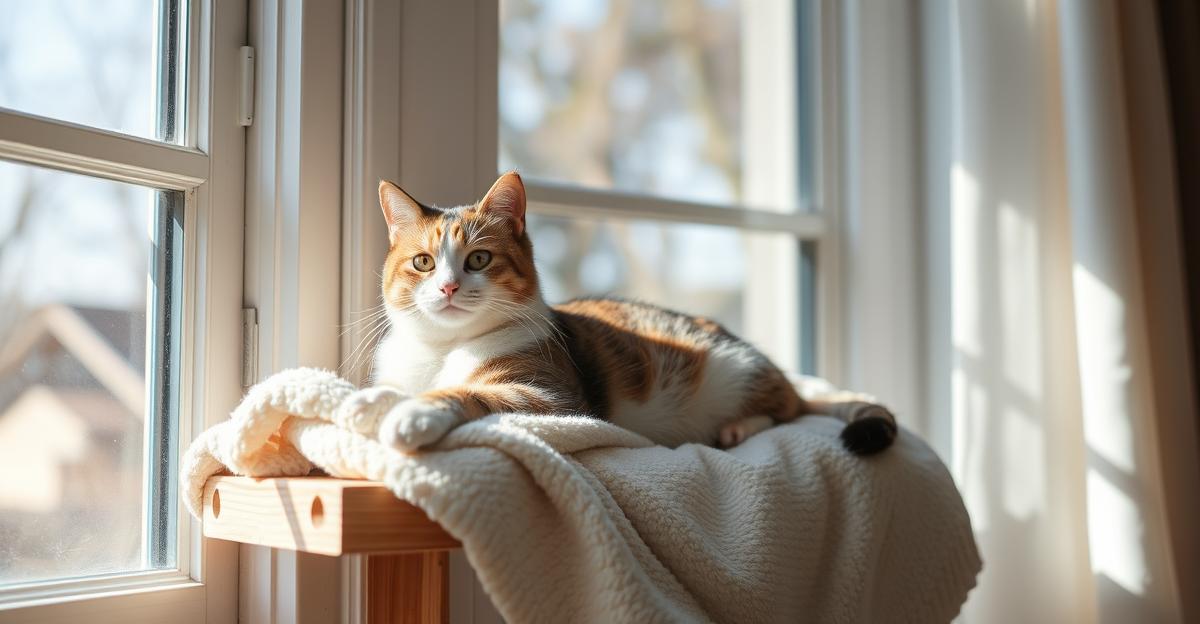
Why Every Indoor Cat Craves a Sun‑Soaked Perch
Living with a cat means learning the art of negotiating territory, especially when the sun hits the living‑room window. Your feline friend will claim any warm spot, but a dedicated DIY cat window perch turns a simple pane of glass into a private balcony in the sky. Not only does a perch satisfy natural instincts to observe, stretch, and nap, it also reduces boredom‑induced mischief. In this article we’ll walk you through building a stylish perch, explore breed‑specific preferences, and share clever ways to keep your indoor cat thriving.
Choosing the Perfect Spot for Your Cat’s New Lookout
Before you start measuring, think like a cat. Cats love a clear view, a gentle breeze, and a spot that’s safe from drafts. Look for a window that receives morning sunlight and faces a quiet street or garden. Avoid windows that are constantly opened for heavy traffic or that have screens that can be easily knocked off.
- Height matters: A perch placed 3–4 feet above the floor lets most cats climb comfortably without feeling exposed.
- Safety first: Ensure the window frame can support the weight of the perch plus a lounging cat (typically 8–12 lb).
- Visibility: Cats love to watch birds, squirrels, or passing pedestrians. A window with an unobstructed view maximizes entertainment.
Take note of the room’s traffic flow. A perch near a favorite sunny nook can become a calming retreat during loud gatherings or when the household is bustling.
Materials & Tools You’ll Need for a Sturdy DIY Cat Window Perch
Creating a perch doesn’t require a carpenter’s workshop—just a few everyday items and a bit of creativity. Below is a quick inventory of what you’ll need, followed by a handy comparison table that helps you decide which materials fit your style and budget.
Materials Comparison
| Material | Main Benefit | Potential Drawback | Best For |
|---|---|---|---|
| Wood (pine or plywood) | Strong, easy to cut, natural look | Can warp if exposed to moisture | DIY enthusiasts who want a classic look |
| PVC Pipe & Fittings | Lightweight, weather‑resistant, modular | Industrial appearance may need covering | Owners seeking a quick, no‑saw solution |
| Heavy‑Duty Fabric & Foam | Soft, customizable colors, easy to clean | Less structural support, needs a frame | Cat owners who prioritize comfort over ruggedness |
| Recycled Cardboard | Eco‑friendly, inexpensive, easy to shape | Short lifespan, not waterproof | Temporary projects or budget builds |
For most indoor cats, a wooden base combined with a plush cushion offers the perfect blend of durability and comfort. If you prefer a minimalist aesthetic, PVC frames with a sleek fabric cover work beautifully.
Step‑By‑Step Guide to Building Your DIY Cat Window Perch
Follow these simple steps and you’ll have a perch ready for your cat’s afternoon sunbath in less than a weekend.
- Step 1: Measure the Window – Use a tape measure to record the width, height, and depth of the window sill. Add an extra 2 inches on each side for mounting brackets.
- Step 2: Cut the Base – If using wood, cut a rectangular board to match the measured width and a depth of 12–14 inches. Sand the edges to prevent splinters.
- Step 3: Build the Support Frame – Attach two sturdy L‑brackets to the back of the base. Position them so the perch can be secured to the window frame or wall studs.
- Step 4: Add a Cushion – Cut a piece of high‑density foam to the size of the base. Wrap it in a washable, cat‑friendly fabric (microfiber or fleece works well) and secure with a staple gun.
- Step 5: Install Mounting Hardware – Use heavy‑duty suction cups or screw‑in brackets, depending on the window type. For sliding windows, suction cups with a safety strap are ideal.
- Step 6: Secure the Perch – Place the perch on the window sill, align the brackets, and tighten all screws. Double‑check that the perch is level and can hold at least 15 lb.
- Step 7: Test and Tweak – Gently press down on the perch to ensure stability. Add a non‑slip rubber mat underneath if there’s any wobble.
- Step 8: Add Personality – Attach a small cat‑safe dangling toy, a feather wand, or a few catnip‑infused fabric strips to keep your cat engaged.
Once installed, give your cat a gentle nudge onto the new perch. Most cats will instinctively curl up, stretch, and start their surveillance duties within minutes.
Breed‑Specific Preferences: Tailoring the Perch to Your Cat’s Personality
Not all cats enjoy the same perch style. Understanding breed tendencies can help you fine‑tune the design for maximum satisfaction.
Long‑Haired Breeds (e.g., Maine Coon, Persian)
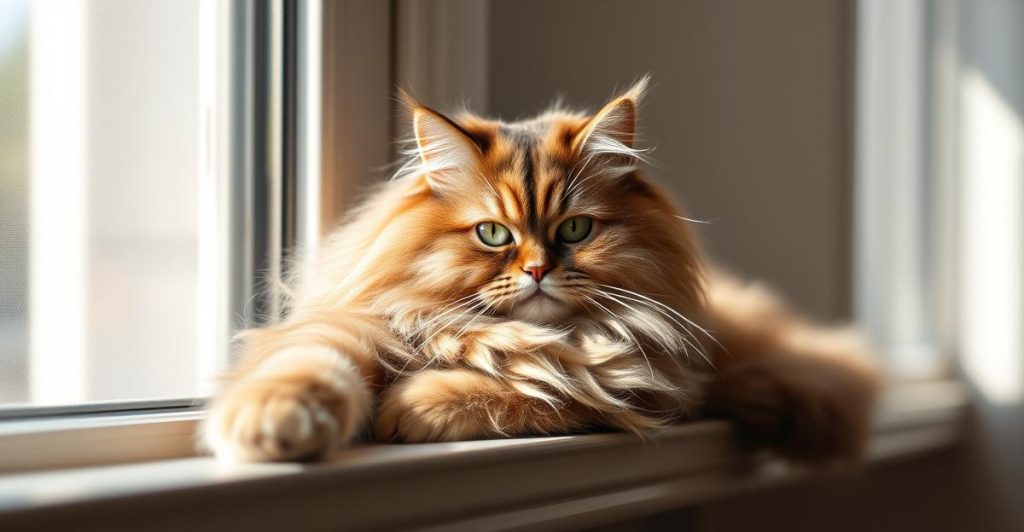
These cats love extra cushioning because their thick coats can become tangled on rough surfaces. Opt for a thicker foam layer (2‑3 inches) and a plush, low‑pile fabric that won’t snag fur. Adding a side rail can give them a sense of security while they perch.
Active Breeds (e.g., Abyssinian, Bengal)
High‑energy cats enjoy a perch that doubles as a launchpad. Incorporate a short ramp or a set of low steps leading up to the base. A detachable scratching post attached to the side of the perch satisfies their urge to claw while they watch the world.
Senior or Small‑Frame Cats (e.g., Munchkin, Exotic Shorthair)
Older or shorter cats benefit from a lower perch height (2–3 feet) and a ramp with a gentle incline. Ensure the cushion is firm enough to support joints without sinking too deeply.
By adjusting the height, cushion thickness, and added accessories, you can create a perch that feels custom‑made for any feline companion.
Maintenance, Safety, and Seasonal Tips for a Long‑Lasting Perch
Even the best‑crafted perch needs occasional care to stay safe and inviting.
- Weekly Cleaning: Remove the cushion cover, toss it in the washing machine, and vacuum the wooden base to eliminate dust and hair.
- Seasonal Adjustments: In winter, position the perch away from drafty windows and add a warm, insulated blanket. In summer, ensure the perch isn’t in direct, scorching sunlight; a sheer curtain can diffuse the heat.
- Safety Checks: Every month, tighten all screws, inspect brackets for rust, and verify that suction cups still hold firm. Replace any worn fabric to prevent fraying that could be chewed.
- Weight Monitoring: If you have multiple cats, consider a larger base or a double‑layer design to distribute weight evenly.
Regular upkeep not only prolongs the perch’s life but also reinforces a safe environment that encourages your cat to keep using it as their favorite nap spot.
Creative Add‑Ons to Elevate the Perch Experience
Think of the perch as a canvas for feline fun. Small enhancements can turn a simple window seat into a mini adventure zone.
- Miniature Hideaway: Attach a small fabric tunnel or a folded blanket on one side for shy cats who enjoy a semi‑enclosed space.
- Interactive Toys: Clip a feather wand or a battery‑powered laser toy to the side rail for spontaneous play sessions.
- Nature Elements: Place a potted cat‑safe plant (like cat grass) nearby. The scent of fresh greenery can stimulate natural hunting instincts.
- Personalized Name Tag: Use a laser‑etched wooden plaque with your cat’s name to add a boutique feel.
These additions keep the perch fresh, encouraging your cat to return day after day for both relaxation and stimulation.
FAQ
Can I install a DIY cat window perch on a sliding glass door?
Yes, but use heavy‑duty suction cups with a safety tether. Avoid drilling into the glass, and make sure the perch’s weight is evenly distributed to prevent the door from shifting.
How much weight can a typical wooden perch hold?
A well‑built wooden base with proper brackets can safely support 15–20 lb, which is more than enough for most domestic cats, even larger breeds.
Is it okay to let my cat nap on a perch all day?
Absolutely! Cats naturally spend 12–16 hours sleeping. A sunny perch offers warmth, a view, and a sense of security, all of which contribute to a happy indoor cat.
What if my cat doesn’t use the perch right away?
Place a few of their favorite toys or a sprinkle of catnip on the cushion to entice them. Cats often need a short adjustment period before embracing a new spot.
Can I use a perch for multiple cats?
Yes, but choose a larger base (at least 24 inches wide) and consider a dual‑level design so each cat can have its own space.
Do I need to worry about UV damage to the fabric?
If the perch receives direct sunlight for many hours, choose UV‑resistant fabrics or rotate the cushion cover weekly to prevent fading.
Is it safe to attach a scratching post to the perch?
Yes, as long as the post is securely fastened and does not compromise the perch’s balance. A short, sturdy post works best.
Can I paint the wooden base?
Sure! Use a non‑toxic, water‑based paint and let it cure fully before adding the cushion. Avoid paints with strong odors that could deter your cat.
How often should I replace the cushion?
Inspect the cushion every few months. Replace it when the foam loses its bounce or the fabric shows signs of wear.
Will a window perch help reduce my cat’s aggression?
Providing a stimulating view and a dedicated space can lower boredom‑related aggression, but it’s one part of a broader enrichment plan.
Note: This article is for entertainment and lifestyle purposes only. Always consult a licensed veterinarian for any health-related concerns regarding your feline friend.