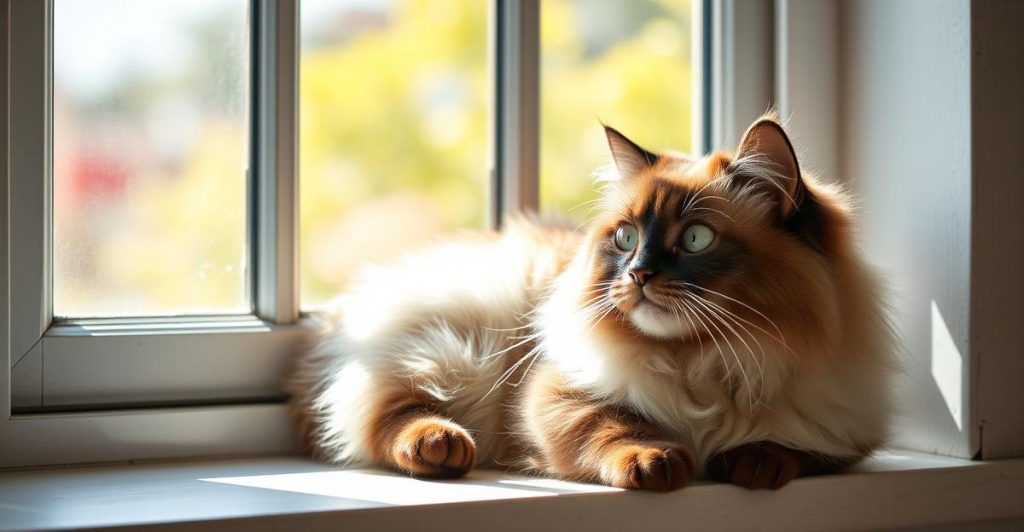

When the rain taps against the window and the world outside feels a little too busy, our indoor cats become the quiet observers of a cozy kingdom. Providing them with snug hideaways, adventurous pathways, and a rhythm of gentle routines can turn an ordinary apartment into a wonderland of indoor cat happiness. Imagine your feline friend stretching lazily in a sun‑drenched nook, then darting along a winding tunnel with a flick of the tail, all while feeling safe, stimulated, and deeply content. Below are thoughtful, research‑backed ideas that blend comfort, play, and everyday care to keep your indoor companion thriving and smiling.
Designing the Perfect Cozy Corner
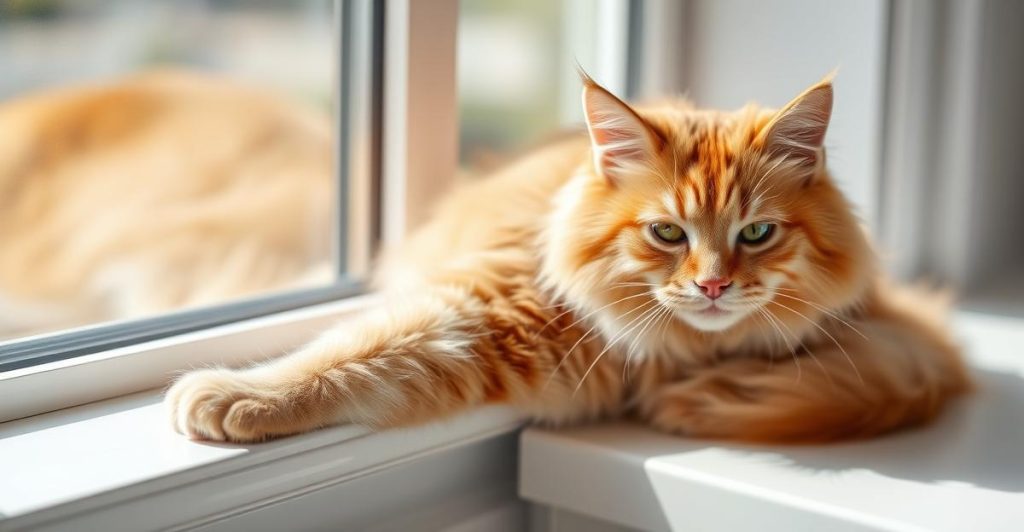
Every cat craves a personal sanctuary—a place where they can retreat, observe, and simply be. A well‑planned cozy corner does more than provide a warm spot; it signals security and encourages restful moments that are essential for indoor cat happiness.
- Location, location, location: Choose a quiet corner away from high‑traffic zones, but still within view of family activity. Cats love to be part of the household without feeling overwhelmed.
- Layered textures: Combine a plush blanket, a soft pillow, and a raised perch. The mix of flat and elevated surfaces satisfies a cat’s instinct to climb and lounge.
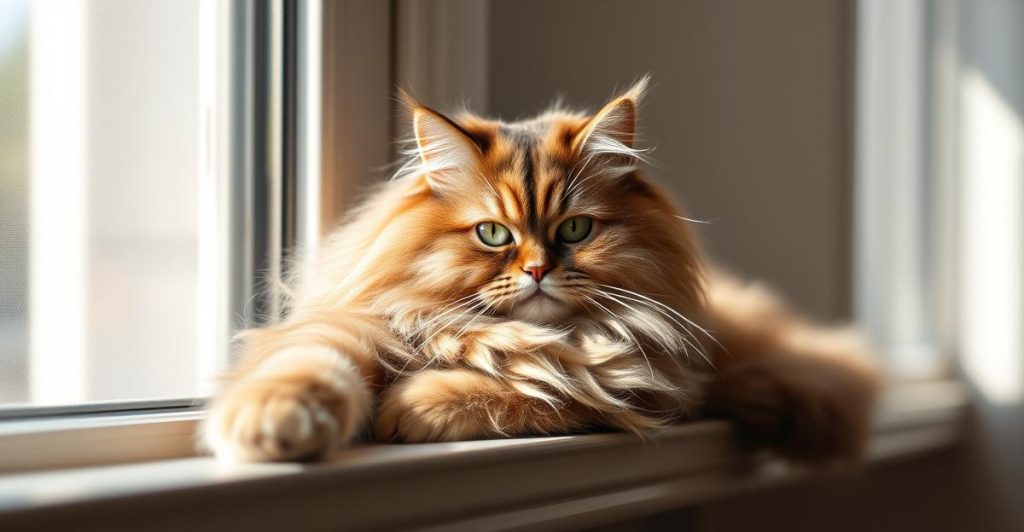
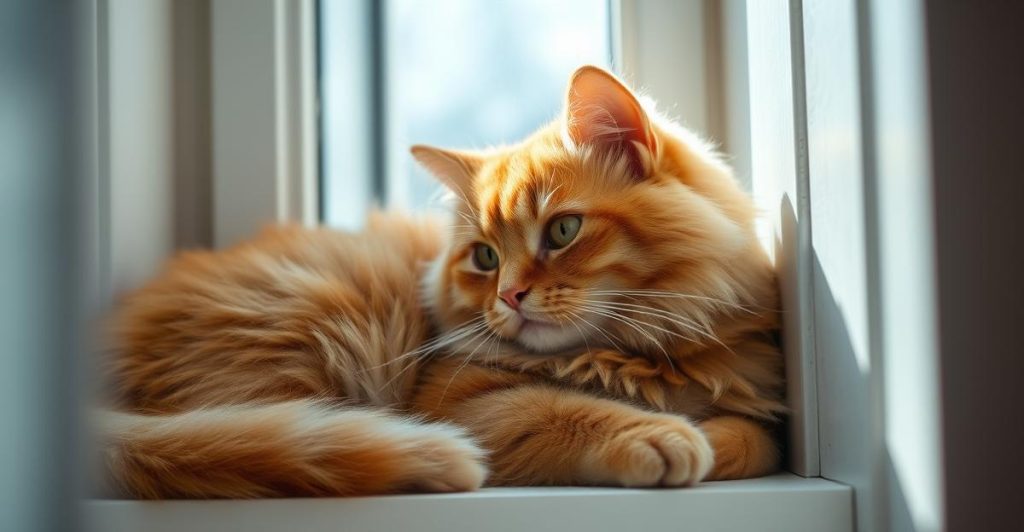
- Natural light: Position the nook near a sunny window. Sunbeams provide gentle warmth and a natural “daylight clock” that helps regulate a cat’s internal rhythm.
- Enclosed feel: A low‑sided cat tent, a cardboard box, or a covered cat bed creates a den‑like atmosphere that many felines find irresistibly comforting.
- Personal touches: Add a piece of your clothing with your scent, a favorite toy, or a small, safe scratching post to make the space uniquely theirs.
By thoughtfully arranging these elements, you give your cat a go‑to spot for napping, watching, and simply being—a cornerstone of daily contentment.
Creating Playful Paths: Enrichment Essentials
While cozy corners offer stillness, playful paths keep the mind sharp and the body active. Indoor cat happiness flourishes when a cat can explore, hunt, and solve puzzles in a safe environment.
- Vertical playgrounds: Install wall‑mounted shelves or a tall cat tree. Cats love to perch high, survey their domain, and practice gentle leaps.
- Winding tunnels: Curved fabric tunnels mimic burrows and encourage curious exploration. Place them near a favorite perch for a seamless transition from observation to adventure.
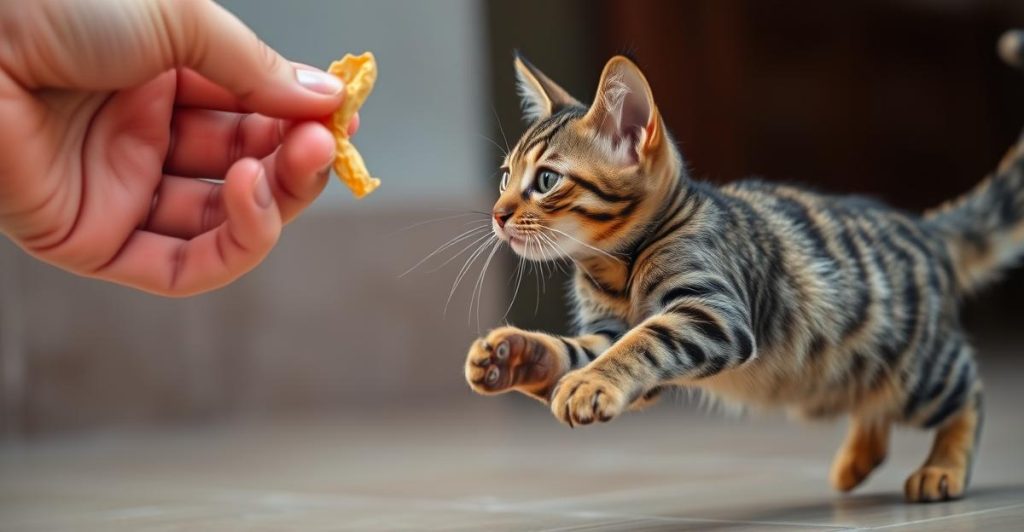
- Interactive toys: Feather wands, laser pointers, and motorized mice provide short bursts of high‑energy play that satisfy hunting instincts.
- Puzzle feeders: Simple treat‑dispensing toys turn snack time into a mental workout, encouraging problem‑solving without any medical implication.
- Rotating stations: Change the placement of toys and climbing structures every few weeks. Novelty keeps the environment fresh and prevents boredom.
Mixing vertical and horizontal elements creates a three‑dimensional maze that invites your cat to jump, climb, and sprint—key components of a vibrant indoor lifestyle.
Routine Rituals for Daily Joy
Consistency is the silent language of comfort. Establishing gentle routines helps indoor cats feel secure, reduces stress, and enhances overall happiness.
- Morning greeting: Spend a few minutes each morning offering a soft petting session or a brief play round. This sets a positive tone for the day.
- Scheduled feeding windows: Even though we’re not prescribing diets, offering meals at the same times each day creates a predictable rhythm that many cats appreciate.
- Midday stretch break: Use a short interactive toy session to break up long periods of rest, encouraging movement and mental stimulation.
- Evening wind‑down: Dim the lights, play gentle music, and provide a calm environment for a final cuddle or grooming session before bedtime.
- Weekly grooming ritual: Brushing not only reduces shedding but also deepens the bond between you and your cat, fostering trust and contentment.
These simple, repeatable actions weave a tapestry of security and joy, reinforcing the sense that the home is a safe, predictable haven.
Sensory Delight: Light, Sound, and Smell
Beyond furniture and toys, the sensory environment shapes a cat’s emotional landscape. Thoughtful attention to light, sound, and scent can elevate indoor cat happiness to new heights.
- Soft lighting: Use warm, dimmable lamps or LED strips that mimic sunrise and sunset. Gentle lighting helps regulate a cat’s natural circadian cues.
- Background music: Classical pieces or specially curated “cat‑calm” playlists provide soothing auditory stimulation without being overwhelming.
- Cat‑safe aromatics: A few drops of cat‑mint or a sprinkle of dried catnip on a scratching post can add a pleasant, stimulating scent. Always ensure the fragrance is non‑toxic and used sparingly.
- Window views: Position a perch where your cat can watch birds, passing cars, or seasonal changes. Visual stimulation is a natural enrichment that keeps them mentally engaged.
- Texture variety: Incorporate a mix of carpeted mats, sisal ropes, and plush fabrics throughout the play area to satisfy tactile curiosity.
By curating a balanced sensory palette, you create an environment that feels both safe and exciting, encouraging exploration and relaxation in equal measure.
Social Spaces: Human‑Cat Connections
Indoor cat happiness isn’t just about solitary comfort; it’s also about meaningful interaction with the people they love. Designing shared spaces fosters bonding and mutual enjoyment.
- Co‑sleeping zones: If your cat enjoys sleeping on the bed, consider a dedicated corner with a soft blanket that invites shared snuggles.
- Interactive feeding stations: Place a treat puzzle on a low table where you can sit together, turning snack time into a collaborative game.
- Play corridors: Use a hallway as a runway for feather wands or string toys, allowing you to move alongside your cat and encourage active play.
- Reading nooks: Set up a comfortable chair with a cat‑friendly lap pillow. Reading aloud or simply turning pages provides gentle companionship.
- Photo spots: Designate a bright, aesthetically pleasing area for quick photo sessions. Capturing happy moments reinforces positive experiences for both you and your cat.
When humans and cats share thoughtfully arranged spaces, the emotional connection deepens, and the overall atmosphere of the home becomes more harmonious and joyful.
Comparison Table: Cozy Corners vs. Playful Paths
| Feature | Cozy Corner | Playful Path |
|---|---|---|
| Primary Goal | Rest, observation, security | Exercise, mental stimulation, exploration |
| Key Elements | Soft bedding, warm light, enclosed feel | Vertical shelves, tunnels, interactive toys |
| Typical Placement | Quiet corner near a window | Across multiple rooms, linking high‑traffic areas |
| Time of Use | Morning & night, long naps | Play bursts throughout the day |
| Benefits for Happiness | Reduces stress, provides safe retreat | Boosts confidence, satisfies hunting instincts |
Frequently Asked Questions
How often should I rearrange my cat’s toys and climbing structures?
Rotating toys and shelves every 2–3 weeks keeps the environment fresh and encourages ongoing curiosity without overwhelming your cat.
Can indoor cats get enough exercise without going outside?
Absolutely. A combination of vertical play spaces, interactive toys, and short, frequent play sessions can meet a cat’s physical and mental needs, promoting overall happiness.
What are the best materials for a cozy corner?
Soft, washable fabrics like fleece or microfiber, along with a sturdy, low‑profile perch, provide comfort and easy maintenance. Adding a light‑blocking curtain can create a calm, dim environment for napping.
Is it okay to use catnip in my indoor enrichment plan?
Yes, in moderation. A small amount of catnip or cat‑mint on a scratching post or toy can add a pleasant scent that encourages playful behavior, as long as it’s used sparingly and the product is cat‑safe.
Disclaimer: This article is intended for informational and entertainment purposes only. It does not replace professional veterinary advice. Always consult a qualified vet for your cat's health and dietary needs.