
10 Simple Ways to Keep Your Cat Joyfully Healthy Every Day
There’s nothing quite like the soft purr of a content cat curled up on your lap, eyes half‑closed in pure bliss. Yet, achieving that state of everyday joy isn’t just about lucky genetics—it’s about creating a routine that nurtures a cat’s natural instincts, senses, and social needs. Whether you’re a first‑time cat parent or a seasoned feline enthusiast, these ten straightforward practices can turn ordinary days into a series of happy cat moments that boost wellbeing, confidence, and the special bond you share.
1. Design a Cat‑Friendly Habitat
Cats are instinctual explorers. A well‑thought‑out environment gives them the freedom to climb, hide, and observe the world from safe perches. When a cat feels secure and stimulated, happiness follows naturally.
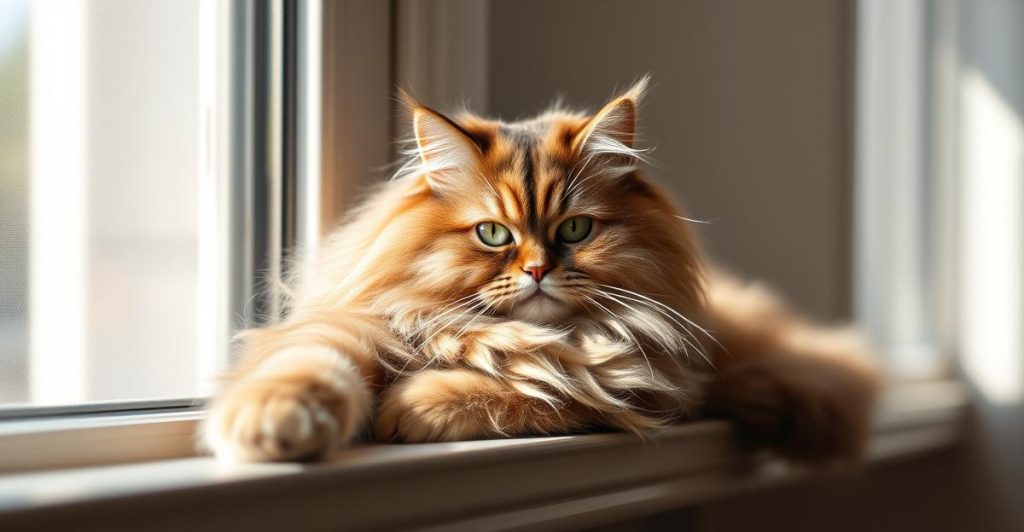
- Vertical space matters. Install sturdy shelves, a cat tree, or window perches so your feline can survey the room from above. Even a simple bookshelf can become a favorite lookout.
- Cozy hideaways. Provide soft boxes, covered beds, or fabric tunnels where your cat can retreat when it wants privacy.
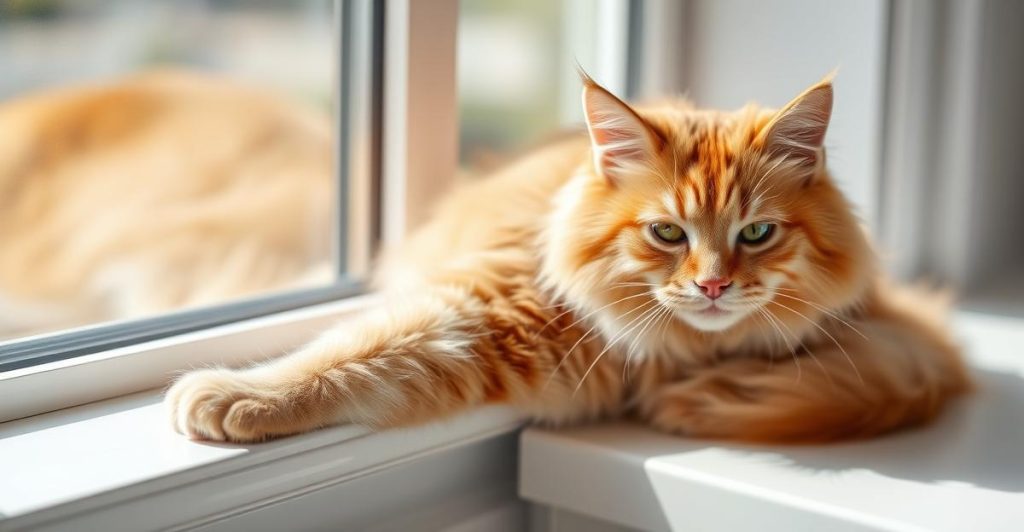
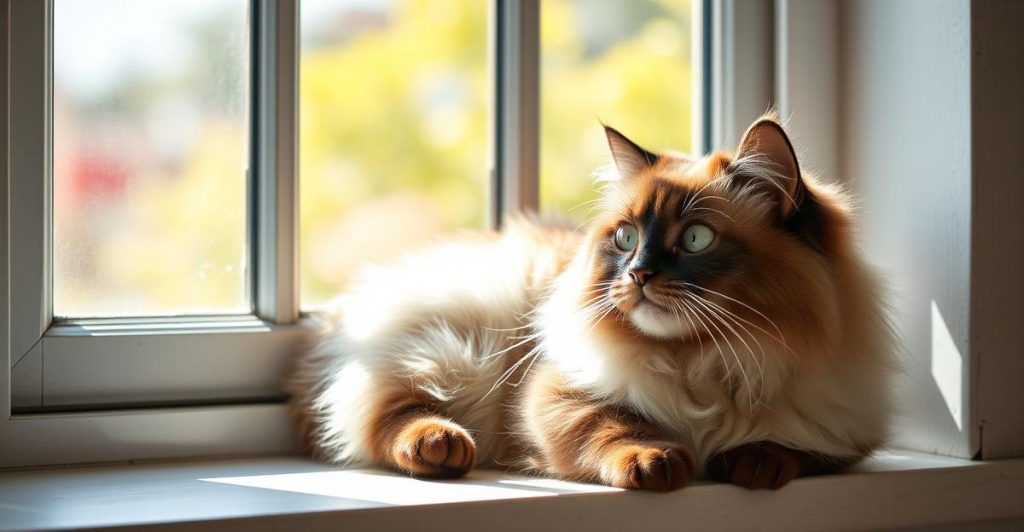
- Safe windows. Keep windows securely screened, then add a perch so your cat can watch birds, leaves, and passing clouds—an effortless source of entertainment.
- Rotate toys. Instead of scattering every toy at once, rotate a few every week. Fresh objects reignite curiosity without overwhelming the space.
2. Prioritize Play and Physical Activity
Play isn’t just fun; it’s a vital component of a happy cat’s daily routine. Engaging in short, interactive sessions mimics hunting behavior, releases pent‑up energy, and strengthens the human‑cat bond.
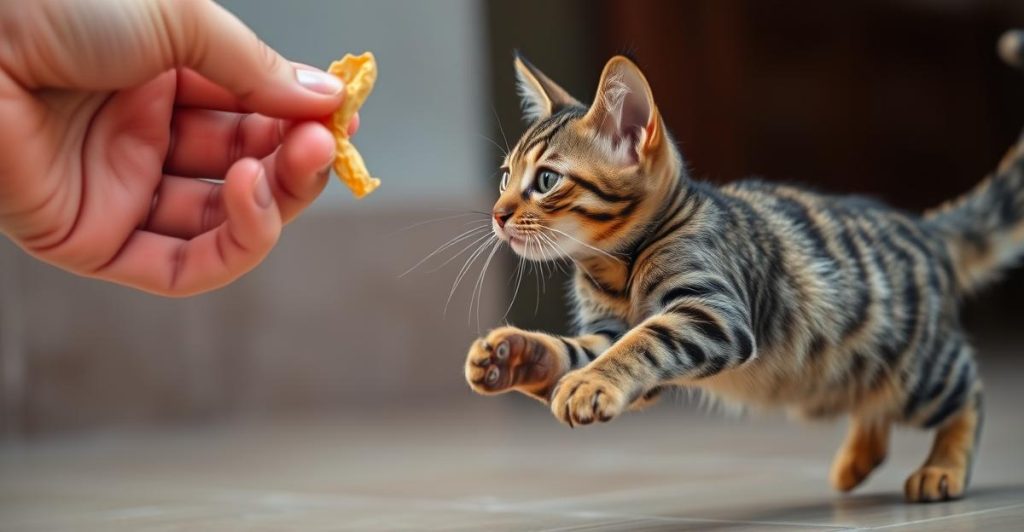
- Short bursts. Aim for 5‑10 minutes of active play 2‑3 times a day. Feather wands, laser pointers, and crinkle balls are excellent for encouraging pouncing.
- DIY obstacles. Use household items like paper bags, cardboard tubes, or a row of cushions to create a mini‑agility course.
- Solo enrichment. Scatter a few treat‑filled puzzle toys or a rolling ball that moves on its own to keep your cat entertained while you’re away.
- Gentle wrestling. Some cats love a light “tug‑of‑war” with a sturdy rope toy. It satisfies the desire to grapple without any risk of injury.
3. Keep Hydration Simple and Appealing
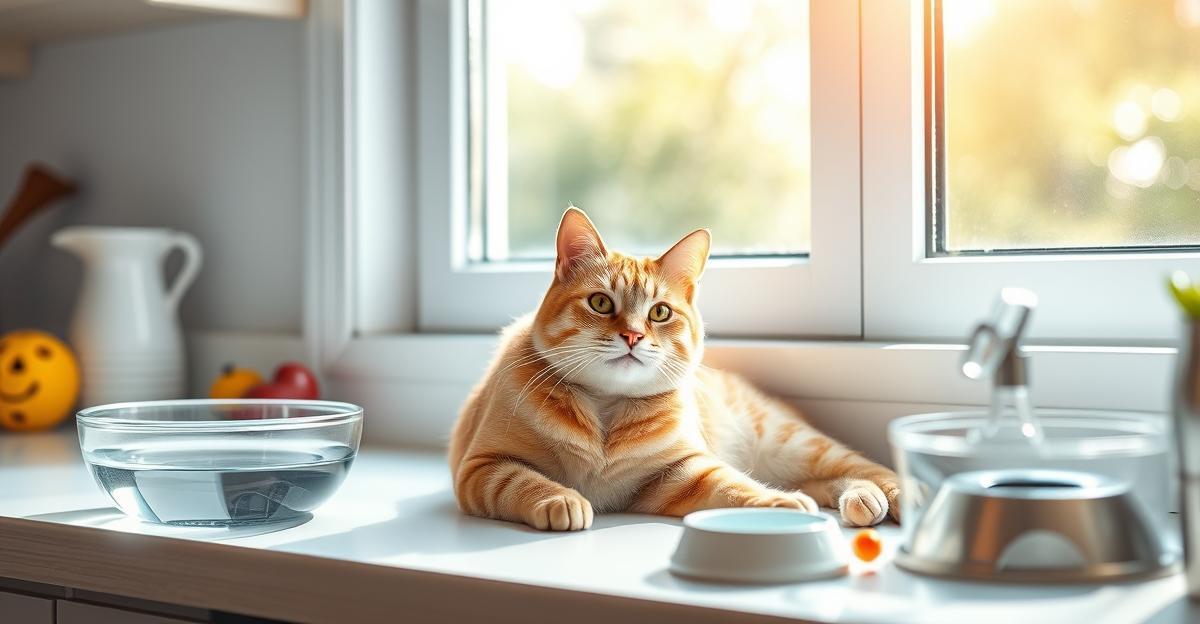
Fresh water is the cornerstone of everyday wellness. Cats often prefer moving water, which can encourage them to drink more and stay comfortably hydrated.
- Water fountains. A low‑noise cat water fountain provides a continuous flow that many cats find irresistible.
- Multiple stations. Place water bowls in several rooms, especially near favorite resting spots, to make drinking convenient.
- Cleanliness. Change the water at least once daily and rinse bowls with mild soap to prevent any lingering odors.
- Ice cubes. Adding a couple of ice cubes to the bowl can create gentle movement and a cool, refreshing sip.
4. Simple Nutrition Habits for Everyday Joy
While we won’t prescribe specific diets, establishing consistent feeding routines and offering variety can boost mood and energy.
- Scheduled meals. Feed at the same times each day to create a comforting rhythm.
- Balanced portions. Offer the amount recommended on the packaging for your cat’s size and activity level, adjusting as needed for weight maintenance.
- Mix textures. Occasionally alternate between wet morsels and dry kibble to keep mealtime interesting.
- Healthy treats. Use small pieces of cooked chicken, freeze‑dried salmon, or commercial cat treats as occasional rewards during play.
5. Grooming Routines That Feel Like Pampering
Regular grooming isn’t just about a tidy coat; it’s a chance for bonding and a way to keep your cat comfortable.
- Brushing sessions. Use a soft brush once or twice a week for short‑haired cats, and a de‑shedding tool for longer coats. It reduces loose hair and mimics the feeling of a mother cat’s lick.
- Nail trims. Trim the tip of each nail every few weeks. A gentle approach with a cat‑specific nail clipper keeps claws from snagging on fabrics.
- Dental care. Offer dental chews or a soft toothbrush designed for cats a few times a week to maintain fresh breath and oral comfort.
- Ear checks. Gently wipe the outer ear with a damp cotton ball if you notice wax buildup—just a quick, soothing touch.
6. Consistent Routine and Positive Reinforcement
Predictability reduces stress, while positive reinforcement encourages desirable behaviors. Together, they lay the groundwork for a confident, happy cat.
- Predictable daily flow. Keep feeding, play, and bedtime at similar times, so your cat knows what to expect.
- Reward good behavior. Offer a treat or gentle petting when your cat uses the scratching post or chooses a designated spot over furniture.
- Calm greetings. Approach with a soft voice and slow movements, especially after you’ve been away, to avoid startling your cat.
- Safe zones. Ensure there’s always a quiet area where your cat can retreat without disturbance.
Indoor vs. Outdoor Play Activities: A Quick Comparison
| Aspect | Indoor Play | Outdoor Play |
|---|---|---|
| Safety | Fully controlled environment; no traffic or predators. | Requires supervision or a secure enclosure; exposure to weather and wildlife. |
| Stimulation | Can be enhanced with toys, puzzles, and rotating objects. | Natural scents, sounds, and moving prey‑like insects provide varied stimuli. |
| Exercise Intensity | Depends on owner‑initiated play; can be scheduled. | Often more vigorous due to chasing real insects or exploring terrain. |
| Convenience | Available any time, regardless of weather. | Limited by daylight and climate conditions. |
| Social Interaction | Opportunities for human‑cat bonding and indoor multi‑cat play. | Potential encounters with other animals; may need gradual introductions. |
7. Enrich the Senses with Simple Aromas and Sounds
Cat senses are finely tuned; subtle sensory touches can elevate everyday happiness.
- Cat‑mint and silvervine. Sprinkle a small amount on scratching posts or toys for a burst of playful excitement.
- Soft background music. Classical or gentle instrumental tracks can create a calming atmosphere.
- Nature videos. A short clip of birds or fish displayed on a tablet can captivate a cat’s attention during quiet afternoons.
- Textured blankets. Offer a variety of fabrics—plush, fleece, or woven mats—to satisfy different tactile preferences.
8. Encourage Natural Instincts with Scratch‑Friendly Solutions
Scratching is a vital behavior for claw maintenance and territory marking. Providing appropriate outlets keeps both cat and furniture happy.
- Variety of posts. Offer vertical posts, horizontal boards, and angled scratchers to match your cat’s preferred angle.
- Strategic placement. Position a post near a favorite resting spot or next to a piece of furniture that your cat currently scratches.
- Entice with scent. Rub a bit of cat‑mint or a favorite treat on the post to draw attention.
- Positive reinforcement. Praise or reward your cat each time it uses the appropriate scratcher.
9. Celebrate Milestones with Low‑Stress Celebrations
Special moments—like a new kitten joining the family or a birthday—are perfect opportunities to reinforce happiness without overwhelming your cat.
- Quiet party. Keep decorations minimal and avoid loud noises. A new toy or a special treat placed in a familiar spot works wonders.
- Extra cuddle time. Offer a gentle grooming session or a calm lap nap session as a “gift.”
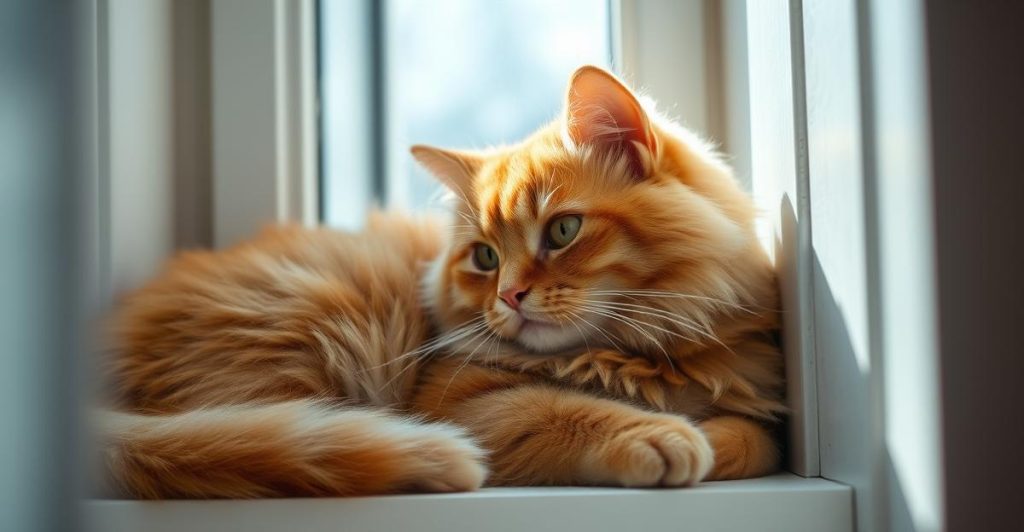
- New perch. Introduce a fresh window perch or a soft hammock as a surprise upgrade to their habitat.
- Photo session. Capture candid moments with a soft click of the camera; many cats enjoy the gentle sound and attention.
10. Regular Check‑Ins and Gentle Observation
While we’re not diagnosing, simply observing your cat’s daily habits can alert you to any shifts in mood or energy, allowing you to adjust the routine for continued joy.
- Energy levels. Notice if your cat is more or less active than usual and adapt playtime accordingly.
- Eating and drinking. Keep an eye on how often they visit food and water stations; a sudden change might indicate a need for a routine tweak.
- Vocalizations. A cat that suddenly meows more often may be seeking extra interaction—respond with gentle petting or a short play session.
- Body language. Tail position, ear orientation, and eye dilation are clues to comfort. Respond with a calm voice and reassuring touch when they appear uneasy.
Frequently Asked Questions
How often should I rotate my cat’s toys?
Rotating toys every 5‑7 days keeps them fresh and exciting. Place a few favorites out, store the rest, then swap them out. This simple cycle renews interest without needing a constant influx of new items.
My cat seems bored with indoor play. What can I add?
Introduce interactive puzzle feeders, a cat‑friendly window perch, or a short, supervised outdoor adventure in a secure harness. Even a simple cardboard box with a cut‑out tunnel can become an instant favorite.
Is a water fountain really necessary?
Many cats are attracted to moving water, which can encourage more frequent drinking. If your cat prefers still water, ensure bowls are refreshed multiple times daily and placed in quiet, low‑traffic areas.
Can I use human foods as treats?
Small pieces of cooked chicken, plain boiled fish, or a tiny bit of pumpkin can be occasional delights. Always avoid seasonings, onions, garlic, or any toxic ingredients. Treats should never exceed 10 % of daily caloric intake.
Disclaimer: This article is intended for informational and entertainment purposes only. It does not replace professional veterinary advice. Always consult a qualified vet for your cat's health and dietary needs.