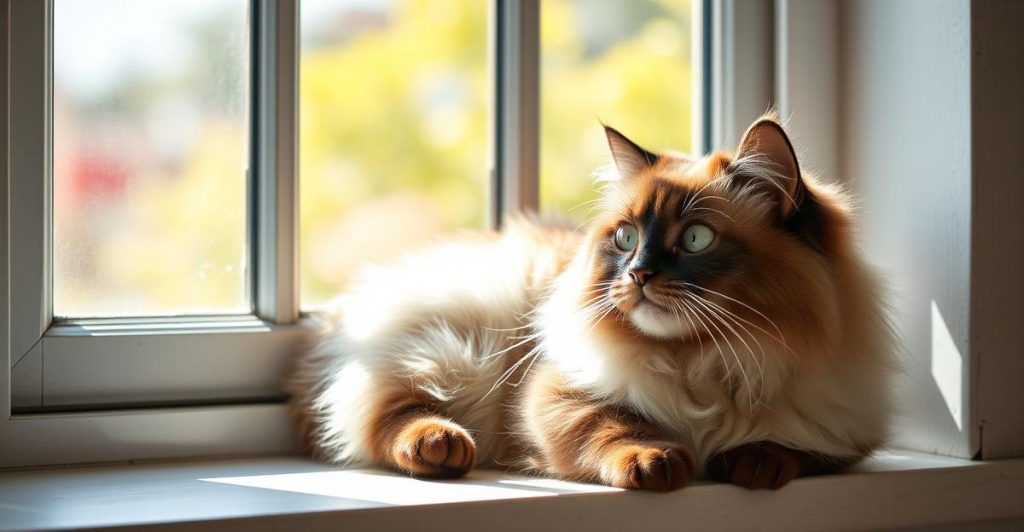

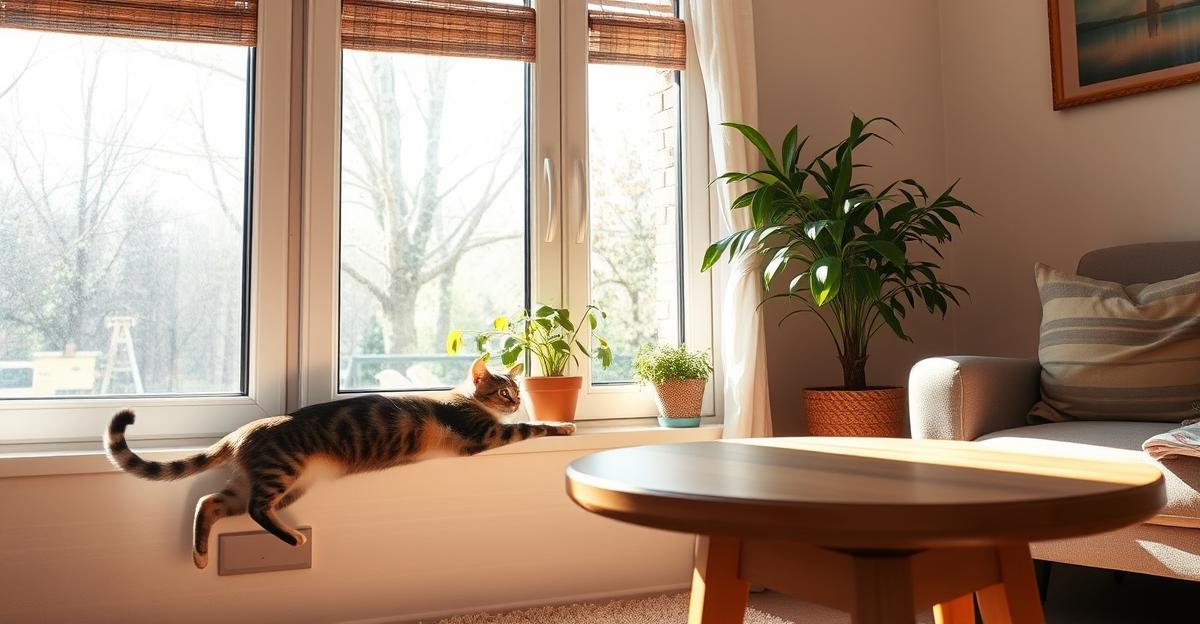
There’s nothing quite like the sight of a cat darting across the living room, pouncing on a feather wand, or curling up in a sunbeam with a contented sigh. Those moments of pure, unfiltered joy are the heartbeats of a happy cat’s day, and they’re also the clues that tell us we’re doing something right as caretakers. Whether you’re a seasoned feline fan or a brand‑new cat parent, learning how to weave playful, enriching habits into every sunrise and sunset can transform ordinary routines into a vibrant lifestyle for both you and your whiskered companion. Below, we’ll explore simple, research‑backed ways to keep your cat joyfully active, all while nurturing the calm confidence that defines a truly happy cat.
Understanding What Makes a Cat Happy
Before you can design a day packed with fun, it helps to know the basic ingredients of feline happiness. Cats are natural hunters, explorers, and social beings—though they often show affection on their own terms. A happy cat typically displays a relaxed posture, a soft, rhythmic purr, and a curious gaze that follows movement around the room. These subtle signals are your roadmap to crafting activities that feel rewarding rather than stressful.
- Instinctual play: Cats love to stalk, pounce, and bat at moving objects. Mimicking prey behavior triggers their inner hunter.
- Environmental variety: Changing textures, heights, and scents keeps a cat’s mind sharp.
- Social interaction: Gentle petting, talking, and shared rituals build trust and reinforce a sense of belonging.
- Predictable routines: Cats thrive on consistency; knowing when meals, play, and rest occur reduces anxiety.
By aligning daily activities with these natural preferences, you’ll set the stage for a cat that radiates contentment and curiosity.
Designing a Daily Play Routine
Just as humans benefit from a morning jog or a midday stretch, cats flourish with scheduled play sessions that tap into their predatory instincts. The key is variety and timing—short bursts of high‑energy fun interspersed throughout the day keep muscles toned and minds engaged without overwhelming a cat’s natural energy cycles.
- Morning burst (5‑10 minutes): Use a wand toy with feathers or a laser pointer to simulate a quick hunt. Aim for high jumps and rapid sprints.
- Midday mystery (5 minutes): Hide a treat inside a puzzle feeder or a crumpled paper ball. This encourages problem‑solving and slows down snacking.
- Afternoon ambush (10 minutes): Set up a “cat tunnel” or a cardboard castle and let your cat explore hidden chambers, emerging to surprise you with a playful pounce.
- Evening wind‑down (5‑10 minutes): Gentle feather toys or a soft plush mouse can help transition from high activity to a calm, cozy night.
Remember to follow your cat’s cues—if they walk away, give them space and try again later. The goal is to make play feel like a rewarding game, not a chore.
Enriching the Home Environment
Even the most enthusiastic play schedule can fall flat if the surrounding environment feels dull. Adding layers of sensory stimulation transforms ordinary rooms into adventure zones that invite exploration at any hour.
- Vertical spaces: Install cat trees, wall‑mounted shelves, or window perches. Cats love to observe from above, and climbing promotes healthy muscles.
- Textured pathways: Lay down sisal rope, carpet runners, or grass mats to give paws different sensations.
- Interactive toys: Battery‑free toys that roll or bounce on their own keep a cat engaged when you’re busy.
- Nature window views: Place a bird feeder outside a sunny window. Watching feathered visitors can provide endless entertainment.
- Safe hideaways: Cardboard boxes, paper bags (without handles), and fabric tunnels offer cozy retreats for moments of privacy.
Rotating toys and rearranging furniture every few weeks prevents boredom and encourages your cat to discover new favorite spots.
Nutrition and Hydration for Ongoing Energy
Fueling a happy cat isn’t about strict diets; it’s about providing balanced, enjoyable meals that support active living. Consistent feeding times help regulate energy levels, while fresh water encourages hydration—a crucial factor for overall vitality.
- Scheduled meals: Offer two to three small meals a day rather than free‑feeding. This mirrors a cat’s natural hunting pattern of several small catches.
- Interactive feeding: Use shallow bowls or puzzle feeders that require a gentle paw swipe, turning mealtime into a light‑exercise session.
- Fresh water stations: Place multiple water dishes around the house or consider a cat‑friendly water fountain to entice drinking.
- Occasional treats: Small portions of cat‑safe treats, like freeze‑dried chicken or catnip‑infused toys, can be used as positive reinforcement during training or play.
These simple habits keep energy steady, support healthy weight, and add an extra layer of mental stimulation to your cat’s day.
Grooming and Gentle Exercise
Regular grooming is more than just keeping fur tidy; it’s an opportunity for bonding and low‑impact exercise. Brushing stimulates circulation, reduces shedding, and can become a calming ritual that both you and your cat look forward to.
- Daily brush: Use a soft‑bristle brush for short‑haired cats and a slicker brush for longer coats. This reduces matting and distributes natural oils for a glossy finish.
- Playful stretching: Gently guide your cat through a “cat yoga” session by encouraging them to stretch forward, arch their back, and extend their paws. This promotes flexibility.
- Claw maintenance: Provide sturdy scratching posts made of sisal or cardboard. Regular scratching keeps claws healthy and satisfies a natural urge.
- Massage moments: Lightly kneading the shoulders and base of the tail can calm a nervous cat and reinforce trust.
These grooming moments double as quiet quality time, reinforcing the bond that underpins a happy cat’s emotional well‑being.
Monitoring Mood and Adjusting Activities
Every cat is an individual, and what excites one may bore another. Paying attention to body language—tail flicks, ear positions, and vocalizations—helps you fine‑tune the daily schedule.
- Positive signs: Slow blinking, relaxed posture, and playful swats indicate enjoyment.
- Neutral signs: A cat that watches from a distance may be curious but not yet ready to engage.
- Adjustment tips: If a toy loses its appeal, swap it for a new texture or sound. If a play session feels too intense, shorten it and add a calming cuddle afterward.
By staying observant and flexible, you ensure that each day remains fresh, stimulating, and, most importantly, fun for your feline friend.
Indoor vs Outdoor Play Activities: Quick Comparison
| Aspect | Indoor Play | Outdoor Play |
|---|---|---|
| Safety | Controlled environment; no traffic or predators. | Potential exposure to cars, other animals, and parasites. |
| Stimuli Variety | Can be enhanced with toys, puzzles, and window views. | Natural scents, insects, and varied terrain provide rich stimulation. |
| Weather Dependence | Unaffected by rain, heat, or cold. | Requires suitable weather; may need shelter or supervision. |
| Exercise Intensity | Can be high with interactive toys and climbing structures. | Often higher due to open space and unpredictable movement. |
| Convenience | Easy to set up anytime; no need for leashes or carriers. | Requires safe outdoor enclosure or supervised outings. |
Frequently Asked Questions
How often should I play with my cat to keep them happy?
Short, frequent sessions work best. Aim for 5‑10 minutes of interactive play 2‑3 times a day, adjusting based on your cat’s energy level and interest.
Can indoor cats be just as active as outdoor cats?
Absolutely. With vertical spaces, varied toys, and regular play routines, indoor cats can achieve comparable exercise and mental stimulation without the risks associated with outdoor environments.
What are some signs that my cat is bored?
Common indicators include excessive sleeping, repetitive meowing, over‑grooming, or a lack of interest in previously enjoyed toys. Introducing new activities or rotating toys can revive curiosity.
Is it okay to let my cat chase laser pointers?
Laser play can be a fun high‑energy activity, but it’s best to end each session by directing the dot onto a tangible toy or treat so your cat experiences the satisfaction of “catching” something.
Disclaimer: This article is intended for informational and entertainment purposes only. It does not replace professional veterinary advice. Always consult a qualified vet for your cat's health and dietary needs.