
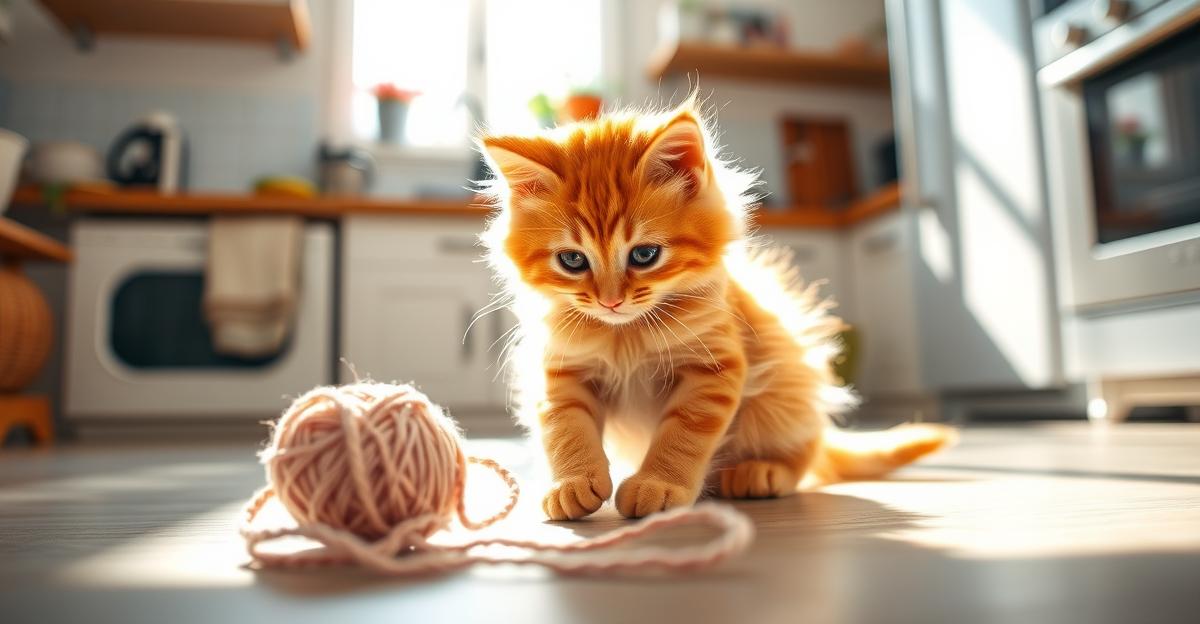
Welcoming a new kitten into your home feels like opening a tiny treasure chest of curiosity, mischief, and endless affection. Those soft paws pattering across the floor, the sudden bursts of playful pounces, and the gentle purrs that echo when they curl up in your lap all signal one simple truth: happy kittens make a happy home. Whether you’re a first‑time cat parent or adding a new furball to an already bustling household, mastering the everyday rituals that keep your kitten thriving can transform ordinary days into a series of joyful moments. In this guide we’ll explore practical, research‑backed habits and playful secrets that nurture confidence, comfort, and contentment, ensuring your kitten grows up as a well‑rounded, exuberant companion.
Understanding Kitten Energy and Play Patterns
Kittens are miniature tornadoes of energy, wired to explore, hunt, and practice the skills they’ll need as adult cats. Their play isn’t just fun—it’s essential practice for coordination, problem‑solving, and social bonding. By observing their natural rhythms, you can tailor activities that match their developmental stage and keep the “happy kittens” vibe alive.
- Short, frequent bursts: Most kittens prefer 5‑10 minute play sessions spread throughout the day rather than one marathon session.
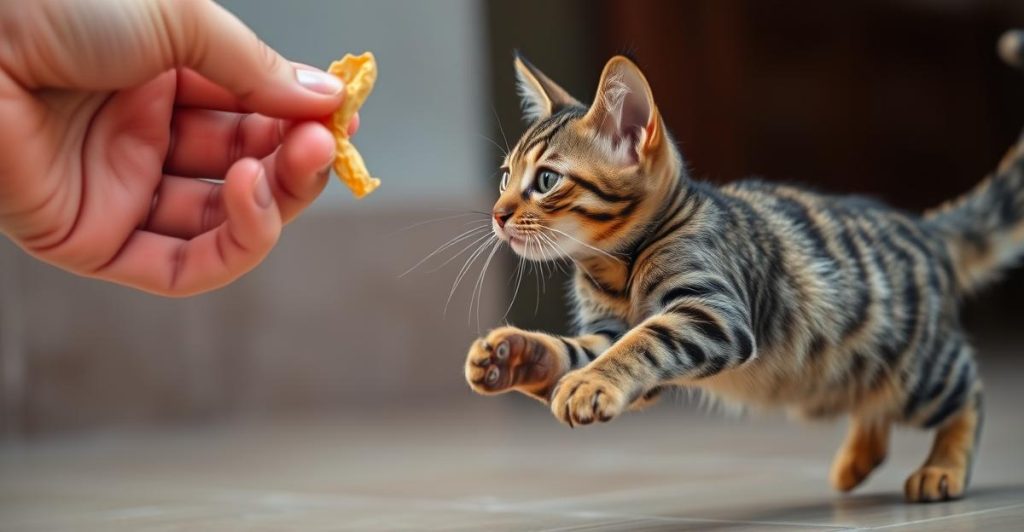
- Predatory instincts: Toys that mimic the movement of prey (wiggling, fluttering, or rolling) trigger their chase‑and‑pounce reflexes.
- Social cues: A gentle head‑butt or a soft chirp often signals that your kitten is ready for interaction.
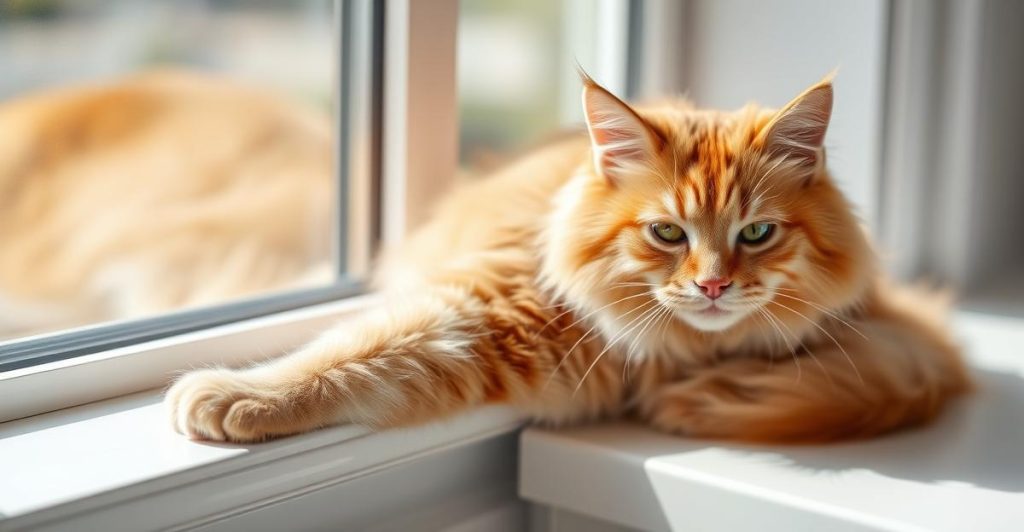
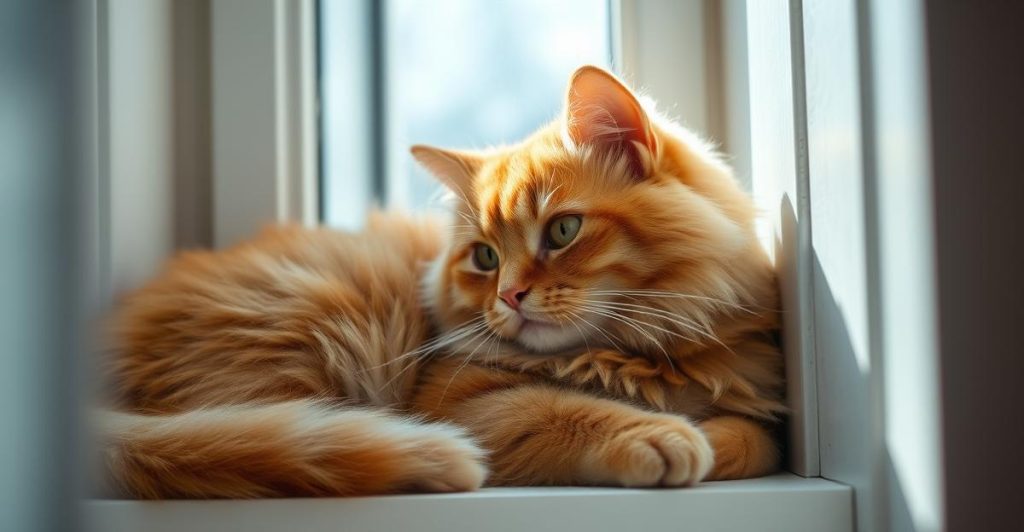
- Rest after activity: After a vigorous sprint, kittens will often find a sunny spot to nap, recharging their batteries for the next round of fun.
Recognizing these patterns helps you anticipate when your kitten is most receptive to play, reducing frustration for both of you and fostering a deeper bond.
Creating a Safe and Stimulating Home Environment
A kitten’s world is a blend of hidden nooks, towering furniture, and everyday objects that can become exciting playgrounds. Safety and stimulation go hand‑in hand; a secure environment encourages exploration without the risk of injury.
- Kitten‑proofing: Secure cords, remove toxic plants, and store small objects that could be swallowed.
- Vertical space: Install sturdy cat trees or wall shelves. Climbing satisfies a natural urge to survey territory from a height.
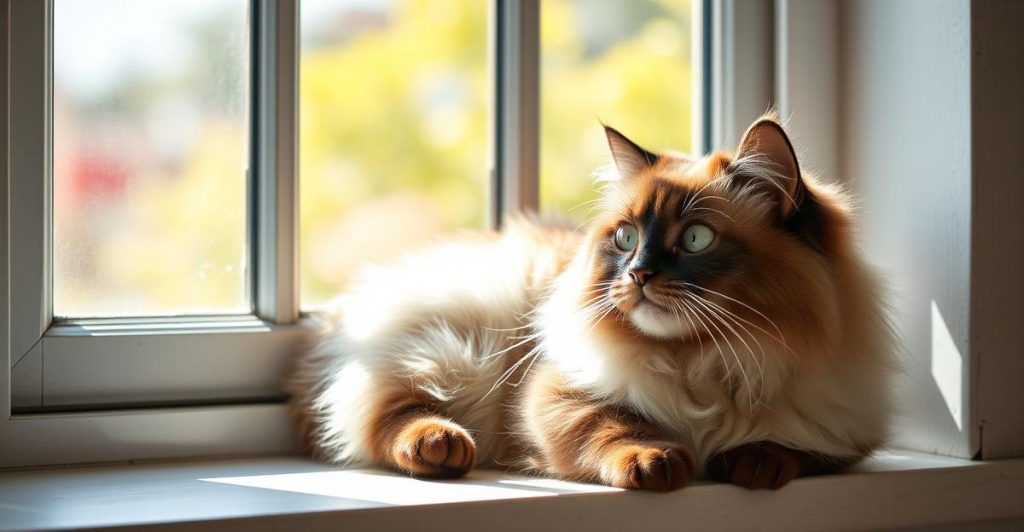
- Cozy hideaways: Provide soft blankets, cardboard boxes, or covered beds where your kitten can retreat when it needs quiet time.
- Interactive zones: Designate a corner with a rotating selection of toys, puzzle feeders, and scratching posts to keep curiosity alive.
By thoughtfully arranging your home, you turn ordinary rooms into a wonderland that encourages confidence, reduces anxiety, and keeps those happy kitten vibes flowing.
Daily Routines That Boost Happiness
Consistency is the secret sauce behind a kitten’s sense of security. A predictable schedule for feeding, play, grooming, and rest helps them understand what to expect, reducing stress and promoting a calm, joyful demeanor.
- Feeding times: Offer small, frequent meals (3‑4 times a day) at the same times each day. This not only supports steady growth but also creates a comforting ritual.
- Grooming moments: Gentle brushing once daily removes loose fur, distributes natural oils, and serves as a soothing bonding activity.
- Play intervals: Schedule short play bursts after meals and before bedtime to channel excess energy.
- Quiet wind‑down: Dim the lights and lower noise levels 30 minutes before sleep to signal that it’s time to settle.
When you weave these routines into the fabric of your day, your kitten learns to anticipate positive experiences, reinforcing a sense of well‑being that radiates through every whisker twitch.
Positive Interaction: Bonding Through Play
Playtime is more than entertainment; it’s a language of love between you and your kitten. Using the right techniques ensures that interaction stays enjoyable and reinforces trust.
- Use wand toys: Feather‑tipped or string‑attached wands let you keep a safe distance while mimicking prey movement.
- Rotate toys: Changing the toy lineup every few days keeps novelty high and prevents boredom.
- End on a positive note: Conclude each session with a gentle petting or a soft treat, reinforcing that play equals reward.
- Avoid hands as toys: Directing play toward objects rather than your fingers teaches appropriate boundaries and reduces accidental scratches.
These simple habits transform play into a two‑way conversation, where your kitten learns to read your cues and you learn to respond to its needs, laying the groundwork for lifelong companionship.
Choosing the Right Toys and Enrichment Tools
Not all toys are created equal. Selecting items that align with a kitten’s developmental stage and natural instincts maximizes engagement and promotes mental agility.
Indoor vs. Outdoor Play Activities
| Aspect | Indoor Play | Outdoor Play |
|---|---|---|
| Safety | Controlled environment; no traffic or predators. | Requires supervision; potential hazards like cars or other animals. |
| Stimuli Variety | Limited to household objects; can be enhanced with puzzle toys. | Natural scents, varied terrain, and sunlight provide rich sensory input. |
| Exercise Intensity | Can be high with interactive toys, climbing structures. | Often higher due to open space for running and jumping. |
| Social Interaction | Focused one‑on‑one time with owner. | Opportunities to encounter other cats (if safe) and people. |
| Convenience | Play anytime, regardless of weather. | Dependent on climate and daylight. |
Both indoor and supervised outdoor sessions have unique benefits. Mixing the two—when feasible—offers a balanced enrichment plan that satisfies curiosity while keeping safety top of mind.
- Interactive puzzles: Treat‑dispensing balls or sliders challenge problem‑solving skills.
- Feather wands and laser pointers: Encourage sprinting, leaping, and precise coordination.
- Catnip‑infused toys: In moderation, they spark brief bursts of playful excitement.
- Scratching posts: Essential for claw health and a natural outlet for stretching.
By rotating these tools and observing which ones elicit the happiest responses, you’ll quickly discover a personalized play toolbox that keeps your kitten engaged day after day.
Socialization and Confidence Building
Early social experiences shape a kitten’s temperament for life. Positive exposure to people, sounds, and gentle handling builds confidence, reduces fear, and cultivates the “happy kittens” aura that radiates throughout the household.
- Gentle handling: Stroke the head, cheeks, and back while speaking in a calm tone. This teaches your kitten that touch equals comfort.
- Introduce new sounds: Play soft recordings of household noises (vacuum, doorbell) at low volume, gradually increasing intensity.
- Visitor etiquette: Ask guests to let the kitten approach first, offering a treat for calm behavior.
- Playdate possibilities: If you have a vaccinated, well‑behaved cat friend, short supervised interactions can teach valuable social cues.
Consistent, low‑pressure exposure ensures that your kitten grows into a well‑adjusted adult cat, comfortable in a variety of environments and situations.
Maintaining a Healthy Lifestyle Without Medical Jargon
While we steer clear of diagnosing or prescribing treatments, there are everyday habits that naturally promote a kitten’s overall well‑being.
- Hydration stations: Place fresh water bowls in multiple locations; consider a cat‑friendly fountain to encourage sipping.
- Gentle exercise: Daily play sessions keep muscles toned and joints supple.
- Clean litter area: A tidy litter box reduces stress and encourages consistent bathroom habits.
- Regular grooming: Brushing reduces hairballs and provides a calming ritual.
These simple, preventive habits create a foundation for a vibrant, contented kitten—one that purrs with satisfaction and explores the world with confidence.
Frequently Asked Questions
How often should I play with my kitten each day?
Aim for 4‑6 short sessions lasting 5‑10 minutes each. Kittens thrive on frequent bursts of activity that match their natural energy cycles.
What is the best way to introduce a new kitten to an existing cat?
Start with scent swapping—exchange bedding or use a soft cloth to transfer scents. Then allow visual contact through a baby gate before a supervised face‑to‑face meeting. Keep initial interactions brief and reward calm behavior.
Can I let my kitten explore the backyard safely?
Supervised outdoor time in a secure, fenced area or a cat‑enclosed patio (catio) can provide enriching sensory experiences. Always watch for potential hazards and ensure the space is escape‑proof.
What types of toys keep a kitten mentally stimulated?
Puzzle feeders, feather wands, crinkly balls, and interactive laser pointers are excellent choices. Rotate toys regularly to maintain novelty and keep curiosity sparked.
Disclaimer: This article is intended for informational and entertainment purposes only. It does not replace professional veterinary advice. Always consult a qualified vet for your cat's health and dietary needs.