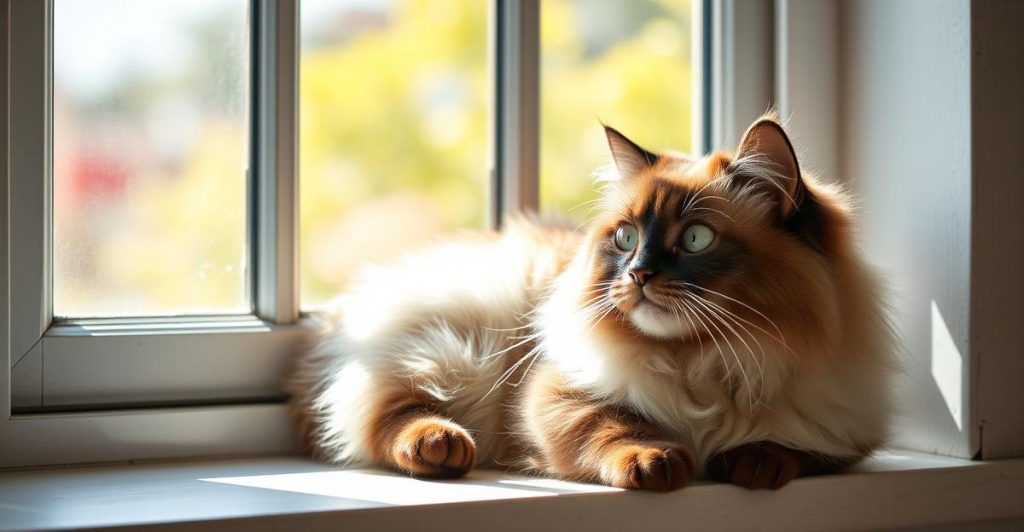

Why My Cat Stares at Nothing and How to Turn It Into Playtime
Ever caught your feline friend locked in a silent, unblinking gaze at an empty corner, a wall, or even the air? You’re not alone. Many cat owners have wondered why their cat stares at nothing, and the truth is that this mysterious behavior often hides a world of curiosity, instinct, and opportunity for fun. In this article we’ll explore the reasons behind the cat staring habit, decode what your cat might be perceiving, and show you creative ways to transform those quiet moments into engaging play sessions that boost happiness, mental sharpness, and overall well‑being.
Understanding the Mystery of Cat Staring
Cats are natural hunters, and their senses are tuned to detect even the faintest movement. When a cat appears to stare at nothing, it is usually reacting to something that is invisible to us—like a tiny dust mote, a subtle change in light, or the faint rustle of a distant insect. This “cat staring” can also be a sign of deep focus, a way to monitor their environment, or simply a moment of relaxation where they are processing sensory input.
Key points to remember:
- Cats have a wider field of view than humans, allowing them to notice movements we miss.
- Their whiskers and ears pick up vibrations and sounds that are imperceptible to us.
- Staring can be a calm, meditative state that helps them stay alert without expending energy.
What Your Cat Might Be Seeing (or Hearing)
Even when it looks like your cat is gazing at an empty wall, they could be tracking:
- Minute insects or spiders crawling along the ceiling.
- Reflections from sunlight that create shifting patterns.
- Soft sounds like the hum of a refrigerator, the ticking of a clock, or the distant chirp of birds.
- Changes in air currents that move curtains or loose paper.
Understanding these hidden stimuli helps you appreciate that the cat staring behavior is not random—it’s an instinctive response to the world’s subtle details. By acknowledging this, you can create more stimulating environments that channel that focus into playful activity.
Turning the Gaze into Play
The good news is that the same attention that fuels cat staring can be redirected into interactive play. Here are practical steps to transform those moments into fun, bonding experiences:
- Use Laser Pointers Wisely: A slow, deliberate laser beam mimics the movement of tiny prey. Move it across the floor or up a wall, encouraging your cat to chase the “invisible” target.
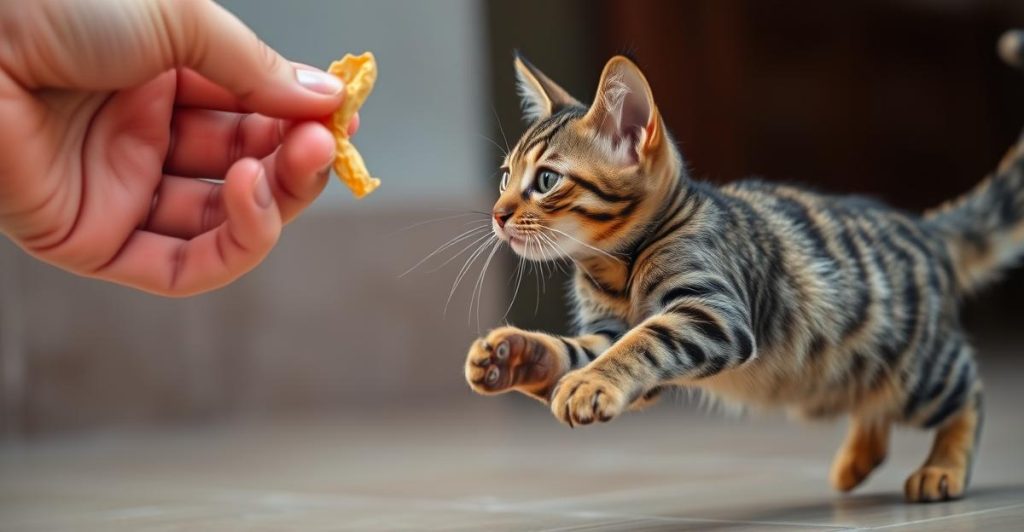
- Feather Wands with Variable Speed: Swing a wand slowly at first, then increase the tempo. This mirrors the unpredictable motion of a bird or insect.
- Interactive Puzzle Toys: Place a treat or kibble inside a puzzle that requires your cat to tap, roll, or slide compartments, keeping their mind engaged.
- Shadow Play: Use a flashlight or a handheld LED to cast moving shadows on a wall. Cats love to pounce on silhouettes that appear out of nowhere.
- Sound-Activated Toys: Toys that emit soft rustling noises when touched can trigger a cat’s hunting instincts, turning a simple stare into a chase.
Remember to keep play sessions short (5‑10 minutes) and varied. This prevents overstimulation and keeps the experience fresh, reinforcing the positive association between the cat’s natural focus and enjoyable activity.
Enriching the Environment for Continuous Curiosity
Beyond direct play, a cat’s environment can be designed to sustain the curiosity that fuels cat staring. Here are some enrichment ideas that blend seamlessly into daily life:
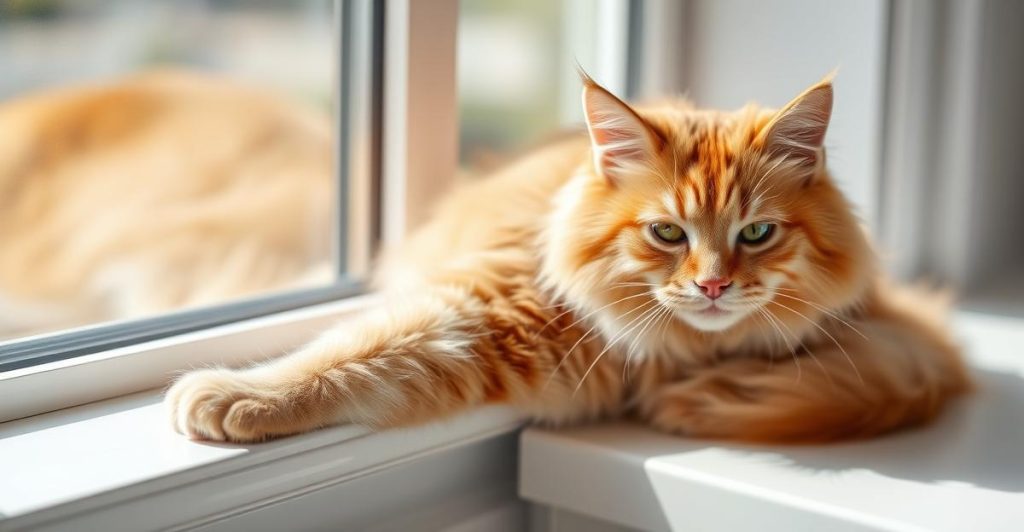
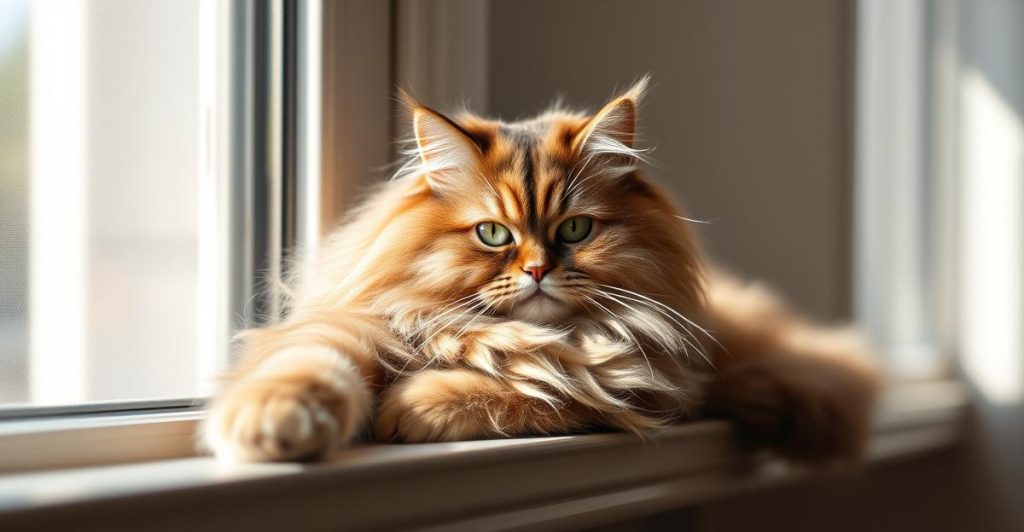
- Window Perches: Install a comfy perch near a sunny window. Cats love to watch birds, leaves, and passing clouds, providing endless visual stimulation.
- Rotating Toys: Keep a small basket of toys and swap them out weekly. The novelty keeps the cat’s attention sharp.
- Cat‑Safe Plants: Catnip, silver vine, and cat grass give a natural scent and texture for exploration.
- DIY Sensory Boards: Attach ribbons, crinkly paper, and small bells to a board at cat height. Your cat can bat and swat at the different textures.
- Scheduled “Observation” Times: Set aside a few minutes each day where you sit quietly with your cat, letting them watch the world. This reinforces trust and acknowledges their need to observe.
These simple adjustments turn ordinary spaces into adventure zones, reducing the chances that your cat will stare at nothing out of boredom and instead channel that focus into purposeful exploration.
Safety Tips for Playful Interactions
While turning cat staring into play is rewarding, it’s essential to keep safety top of mind. Here are a few guidelines to ensure both you and your cat enjoy the experience:
- Never Shine Lasers Directly into Eyes: Keep the beam on the floor or walls, never aiming at the face.
- Choose Toys Appropriate for Size and Age: Small parts can be choking hazards for kittens.
- Monitor Energy Levels: If your cat becomes overly excited, pause the game and let them calm down.
- Provide Escape Routes: Ensure there’s enough space for your cat to move away if they feel overstimulated.
- Rotate Toys Regularly: This prevents wear and tear that could create sharp edges.
By following these safety measures, you’ll create a play environment that supports the cat’s natural instincts while protecting their well‑being.
Building a Routine That Encourages Positive Staring
Consistency is key to turning any behavior into a habit. Here’s a simple routine you can adopt to make the most of your cat’s natural focus:
- Morning Observation: After breakfast, place your cat on a window perch for 5 minutes of quiet watching.
- Midday Play Burst: Use a feather wand or laser pointer for a 5‑minute chase session.
- Afternoon Enrichment: Rotate a puzzle toy with a small treat, letting your cat solve it at its own pace.
- Evening Wind‑Down: End the day with gentle petting and a short grooming session, reinforcing relaxation.
This structured approach balances mental stimulation, physical activity, and calm moments, helping your cat feel satisfied and less likely to stare at nothing out of unmet needs.
Comparison Table: Indoor vs. Outdoor Play Activities
| Activity Type | Benefits | Typical Time Needed | Ideal For |
|---|---|---|---|
| Window Bird Watching | Visual stimulation, reduces boredom | 10‑15 minutes per session | All ages, especially indoor cats |
| Laser Pointer Chase | High‑intensity exercise, improves agility | 5‑10 minutes per session | Active adults, energetic kittens |
| Outdoor Leash Walk | Exploration, fresh scents, safe outdoor exposure | 15‑20 minutes per walk | Confident cats comfortable with harnesses |
| Interactive Puzzle Toy | Mental enrichment, slow feeding | 10‑20 minutes per use | Problem‑solvers, cats who love treats |
| DIY Sensory Board | Texture exploration, fine‑motor skill development | 5‑10 minutes per session | Curious cats, those who love batting |
Frequently Asked Questions
Why does my cat stare at a blank wall?
Cats have highly sensitive vision and hearing. A blank wall may reflect subtle light changes, dust particles, or faint sounds that capture their attention. The stare is usually a sign of focused observation, not a cause for concern.
Can I use a laser pointer every day?
Laser pointers are great for short bursts of activity, but it’s best to limit sessions to 5‑10 minutes and always end with a tangible toy they can “catch.” This prevents frustration and ensures a satisfying play experience.
What if my cat seems overly fixated and won’t break the stare?
Offer a gentle distraction—such as a soft toy, a treat, or a brief grooming session. If the fixation persists for an unusually long time, consider providing additional environmental enrichment to satisfy their curiosity.
How can I tell if my cat’s staring is a sign of stress?
Stress‑related staring is often accompanied by other signs like flattened ears, tail twitching, or excessive grooming. If you notice a combination of these behaviors, create a calm space, provide hiding spots, and observe for changes. When in doubt, a brief consultation with a veterinarian can give peace of mind.
Disclaimer: This article is intended for informational and entertainment purposes only. It does not replace professional veterinary advice. Always consult a qualified vet for your cat's health and dietary needs.