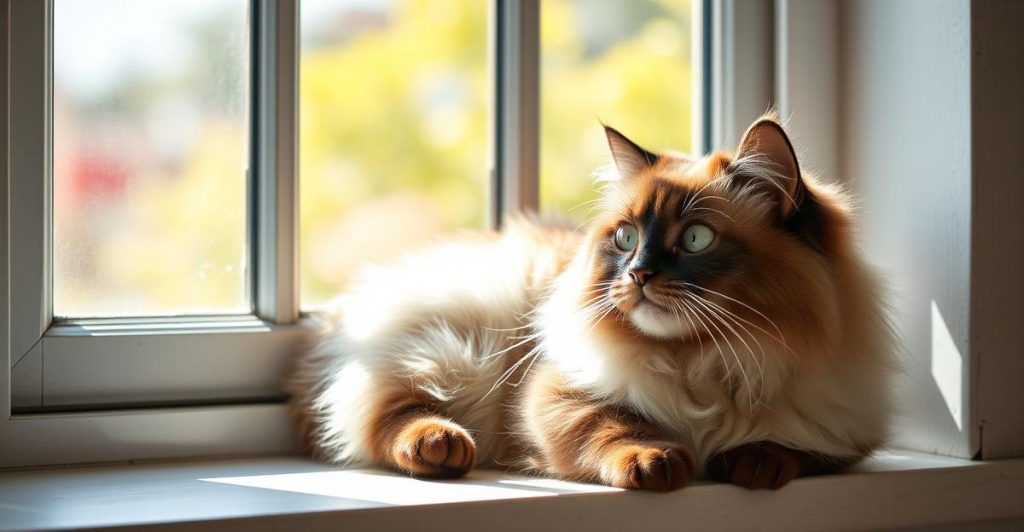

Discover the Playful Personality of the Ragdoll Cat
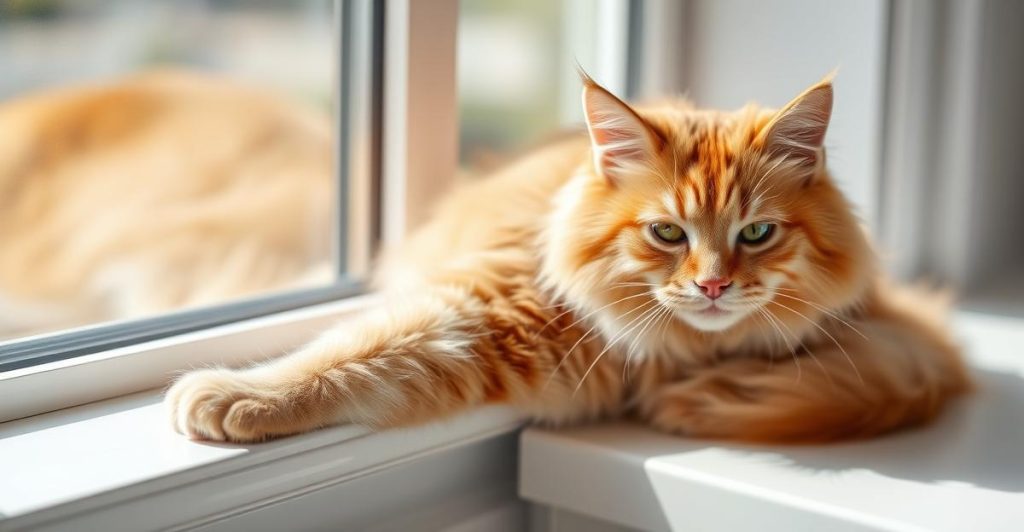
Imagine coming home after a long day to find a soft, plush‑like companion greeting you with a gentle flop, tail curled like a question mark, and eyes that seem to say, “I’m glad you’re here.” That’s the everyday magic of a Ragdoll cat. Known for their affectionate nature and laid‑back charm, Ragdolls bring a unique blend of calm and curiosity into any household. In this article we’ll dive deep into the delightful Ragdoll personality, explore how to nurture their playful spirit, and share practical tips for creating a happy, thriving environment for these gentle giants.
From Swedish Roots to Living‑Room Legends
The Ragdoll’s story begins in the 1960s on a modest farm in Riverside, California, where breeder Ann Baker set out to create a cat that combined the elegance of a Siamese with a temperament as relaxed as a kitten’s. The first blue‑pointed kitten, named “Ragdoll,” earned his name because he would go limp when cradled, a trait that would become the hallmark of the breed.
Over the decades, the Ragdoll’s striking blue eyes, semi‑long silky coat, and striking point coloration have captured the hearts of cat lovers worldwide. Yet beyond looks, it’s the breed’s unmistakable personality that keeps owners coming back for more. Understanding this personality helps you match a Ragdoll’s needs with your lifestyle, ensuring a harmonious partnership.
Decoding the Ragdoll Personality
When people talk about the Ragdoll personality, several key traits consistently surface:
- Gentle & Calm: Ragdolls are often described as “dog‑like” because they love to follow their owners from room to room.
- Social & Affectionate: They thrive on human interaction, seeking laps, cuddles, and even gentle head‑butts.
- Playful Curiosity: While they enjoy lounging, Ragdolls also love interactive toys, feather wands, and puzzle feeders.
- Adaptable: Whether you live in a bustling city apartment or a spacious suburban home, a Ragdoll can adjust as long as they feel secure and loved.
- Low‑Stress Temperament: They rarely display aggression, making them excellent companions for children and seniors.
These traits combine to create a cat that is both a gentle lap warmer and an enthusiastic playmate. Knowing how to channel each aspect of the Ragdoll personality will help you keep your feline friend both mentally stimulated and emotionally satisfied.
Playtime Preferences: Turning Curiosity into Confidence
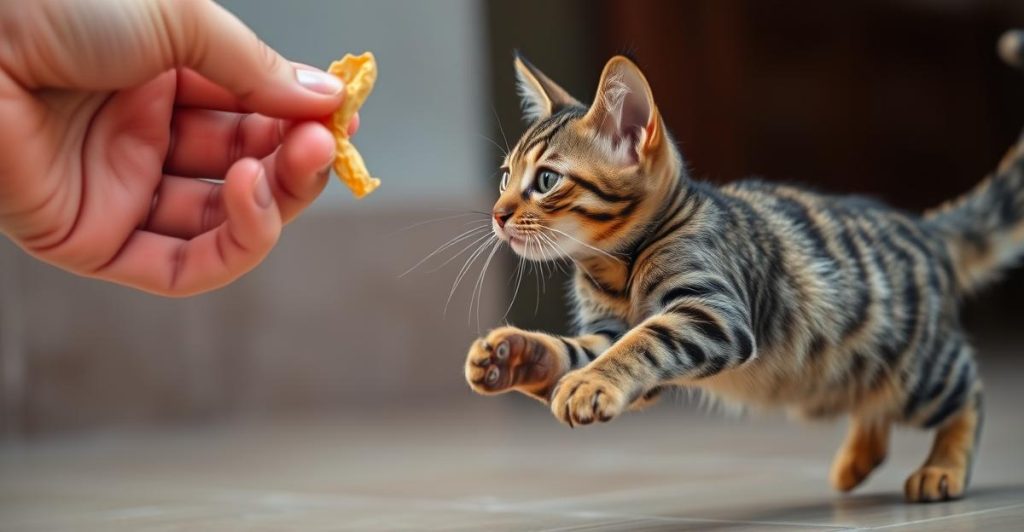
Play is the language through which a Ragdoll expresses its curiosity and builds confidence. Here are some proven strategies to keep your Ragdoll engaged:
- Interactive Wand Toys: Feather‑tipped wands mimic the flutter of a bird, triggering the Ragdoll’s natural hunting instincts.
- Laser Pointers: Use short bursts and always end with a tangible toy so your cat can “catch” something, preventing frustration.
- Puzzle Feeders: These combine mental stimulation with a snack reward, perfect for a breed that enjoys gentle problem‑solving.
- Cat Trees with Soft Platforms: Ragdolls love to perch high, survey their domain, and then gracefully hop down for a cuddle.
- DIY Cardboard Castles: Simple cardboard boxes turned into tunnels or hideaways become instant adventure zones.
Remember, a Ragdoll’s play sessions are often shorter but intense. Offer several short play periods throughout the day rather than one marathon session, mirroring their natural burst of energy followed by a cozy nap.
Grooming and Daily Care: Keeping the Coat as Soft as a Cloud
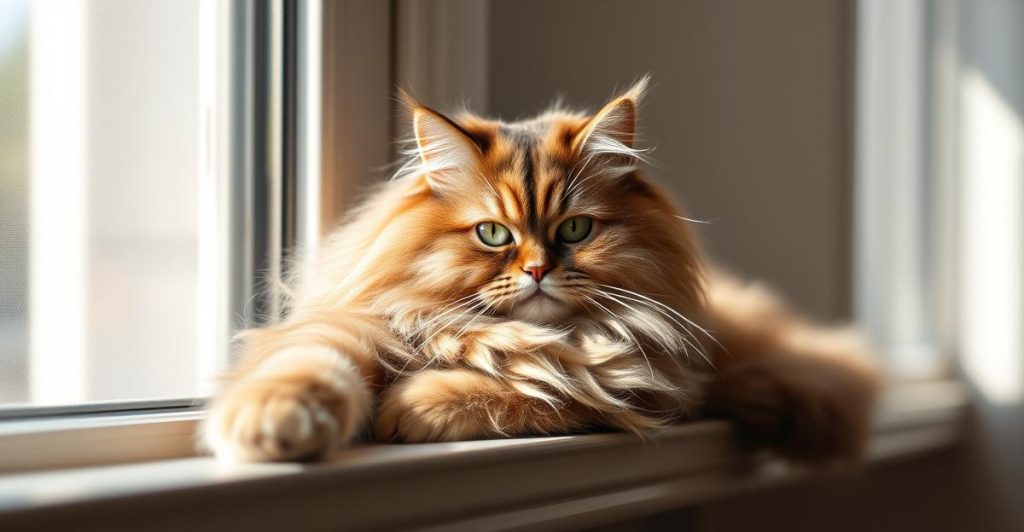
The Ragdoll’s semi‑long, silky coat is one of its most iconic features. Regular grooming not only maintains that plush feel but also supports overall wellness by reducing matting and promoting circulation.
- Brushing Frequency: Aim for a gentle brush 2‑3 times per week using a slicker brush or a wide‑tooth comb. This removes loose hair and prevents tangles.
- Bathing: Ragdolls rarely need full baths; a splash in a shallow basin with a mild, cat‑safe shampoo once every few months is sufficient.
- Nail Trimming: Trim the tips every 2‑3 weeks to keep them comfortable, especially if your cat enjoys climbing.
- Dental Care: Offer dental treats or a soft toothbrush a few times a week to maintain fresh breath and gum health.
- Hydration Stations: Place multiple water bowls or a cat water fountain around the house to encourage regular drinking.
These simple routines become bonding moments, reinforcing the trust that lies at the heart of the Ragdoll personality.
Socializing Ragdolls with Family, Children, and Other Pets
Because of their gentle and sociable nature, Ragdolls often become the “family cat” that gets invited to bedtime, movie nights, and even the occasional outdoor picnic (on a leash, of course). Here’s how to ensure smooth interactions:
- Early Exposure: Introduce kittens to a variety of sounds, textures, and gentle handling during the first few months.
- Supervised Play with Children: Teach kids to use soft hands, avoid pulling the tail, and respect the cat’s need for quiet time.
- Gradual Introduction to Other Pets: Use scent swapping (blankets, toys) before face‑to‑face meetings, and keep initial encounters short and positive.
- Safe Outdoor Adventures: A well‑fitted harness and leash allow you to share a controlled outdoor experience without compromising safety.
- Consistent Routine: Ragdolls appreciate predictability; feeding, play, and cuddle times should be as regular as possible.
When you respect their boundaries and celebrate their affectionate side, a Ragdoll quickly becomes the heart of the household.
Choosing the Right Ragdoll for Your Home
Not every Ragdoll is identical; subtle differences in temperament, activity level, and coat pattern can influence how well they fit into your lifestyle. Consider these factors before bringing a new Ragdoll home:
- Activity Level: Some Ragdolls are more energetic, preferring interactive toys, while others are true couch potatoes.
- Coat Color & Pattern: Classic, mitted, and bicolor patterns each have unique markings. Choose one that resonates with your aesthetic preferences.
- Age: Kittens are playful and adaptable, but adult Ragdolls often come with a more defined personality, making it easier to match expectations.
- Breeder Reputation: Seek breeders who prioritize health, socialization, and ethical practices. A reputable breeder will provide a health guarantee and a detailed background on the kitten’s parents.
- Living Space: Ensure you have enough room for climbing structures, play zones, and quiet retreat spots.
Taking the time to assess these elements will help you select a Ragdoll whose personality aligns perfectly with your home’s rhythm.
Indoor Play vs. Outdoor Play Activities for Ragdolls
| Activity | Indoor Benefits | Outdoor Benefits | Safety Tips |
|---|---|---|---|
| Feather Wand Chase | Stimulates hunting instincts; easy to control environment | Can be done on a patio with fresh air | Use a secure leash if outdoors; keep wand away from traffic |
| Laser Pointer Play | Provides quick bursts of exercise; minimal mess | Allows for larger movement area in a fenced yard | Never shine directly into eyes; end with a tangible toy |
| Puzzle Feeder | Encourages mental stimulation while feeding | Can be hidden in garden corners for foraging fun | Check for weather damage; keep dry when outdoors |
| Cat Tree Exploration | Offers vertical space; safe climbing surface | Outdoor cat trees provide fresh scents and birdsong | Secure the tree to prevent tipping; avoid toxic plants nearby |
| Leash‑Walk Stroll | Gentle exposure to new sights through a window | Direct outdoor experience, new textures under paws | Use a properly fitted harness; stay on quiet paths |
Frequently Asked Questions
Do Ragdolls get along with other cats?
Yes, Ragdolls are generally sociable and can coexist peacefully with other cats, especially when introductions are gradual and each cat has its own safe space.
How much exercise does a Ragdoll need each day?
Short, interactive play sessions totaling 15‑20 minutes spread throughout the day are ideal. Pair this with climbing opportunities and puzzle toys to keep them active.
Are Ragdolls suitable for families with young children?
Absolutely. Their gentle, tolerant nature makes them excellent companions for children, provided the kids are taught to handle the cat with respect and softness.
What is the best way to keep a Ragdoll’s coat shiny?
Regular brushing, a balanced diet, and occasional grooming sessions with a mild cat‑safe shampoo will maintain the coat’s luster and softness.
Disclaimer: This article is intended for informational and entertainment purposes only. It does not replace professional veterinary advice. Always consult a qualified vet for your cat's health and dietary needs.