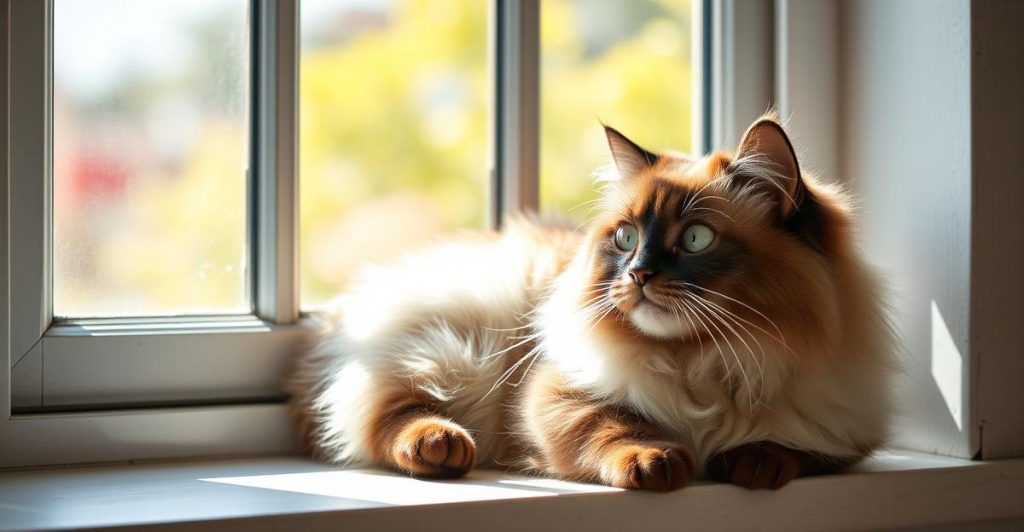

Ever caught your feline friend leaping onto a curtain rod or swatting at a dangling feather and thought, “If only I could channel that energy into something fun?” Teaching your cat fun tricks in minutes isn’t just a party trick—it’s a wonderful way to deepen the bond, stimulate their mind, and add a splash of joy to everyday life. With a little patience, tasty rewards, and the right approach, you’ll discover that even the most independent cat can learn to sit, high‑five, spin, and more. Let’s explore how to turn ordinary moments into extraordinary cat tricks that both you and your whiskered companion will love.
Why Cat Tricks Matter: Benefits Beyond the Wow Factor
When you invest time in teaching cat tricks, you’re doing more than impressing friends. Here are the key perks that go hand‑in‑hand with a happy, well‑rounded kitty:
- Mental stimulation: Learning new behaviors keeps a cat’s brain active, reducing boredom‑related antics.
- Physical exercise: Many tricks involve gentle jumps, stretches, or short sprints, supporting a lean, agile physique.
- Strengthened bond: Positive training sessions build trust and reinforce your role as a caring leader.
- Confidence boost: Successes, even small ones, encourage your cat to explore other challenges.
- Stress relief: Playful interaction releases endorphins for both pet and owner, creating a calmer home environment.
Setting the Stage: Preparing Your Space and Mindset
Before diving into the first trick, create an environment that encourages focus and fun. Cats thrive on routine and clear cues, so a calm, distraction‑free zone is essential.
- Choose a quiet room: A space with minimal foot traffic and limited loud noises helps your cat stay attentive.
- Gather low‑calorie treats: Small, soft treats (like freeze‑dried chicken bites) work best because you can reward frequently without overfeeding.
- Set a timer: Keep each session to 5‑10 minutes; cats have short attention spans, and short bursts keep enthusiasm high.
- Use a consistent cue word: Pick a simple word like “treat” or “yes” and use it every time you reward, so your cat links the sound to positive outcomes.
- Stay patient and upbeat: Your tone and body language convey excitement. If you’re relaxed, your cat will feel safe to try.
Basic Cat Tricks to Master in Minutes
Start with simple, natural movements that most cats already perform. The key is to shape the behavior with gentle guidance and immediate rewards.
1. Sit
The “sit” command is a classic because it mirrors a cat’s instinct to pause before pouncing.
- Hold a treat just above your cat’s head.
- Move the treat back toward their tail; their nose will follow, prompting a natural sit.
- As soon as their rear touches the floor, say “Sit” and give the treat.
- Repeat 5‑7 times, then add the verbal cue before the hand motion.
2. High‑Five
High‑five feels like a playful handshake and works well for cats that enjoy pawing.
- Begin with the “sit” position.
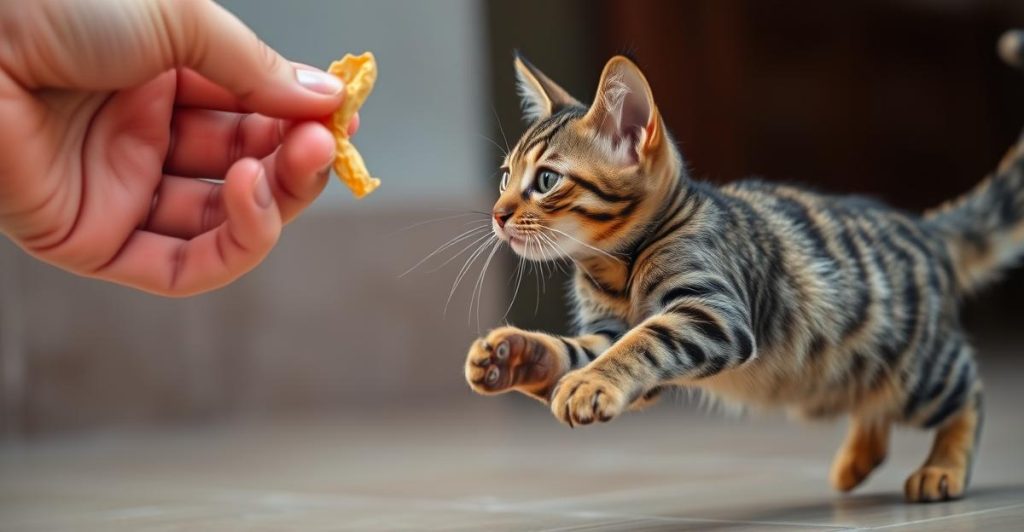
- Hold a treat in your closed fist and present it near your palm.
- When your cat paws at your hand, say “High‑five,” open your palm, and reward.
- Gradually transition to an open hand, encouraging them to touch your palm directly.
3. Spin
Spinning taps into a cat’s love of chasing moving objects.
- Hold a treat near your cat’s nose, then slowly move it in a wide circle.
- Follow their head as they turn; the moment they complete a full circle, say “Spin” and give the treat.
- Practice in both directions to keep the activity balanced.
Positive Reinforcement: The Secret Sauce for Success
Reward‑based training is the most humane and effective method for teaching cat tricks. Here’s how to make every reward count:
- Timing is everything: Deliver the treat within one second of the desired behavior to create a clear association.
- Mix up rewards: Alternate between treats, gentle petting, and verbal praise (“Good job!”) to keep motivation high.
- Keep treats tiny: Aim for pieces the size of a pea; this lets you reward frequently without adding extra calories.
- Fade out treats gradually: Once the trick is reliable, start rewarding every other attempt, then randomly, while still offering praise.
- End on a positive note: Finish each session with a successful trick and a reward, leaving your cat eager for the next round.
Advanced Cat Tricks: Taking the Fun to the Next Level
When your cat has mastered the basics, you can introduce more elaborate tricks that combine movement, problem‑solving, and even teamwork.
Fetch
Believe it or not, many cats love the chase of a lightweight ball or plush mouse.
- Start with a favorite toy that your cat already chases.
- Throw the toy a short distance and encourage your cat to retrieve it.
- When they bring it back, use the cue “Fetch” and reward.
- Gradually increase the distance as confidence grows.
Target Touch
Teaching a cat to touch a specific spot (like a sticky pad or a small wand) opens doors to more complex routines.
- Place a target (e.g., a flat wooden block) on the floor.
- Hold a treat just above the target; the cat will naturally paw at it.
- Say “Touch” the moment the paw contacts the target, then reward.
- Move the target to different heights or angles for added challenge.
Obstacle Course Navigation
Build a mini agility course using household items—tunnels made from cardboard boxes, low jumps from books, and a weaving path of cushions.
- Guide your cat through each element using a treat trail.
- Introduce a cue like “Course” once they’re comfortable.
- Celebrate each successful run with extra playtime.
Choosing the Right Play Activities: Indoor vs. Outdoor Fun
Whether your cat prefers the safety of indoor play or the excitement of outdoor exploration, matching activities to their personality keeps them engaged and happy. Below is a quick comparison to help you decide which options suit your household best.
Indoor vs. Outdoor Play Activities
| Aspect | Indoor Play | Outdoor Play |
|---|---|---|
| Safety | Controlled environment, no traffic or predators. | Exposure to cars, wildlife, and weather. |
| Stimulation | Interactive toys, laser pointers, puzzle feeders. | Natural scents, varied terrain, birds, insects. |
| Exercise Intensity | Can be moderate; depends on play style. | Often higher; chasing and climbing outdoors. |
| Training Opportunities | Easier to use clickers and treats without distraction. | Great for real‑world practice of recall and agility. |
| Social Interaction | Ideal for indoor‑only cats to bond with owners. | Potential for meeting other friendly cats or people. |
Maintaining Momentum: Keeping Tricks Fresh and Fun
Even the most enthusiastic cats can lose interest if routines become stale. Here’s how to keep the learning curve exciting:
- Rotate tricks weekly: Focus on a different skill each week to avoid monotony.
- Introduce new props: Swap a feather wand for a crinkly tunnel or a new plush mouse.
- Combine tricks: Once “Sit” and “High‑five” are solid, ask for a “Sit‑high‑five” combo.
- Celebrate milestones: Capture a video of a successful trick and share it with friends or on social media for extra praise.
- Adjust difficulty: Gradually increase the distance, speed, or precision required for each trick.
Common Mistakes and How to Avoid Them
- Over‑training: Long sessions can lead to frustration. Stick to 5‑10 minute blocks.
- Inconsistent cues: Use the same word and hand signal each time; mixed signals confuse cats.
- Using food as the only reward: Mix in verbal praise and gentle petting to diversify reinforcement.
- Skipping warm‑up play: A quick chase before training helps release excess energy and focus the mind.
When to Take a Break
If your cat walks away, seems disinterested, or shows signs of stress (flattened ears, tail flicking), pause the session. Offer a calm cuddle or a short play break, then try again later. Respecting their mood ensures training remains a positive experience.
Tracking Progress
Consider keeping a simple log of each session: date, trick practiced, number of successful attempts, and any observations. Over weeks, you’ll see patterns, celebrate improvements, and identify areas needing extra practice.
Sharing the Joy
Once your cat has a repertoire of tricks, invite friends over for a mini “cat talent show.” Not only does this showcase your cat’s abilities, but it also reinforces their confidence and strengthens your community of cat lovers.
Final Thought
Teaching cat tricks in minutes is less about perfection and more about the shared adventure. By focusing on short, rewarding sessions, you’ll nurture a curious, content companion who loves to learn and play. So grab a treat, pick a cue, and start the fun—your cat’s next impressive move is just a few minutes away.
Frequently Asked Questions
How long does it usually take for a cat to learn a new trick?
Every cat is unique, but many pick up simple tricks like “Sit” after 3‑5 short sessions. Consistency and positive reinforcement are the biggest factors in speeding up learning.
Can older cats learn tricks, or is this only for kittens?
Absolutely! Senior cats may move a bit slower, but they still enjoy mental stimulation. Use gentle movements, extra patience, and plenty of low‑calorie treats to keep sessions enjoyable.
What if my cat loses interest halfway through training?
Take a break and return later with a different toy or a fresh treat. Short, varied sessions keep curiosity alive. If the disinterest persists, consider whether the cue or environment is causing distraction and adjust accordingly.
Is it safe to use clicker training with cats?
Yes, clicker training is a popular, humane method for marking the exact moment a cat performs the desired behavior. Pair the click with an immediate treat, and your cat will quickly associate the sound with a reward.
Disclaimer: This article is intended for informational and entertainment purposes only. It does not replace professional veterinary advice. Always consult a qualified vet for your cat's health and dietary needs.