
There’s nothing quite like the soft purr of a contented feline curled up in a sunny spot to remind us why we share our homes with cats. Whether you’re a seasoned cat parent or a newcomer eager to learn the ropes, creating a life where your whiskered companion can thrive is both rewarding and fun. In this guide we’ll explore ten simple, everyday habits that turn ordinary moments into opportunities for joy, keeping your cat happy and thriving. Let’s dive into the world of a truly happy cat and discover how small changes can make a big difference.
1. Create a Safe and Stimulating Environment
A happy cat needs a space that feels secure yet exciting. Cats are natural explorers, and providing them with a variety of safe zones helps satisfy their curiosity while reducing stress.
- Vertical territory: Install cat trees, wall shelves, or window perches. Cats love to observe from a height, and a lofty perch can become their favorite lookout.
- Cozy hideaways: Cardboard boxes, fabric tunnels, and covered beds give your cat a private retreat for nap time or quiet contemplation.
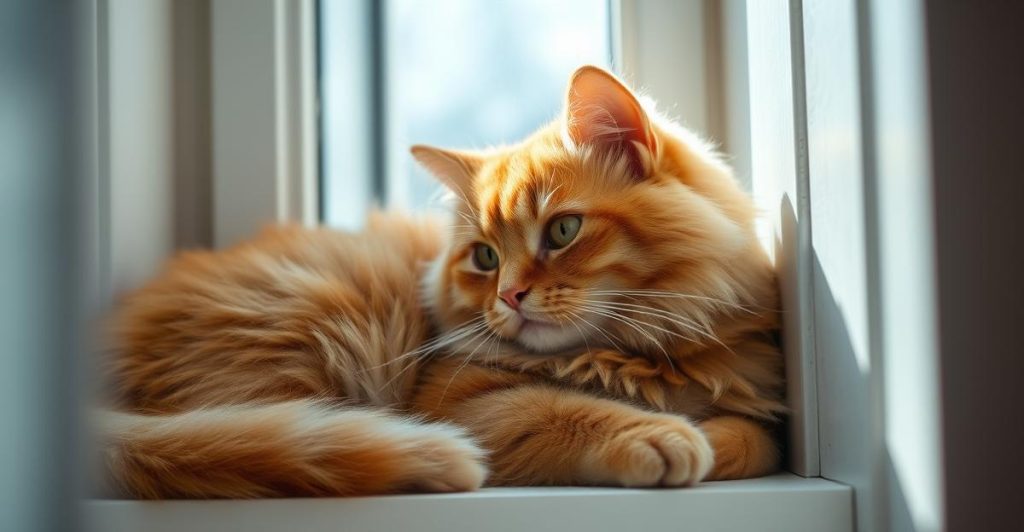
- Window views: Place a perch near a sunny window so your cat can watch birds, squirrels, and the ever‑changing world outside. A simple bird feeder can turn a plain pane into a live entertainment channel.
- Rotation of toys: Swap out toys every week to keep the environment fresh. Even everyday objects like a crinkly paper bag can become a new adventure.
By layering these elements, you’re building a multi‑dimensional playground that encourages natural behaviors and promotes a sense of security.
2. Keep Playtime Fresh and Fun
Play isn’t just a pastime—it’s essential exercise, mental stimulation, and a bonding opportunity. The key to a truly happy cat is variety and interaction.
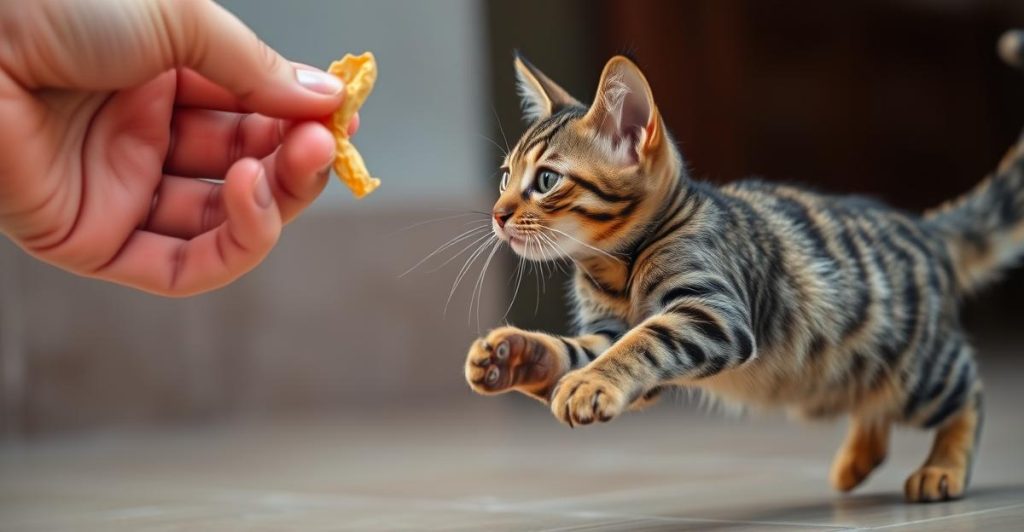
- Interactive wand toys: Feather‑tipped wands mimic the erratic movement of prey, triggering the cat’s instinctual chase response.
- Laser pointers: Short bursts of red light create a fast‑moving target that encourages sprinting and leaping. Always end the session by directing the laser onto a tangible toy so your cat can “catch” something.
- Puzzle feeders: Simple treat‑dispensing toys add a problem‑solving element to snack time, slowing down eating while sharpening the mind.
- Scheduled play sessions: Aim for two 10‑15 minute bursts each day—once in the morning and once in the evening—to match your cat’s natural hunting cycles.
Remember, the goal isn’t to tire your cat out completely but to provide a balanced outlet for energy that leaves them content and ready for a cozy nap.
3. Prioritize Proper Grooming and Hygiene
Regular grooming goes beyond keeping a coat shiny; it’s a ritual that strengthens the bond between you and your cat while supporting overall wellbeing.
- Brushing: Short‑haired cats benefit from a weekly brush to remove loose hair, while long‑haired breeds may need daily grooming to prevent tangles.
- Nail trims: Trim the tips every few weeks to protect furniture and keep your cat’s paws comfortable. Use a cat‑specific nail clipper and work in a calm environment.
- Dental care: Gentle tooth brushing a few times a week with a feline‑safe toothpaste helps maintain fresh breath and oral comfort.
- Ear checks: A quick visual inspection for excess wax or debris ensures your cat’s ears stay clean and irritation‑free.
These simple routines become moments of trust, turning grooming from a chore into a soothing experience for a truly happy cat.
4. Offer Balanced Nutrition and Hydration
Food is more than fuel; it’s a source of enrichment and pleasure. By focusing on routine, variety, and fresh water, you can support a vibrant, energetic cat.
- Consistent feeding schedule: Cats thrive on routine. Offer meals at the same times each day to create a predictable rhythm.
- Fresh water everywhere: Place multiple water bowls or a cat‑friendly fountain in different rooms. Cats often prefer running water, which encourages regular drinking.
- Mix of textures: Alternate between soft pâtés and gentle morsels to keep meals interesting without overcomplicating the diet.
- Healthy treats: Small portions of freeze‑dried chicken or cat‑mint can be used as training rewards or simply as a delightful surprise.
While nutrition is a cornerstone of wellness, the emphasis here is on creating a pleasant routine that supports a lively, contented cat.
5. Encourage Positive Social Interactions
Even the most independent feline enjoys connection—whether it’s with humans, other pets, or the environment. Positive social experiences reinforce confidence and happiness.
- Gentle petting zones: Most cats love being stroked along the head, chin, and base of the tail. Observe your cat’s preferences and respect any signals to stop.
- Playful communication: Use a soft voice and slow blinks to convey trust. Cats often respond with a “slow blink” of their own—a silent “I love you.”
- Introduce new companions slowly: If adding another cat or pet, use scent swapping and short, supervised meetings to reduce anxiety.
- Respect alone time: Provide a quiet space where your cat can retreat when they need a break from interaction.
Balancing affection with independence helps nurture a confident, happy cat who feels secure in their social world.
6. Monitor and Celebrate Your Cat’s Body Language
Understanding the subtle cues of a content feline is a rewarding skill that deepens your bond and ensures you’re meeting their needs.
- Purring and kneading: Soft, rhythmic purrs and gentle paw‑pressing on soft surfaces are classic signs of comfort.
- Tail position: A relaxed, upright tail often signals a happy cat, while a gently swaying tail can indicate focused curiosity.
- Ear orientation: Forward‑facing ears show interest, whereas slightly tilted ears suggest a relaxed, inquisitive mood.
- Play bows: The front legs stretched forward with the rear end raised is an invitation to play—perfect timing for a fun interaction.
Celebrating these moments—by offering a favorite toy, a treat, or a gentle cuddle—reinforces positive experiences and keeps your cat’s days bright.
Comparison Table: Indoor vs. Outdoor Play Activities
| Activity Type | Benefits for a Happy Cat | Safety Considerations |
|---|---|---|
| Indoor laser chase | High‑intensity cardio, mental stimulation, easy to control | End with a tangible toy to avoid frustration |
| Window bird-watching | Visual enrichment, relaxed observation, low physical effort | Secure the window perch; ensure no escape routes |
| Outdoor harness walk | Exploration of new scents, safe outdoor exposure | Use a well‑fitted harness; supervise at all times |
| Indoor puzzle feeder | Problem‑solving, slow feeding, mental engagement | Choose age‑appropriate difficulty; monitor for chewing |
| Garden sniffing session (cat‑safe plants) | Natural aromatherapy, tactile exploration | Avoid toxic plants; supervise to prevent ingestion of soil |
Frequently Asked Questions
How often should I rotate my cat’s toys?
Rotating toys every 5‑7 days keeps the environment fresh and prevents boredom. Store a few favorites out of sight and reintroduce them on a rotating schedule, allowing your cat to rediscover “new” treasures regularly.
What’s the best way to introduce a new cat to my resident cat?
Start with scent swapping—exchange bedding or use a soft cloth to transfer each cat’s scent. Follow with short, supervised visual introductions through a cracked door or baby gate. Gradually increase their time together, rewarding calm behavior with treats and praise.
My cat seems bored despite my efforts. What can I do?
Consider adding vertical enrichment like a new cat tree or window perch. Interactive toys that mimic prey movement (feather wands, motorized mice) can reignite hunting instincts. Also, try short, frequent play bursts throughout the day to match their natural activity spikes.
Is it okay to let my cat drink from the faucet?
Many cats love running water, and a cat‑friendly faucet attachment or a small water fountain can encourage regular hydration. Just ensure the water source is clean and refreshed daily.
Disclaimer: This article is intended for informational and entertainment purposes only. It does not replace professional veterinary advice. Always consult a qualified vet for your cat's health and dietary needs.