
10 Simple Ways to Keep Your Cat Joyfully Healthy
There’s nothing quite like the soft purr of a contented feline curled up on your favorite chair. Watching your whiskered companion chase a feather wand, bask in a sunbeam, or simply stare thoughtfully out the window can turn an ordinary day into a celebration of feline joy. Yet, keeping that “happy cat” vibe alive isn’t just about luck—it’s about intentional, everyday choices that nurture body, mind, and spirit. Below are ten straightforward, science‑backed habits that any cat lover can weave into daily life, turning routine moments into lasting happiness for both you and your furry friend.
1. Design a Safe and Stimulating Home Environment
Cats are natural explorers, and a home that respects their curiosity can dramatically boost their sense of well‑being. By providing safe perches, hidden hideaways, and sensory‑rich zones, you give your cat the freedom to satisfy its instinctual need to observe, climb, and hide.
- Vertical territory: Install sturdy cat trees, wall‑mounted shelves, or repurposed bookshelves. A high perch offers a sense of security and a perfect lookout point.
- Cozy hideaways: Cardboard boxes, fabric tunnels, and soft cat caves become secret retreats where a cat can unwind without interruption.
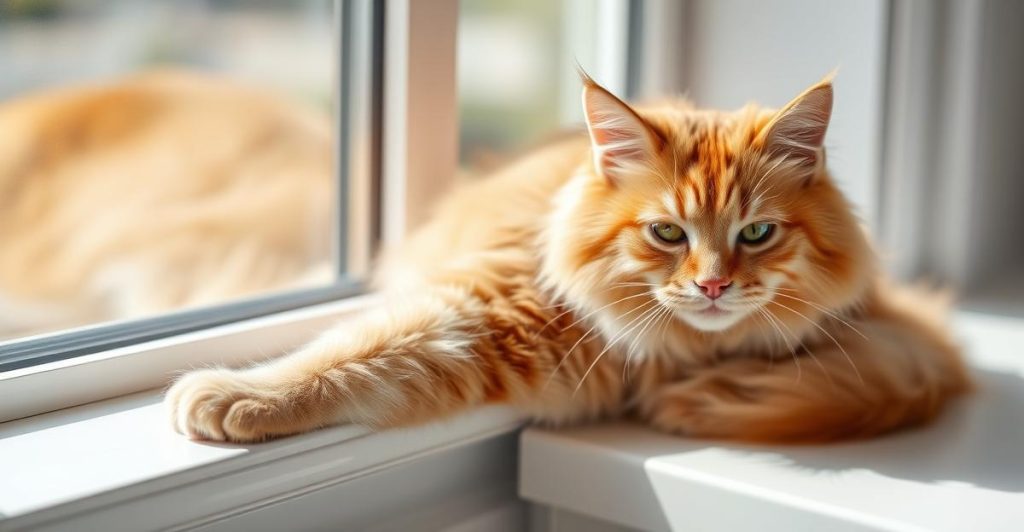
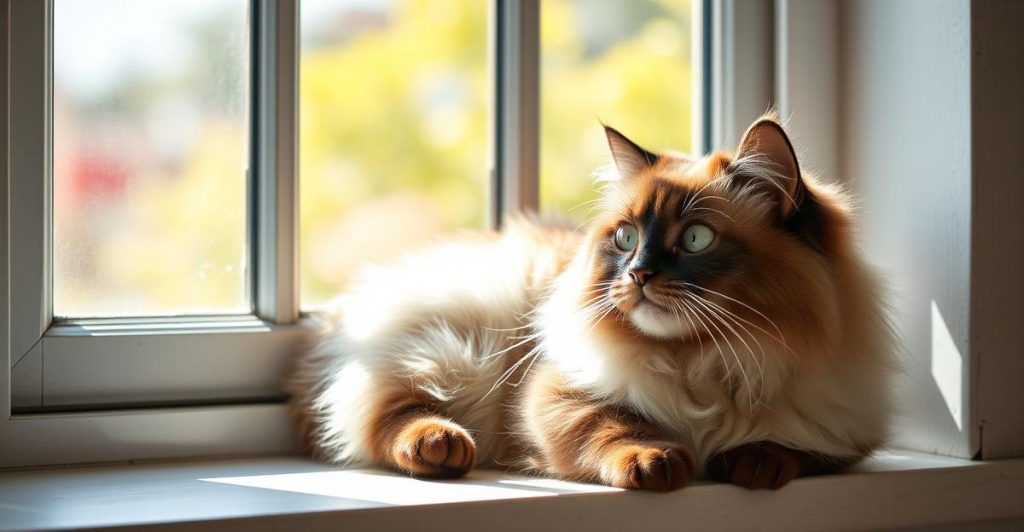
- Window wonderlands: Secure a perch near a sunny window and add a bird feeder outside. The ever‑changing view of birds, squirrels, and passing clouds provides endless entertainment.
- Cat‑friendly plants: Sprinkle a few catnip or cat‑grass pots around the house. These non‑toxic plants stimulate scent glands and encourage gentle chewing.
- Safety first: Keep cords, toxic plants, and small objects out of reach. Use cord protectors and secure any loose wires to prevent accidental play.
When a cat feels safe and engaged in its surroundings, the resulting confidence shines through in its posture, vocalizations, and overall demeanor.
2. Playtime: The Heartbeat of a Happy Cat
Play isn’t just a pastime; it’s a vital exercise for a cat’s physical health and mental sharpness. Short, frequent sessions mimic the bursts of activity a wild cat would experience while hunting, keeping muscles toned and the brain alert.
- Interactive toys: Feather wands, laser pointers, and motorized mice trigger the chase instinct. Rotate toys every few days to keep interest high.
- DIY fun: Simple household items—like a crumpled paper ball or a cardboard box with holes—can become favorite toys when presented with enthusiasm.
- Scheduled play: Aim for two to three 5‑10 minute play bouts each day. Consistency builds anticipation and reinforces positive behavior.
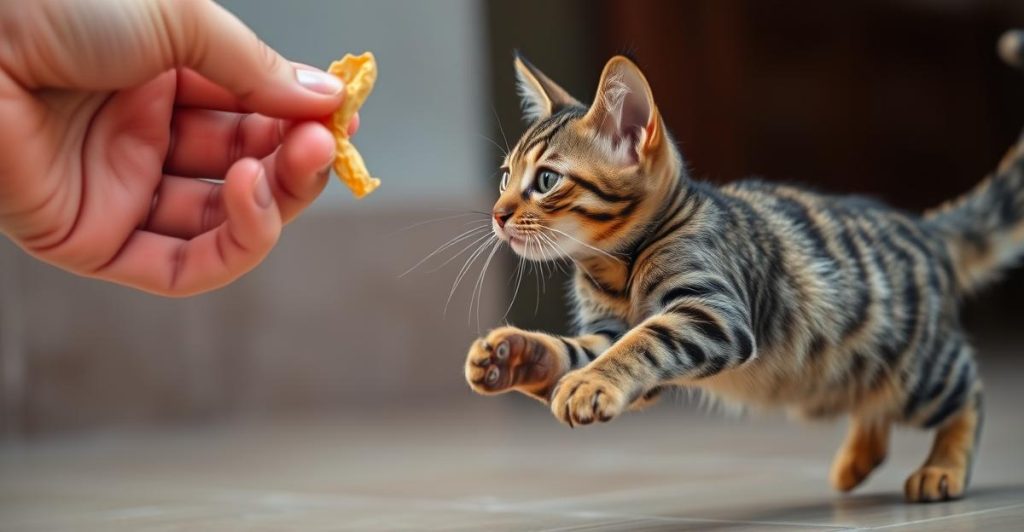
- Reward‑based games: Hide treats in puzzle feeders or under a towel and let your cat “hunt” for them. This combines mental stimulation with a tasty reward.
- Partner play: Involve family members in the fun. A cat that sees multiple humans engaging in play feels more socially connected.
Remember, the goal isn’t to tire your cat out completely—just to provide enough activity to satisfy its natural drive, leaving it relaxed and content for the rest of the day.
3. Nutrition and Hydration for Everyday Joy
Food is more than fuel; it’s a source of pleasure and a way to reinforce positive routines. By focusing on balanced feeding habits and encouraging proper hydration, you set the stage for a vibrant, energetic cat.
- Consistent feeding schedule: Offer meals at the same times each day. Predictability reduces stress and helps your cat anticipate rewarding moments.
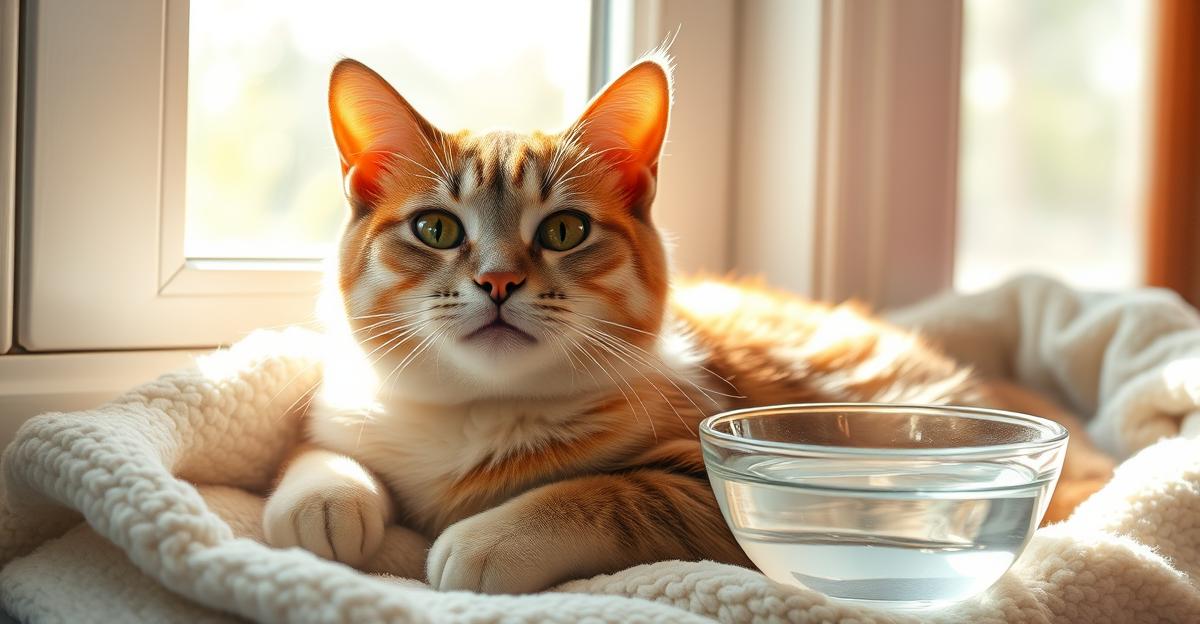
- Fresh water everywhere: Place multiple water bowls in different rooms, or consider a cat‑friendly fountain that keeps water moving and appealing.
- Mix textures: Alternate between wet morsels and dry kibble (if appropriate for your cat) to keep meals interesting and stimulate natural chewing.
- Healthy treats: Small portions of cooked chicken, freeze‑dried salmon, or commercial cat treats can be used as training rewards or simply as a tasty surprise.
- Observe preferences: Pay attention to the flavors and textures your cat enjoys most. Adjust the menu gradually to maintain enthusiasm.
By turning mealtime into a pleasant ritual rather than a chore, you reinforce a sense of security and satisfaction that resonates throughout the day.
Wet vs. Dry Food Habits: Which Keeps Your Cat Happier?
| Aspect | Wet Food Habits | Dry Food Habits |
|---|---|---|
| Moisture Content | High – helps boost daily water intake. | Low – relies on separate water sources. |
| Texture Variety | Softer, more aromatic; often preferred by picky eaters. | Crunchy; promotes dental engagement. |
| Convenience | Requires refrigeration and timely serving. | Long shelf‑life; easy to leave out for free‑feeding. |
| Feeding Routine | Best for scheduled meals; encourages regular play breaks. | Can be used for grazing; may lead to constant nibbling. |
| Cost Consideration | Typically higher per serving. | Generally more budget‑friendly. |
Both wet and dry options can coexist in a happy cat’s diet. The key is to observe your cat’s preferences and blend the two in a way that supports hydration, enjoyment, and a manageable routine for you.
4. Grooming Rituals That Bond and Brighten
Grooming isn’t just about keeping a coat shiny; it’s an intimate bonding experience that reduces stress for both cat and owner. Regular brushing, nail trimming, and ear cleaning (when needed) become moments of trust and affection.
- Brush with purpose: Choose a brush that matches your cat’s coat length. Short‑haired cats enjoy a soft rubber brush, while long‑haired breeds benefit from a wide‑tooth comb.
- Make it a game: Turn grooming into a playful session by offering a treat after each minute of brushing.
- Nail care: Trim the tip of each claw once a month, using a cat‑specific nail trimmer. If your cat resists, try a “step‑by‑step” approach, rewarding calm behavior.
- Ear checks: Gently wipe the outer ear with a damp cotton ball. Avoid inserting anything into the ear canal.
- Dental awareness: Offer dental chews or toys that naturally help clean teeth while your cat chews.
When grooming feels like a shared adventure rather than a chore, your cat’s coat stays glossy, shedding is minimized, and the emotional connection deepens.
5. Enriching Social Interactions and Mental Stimulation
Even the most independent feline thrives on mental challenges and positive social cues. Providing a variety of interactive experiences keeps the brain sharp and the heart content.
- Training tricks: Simple commands like “sit” or “high five” can be taught using clicker training or treat rewards. Success boosts confidence.
- Rotate enrichment items: Swap out puzzle toys, scratching posts, and climbing structures every week to keep curiosity alive.
- Cat‑friendly music: Soft classical or nature sounds can create a calming backdrop, especially during times of change (e.g., moving houses).
- Human interaction: Spend quiet moments petting, talking, or simply sharing space. Cats often mirror the emotional tone of their owners.
- Guest etiquette: If friends visit, introduce your cat gradually and provide a safe retreat area. This prevents overstimulation and maintains a peaceful environment.
These small yet intentional actions turn everyday life into a series of enjoyable learning experiences, ensuring your cat feels both challenged and cherished.
6. Routine Check‑ins and Stress‑Free Vet Visits
Regular, low‑stress check‑ins with a trusted veterinarian keep your cat’s overall wellness on track without venturing into medical specifics. Think of these visits as part of a broader lifestyle plan that celebrates health, happiness, and preventive care.
- Pre‑visit preparation: Place a familiar blanket or toy in the carrier. A comforting scent can ease anxiety.
- Positive reinforcement: Offer a favorite treat right after the carrier is opened, reinforcing a calm association.
- Consistent timing: Schedule routine visits at the same time of year, making the experience predictable.
- Observation at home: Note your cat’s energy levels, appetite, and litter box habits. Sharing these observations with the vet helps shape a holistic wellness plan.
- Celebrate the visit: After the appointment, spend extra cuddle time or engage in a favorite play session. This helps your cat associate the outing with positive outcomes.
By integrating these gentle habits, veterinary appointments become just another part of a happy cat’s balanced lifestyle.
FAQ
How often should I change my cat’s water?
Fresh water should be offered at least once daily. Cats are more likely to drink from a bowl that looks clean and inviting. If you use a fountain, clean it according to the manufacturer’s guidelines every week.
What is the best way to introduce a new toy?
Present the toy slowly, allowing your cat to sniff and investigate at its own pace. Toss it gently across the floor or dangle it from a wand to spark the chase instinct. If your cat seems hesitant, try placing a small treat near the toy to create a positive association.
Can indoor cats be as happy as outdoor cats?
Absolutely. Indoor cats can lead joyful lives when they receive ample mental and physical enrichment. Providing vertical spaces, interactive play, and varied sensory experiences replicates many of the stimuli an outdoor cat would encounter.
How can I tell if my cat is truly content?
Look for relaxed body language: a soft, slow blink, a gently swaying tail, and a calm, rhythmic purr. A cat that chooses to sit near you, kneads, or gently head‑butts is expressing affection and contentment.
Disclaimer: This article is intended for informational and entertainment purposes only. It does not replace professional veterinary advice. Always consult a qualified vet for your cat's health and dietary needs.