
Designing Cozy Corners: The First Step to Indoor Cat Happiness
Imagine coming home after a long day and finding your feline friend lounging in a sun‑drenched nook, tail gently swaying as they watch the world outside. That serene picture isn’t a fantasy—it’s the result of a thoughtfully curated indoor environment that prioritizes indoor cat happiness. By turning ordinary rooms into inviting playgrounds, you give your cat a sense of security, stimulation, and comfort that rivals any outdoor adventure. The magic begins with simple, intentional changes: a plush blanket in a quiet corner, a perch that catches the morning light, and a few hidden treasures that invite curiosity. In this guide, we’ll walk you through practical, budget‑friendly ideas that transform any home into a feline haven.
1. Create Multi‑Level Play Zones for Exploration
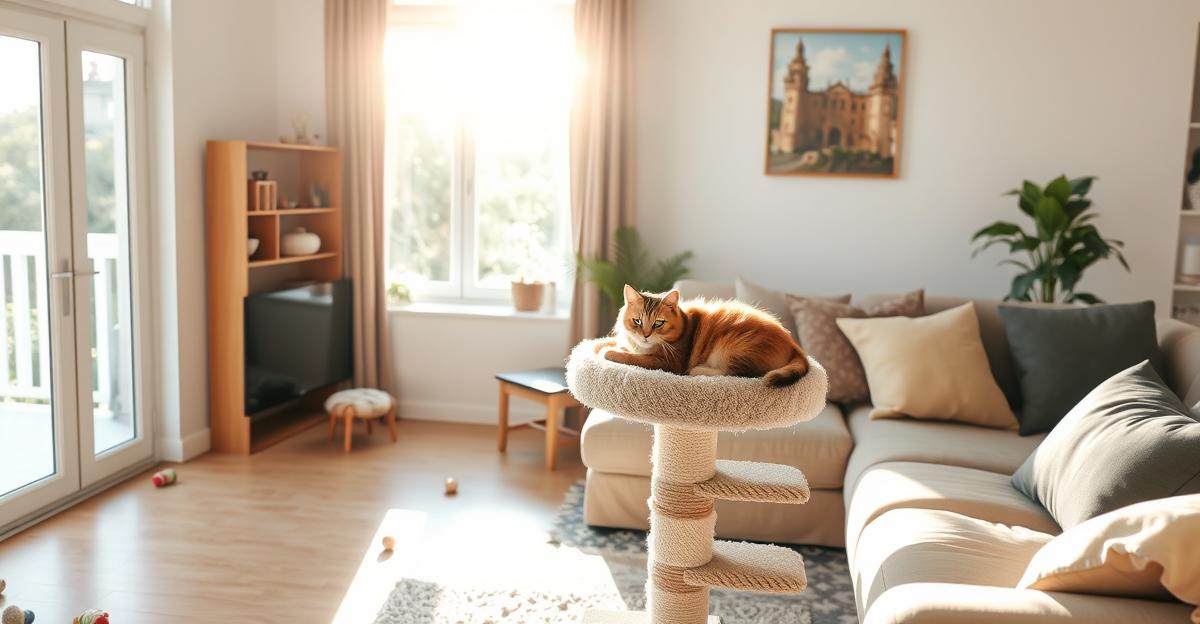
Cats are natural climbers and observers. When you provide vertical space, you tap into their instinct to perch, scout, and nap above the bustle of daily life. Multi‑level play zones also help burn off energy, keeping indoor cats content and less likely to develop unwanted behaviors.
- Wall‑Mounted Shelves: Install sturdy floating shelves at varying heights. Use carpet or sisal rope on the top surface for extra grip.
- Cat Trees with Platforms: Choose a tree that offers both climbing trunks and wide platforms. Look for one with a hammock or enclosed cave for privacy.
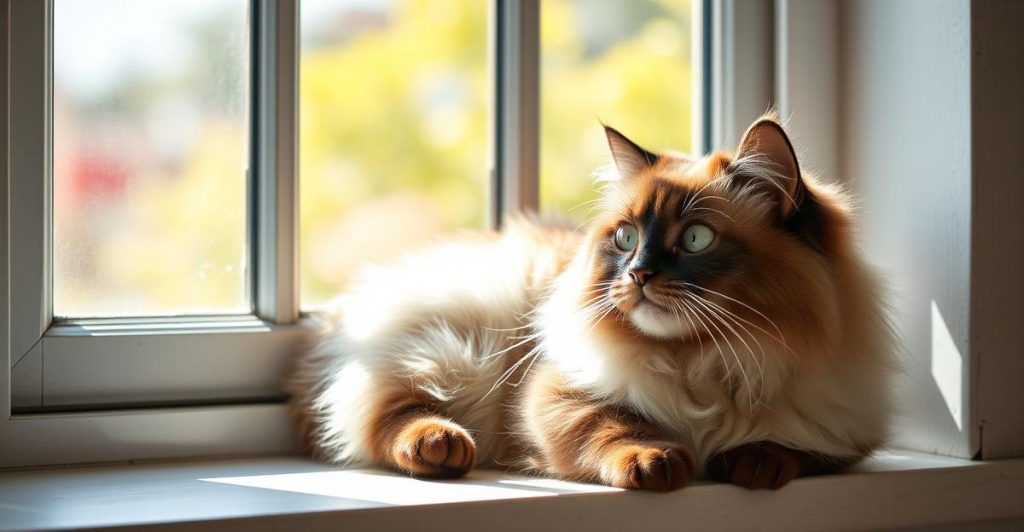
- Window Perches: Attach a suction‑cup perch to a sunny window. Cats love watching birds, leaves, and passing cars.
- DIY Cardboard Castles: Repurpose large cardboard boxes into tunnels and hideouts. Cut entry holes at different levels for a maze‑like experience.
2. Enrich the Environment with Sensory Stimulation
Indoor cats thrive when their senses are gently engaged. By rotating toys, adding textures, and introducing subtle scents, you keep their world fresh and exciting without overwhelming them.
- Interactive Toys: Feather wands, laser pointers, and motorized mice encourage chase and pounce.
- Texture Variety: Place a sisal scratching post next to a plush blanket, and a wooden plank beside a soft pillow.
- Cat‑Safe Scents: A dab of catnip or a sprinkle of silvervine on a toy can spark curiosity.
- Background Sounds: Soft bird chirps or gentle classical music can create a calming atmosphere.
3. Establish Routine‑Friendly Feeding and Hydration Spots
Predictable feeding routines contribute to a cat’s sense of stability. Pair food stations with water fountains to encourage proper hydration, which supports overall wellness and playful energy.
- Separate Food & Water Areas: Cats prefer their meals and water to be apart. Place bowls in quiet corners away from high‑traffic zones.
- Elevated Feeding Stations: Slightly raised dishes can aid digestion and reduce neck strain.
- Automatic Feeders: Use timed dispensers to keep meal times consistent, especially if you have a busy schedule.
- Running Water Fountains: Moving water entices cats to drink more, supporting kidney health and overall vitality.
Feeding & Play Activity Comparison
| Aspect | Wet Food Routine | Dry Food Routine | Indoor Play Sessions | Outdoor‑Inspired Play |
|---|---|---|---|---|
| Preparation Time | 5–10 minutes per meal | 1–2 minutes per meal | 10–15 minutes daily | 15–20 minutes weekly |
| Hydration Benefit | High moisture content | Low moisture, needs extra water | Encourages movement, no direct hydration | Stimulates natural hunting instincts |
| Cost per Month (USD) | $30–$45 | $20–$35 | $0 (DIY toys) | $10–$20 (interactive gadgets) |
| Storage Space | Refrigerated containers | Sealed bags, pantry | Minimal (small toys) | Medium (larger toys, tunnels) |
4. Curate Cozy Resting Spots That Invite Nap Time
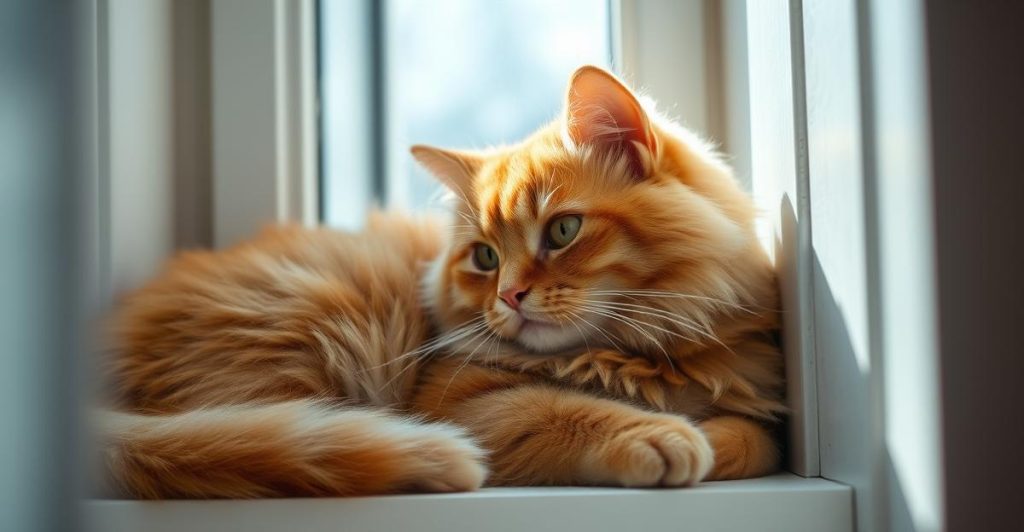
Rest is a cornerstone of feline happiness. By offering a variety of sleeping options, you let your cat choose the perfect spot for every mood—whether it’s a sun‑kissed ledge, a tucked‑away cave, or a soft lap.
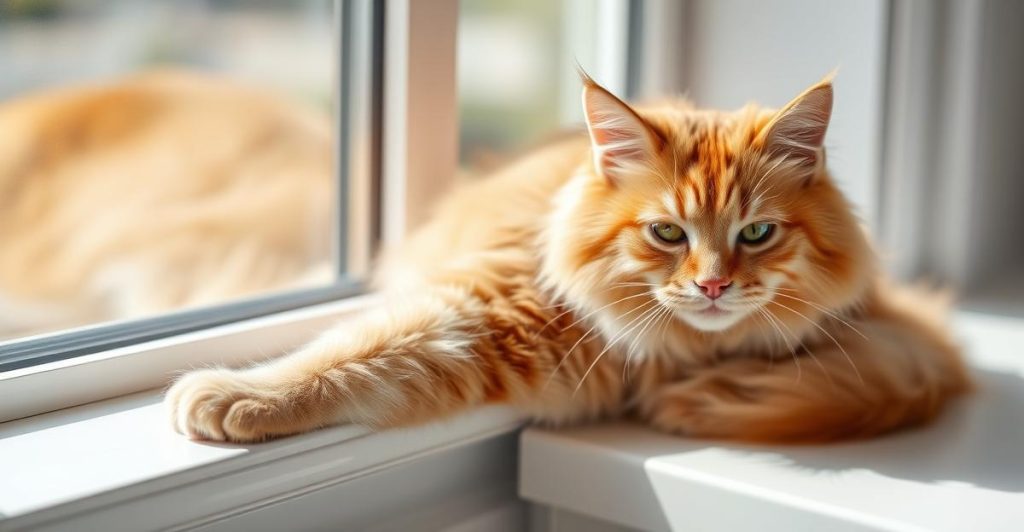
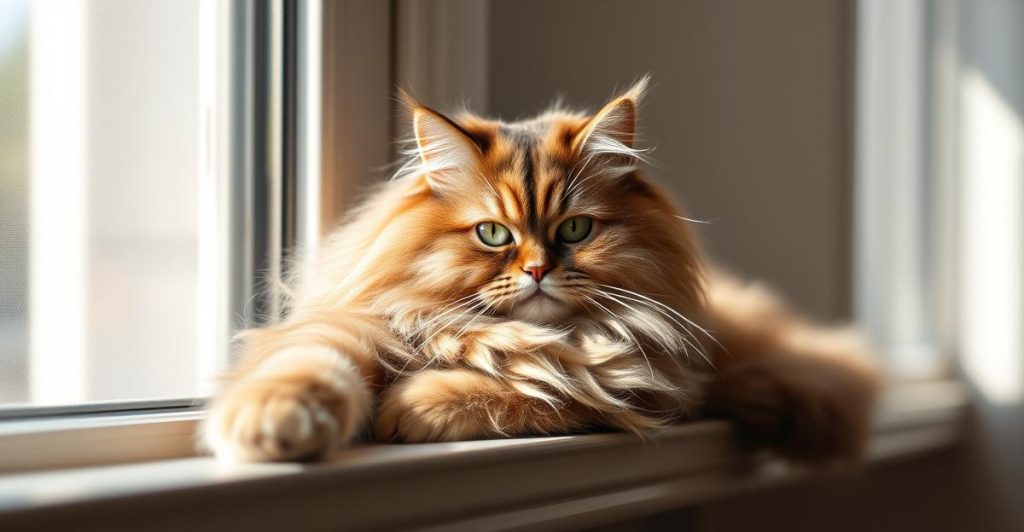
- Sun‑lit Windowsills: Place a cushioned pad where morning light streams in.
- Enclosed Beds: A hooded cat bed mimics a den, giving a sense of security.
- Heated Mats: In cooler climates, a low‑temperature mat provides comforting warmth.
- Lap‑Friendly Blankets: Keep a soft throw on your favorite chair for cuddle sessions.
5. Foster Positive Interaction Through Play and Training
Play isn’t just about fun; it’s a vital outlet for a cat’s natural hunting instincts and a bridge to stronger human‑cat bonds. Short, frequent sessions keep energy levels balanced and reinforce trust.
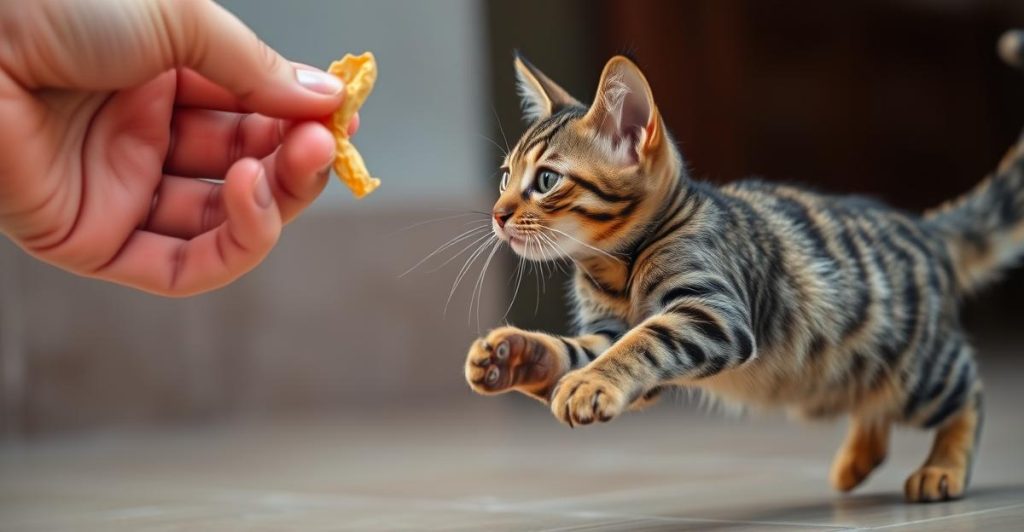
- Timed Play Bursts: 5–10 minutes, 2–3 times a day, using wand toys or feather sticks.
- Clicker Training: Teach simple cues like “sit” or “high five” to stimulate mental agility.
- Reward‑Based Games: Hide treats in puzzle feeders to encourage problem‑solving.
- Rotate Toys Weekly: Fresh toys maintain novelty and excitement.
6. Keep the Space Clean and Safe for Ongoing Joy
A tidy environment reduces stress and encourages exploration. Regularly cleaning litter boxes, removing loose cords, and checking for hazardous items ensures that your cat can roam freely without worry.
- Litter Box Maintenance: Scoop daily, replace litter weekly, and keep the box in a quiet, accessible spot.
- Secure Cords & Plants: Hide electrical cords and keep toxic plants out of reach.
- Routine Spot Checks: Scan high shelves for loose items that could fall.
- Air Quality: Use a low‑noise air purifier to reduce dust and allergens.
Frequently Asked Questions
What are the best materials for a cat’s scratching post?
Natural sisal rope, carpet, and untreated wood are all excellent choices. Sisal offers a satisfying texture for claws, while carpet provides a softer surface for younger kittens. Rotate posts regularly to keep the material fresh and engaging.
How often should I change my cat’s toys?
To maintain excitement, aim to rotate toys every 7–10 days. Wash fabric toys in gentle cycles and inspect plastic toys for cracks. Fresh toys prevent boredom and encourage consistent play.
Can indoor cats get enough exercise without going outside?
Absolutely. A combination of vertical climbing spaces, interactive toys, and scheduled play sessions can meet a cat’s physical and mental exercise needs. Aim for at least 20–30 minutes of active play each day, broken into short bursts.
What simple changes can make my home more cat‑friendly?
Start with three easy tweaks: add a window perch for sun‑bathing, place a cardboard tunnel in a high‑traffic area, and set up a quiet corner with a soft blanket. These low‑cost additions instantly boost curiosity and comfort.
Disclaimer: This article is intended for informational and entertainment purposes only. It does not replace professional veterinary advice. Always consult a qualified vet for your cat's health and dietary needs.