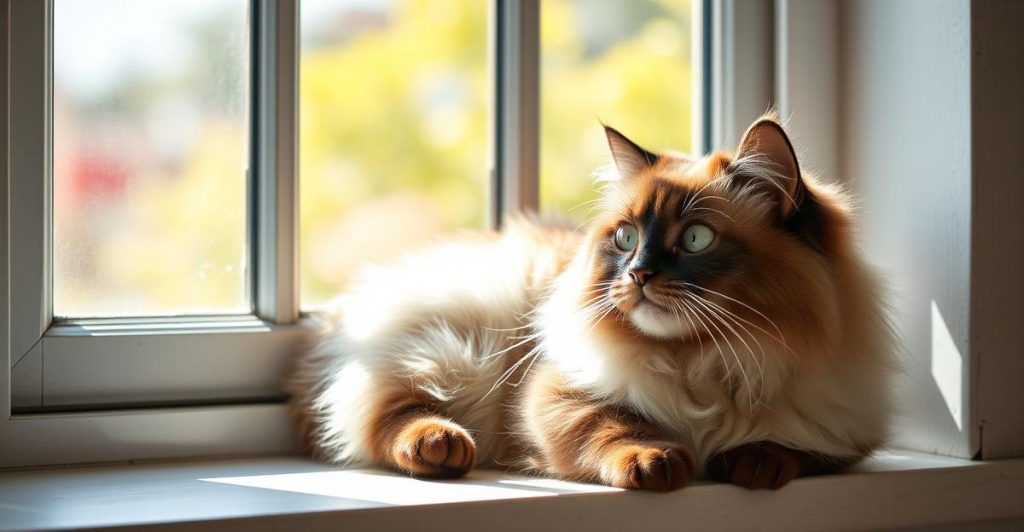

Playful Secrets to Raising a Happy Kitten Every Day
Bringing a tiny bundle of fur into your home is like welcoming a tiny whirlwind of curiosity, mischief, and unconditional love. From the moment those bright eyes meet yours, you’ll notice a kitten’s endless desire to explore, pounce, and snuggle. The secret to turning that boundless energy into a truly happy kitten experience lies in understanding their natural instincts, creating a safe playground, and weaving joyful routines into everyday life. In the pages that follow, you’ll discover practical tips, fun activities, and gentle habits that transform ordinary days into a series of delightful discoveries for both you and your new feline friend.
1. Knowing Your Kitten’s Natural Instincts
Before you can design the perfect play plan, it helps to step into your kitten’s paws and see the world through their whiskers. Kittens are born hunters; their tiny bodies are wired for short bursts of high‑speed chases, gentle pounces, and investigative sniff‑and‑scratch sessions. Recognizing these built‑in drives lets you channel their energy into positive outlets rather than misplaced mischief.
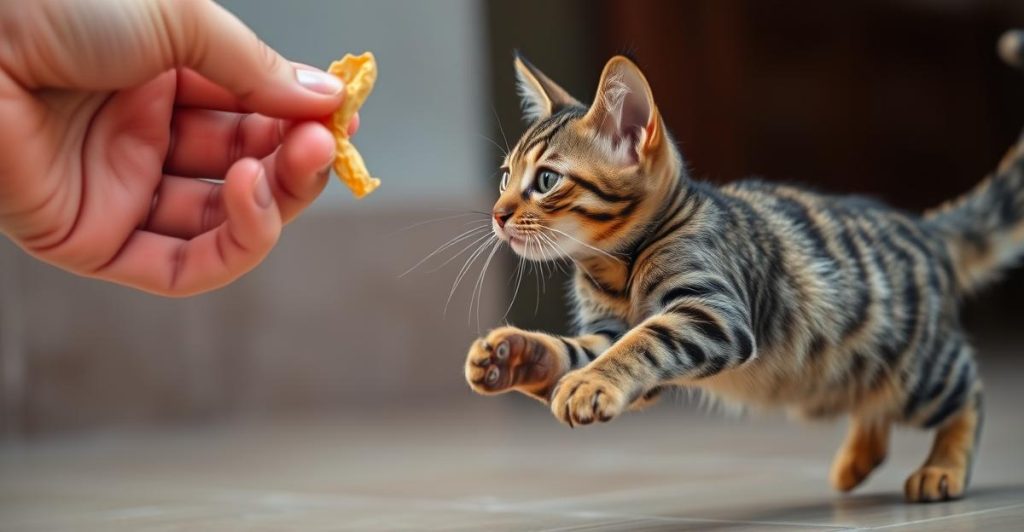
- Hunt‑Play Cycle: A typical kitten will sprint for a few seconds, pause to assess, then repeat. Short, frequent play bursts match this rhythm perfectly.
- Exploratory Paws: Soft pads and claws are tools for learning texture, temperature, and stability. Provide varied surfaces—plush rugs, cardboard tunnels, and low‑rise shelves—to satisfy this curiosity.
- Vocal Curiosity: Tiny chirps, trills, and mews are communication tools. Respond with gentle tones to reinforce confidence.
- Safe Boundaries: Kittens need clear limits. Consistent “no‑go” zones (like kitchen counters) teach them what’s off‑limits without fear.
By honoring these instincts, you set the stage for a kitten that feels understood, secure, and eager to engage in the activities you provide.
2. Designing a Kitten‑Friendly Play Space
The environment you create is the canvas on which your kitten’s happiness is painted. A thoughtfully arranged space encourages exploration, reduces stress, and keeps tiny claws away from furniture you love.
Essential Elements for a Joyful Play Zone
- Vertical Real Estate: Install low shelves or a cat tree. Even a simple piece of sturdy cardboard can become a climbing perch.
- Interactive Toys: Feather wands, crinkle balls, and motorized mice mimic prey movement and spark instinctual chase behavior.
- Soft Hideaways: A cozy cat cave or a rolled‑up towel offers a retreat when your kitten needs a break.
- Scratching Solutions: Place sisal posts and cardboard scratchers near favorite lounging spots to protect your furniture.
- Safe Materials: Avoid toxic plants, loose strings, and small parts that could be swallowed.
Rotate toys every few days to keep novelty high. Even a simple change—like flipping a cardboard box upside down—can reignite curiosity and prevent boredom.
3. Daily Play Routines That Spark Joy
Consistency is the secret sauce for a happy kitten. By weaving short, varied play sessions into your daily schedule, you reinforce positive behavior, build muscle tone, and deepen the bond you share.
Morning Energy Burst
Start the day with a 5‑minute “hunt” session. Use a wand toy that mimics a bird’s flight path, encouraging your kitten to leap and swat. This short sprint mirrors their natural predatory burst and helps burn off early‑morning energy.
Mid‑Day Exploration
During a work break, lay out a puzzle feeder or a treat‑filled paper roll. The kitten will roll, bat, and figure out how to access the goodies, sharpening problem‑solving skills while staying mentally engaged.
Evening Wind‑Down
As the sun sets, switch to gentler toys like a soft plush mouse or a laser pointer moving slowly across the floor. Follow the play with a calm petting session on a favorite blanket to transition into a relaxed bedtime.
- Aim for three 5‑10 minute play windows each day.
- Observe your kitten’s body language: a relaxed posture means they’re ready for a gentle cuddle; a twitching tail signals it’s still playtime.
- End each session with a positive verbal cue (“Good job!”) and a small treat to reinforce the experience.
4. Social Skills and Confidence Building
Kittens learn social cues from both their human companions and, if possible, other feline friends. Positive interactions lay the groundwork for a confident, well‑adjusted cat.
Gentle Handling Techniques
- Support the chest and hindquarters when picking up your kitten—avoid grabbing by the scruff unless it’s a brief, gentle lift.
- Speak in a calm, melodic voice. Sudden loud noises can startle and erode trust.
- Introduce new objects (e.g., a new toy or a carrier) slowly, allowing the kitten to sniff and explore at their own pace.
Introducing Playmates
If you decide to adopt a second kitten, follow a gradual introduction process. Keep them separated at first, swapping bedding to share scents. After a few days, allow supervised, short face‑to‑face meetings on neutral territory. Watch for relaxed postures, slow blinking, and gentle pawing—signs of budding friendship.
Positive Reinforcement
Reward calm behavior with soft petting, gentle words, and occasional treats. This teaches the kitten that relaxed interactions bring pleasant outcomes, encouraging them to seek out similar experiences.
5. Everyday Wellness Habits for a Happy Kitten
Well‑being isn’t just about play; it’s also about routine care that keeps your kitten feeling safe, clean, and comfortable. Below are simple habits that promote a thriving, contented cat.
- Hydration Stations: Place fresh water in multiple locations. A shallow ceramic bowl or a pet‑friendly water fountain encourages regular sipping.
- Feeding Rhythm: Offer small, frequent meals (3‑4 times a day) to match a kitten’s fast metabolism and keep energy levels steady.
- Grooming Moments: Gentle brushing once or twice a week reduces shedding, distributes natural oils, and doubles as bonding time.
- Litter Box Basics: Keep the box in a quiet, low‑traffic area. Scoop daily and change the substrate weekly to maintain a pleasant scent.
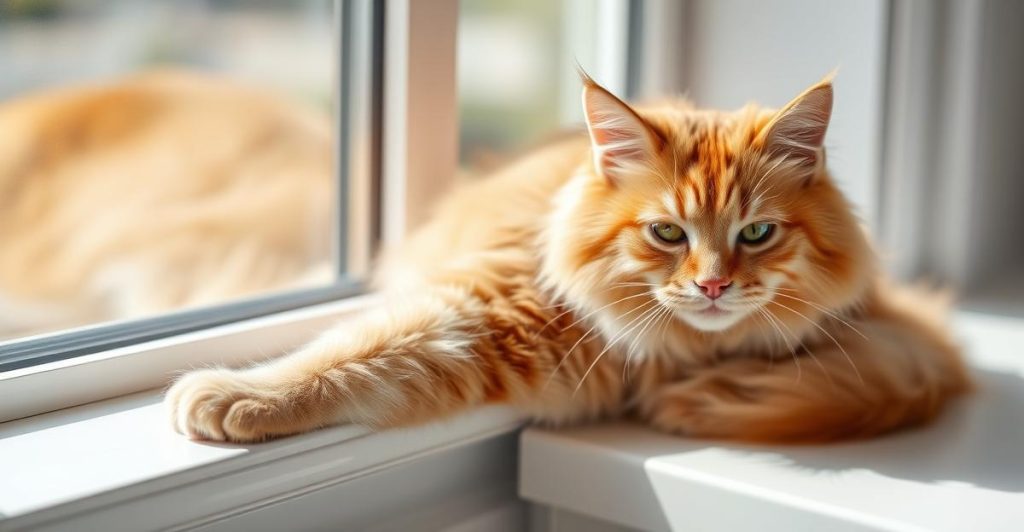
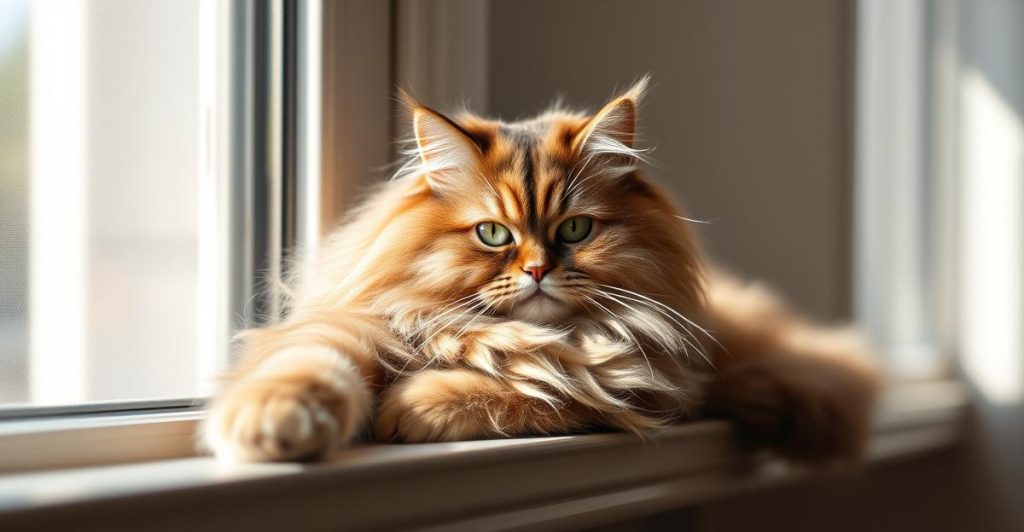
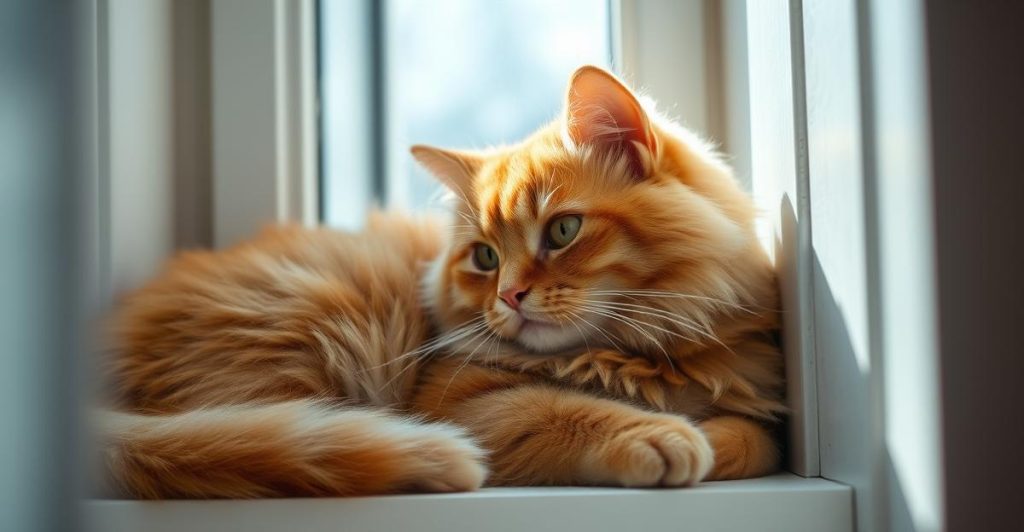
- Safe Sleeping Nooks: A soft blanket in a sunny window or a dedicated cat bed signals a secure place for rest.
These habits, when practiced consistently, create a predictable environment that reduces stress and reinforces the sense that home is a safe, happy haven.
Comparison Table: Indoor vs. Outdoor Play Activities
| Aspect | Indoor Play | Outdoor Play |
|---|---|---|
| Safety | Controlled environment; no traffic or predators. | Exposure to traffic, other animals, and weather. |
| Stimuli Variety | Limited to toys, furniture, and indoor textures. | Natural scents, varied terrain, sunlight. |
| Supervision | Easy to monitor; quick intervention possible. | Requires leash or enclosed area for close watch. |
| Physical Exercise | Focused bursts; can be supplemented with climbing structures. | Longer runs, jumps, and exploration of larger spaces. |
| Training Opportunities | Ideal for clicker training and puzzle toys. | Great for recall practice and outdoor confidence. |
Both indoor and outdoor play have unique benefits. The key is to balance safety with enrichment, ensuring your kitten experiences a rich tapestry of sensory adventures while staying protected.
Final Thoughts: The Joyful Journey of Kitten Parenting
Raising a happy kitten isn’t a one‑size‑fits‑all checklist; it’s an evolving adventure that adapts as your feline companion grows. By honoring their instincts, crafting an engaging environment, establishing consistent play routines, nurturing social confidence, and maintaining simple wellness habits, you create a foundation for lifelong happiness. Remember, the most rewarding moments often come from the smallest gestures—a gentle chin rub, a shared sunrise window perch, or the satisfied purr after a successful chase. Embrace each day as a new chapter in your shared story, and watch your kitten blossom into a confident, contented cat.
Frequently Asked Questions
How often should I play with my kitten each day?
Three short sessions of 5‑10 minutes each day work well for most kittens. This matches their natural hunt‑play cycle and helps prevent overstimulation.
What are the best toys for a kitten’s mental stimulation?
Interactive wand toys, puzzle feeders, and crinkle balls mimic prey movement and encourage problem‑solving. Rotating toys weekly keeps novelty high.
Is it safe to let my kitten explore the backyard?
Supervised outdoor time in a secure, enclosed area (like a catio) can provide valuable sensory enrichment. Always watch for hazards such as traffic, toxic plants, or aggressive animals.
How can I help my kitten feel comfortable with a new carrier?
Leave the carrier open in a favorite room, place a soft blanket inside, and occasionally toss a treat or toy in. Let the kitten explore at its own pace before any travel.
Disclaimer: This article is intended for informational and entertainment purposes only. It does not replace professional veterinary advice. Always consult a qualified vet for your cat's health and dietary needs.