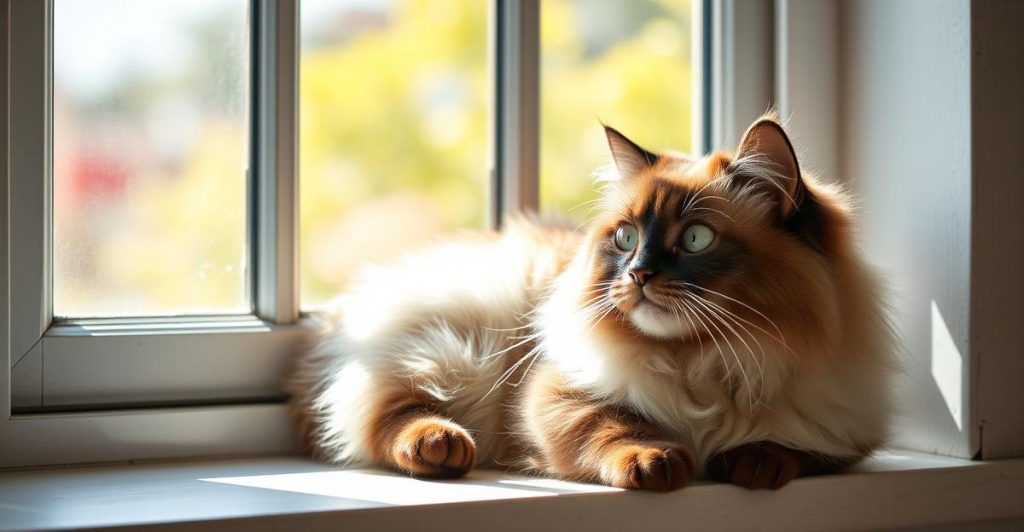

There’s nothing quite like watching a cat turn a simple cardboard box into a grand castle or a humble laser pointer into a thrilling hunt. Even when your feline friend lives entirely indoors, the world can be a playground brimming with curiosity, comfort, and endless entertainment. By weaving a few thoughtful touches into your home, you can transform everyday moments into cozy indoor adventures that keep your cat mentally sharp, physically active, and blissfully content. Let’s explore practical, budget‑friendly ideas that turn ordinary rooms into a wonderland of indoor cat fun, ensuring every day feels like a new escapade for your whiskered companion.
Creating a Cat‑Friendly Play Zone
Before you dive into toys and games, set the stage with a dedicated space where your cat feels safe and inspired to explore. A well‑designed play zone becomes the heart of indoor cat fun, encouraging natural behaviors like climbing, pouncing, and lounging.
- Vertical real estate: Install sturdy cat trees, wall‑mounted shelves, or even repurpose a tall bookshelf. Cats love to survey their domain from a height.
- Cozy hideaways: Place soft blankets, a plush cat bed, or a covered tunnel in a quiet corner. A sense of security fuels confidence for adventurous play.
- Interactive surfaces: Attach a piece of sisal rope or a scratching post near a window. The view of birds or passing cars adds a natural stimulus.
- Safe boundaries: Use baby gates or low furniture to define the area without restricting movement. This helps your cat understand the “play zone” while keeping other household items out of reach.
- Lighting tricks: Soft, natural light during the day and a gentle night‑light in the evening create a soothing ambiance that invites exploration.
Rotating Toys and DIY Fun Projects
Even the most enthusiastic cat can grow bored with the same toys. Keeping the environment fresh with rotating toys and simple DIY projects stimulates curiosity and prevents monotony.
- Weekly rotation: Store a handful of toys in a drawer and swap them out every few days. The novelty of “new” items reignites interest.
- DIY feather wand: Tie a few feathered strips to a sturdy stick using fishing line. The fluttering motion mimics a bird in flight, triggering instinctual chase behavior.
- Cardboard castle: Cut and tape together cardboard boxes of varying sizes. Add doorways, tunnels, and windows for a customizable playground.
- Paper bag hideout: Place a clean paper grocery bag on its side. Cats love the crinkly texture and the sense of mystery it offers.
- Interactive puzzle bottle: Cut small holes in a clean plastic bottle, fill it with dry kibble or treats, and let your cat roll it around to release the goodies.
Interactive Games that Spark Curiosity
Games are the lifeblood of indoor cat fun. They provide mental stimulation, physical exercise, and bonding time between you and your feline friend.
- Laser chase: A low‑intensity laser pointer mimics the erratic movement of insects. Move the dot across the floor, walls, and furniture, letting your cat pounce and sprint.
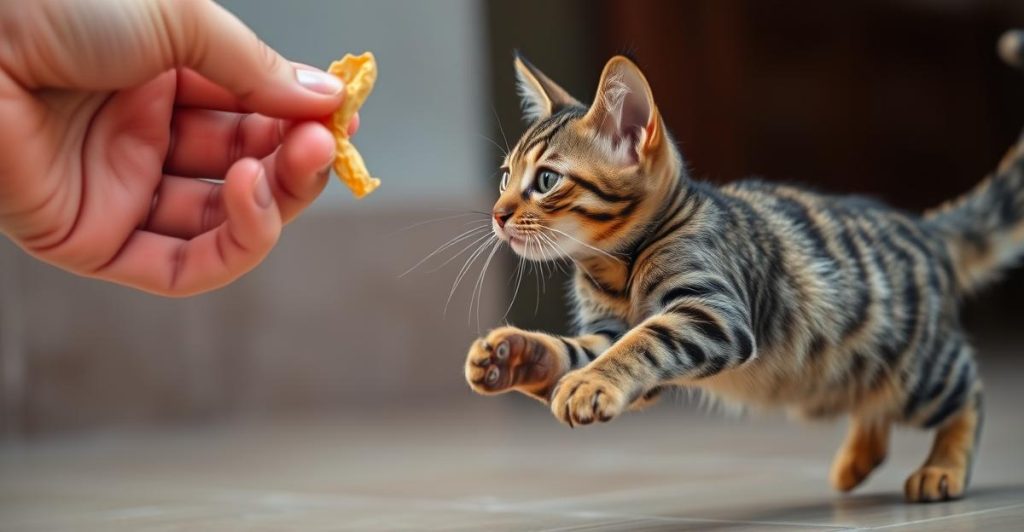
- “Find the treat” hunt: Hide small treats or kibble under cups, inside rolled towels, or behind furniture. Encourage your cat to sniff and uncover the hidden rewards.
- String chase: Drag a piece of cat‑safe string or a ribbon along the floor, occasionally pausing to let your cat “catch” it. This replicates the thrill of catching prey.
- Mirror play: Position a safe, non‑breakable mirror at cat level. Some cats become fascinated by their reflection, leading to playful paw swats.
- Obstacle course: Arrange pillows, low stools, and tunnels in a winding path. Guide your cat through with a toy or treat, promoting agility and confidence.
Enriching the Senses: Scent, Sound, and Touch
Beyond visual and kinetic stimulation, engaging a cat’s other senses deepens the indoor adventure experience.
- Scent stations: Sprinkle a few drops of cat‑mint or place a dried lavender sachet (cat‑safe) on a favorite perch. Aromas can be soothing or invigorating.
- Soundscapes: Play soft nature recordings—birdsong, gentle rain, or rustling leaves. The ambient noise adds a layer of realism to indoor play.
- Textured mats: Lay down a variety of fabrics—faux fur, sisal, or textured rubber mats. Different surfaces encourage paw exploration and scratching.
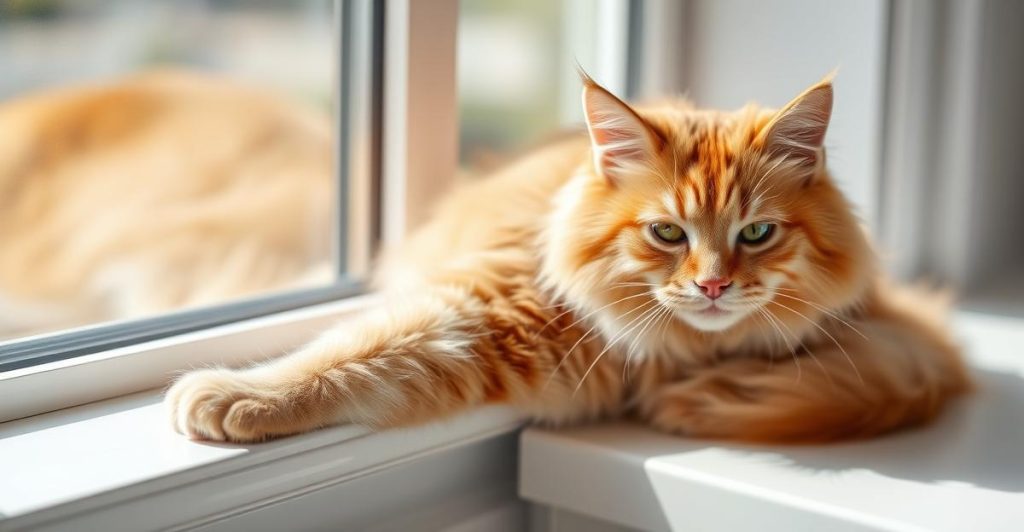
- Temperature zones: Offer a warm lap, a cool tile spot, or a sun‑lit windowsill. Cats love to choose their preferred temperature, adding comfort to playtime.
- Water fun: A shallow dish of fresh water with floating ice cubes can intrigue a curious cat, promoting hydration while providing a playful element.
Scheduled Adventure Times & Routine
Consistency creates anticipation. By establishing a predictable schedule for play, you give your cat something to look forward to each day, reinforcing a sense of security while still delivering excitement.
- Morning burst: Dedicate 10‑15 minutes after breakfast to a high‑energy game like laser chase or feather wand. This helps burn off excess energy before the day begins.
- Midday mystery: Place a new toy or a hidden treat in the play zone during your lunch break. When you return, your cat discovers the surprise.
- Evening wind‑down: A gentle grooming session or a calming “purr‑session” with soft music helps transition to bedtime, reinforcing a relaxed atmosphere.
- Weekly theme: Choose a focus for each week—“climbing week,” “hide‑and‑seek week,” or “scent exploration week.” Rotate themes to keep the routine fresh.
- Family involvement: Invite other household members to join in short play bursts. Shared experiences strengthen bonds and diversify interaction styles.
Indoor Play vs. Outdoor Play Activities
| Aspect | Indoor Play | Outdoor Play |
|---|---|---|
| Safety | Controlled environment, no traffic or predators. | Exposure to cars, other animals, and weather. |
| Stimulus Variety | Can be customized with toys, scents, and textures. | Natural stimuli like birds, insects, and wind. |
| Exercise Intensity | Depends on owner engagement; can be high with interactive games. | Often higher due to open space and unpredictable movement. |
| Convenience | Available year‑round, regardless of weather. | Seasonal; limited by temperature and daylight. |
| Social Interaction | Focused one‑on‑one time with owner. | Potential encounters with other cats or animals. |
FAQ
How often should I change my cat’s toys?
Rotating toys every 3‑5 days keeps interest high. Store a few favorites in a box and swap them out regularly to maintain novelty.
Can indoor cats get enough exercise without going outside?
Absolutely. Consistent interactive play sessions, climbing structures, and puzzle toys provide ample physical activity and mental stimulation for indoor cats.
What are the safest DIY toys I can make at home?
Simple options like feather wands, cardboard tunnels, and treat‑filled plastic bottles are safe when supervised. Always avoid small parts that could be swallowed.
How do I know if my cat is bored?
Signs of boredom include excessive sleeping, repetitive meowing, or over‑grooming. Introducing new games, rotating toys, and scheduled playtimes can quickly alleviate boredom.
Disclaimer: This article is intended for informational and entertainment purposes only. It does not replace professional veterinary advice. Always consult a qualified vet for your cat's health and dietary needs.