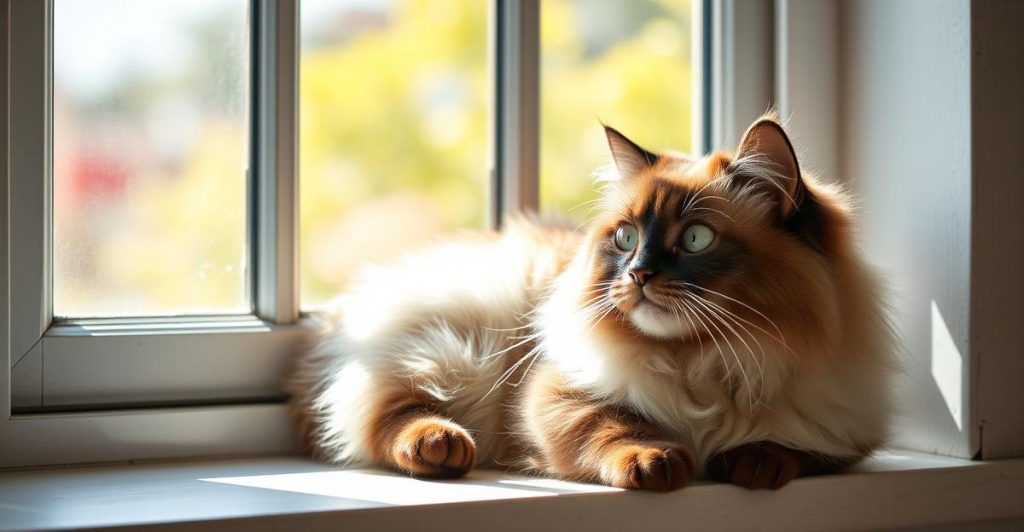

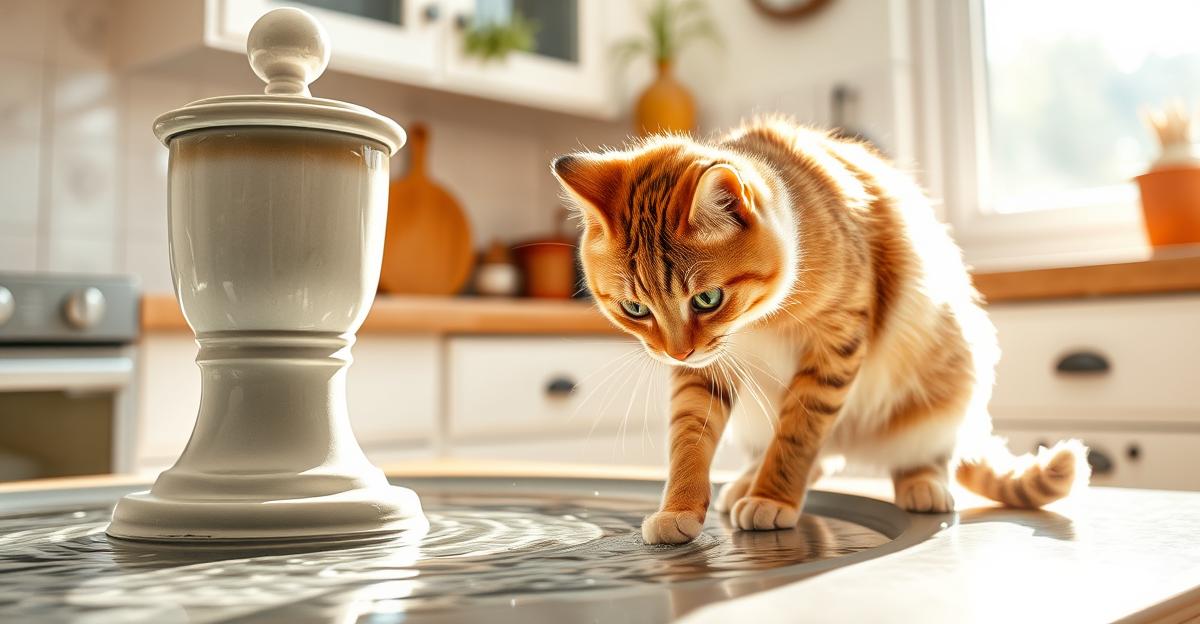
Imagine the soft patter of tiny paws as your cat darts from the kitchen to the living room, tail high, eyes bright, and tongue lolling out in pure delight. That playful energy often hinges on one simple, yet often overlooked, ingredient: water. Keeping your feline friend well‑hydrated isn’t just about preventing a dry mouth—it’s about fueling curiosity, encouraging exploration, and supporting a happy, active lifestyle. In this article we’ll dive into creative, cat‑approved feeding ideas that turn hydration into a game, boost overall wellness, and keep those whiskers twitching with excitement. Let’s explore how a splash of imagination can transform everyday meals into a fountain of fun.
Why Cat Hydration Matters for Everyday Joy
Even the most independent cat loves a good splash. While cats have evolved to get much of their moisture from prey in the wild, domestic felines often rely on dry kibble, which can leave them thirstier than they realize. Adequate water intake helps maintain:
- Soft, shiny coats that gleam in the sunlight.
- Playful energy levels for spontaneous zoomies.
- Healthy kidney function that supports long‑term vitality.
- Comfortable digestion, making litter box visits smoother.
Think of water as the backstage crew that keeps the show running—when it’s plentiful, your cat’s performance shines.
Transforming Water Into a Playful Experience
Turning hydration into a game invites your cat to seek out water with the same enthusiasm they reserve for feather wands and laser pointers. Below are tried‑and‑true ideas that turn a simple bowl into a source of curiosity.
1. Interactive Water Fountains
Running water triggers a cat’s natural instinct to investigate. A small, whisper‑quiet fountain provides a continuous stream that mimics a fresh creek, encouraging sipping throughout the day.
- Choose a model with adjustable flow speeds.
- Place the fountain near a favorite lounging spot.
- Clean the unit weekly to keep the taste pure.
2. Ice Cube Treats
Cold cubes add texture and novelty. Freeze low‑sodium chicken broth (or plain water) in ice trays and drop a few into your cat’s water dish. The gentle clink and slow melt keep the bowl interesting.
- Use silicone trays for easy removal.
- Offer one or two cubes at a time to avoid over‑cooling.
- Swap flavors—broth, tuna water, or plain water—for variety.
3. Water‑Rich Food Add‑Ons
Even though we’re focusing on hydration, adding a splash of water to wet food or kibble can boost moisture intake without changing the meal’s flavor profile.
- Stir a tablespoon of water into a spoonful of pâté.
- Moisten dry kibble for a “soft‑crunch” texture.
- Rotate the amount daily to keep the experience fresh.
4. DIY “Water Garden” Play Mats
Lay a shallow, waterproof mat and sprinkle a thin layer of water across it. Some cats love to pat at the surface, creating ripples and discovering hidden droplets.
- Use a silicone baking mat for easy cleanup.
- Supervise play to prevent excessive splashing.
- Refresh the water after each session to maintain freshness.
Creative Feeding Ideas That Boost Hydration
Feeding time is the perfect moment to weave hydration into routine. Below are five inventive feeding concepts that keep your cat’s water intake high while delivering a burst of excitement.
1. “Water‑Infused” Snack Pops
Blend a small amount of low‑sodium broth with a spoonful of pureed pumpkin or cat‑friendly fruit, pour into ice‑cube trays, and freeze. These bite‑size pops double as a snack and a hydration boost.
2. “Treasure Hunt” Water Bowls
Hide a few shallow dishes of water around the house—behind a plant, under a low table, or near a sunny window. Cats love the hunt, and the scattered bowls encourage frequent sipping.
3. “Layered” Meal Presentation
Arrange a base of wet food, then drizzle a thin stream of water over the top. Finish with a sprinkle of crunchy kibble for contrast. The layered texture invites licking and sipping.
4. “Flavor‑Splash” Water Stations
Occasionally add a splash of cat‑safe flavor—like a few drops of tuna water or chicken broth—to a separate water bowl. Rotate flavors weekly to keep the palate intrigued.
5. “Rotating Bowl” Routine
Switch the location of the water bowl daily. A new spot can spark curiosity and motivate your cat to investigate the fresh source.
Choosing the Right Hydration Tools for Your Home
Not every cat responds to the same hydration tricks. Understanding your cat’s personality and your living space helps you select the most effective tools. Below is a quick comparison of popular hydration accessories.
Hydration Tool Comparison
| Tool | Key Feature | Best For | Maintenance Level |
|---|---|---|---|
| Standing Water Fountain | Continuous flowing stream | Curious cats who love moving water | Medium – weekly cleaning |
| Ice Cube Treats | Cold, melt‑slowly | Cats that enjoy texture changes | Low – freezer prep only |
| Water‑Rich Food Add‑Ons | Moistens kibble or pâté | Cats preferring mixed textures | Low – simple stirring |
| DIY Water Garden Mat | Shallow, interactive surface | Playful cats that love pawing | Medium – mat cleaning after use |
| Multiple Mini Bowls | Scattered water sources | Explorers who love a treasure hunt | Low – occasional bowl wash |
Integrating Hydration Into Daily Routines
Consistency turns a fun activity into a lasting habit. Here’s a simple daily schedule that blends play, feeding, and hydration without overwhelming you or your cat.
- Morning (7‑9 am): Offer a fresh bowl of water beside the breakfast dish. Add a splash of tuna water for a flavor surprise.
- Mid‑Morning (10‑11 am): Place a small water fountain in a sunny spot; let the cat explore the gentle flow.
- Lunchtime (12‑1 pm): Serve wet food with a drizzle of water and a side of “water‑infused” snack pops.
- Afternoon (3‑4 pm): Set up a “water garden” mat for a short interactive session.
- Evening (6‑7 pm): Rotate the main water bowl to a new location and hide a couple of mini bowls for a treasure‑hunt game.
- Night (9‑10 pm): Refresh all water sources, ensuring they are clean and at room temperature.
Following this rhythm keeps water top‑of‑mind for both you and your feline companion, while also delivering plenty of play‑time excitement.
Monitoring Success Without Medical Jargon
While we’re steering clear of medical diagnostics, it’s still helpful to observe simple signs that your cat is enjoying the hydration boost.
- Increased enthusiasm for water bowls or fountains.
- Shiny, well‑conditioned coat that feels supple.
- More frequent, energetic play sessions.
- Consistently fresh‑tasting urine (a subtle cue of good hydration).
If you notice these positive cues, you’re likely on the right track. Adjust the routine based on your cat’s preferences, and keep the experience fresh by rotating flavors, locations, and toys.
FAQ
How much water should an adult indoor cat drink each day?
While exact needs vary, a general guideline is about 2.5 to 4.5 ounces of water per pound of body weight. Offering multiple fresh sources throughout the day helps your cat meet this target naturally.
Can I use regular tap water, or should I filter it?
Most cats are fine with clean tap water, but if your water is heavily chlorinated or has a strong taste, a simple filter can make it more appealing. Fresh, room‑temperature water is usually best.
My cat prefers dry kibble. How can I encourage more water intake?
Introduce a water fountain, add ice cubes to the bowl, or mix a small amount of water into the kibble to create a soft texture. Rotating the bowl’s location can also spark curiosity.
Are there any foods that naturally increase water consumption?
Wet foods, broth‑based treats, and fruits like watermelon (seedless and in tiny pieces) contain higher moisture levels. Including these occasionally can boost overall hydration.
Disclaimer: This article is intended for informational and entertainment purposes only. It does not replace professional veterinary advice. Always consult a qualified vet for your cat's health and dietary needs.