
10 Simple Ways to Keep Your Cat Joyfully Healthy
There’s nothing quite like the soft purr of a contented cat curled up in a sunny spot, reminding us that a happy feline is a healthy feline. Whether you’re a seasoned cat parent or just welcomed a new whiskered friend, the everyday choices you make shape your cat’s overall well‑being. In this guide we’ll explore practical, low‑stress habits that boost cat wellness without the need for complicated routines or expensive gadgets. From playful enrichment to gentle grooming rituals, each tip is designed to keep your cat’s tail swishing, eyes bright, and spirit lively.
Create a Calm and Enriching Environment
Cats are masters of comfort, and they thrive when their surroundings feel safe, stimulating, and predictable. A well‑balanced environment reduces stress, encourages natural behaviors, and sets the stage for a joyful life.
- Design a dedicated cat zone: Choose a quiet corner with a cozy bed, a soft blanket, and a few favorite toys. Consistency helps your cat know where to retreat when the world feels overwhelming.
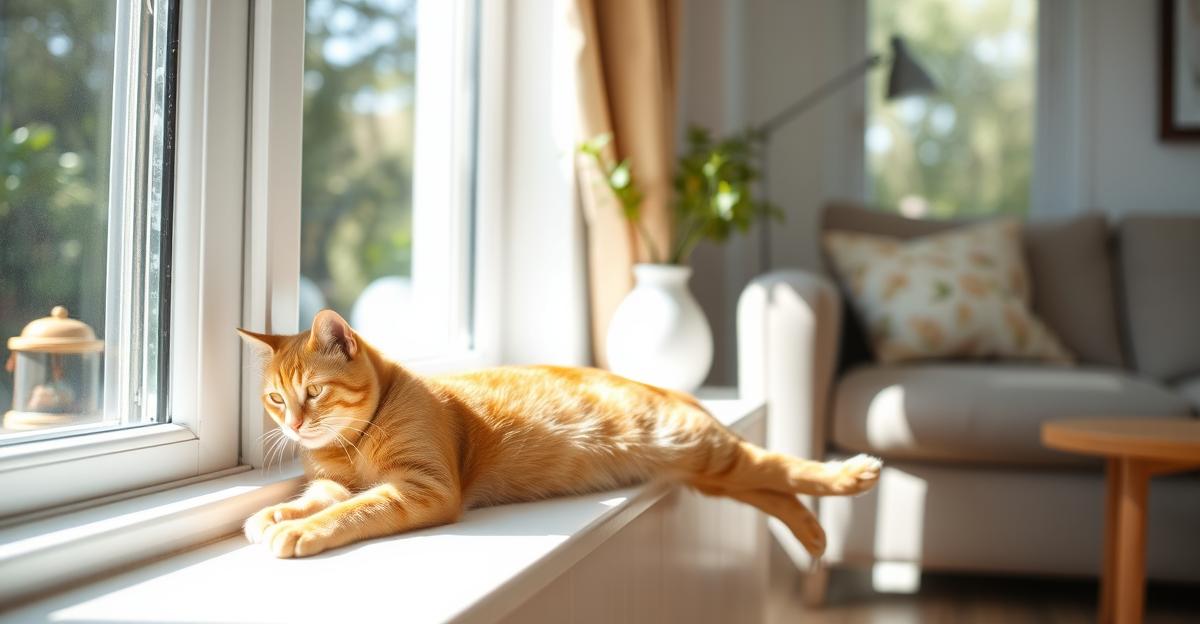
- Vertical real estate: Install shelves, cat trees, or window perches. Climbing satisfies a cat’s instinct to observe from a height and provides an excellent low‑impact workout.
- Soothing sounds: Soft classical music or nature recordings can calm a nervous cat, especially during loud events like fireworks or moving day.
- Rotate toys: Keep curiosity alive by swapping out toys every week. A simple feather wand one week and a crinkly ball the next prevents boredom.
- Safe outdoor access: If space allows, consider a catio or a secure balcony enclosure. Fresh air and natural scents stimulate a cat’s senses while keeping them protected.
Playtime That Sparks Joy and Exercise
Play isn’t just fun—it’s a cornerstone of physical health and mental sharpness. Short, frequent sessions mimic a cat’s natural hunting bursts and keep muscles toned.
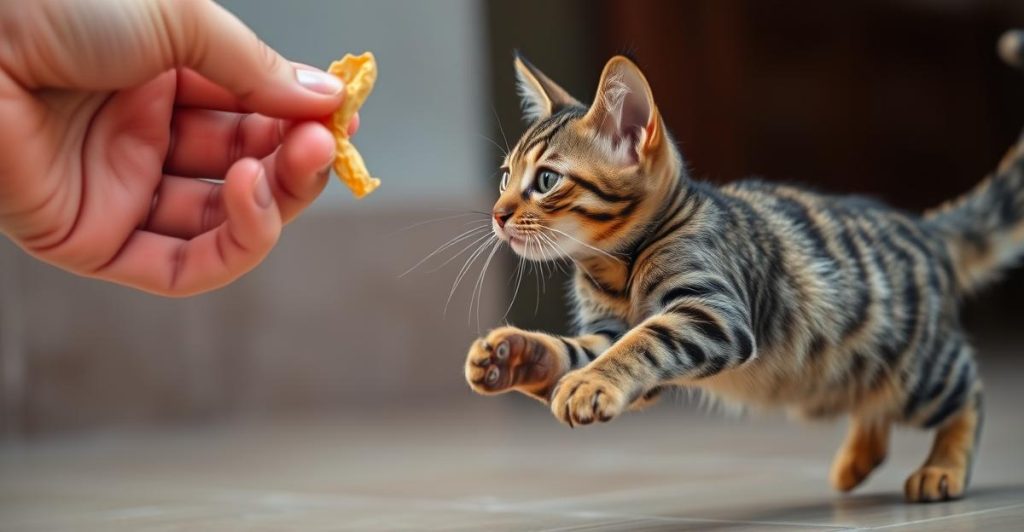
- Interactive wand toys: Move the wand like a fluttering bird or a scurrying mouse. This encourages stalking, pouncing, and leaping—all essential feline movements.
- Laser pointer chase: A quick laser dash can burn calories and satisfy a cat’s chase instinct. Remember to end the session with a tangible toy so your cat feels a sense of “catch.”
- DIY puzzle feeders: Hide treats inside a cardboard tube or a paper bag. The mild challenge engages the brain while prompting gentle activity.
- Scheduled play windows: Aim for two 10‑minute play periods each day—once in the morning and once in the evening—to align with a cat’s natural crepuscular rhythms.
- Social play: If you have multiple cats, provide shared toys that encourage gentle interaction, fostering both exercise and social bonds.
Grooming Rituals for a Happy Coat
Regular grooming is more than a beauty routine; it’s a bonding moment that promotes comfort, reduces shedding, and helps you spot any changes early.
- Brush weekly: Use a soft‑bristle brush for short‑haired cats and a slicker brush for long‑haired breeds. Brushing removes loose fur and distributes natural oils for a glossy coat.
- Check paws and ears: While brushing, glance at the pads and ear flaps. Clean any debris gently with a damp cloth to keep them feeling comfortable.
- Nail trims: Trim the tip of each nail once a month, or as needed, to prevent snagging and maintain comfortable walking.
- Dental care: Offer dental chew toys or soft brushing with a cat‑friendly toothpaste to keep the mouth feeling fresh.
- Positive reinforcement: Reward calm behavior with a treat or extra petting. This turns grooming into a pleasant, anticipated activity.
Feeding Habits That Promote Wellness
Nutrition is a daily ritual that influences energy levels, mood, and overall vitality. By focusing on routine and variety, you can nurture a balanced, content cat.
- Consistent meal times: Serve meals at the same times each day. Predictable feeding reduces anxiety and helps your cat develop a healthy appetite rhythm.
- Fresh water everywhere: Place multiple water dishes around the house, or try a cat‑friendly fountain. Hydration supports a shiny coat and active play.
- Balanced wet and dry options: Mixing wet and dry foods adds texture variety and encourages chewing, which can be mentally satisfying.
- Portion control: Measure portions according to the cat’s age, size, and activity level. Overeating can lead to lethargy, while under‑eating may cause unnecessary hunger.
- Healthy treats: Offer small pieces of cooked chicken, freeze‑dried fish, or commercial cat treats as occasional rewards during training or play.
Wet vs Dry Food Habits
| Aspect | Wet Food Benefits | Dry Food Benefits |
|---|---|---|
| Moisture Content | High moisture helps with natural hydration. | Low moisture; requires extra water intake. |
| Texture Variety | Soft, pâté‑like; appealing to picky eaters. | Crunchy; supports dental engagement. |
| Convenience | Needs refrigeration; shorter shelf life. | Easy to store; longer shelf life. |
| Portion Flexibility | Portion sizes can be adjusted easily. | Measured scoops simplify daily feeding. |
| Cost Consideration | Typically higher per calorie. | Generally more budget‑friendly. |
Routine Health Checks and Preventive Care
Proactive care keeps your cat thriving and lets you catch subtle changes before they become concerns. Simple daily observations become powerful tools for long‑term wellness.
- Body condition scan: Gently run your hands over your cat’s ribs, spine, and waist. A smooth feel without prominent bones indicates a healthy weight.
- Behavioral watch: Notice any shifts in playfulness, vocalization, or litter box habits. Small changes often signal a need for a minor adjustment in routine.
- Eyes and nose clarity: A quick glance each day for bright eyes and a clear nose helps you gauge overall comfort.
- Annual wellness visit: Schedule a yearly check‑up with a trusted veterinarian. Even without specific health issues, a professional exam supports optimal cat wellness.
- Parasite prevention: Use a vet‑recommended flea and tick control product as part of a regular schedule to keep your cat itch‑free and comfortable.
Strengthening the Human‑Cat Bond
A deep connection with your cat enriches both lives. Trust, affection, and mutual respect create a partnership that encourages a happy, confident feline.
- Gentle petting zones: Most cats love chin, cheeks, and base of the tail. Respect individual preferences and avoid the belly unless you know your cat enjoys it.
- Talk and tone: Soft, calm voices reassure your cat. Even simple “good morning” greetings help your cat feel included in daily life.
- Interactive feeding: Hide kibble in a puzzle feeder or scatter a few pieces during play. This turns meals into shared adventures.
- Routine rituals: A brief cuddle session before bedtime or a quick morning brush can become cherished moments of connection.
- Respect independence: Allow your cat to approach on its own terms. Giving space when needed builds confidence and trust.
Frequently Asked Questions
How often should I change my cat’s water bowl?
Refresh the water at least once daily, and clean the bowl with mild soap weekly. Fresh water encourages regular drinking and supports a shiny coat.
What’s the best way to introduce a new toy without overwhelming my cat?
Start with one toy at a time and observe your cat’s reaction. If interest wanes, rotate in a different toy after a few days to keep the novelty fresh.
Can indoor cats get enough exercise without going outside?
Absolutely. Structured play sessions, climbing structures, and interactive toys provide ample physical activity and mental stimulation for indoor cats.
How can I tell if my cat is feeling stressed?
Watch for signs like flattened ears, a tucked tail, excessive grooming, or hiding more than usual. Offering a quiet safe space and gentle interaction can help calm a stressed cat.
Disclaimer: This article is intended for informational and entertainment purposes only. It does not replace professional veterinary advice. Always consult a qualified vet for your cat's health and dietary needs.