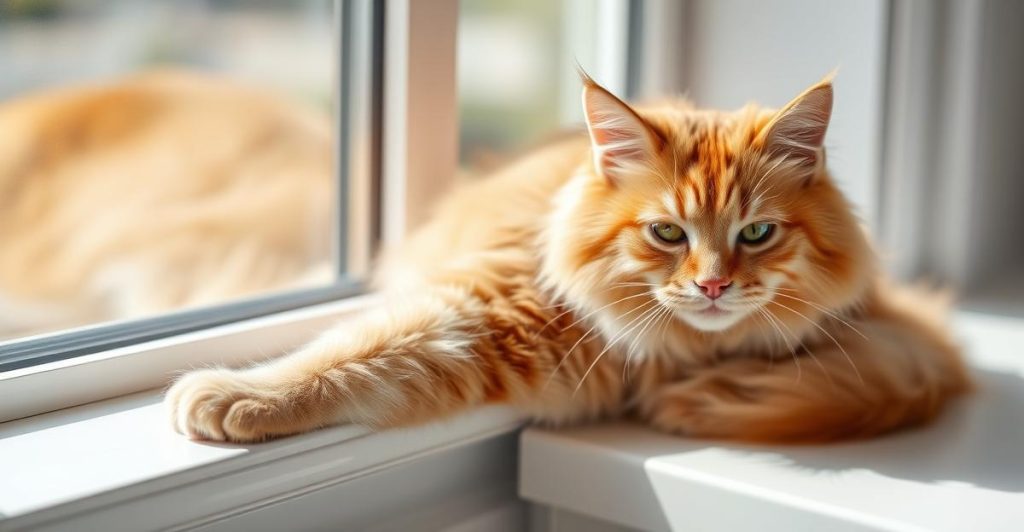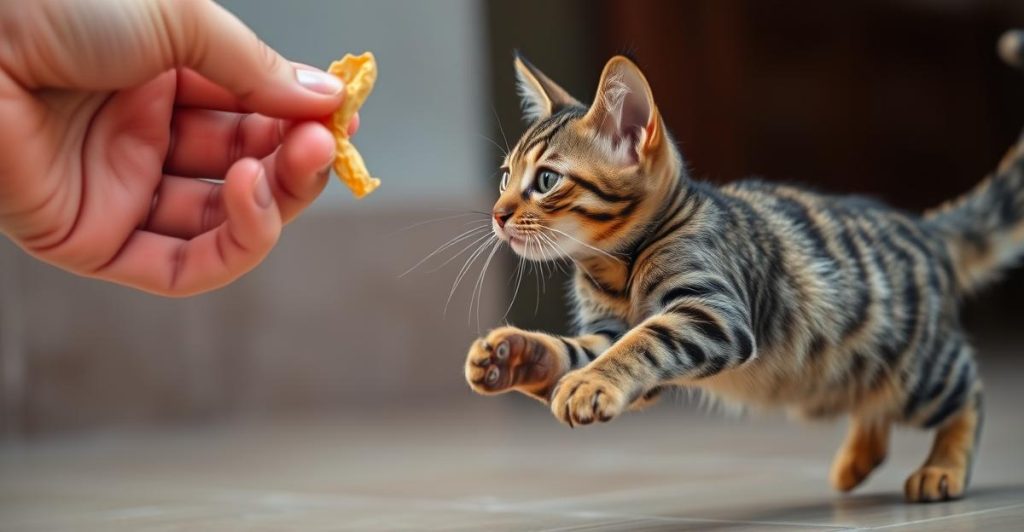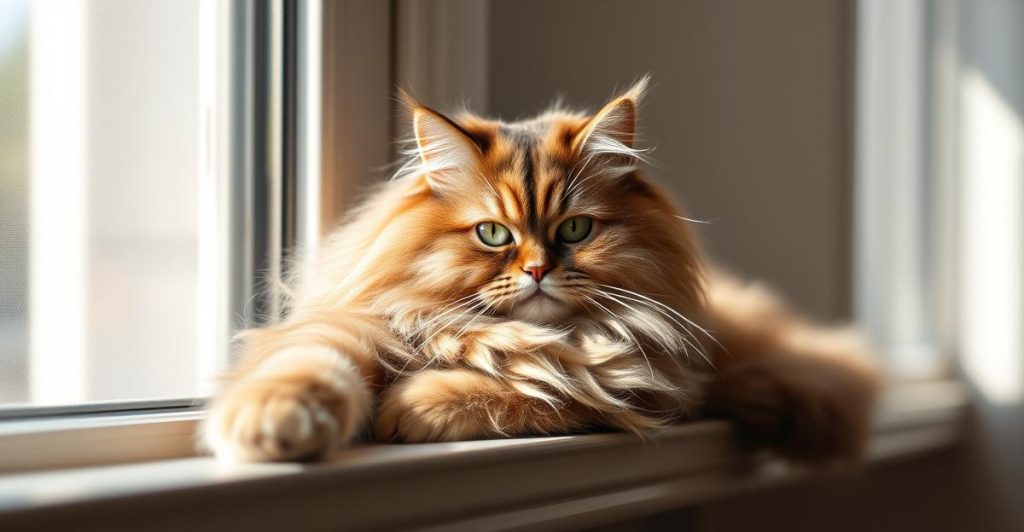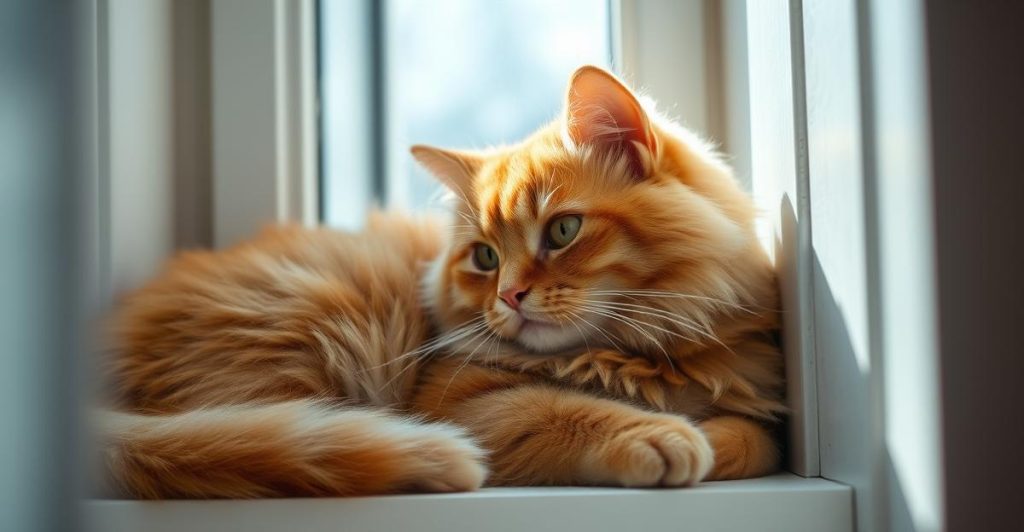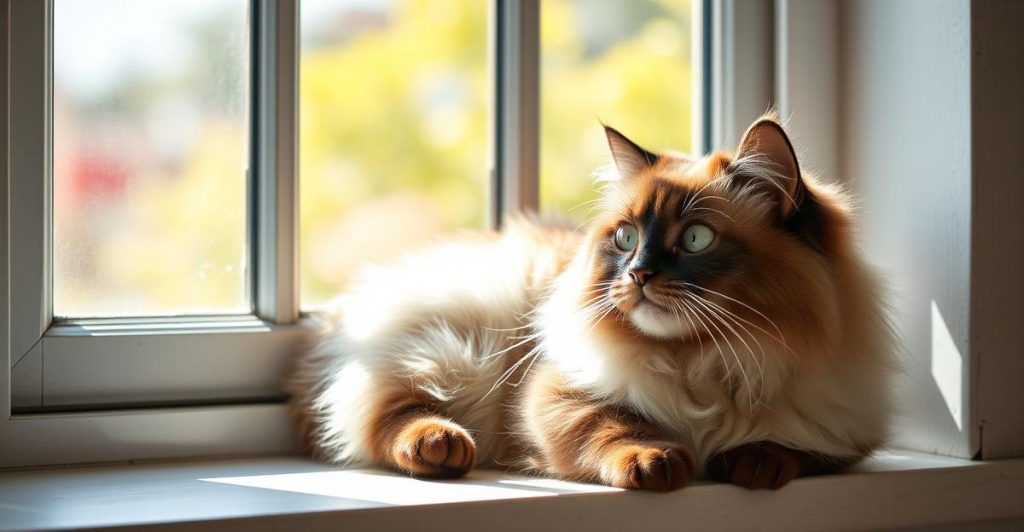

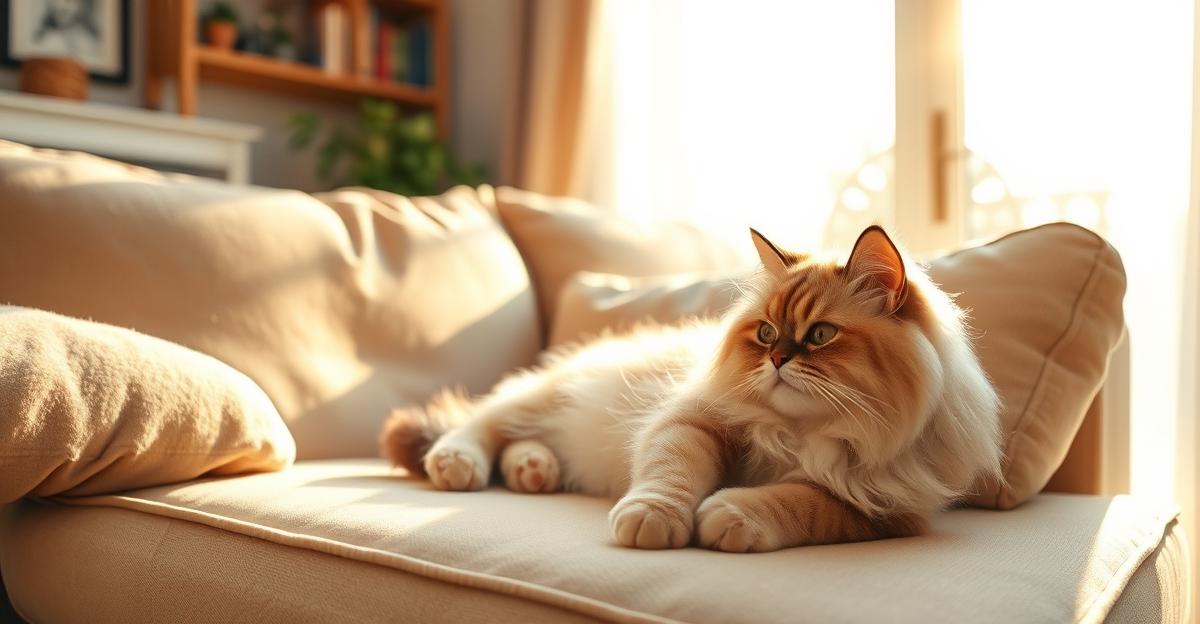
There’s something undeniably magical about the moment a Ragdoll cat decides to flop onto your lap, its plush fur rippling like a living blanket. Whether you’re a seasoned cat enthusiast or a newcomer curious about this gentle giant, you’ll quickly discover why the Ragdoll cat captures hearts with its playful charm and serene temperament. From their mesmerizing blue eyes to their love of interactive games, Ragdolls turn everyday moments into a delightful dance of curiosity and affection. Let’s explore what makes this breed so endearing, how to nurture its playful spirit, and the simple daily habits that keep a Ragdoll cat happy, healthy, and forever entertained.
Understanding the Ragdoll Personality
The Ragdoll cat is often described as the “puppy of the cat world,” and for good reason. These felines thrive on human interaction, following you from room to room, and greeting you with a soft, relaxed posture that feels almost like a plush toy. Their temperament is consistently calm, making them ideal companions for families, seniors, and anyone seeking a low‑stress pet.
Key traits that define the Ragdoll cat’s personality include:
- Gentle affection: They love to be held and will often go limp in your arms, hence the name “Ragdoll.”
- Playful curiosity: Despite their laid‑back nature, Ragdolls are keen explorers who enjoy interactive toys and puzzle games.
- Social confidence: They are not shy around strangers and often greet guests with a friendly head‑butt.
- Quiet vocalizations: Soft, melodic chirps replace the loud meows of many other breeds.
Knowing these characteristics helps you tailor a lifestyle that supports their natural tendencies, ensuring a harmonious home environment.
Creating a Play‑Friendly Environment
Even the most relaxed Ragdoll cat needs mental stimulation and physical activity to stay content. Designing a play‑friendly space is simple when you focus on a few essential elements.
- Variety of toys: Rotate feather wands, laser pointers, and soft plush mice every few days to keep interest high.
- Vertical spaces: Install sturdy cat trees or wall‑mounted shelves; Ragdolls enjoy perching to observe their kingdom.
- Interactive puzzle feeders: These encourage gentle problem‑solving while providing a tasty reward.
- Safe indoor “adventure zones”: Use a cat‑friendly tunnel or a cardboard castle for hide‑and‑seek games.
Remember, the goal isn’t to tire your Ragdoll out with endless sprinting; it’s to engage its mind, satisfy its curiosity, and provide gentle exercise that promotes overall wellness.
Daily Routine Tips for a Happy Ragdoll
Consistency is key for any cat, and Ragdolls especially appreciate a predictable daily rhythm. Below are practical habits that foster a sense of security and joy.
- Morning greeting: Spend a few minutes each morning petting and talking to your Ragdoll; this reinforces bonding.
- Scheduled play sessions: Two short play periods (10‑15 minutes each) fit perfectly into a typical day.
- Fresh water stations: Provide multiple water bowls or a circulating fountain to encourage hydration.
- Grooming rituals: Brush your Ragdoll’s semi‑long coat 2‑3 times a week to prevent tangles and strengthen your connection.
- Quiet evening wind‑down: Dim the lights, play soft music, and allow your cat to settle on your lap for a calming end to the day.
These simple steps weave together a lifestyle that nurtures both the body and the soul of your Ragdoll cat.
Choosing the Right Play Activities
Not all play is created equal, and the best activities align with the Ragdoll’s natural preferences. Below is a quick guide to help you select the most engaging options.
Indoor Play vs. Outdoor Exploration for Ragdoll Cats
| Aspect | Indoor Play | Outdoor Exploration |
|---|---|---|
| Safety | Fully controlled environment, no traffic or predators. | Requires a secure, cat‑proofed enclosure or harness. |
| Stimuli | Interactive toys, climbing structures, puzzle feeders. | Natural scents, sunlight, fresh air, birdwatching. |
| Exercise Level | Gentle bursts of activity; ideal for the Ragdoll’s relaxed style. | More vigorous movement; monitor to avoid overexertion. |
| Social Interaction | Easy to join in; family members can play together. | Opportunities for supervised outdoor play dates with other cats. |
| Maintenance | Minimal cleanup; toys can be stored after use. | Extra attention to paws and fur after returning indoors. |
For most Ragdoll owners, a balanced mix works best: primary indoor play for safety and comfort, complemented by occasional supervised outdoor sessions in a secure patio or catio. This approach satisfies their curiosity while preserving the calm demeanor they’re known for.
Enriching Your Ragdoll’s Social Life
Ragdoll cats thrive on companionship, whether it’s from humans or fellow feline friends. Here are ways to nurture a vibrant social environment.
- Introduce a compatible cat: If you’re considering a second cat, choose a breed or personality that matches the Ragdoll’s gentle nature.
- Family involvement: Encourage children to engage in gentle petting and interactive play, teaching respect for the cat’s boundaries.
- Regular cuddle time: Set aside a daily “cuddle hour” where you simply sit together, fostering trust and affection.
- Training with treats: Use clicker training to teach simple tricks like “high five” or “come,” reinforcing positive interaction.
- Social media sharing: Capture and share playful moments; the Ragdoll’s photogenic looks often attract a supportive online community.
These social habits not only keep your Ragdoll emotionally fulfilled but also deepen the bond you share, making every day a celebration of feline companionship.
Maintaining a Healthy Lifestyle Without Medical Jargon
Well‑being for a Ragdoll cat is built on everyday habits that promote comfort, contentment, and a glossy coat. Below are gentle, non‑clinical suggestions to keep your cat thriving.
- Balanced feeding schedule: Offer meals at consistent times—typically twice a day—to establish routine.
- Hydration focus: Place a water fountain in a quiet corner; cats are often enticed by moving water.
- Regular coat care: A soft brush removes loose hair and distributes natural oils, giving the Ragdoll’s fur its signature silkiness.
- Environmental enrichment: Rotate toys and introduce new textures (e.g., sisal rope, soft blankets) to keep the environment fresh.
- Stress‑free environment: Keep loud noises and sudden changes to a minimum; Ragdolls appreciate a calm, predictable atmosphere.
By focusing on these simple, everyday practices, you create a lifestyle that supports your Ragdoll’s natural disposition and encourages a lifetime of playful charm.
Frequently Asked Questions
What makes the Ragdoll cat different from other long‑hair breeds?
The Ragdoll’s hallmark is its tendency to go limp when held, combined with a notably calm and affectionate demeanor. While other long‑hair breeds may be more independent or active, Ragdolls are known for their “dog‑like” loyalty, following owners from room to room and seeking constant companionship.
How much exercise does a Ragdoll need each day?
Ragdolls enjoy short, gentle play sessions rather than marathon sprinting. Two to three play periods of 10‑15 minutes each, featuring interactive toys or feather wands, typically provide enough stimulation to keep them fit and happy.
Can a Ragdoll cat live happily in an apartment?
Absolutely. Their laid‑back nature makes them well‑suited for indoor living. Provide vertical spaces, a variety of toys, and regular interaction, and a Ragdoll will thrive in an apartment setting.
Do Ragdoll cats get along with other pets?
Yes, when introductions are gradual and the other pets share a calm temperament. Ragdolls are generally sociable and can coexist peacefully with other cats, dogs, or small animals, especially when each animal has its own safe space.
Disclaimer: This article is intended for informational and entertainment purposes only. It does not replace professional veterinary advice. Always consult a qualified vet for your cat's health and dietary needs.