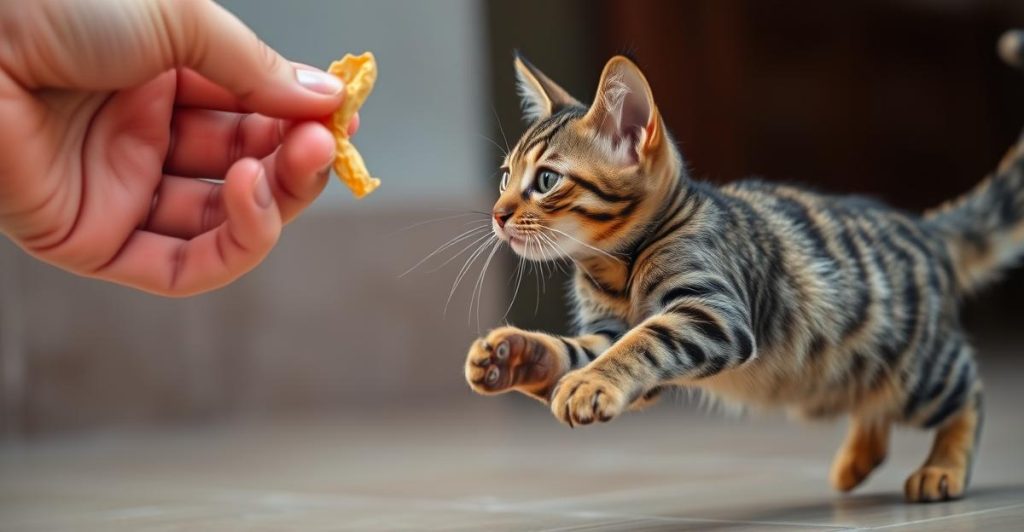

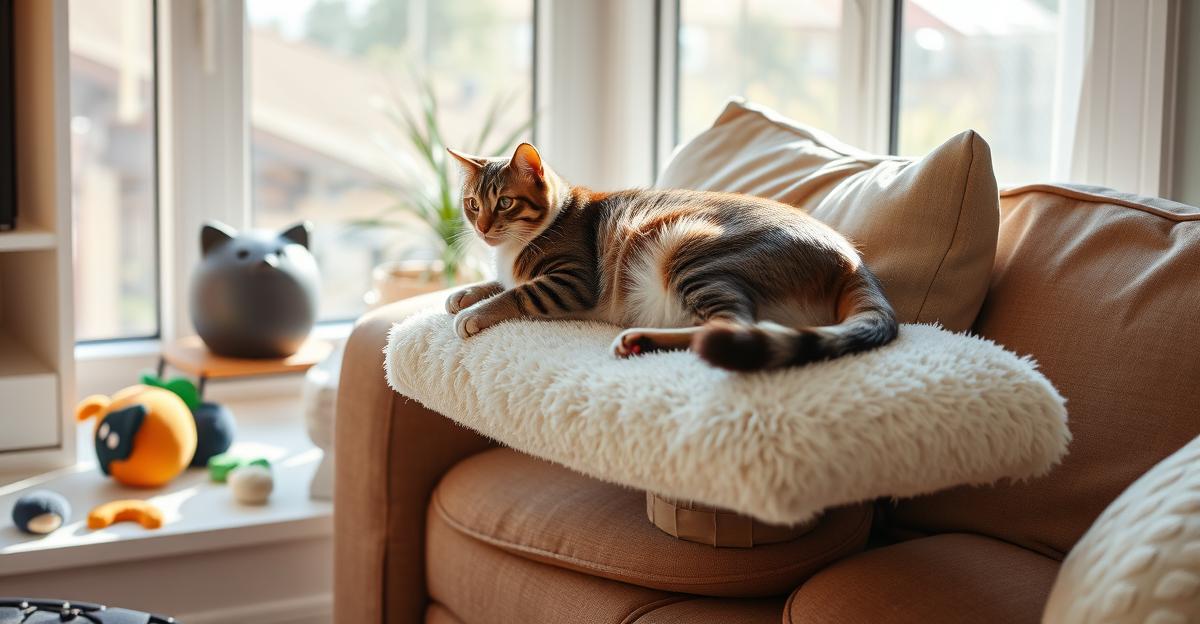
There’s something magical about watching an indoor cat discover a new sunny spot, chase a feather‑tipped wand, or curl up in a freshly folded blanket. Those everyday moments are the heartbeat of a happy home, and they’re all within reach when you design a world that celebrates curiosity, comfort, and confidence. In this guide we’ll explore how to turn ordinary rooms into wonderlands, sprinkle daily rituals with playful purpose, and create cozy corners that invite purr‑filled relaxation. Whether you’re a first‑time cat parent or a seasoned feline enthusiast, these ideas will help you elevate your indoor cat’s daily joy and keep the whiskers twitching with delight.
Creating Cozy Nooks: The Power of Soft Spaces
Cats are natural snug‑seekers. A well‑placed, plush haven can become a favorite retreat that encourages rest, reduces stress, and supports overall well‑being. Here’s how to craft the perfect nooks for your indoor explorer:
- Layer textures: Combine a soft fleece blanket, a low‑pile rug, and a plush pillow to create a tactile tapestry that invites kneading and curling.
- Elevate the view: Install a wall‑mounted perch or a window‑side cat shelf so your cat can observe the outside world while staying safely indoors.
- Hideaway boxes: Simple cardboard boxes, especially when lined with a washable pad, become instant hideouts that satisfy a cat’s love of enclosed spaces.
- Warmth zones: Place a self‑warming pad or a sunny‑catching spot near a south‑facing window for those chilly mornings.
- Quiet corners: Choose low‑traffic areas away from loud appliances or heavy foot traffic to give your cat a calm sanctuary.
By mixing these elements, you’ll provide a variety of micro‑environments that cater to your cat’s shifting moods throughout the day.
Playful Pathways: Enriching the Indoor Landscape
Adventure doesn’t have to mean a backyard. Transform hallways, staircases, and even the space beneath furniture into interactive playgrounds that spark curiosity and encourage gentle exercise.
- Horizontal tunnels: Flexible fabric tunnels can snake around furniture, creating secret passages that inspire exploration.
- Staircase climbers: Secure a series of low, sturdy steps or a mini climbing wall to give your cat a vertical challenge without needing a full cat tree.
- Interactive toys: Rotate feather wands, laser pointers, and puzzle balls to keep play fresh and engaging.
- DIY obstacle courses: Use everyday items—cushions, low stools, and rolled towels—to design a simple agility circuit that stimulates both mind and body.
- Scheduled play bursts: Short, 5‑minute sessions 2‑3 times a day can satisfy hunting instincts while preventing overstimulation.
Sensory Stimulation: Sights, Sounds, and Scents
Indoor cats thrive when their senses are gently challenged. Providing a balanced sensory diet can elevate mood, reduce boredom, and promote natural curiosity.
- Window views: Position a perch near a bird‑friendly window. A simple bird feeder or a butterfly garden outside can turn the view into a live nature show.
- Soft sounds: Play low‑volume nature recordings—rustling leaves, distant water streams, or gentle purring playlists—to create a soothing auditory backdrop.
- Cat‑safe herbs: Sprinkle a pinch of dried catnip, silvervine, or valerian on a favorite toy for a brief burst of euphoria.
- Texture trails: Lay a narrow strip of sisal rope or a carpet runner across the floor to give your cat a tactile path to follow.
- Seasonal scents: Rotate safe, seasonal scents like dried orange peel (in moderation) to keep the environment interesting.
Routine Rituals: Building Predictable Joyful Patterns
Consistency is comforting for cats. Establishing gentle routines around feeding, play, and grooming creates a sense of security that translates into more relaxed, content behavior.
- Meal timing: Offer meals at the same times each day. Even if you’re free‑feeding, consider using a timed feeder to create a predictable schedule.
- Morning stretch: Spend a few minutes each morning gently brushing or massaging your cat’s neck and shoulders. This not only bonds you but also promotes circulation.
- Evening wind‑down: Dim the lights and engage in a short, calm play session before bedtime to signal a transition to rest.
- Weekly enrichment day: Dedicate one day a week to trying a new toy, rearranging a favorite perch, or introducing a fresh scratching post.
- Observation log:
- Keep a simple notebook of your cat’s favorite spots and activities. Noting patterns helps you fine‑tune the environment for maximum joy.
Social Connections: Human‑Cat Bonding Moments
Interaction isn’t just about play; it’s also about shared quiet moments that deepen trust and affection. These bonding rituals can turn everyday life into a series of cherished memories.
- Gentle lap time: Offer a warm lap with a soft blanket. Even a few minutes of quiet companionship can be a powerful confidence booster.
- Talk and read aloud: Cats often respond to the rhythm of human voices. Reading a chapter of a book or chatting about your day can be soothing for both of you.
- Interactive feeding: Use treat‑dispensing puzzles that require your cat to nudge or bat the toy, turning snack time into a collaborative game.
- Photo sessions: Capture candid moments with a smartphone. The act of gently holding your cat for a photo can be a rewarding cuddle.
- Shared grooming: Lightly brushing your cat while they sit on your lap creates a mutual grooming experience that mimics natural feline behavior.
Sustainable Fun: Eco‑Friendly Toys & Accessories
Choosing environmentally conscious products not only benefits the planet but also introduces new textures and challenges for your indoor cat.
- Recycled cardboard: DIY toys made from sturdy cardboard tubes or boxes can be shredded, reshaped, and refreshed repeatedly.
- Natural fibers: Opt for toys woven from organic cotton, hemp, or bamboo. These materials are soft on paws and safe for chewing.
- Upcycled furniture: Convert an old bookshelf into a multi‑level cat playground by adding sisal-wrapped posts and fabric hammocks.
- Solar‑powered play mats: Small, low‑energy LED mats that light up when pawed can provide visual stimulation without batteries.
- Biodegradable litter options: While not a toy, using compostable litter supports a greener household and reduces the overall environmental footprint.
Comparison Table: Vertical vs. Horizontal Play Structures
| Feature | Vertical Play Structures | Horizontal Play Structures |
|---|---|---|
| Space Requirement | Utilizes height; ideal for rooms with limited floor area | Spreads across floor; best for open spaces |
| Exercise Focus | Promotes climbing, jumping, and stretching | Encourages crawling, sliding, and low‑level pouncing |
| Installation | Often wall‑mounted or freestanding with a small footprint | Typically modular pieces that can be rearranged |
| Safety Considerations | Needs secure anchoring to prevent tipping | Requires stable base to avoid wobbling |
| Cat Preference | Favored by confident climbers and senior cats seeking gentle stretch | Loved by playful kittens and cats who prefer ground‑level exploration |
Frequently Asked Questions
How often should I rotate my cat’s toys?
Rotating toys every 1–2 weeks keeps novelty high and prevents boredom. Store a few favorites out of sight and reintroduce them on a regular schedule.
What’s the best height for a window perch?
A perch positioned 2–3 feet above the floor offers a comfortable viewing angle for most cats while remaining easily accessible.
Can I use essential oils around my indoor cat?
Many essential oils are irritating to cats. Stick to cat‑safe options like a few drops of diluted catnip oil on a toy, and always keep fragrances out of direct reach.
How do I know if my cat is truly happy?
Signs of contentment include a relaxed posture, slow blinking, gentle purring, and a willingness to explore or engage in play on their own terms.
Disclaimer: This article is intended for informational and entertainment purposes only. It does not replace professional veterinary advice. Always consult a qualified vet for your cat's health and dietary needs.