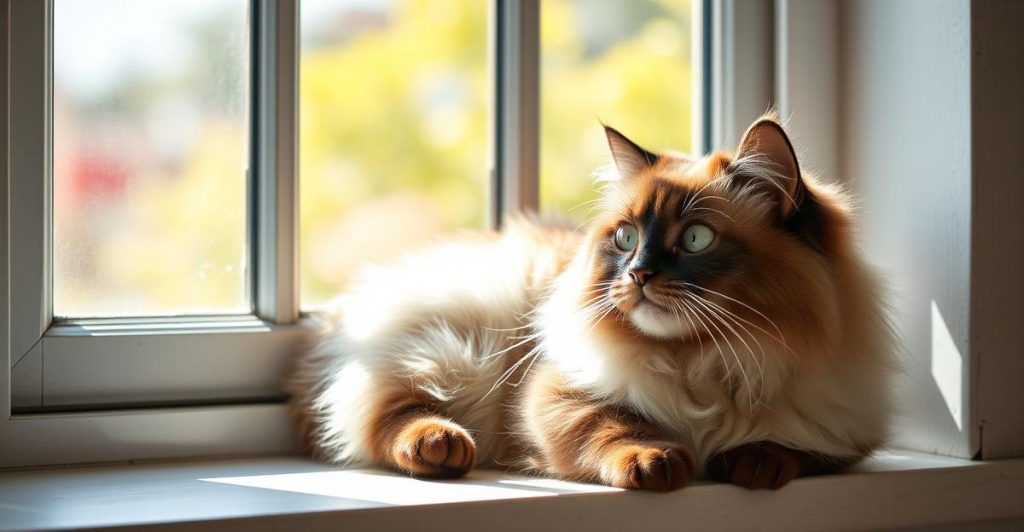

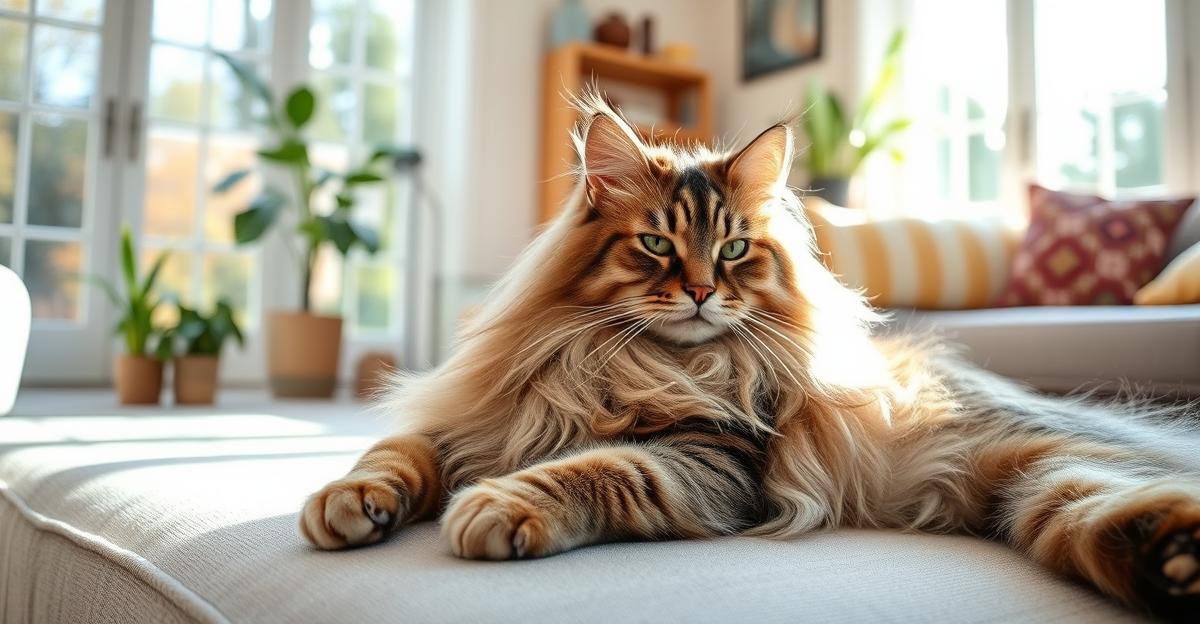
Imagine curling up on the couch with a gentle giant who purrs like a tiny motorboat and follows you from room to room with a dignified swagger. That’s the everyday magic of a Maine Coon. Whether you’re a seasoned cat enthusiast or a curious newcomer, this playful guide will whisk you through the breed’s most endearing quirks, easy‑going care tips, and the simple joys that make living with a Maine Coon feel like having a fluffy, four‑legged roommate. Ready to discover why this gentle giant has captured the hearts of cat lovers worldwide? Let’s dive in!
History and Origins of the Maine Coon
The Maine Coon’s story reads like a folk tale woven into New England’s coastal breezes. Legend has it that these cats arrived on the decks of early ships, their long, water‑repellent coats perfect for braving salty air. Others whisper that they are the result of a cross‑breed between domestic cats and the elusive bobcat, though genetics tells a different tale. What’s undeniable is that by the 1800s, the Maine Coon had earned a reputation as the “gentle giant” of the Northeast, prized by farmers for hunting mice and by families for their affectionate nature.
Today, the Maine Coon holds the title of the United States’ official state cat, a nod to its deep‑rooted place in American history. Their size, ranging from 10 to 25 pounds, and their distinctive tufted ears and bushy tails make them instantly recognizable, while their friendly disposition keeps them forever popular in modern homes.
Personality Traits that Make Them Unique
When you bring a Maine Coon into your life, you’re inviting a companion who blends independence with affection—a rare combination that keeps everyday life interesting.
- Playful Intelligence: These cats love puzzles, feather wands, and interactive toys that challenge their clever minds.
- Gentle Socializers: They often greet guests with a soft head‑butt, making them excellent ambassadors for your household.
- Dog‑Like Loyalty: Expect your Maine Coon to follow you from room to room, sometimes even joining you at the kitchen table.
- Adaptable Temperament: Whether you have a bustling family or a quiet apartment, they adjust their energy level to match the environment.
Because they thrive on interaction, a Maine Coon will gladly sit beside you while you work, watch TV, or read a book—always ready to share a gentle paw or a soft purr.
Grooming and Coat Care
The Maine Coon’s luxurious, semi‑long coat is one of its most striking features, but keeping it looking sleek doesn’t have to be a chore. Regular grooming promotes a happy, comfortable cat and reduces the chance of matting, especially around the neck and tail.
- Brush Twice a Week: Use a wide‑toothed comb or a slicker brush to glide through the fur, removing loose hairs and preventing tangles.
- Focus on the “Mane”: The chest and underbelly often collect more debris; spend a few extra minutes there during each grooming session.
- Check the Ears: Their tufted ears can trap dust. A gentle wipe with a damp cotton ball keeps them clean and comfortable.
- Seasonal Shedding: Expect a modest increase in hair loss during spring and fall. Regular brushing helps keep shedding under control.
Beyond aesthetics, grooming is a wonderful bonding ritual. Talk softly, offer treats, and let your Maine Coon settle into a calm rhythm. Over time, the ritual becomes a trusted moment of connection.
Playtime and Enrichment Ideas
Maine Coons are natural explorers, and a stimulating environment keeps their curious minds sharp. Below are simple, budget‑friendly ways to turn any living space into a feline adventure park.
- Vertical Spaces: Install a sturdy cat tree or wall‑mounted shelves. The breed’s love for heights satisfies their instinct to survey the room.
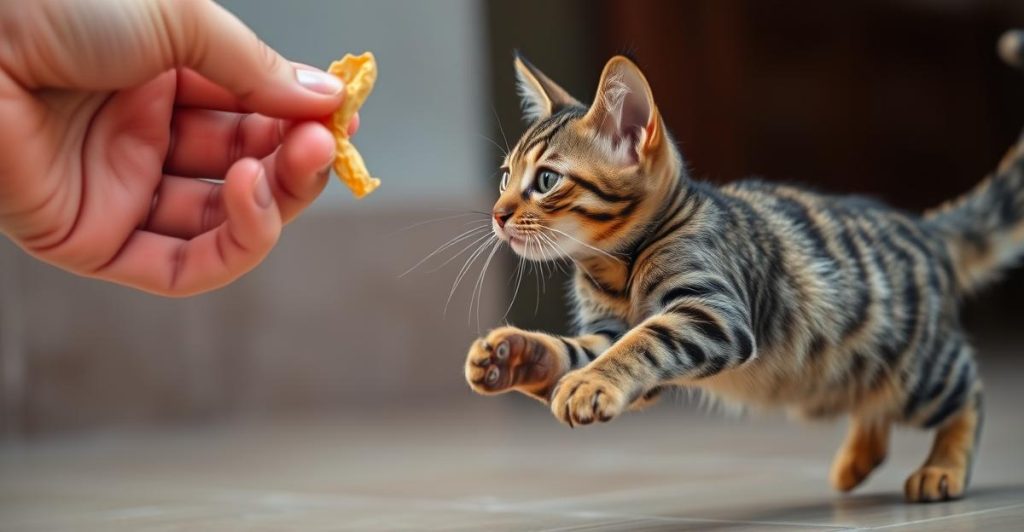
- Interactive Toys: Laser pointers, feather wands, and motorized mice tap into their hunting instincts while providing cardio fun.
- DIY Puzzle Feeders: Hide treats inside a cardboard tube or a rolled towel. The challenge keeps them mentally engaged.
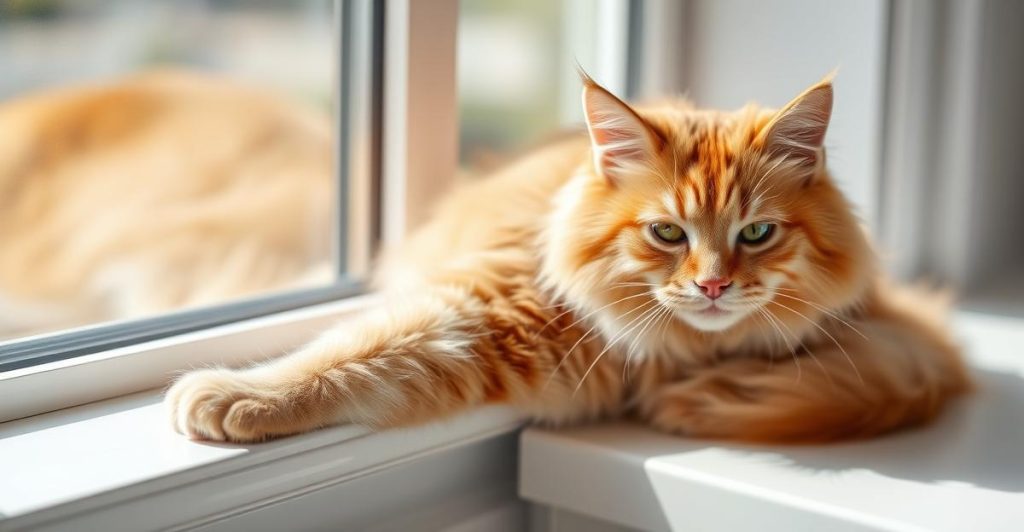
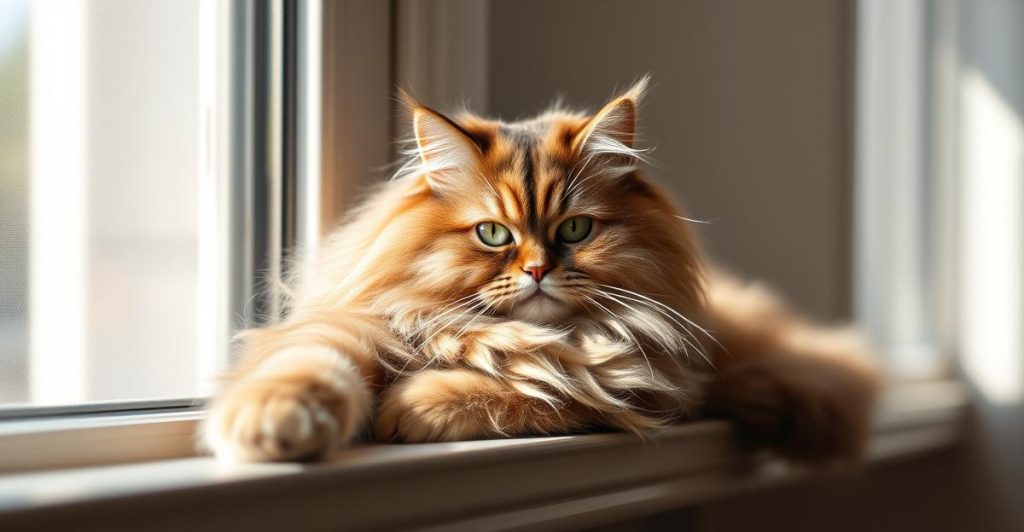
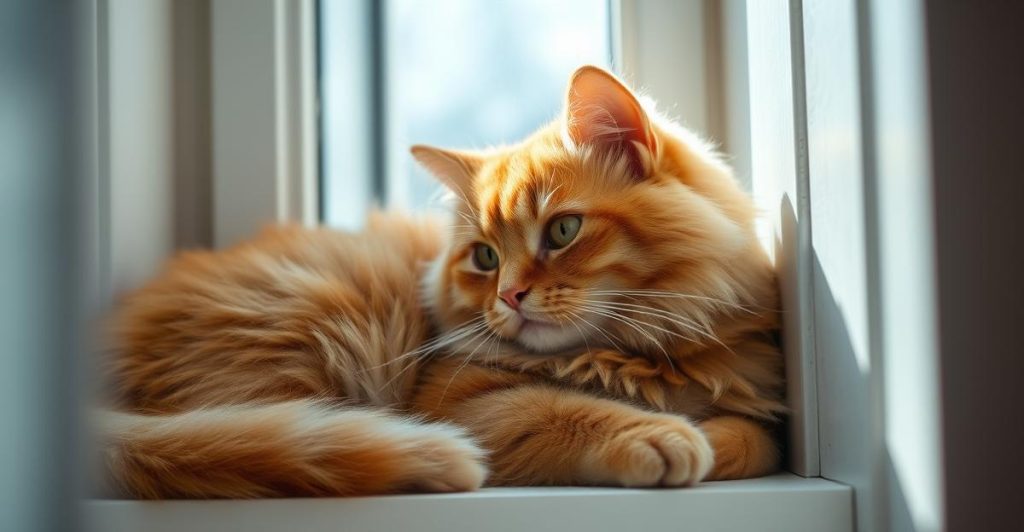
- Window Perches: A comfortable perch by a sunny window offers endless bird‑watching entertainment.
Indoor vs Outdoor Play Activities
| Aspect | Indoor Play | Outdoor Play |
|---|---|---|
| Safety | Fully controlled environment, no traffic or predators. | Requires a secure, fenced area or harness for protection. |
| Stimulation | Enrichment via toys, puzzles, and climbing structures. | Natural scents, varied terrain, and fresh air. |
| Exercise Level | Can be high with interactive play sessions. | Often higher due to natural roaming and chasing. |
| Social Interaction | More opportunities for family involvement. | Potential encounters with other animals. |
| Maintenance | Less fur on furniture, easier to manage shedding. | More grooming needed after outdoor adventures. |
Feeding and Hydration Habits
While the Maine Coon’s size may suggest a hefty appetite, the key to a happy, energetic cat lies in balanced, regular meals and fresh water. Here are some practical feeding habits that keep your gentle giant thriving.
- Scheduled Meals: Offer two to three meals a day at consistent times. Routine helps maintain a calm digestive rhythm.
- Portion Control: Use a measuring cup to serve appropriate portions based on your cat’s activity level and age.
- Fresh Water Stations: Place multiple water bowls around the home or consider a cat‑friendly fountain to encourage sipping.
- Healthy Treats: Small pieces of cooked chicken, freeze‑dried salmon, or commercial cat treats can be used for training or reward.
Remember, a well‑hydrated Maine Coon often exhibits a glossy coat and lively demeanor. Rotate water bowls daily, and keep the feeding area clean to promote a pleasant dining experience.
Choosing a Maine Coon Companion
Deciding to welcome a Maine Coon into your home is an exciting step. Below are essential considerations to ensure a smooth transition for both you and your future feline friend.
- Space Requirements: Their size and love for vertical territory mean a roomy living area with sturdy cat furniture is ideal.
- Family Dynamics: Maine Coons thrive in households with gentle interaction. They are patient with children and other pets when introductions are gradual.
- Time Commitment: Daily play, grooming, and affection are part of the breed’s social nature. Ensure you can dedicate at least 15‑20 minutes of focused interaction each day.
- Rescue vs. Breeder: Reputable rescues often have adult Maine Coons looking for homes. If you choose a breeder, verify health screenings, living conditions, and a commitment to ethical breeding practices.
When you finally meet your Maine Coon, take note of their temperament. A relaxed, curious cat that gently nudges you with its head is a good sign that you’ve found a lifelong companion.
FAQ
Do Maine Coons need a lot of exercise?
Yes, they enjoy regular play sessions that involve climbing, chasing toys, and interactive games. Providing vertical spaces and daily enrichment keeps them fit and mentally satisfied.
How often should I brush my Maine Coon?
Brushing two times per week is ideal for most coats, with extra attention during seasonal shedding periods to prevent matting.
Can a Maine Coon live happily in an apartment?
Absolutely. With sufficient vertical climbing structures, interactive toys, and daily play, a Maine Coon can thrive in smaller spaces as long as its social and enrichment needs are met.
Are Maine Coons good with other pets?
Generally, they are friendly and tolerant. Introducing new pets slowly and providing separate resources (food bowls, litter boxes) helps ensure a harmonious household.
Disclaimer: This article is intended for informational and entertainment purposes only. It does not replace professional veterinary advice. Always consult a qualified vet for your cat's health and dietary needs.