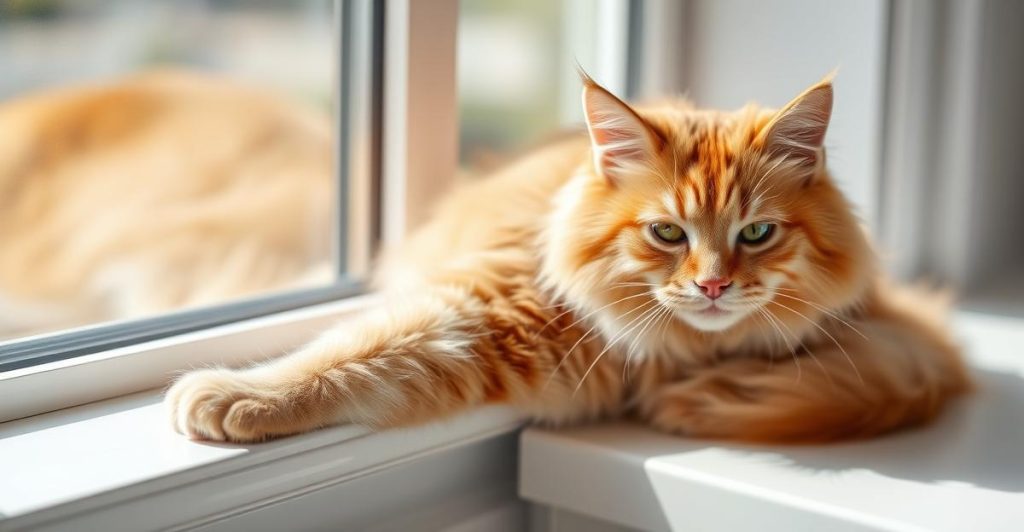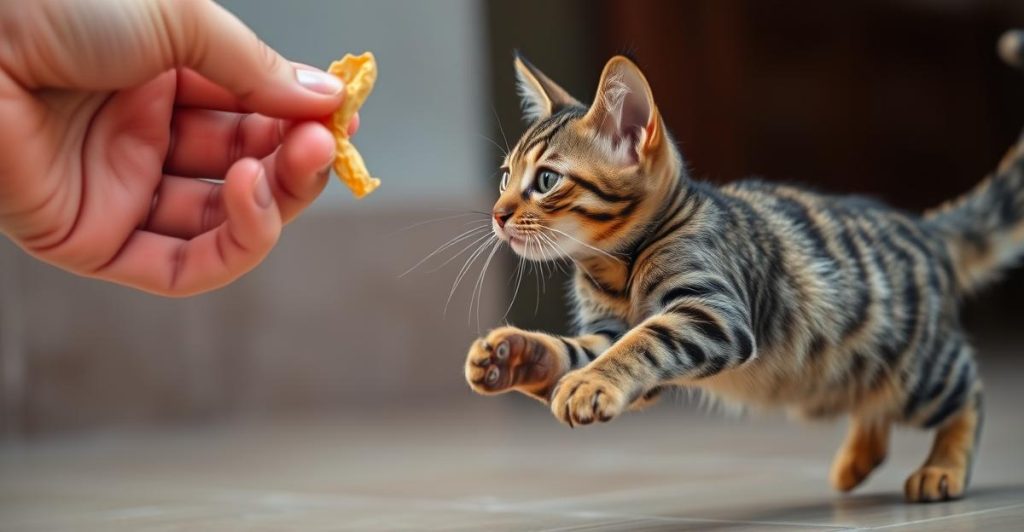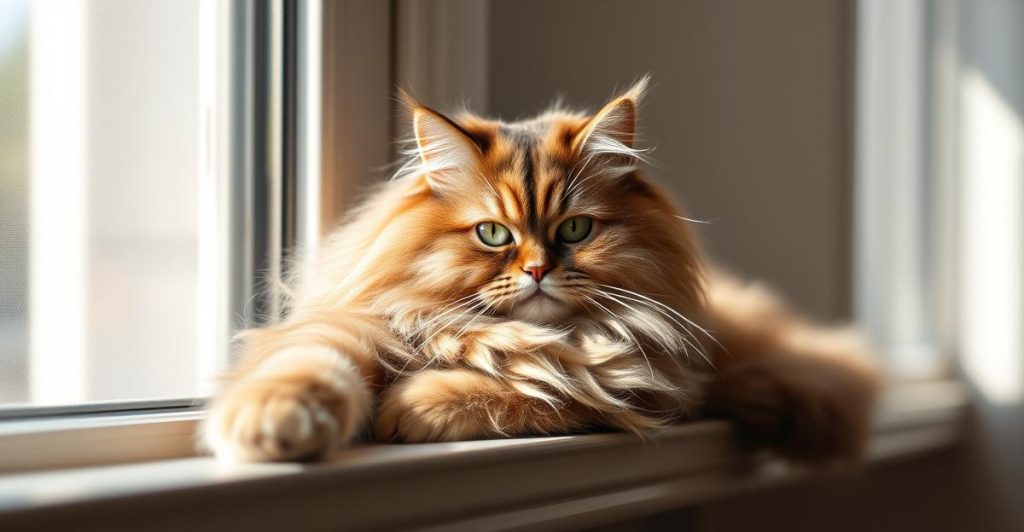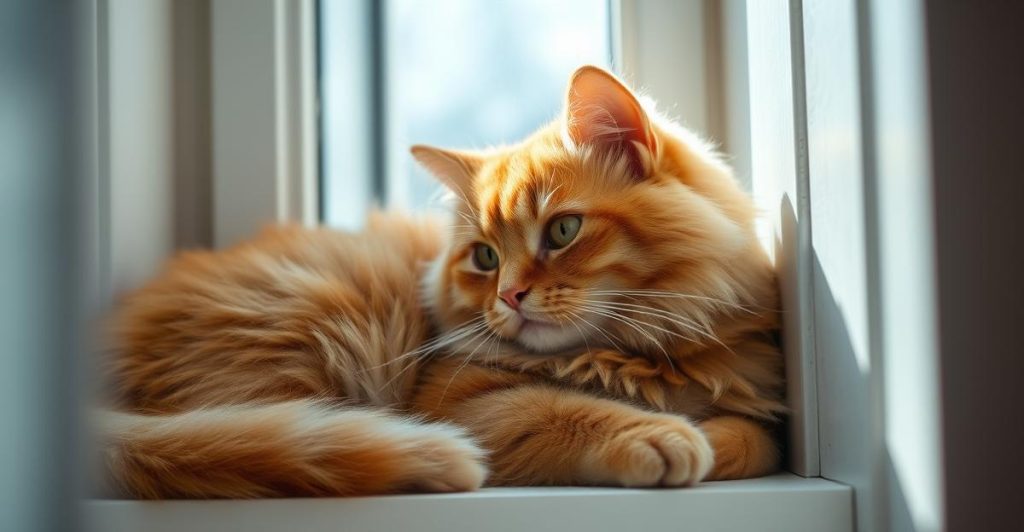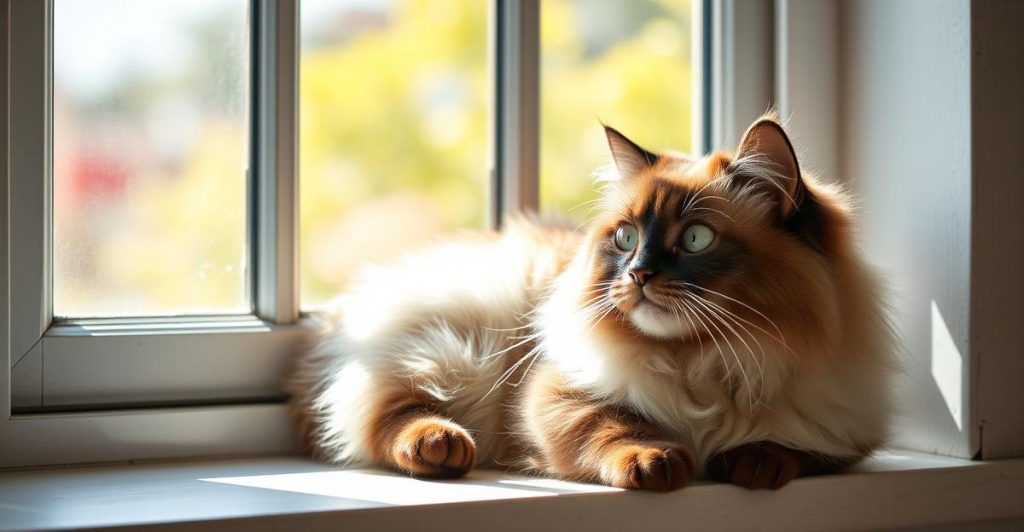

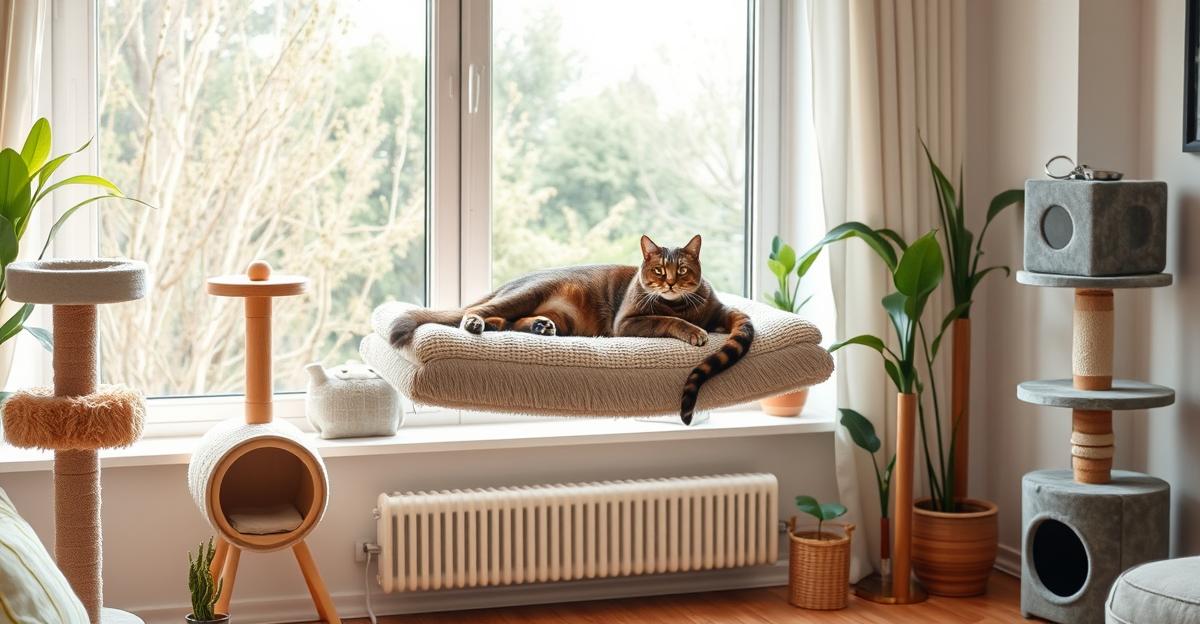
Imagine coming home after a long day to find your feline friend curled up in a sun‑drenched nook, eyes half‑closed, purring in contentment. That picture of pure bliss is the goal of every indoor cat owner: creating cozy corners and playful paths that turn a simple apartment into a feline wonderland. When you design spaces that cater to an indoor cat’s natural instincts—climbing, scratching, hunting, and hiding—you boost indoor cat happiness and nurture a healthier, more relaxed companion. Below, we’ll explore practical ways to transform every room, from the living area to the bathroom, into a sanctuary that keeps your whiskered roommate entertained, exercised, and emotionally fulfilled.
1. Mapping the Perfect Play Circuit: Vertical and Horizontal Flow
Cats are born explorers. In the wild, they navigate trees, rooftops, and narrow ledges, constantly shifting between high perches and low ground. Replicating that dynamic movement indoors is key to indoor cat happiness. Start by visualizing a “play circuit” that weaves through your home, offering both vertical and horizontal routes.
- Identify anchor points: Choose sturdy furniture—like a bookshelf, a tall dresser, or a cat tree—as the main vertical anchors.
- Link with bridges: Use sturdy, cat‑friendly bridges or floating shelves to connect anchors, creating a safe runway for your cat to sprint across.
- Incorporate low‑level hideaways: Cardboard tunnels, fabric tents, or a simple pillow fort give your cat a place to retreat and observe.
- Rotate the circuit: Every few weeks, shift a shelf or add a new perch to keep the environment fresh and stimulating.
When your cat can glide from the kitchen counter (if you allow a safe perch) to the bedroom window ledge without touching the floor, you’ll notice more confident strides and less boredom‑induced mischief.
2. Crafting Cozy Corners: The Art of the Perfect Nook
After a vigorous play session, every cat craves a snug spot to decompress. The secret to indoor cat happiness lies in providing a variety of cozy corners that cater to different temperature preferences, lighting, and privacy levels.
- Sun‑lit window perches: Install a window‑sill shelf or a suction‑cup perch where sunlight streams in. Cats love to watch birds and the world outside while basking in warmth.
- Enclosed hideaways: A soft, fabric‑covered box or a faux‑cave gives a sense of security. Place one in a quiet corner away from foot traffic.
- Heated pads (optional): For cooler climates, a low‑wattage pet heating pad can add extra warmth without overheating.
- Layered textures: Mix plush blankets, faux‑furs, and smooth cushions. Different textures keep the environment interesting and allow your cat to choose their favorite feel.
Strategically placing these nooks near a favorite view or a high‑traffic area lets your cat stay connected while still enjoying private downtime.
3. Interactive Play Zones: Stimulating the Hunter Within
Even indoor cats retain the instinct to stalk, pounce, and chase. By integrating interactive play zones, you channel that energy into positive outlets, which directly enhances indoor cat happiness.
- DIY feather wands: Attach a feather or ribbon to a thin dowel. Swing it across the room, encouraging your cat to leap and bat.
- Puzzle feeders: Use treat‑dispensing toys that require your cat to roll or nudge to release a snack. This adds mental stimulation while reinforcing a slow‑feeding habit.
- Laser‑pointer trails: Move the dot along the edges of a room, mimicking a small prey animal. End the session with a tangible toy to avoid frustration.
- Rotating toy bins: Keep a basket of assorted toys—balls, plush mice, crinkle tunnels—and rotate them weekly to maintain novelty.
Remember, short, frequent play bursts (5‑10 minutes, 2‑3 times daily) keep your cat’s energy balanced and reduce the likelihood of overstimulation.
4. Sensory Enrichment: Smells, Sounds, and Textures
While visual stimulation is obvious, cats also thrive on subtle sensory cues. Adding layers of scent, sound, and tactile experiences can deepen indoor cat happiness and create a more immersive environment.
- Cat‑mint and silvervine toys: These natural herbs trigger a gentle euphoria without any health risk.
- Background nature sounds: Soft bird chirps or rustling leaves played at low volume can mimic an outdoor setting.
- Varied floor coverings: Place a sisal rug in one area, a soft carpet in another, and a textured mat near the litter box for diverse foot‑feel experiences.
- Fresh water stations: A ceramic bowl or a low‑flow fountain encourages hydration and adds a gentle, soothing sound.
These sensory touches are subtle yet powerful tools that turn a regular apartment into a multi‑dimensional playground.
5. Routine and Predictability: Building Trust Through Consistency
Cats are creatures of habit. Predictable daily routines—feeding times, play sessions, and grooming—provide a sense of security that underpins indoor cat happiness. Even if you work from home or have an irregular schedule, establishing a loose structure helps your cat feel in control.
- Set feeding windows: Offer meals at the same times each day, using shallow dishes that are easy to access.
- Scheduled play breaks: Align short play periods with natural transition times, such as before work, after dinner, and before bedtime.
- Gentle grooming rituals: Brushing once or twice a week not only reduces shedding but also strengthens the bond between you and your cat.
- Quiet wind‑down time: Dim the lights and lower noise levels an hour before bedtime to signal a calm environment.
When your cat can anticipate what comes next, stress levels drop, and the overall atmosphere becomes more relaxed and joyful.
6. Balancing Independence and Social Interaction
While many indoor cats adore human companionship, they also cherish moments of solo exploration. Striking the right balance ensures indoor cat happiness without overwhelming either party.
- Solo play stations: Install a rotating “toy of the week” on a high shelf where the cat can bat at it independently.
- Human‑cat bonding rituals: A brief cuddle session, gentle chin rubs, or a short lap‑time after a play burst deepens trust.
- Observation points: A perch near a busy hallway or kitchen lets your cat watch household activity without direct involvement.
- Respect personal space: If your cat retreats to a hidden nook, give them the privacy they seek before re‑engaging.
Understanding when to engage and when to step back creates a harmonious living environment where both cat and owner thrive.
Comparison Table: Indoor Play vs. Outdoor‑Inspired Play
| Aspect | Indoor Play (Safe & Controlled) | Outdoor‑Inspired Play (Simulated) |
|---|---|---|
| Space Requirement | Uses existing rooms, shelves, and furniture. | Requires additional accessories like tunnels and climbing walls. |
| Safety Level | High – no exposure to traffic, predators, or weather. | Moderate – simulated elements keep risks low but need supervision. |
| Stimulus Variety | Focused on toys, interactive wands, and puzzles. | Incorporates natural scents, bird‑watching windows, and textured terrain. |
| Physical Exercise | Short bursts of high‑intensity play (5‑10 min). | Longer, exploratory sessions mimicking stalking and pouncing. |
| Setup Cost | Low to moderate – repurposed furniture works well. | Higher – may need specialty climbing structures or outdoor‑style accessories. |
FAQ
How many play sessions does an indoor cat need each day?
Most indoor cats thrive on 2‑3 short play sessions lasting 5‑10 minutes each. These bursts match their natural hunting rhythm and keep energy levels balanced without causing overstimulation.
Can I use a cat tree in a small apartment?
Absolutely. Choose a vertical cat tree that leans against a wall or a compact modular system. Even a single tall perch combined with a hanging hammock can provide the climbing experience your cat craves.
What are the best materials for a cat’s scratching post?
Sisal rope, carpeted fabric, and natural wood are all excellent choices. Rotate between them to keep your cat interested and to protect your furniture from unwanted scratching.
How do I know if my cat is truly happy?
Signs of indoor cat happiness include a relaxed body posture, slow blinking, gentle purring, playful engagement, and a willingness to explore new spots. A content cat will also display a healthy appetite and a glossy coat.
Disclaimer: This article is intended for informational and entertainment purposes only. It does not replace professional veterinary advice. Always consult a qualified vet for your cat's health and dietary needs.