
How to Create a Cozy Kitten Haven for Happy Playtime
Bringing a new kitten home feels like opening a tiny treasure chest of curiosity, purrs, and endless energy. As they scamper from one corner to the next, you’ll quickly notice that a well‑designed space can turn those frantic bursts of play into moments of pure joy. A Kitten Haven isn’t just a cute phrase—it’s a purposeful sanctuary where safety, comfort, and stimulation blend together, giving your little explorer the confidence to grow into a happy, well‑adjusted cat. In this guide we’ll walk through every step, from choosing the right textures to arranging interactive zones, so you can watch your kitten thrive in a space that feels just right.
1. Choose the Right Foundations: Soft Surfaces and Safe Boundaries
Before you start adding toys and climbing structures, think about the basics that make any kitten feel secure. Soft, warm surfaces give them a place to curl up after a vigorous play session, while clear boundaries keep them from wandering into risky spots.
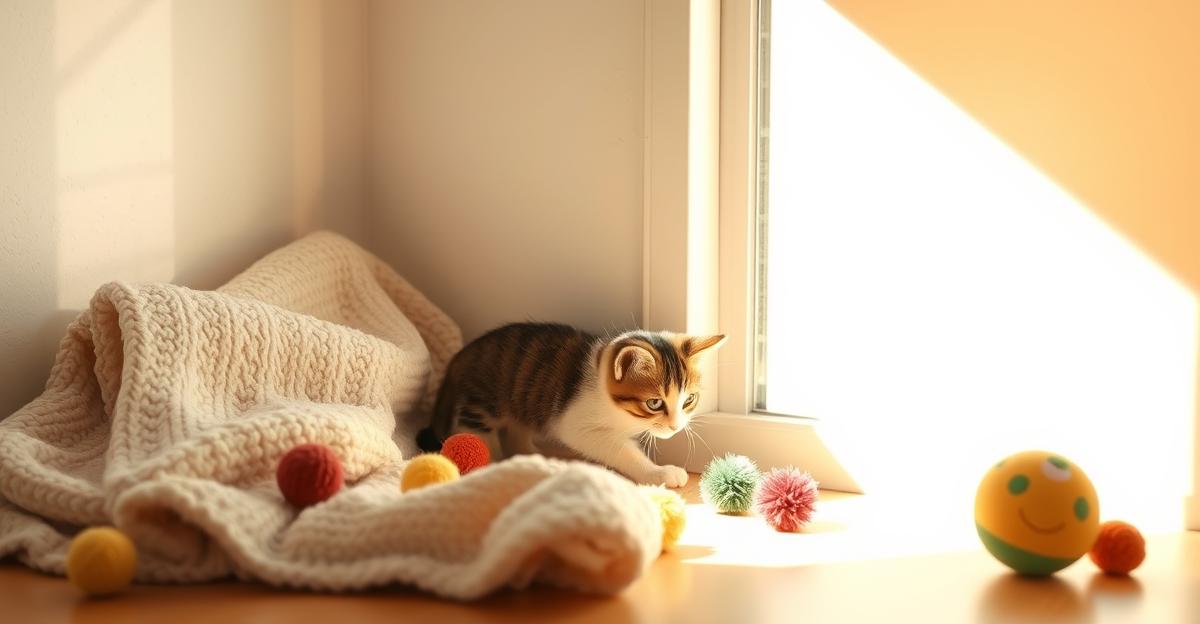
- Plush bedding: Opt for low‑pile, washable blankets or a small, cushioned cat bed placed on a quiet corner of the room.
- Non‑slip mats: A silicone or rubber mat under play areas prevents sudden slides, especially on hardwood floors.
- Baby gates or playpens: Use these to cordon off areas you don’t want your kitten to explore yet, such as the kitchen or stairwell.
- Temperature control: Keep the haven away from direct sunlight or drafts; a consistent, comfortable temperature encourages longer naps.
When you combine these foundational elements, you create a “soft landing” that invites your kitten to rest, recharge, and feel protected.
2. Layer in Vertical Space: Shelves, Perches, and Cat Trees
Kittens love to climb, pounce, and observe from a height. Adding vertical elements not only satisfies their natural instincts but also expands the usable area of your Kitten Haven without taking up valuable floor space.
- Wall‑mounted shelves: Install sturdy, low‑profile shelves at kitten‑friendly heights (12‑18 inches). Use carpeted or sisal‑covered surfaces for traction.
- Modular cat trees: Choose a tree with multiple platforms, a cozy hammock, and a few dangling toys. Look for stable bases that won’t tip over.
- Window perches: A simple suction‑cup perch gives your kitten a sunny spot to watch the world, providing mental stimulation.
- Hide‑away tunnels: Fabric tunnels or cardboard tubes can be attached to shelves for secretive exploration.
By varying the height and texture of each vertical feature, you create a dynamic playground that encourages stretching, jumping, and confident movement.
3. Add Interactive Elements: Toys, Puzzles, and Sensory Fun
Play is the language of kittens. The right mix of toys and interactive stations keeps boredom at bay and helps develop coordination, problem‑solving skills, and social confidence.
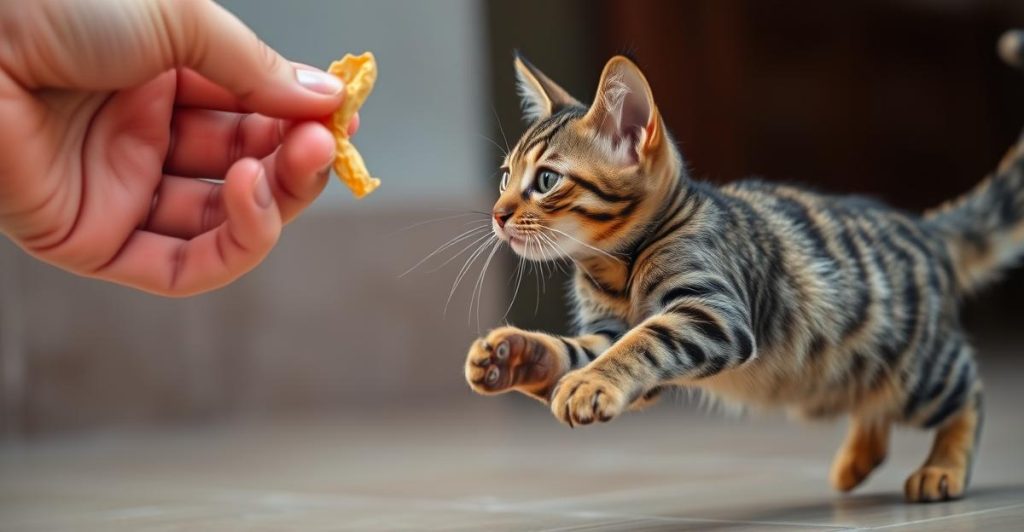
- Feather wands and laser pointers: Use these for short, high‑energy chase sessions that mimic hunting behavior.
- Treat‑dispensing puzzles: Simple cardboard puzzles or silicone treat balls encourage gentle mental work while rewarding curiosity.
- Crinkle balls and soft mice: Lightweight toys that bounce unpredictably are perfect for solo play.
- Catnip‑infused fabric: Introduce occasional catnip toys to spark enthusiasm, but rotate them to keep interest fresh.
Remember to rotate toys every few days. The novelty factor keeps the Kitten Haven feeling new and exciting.
4. Create Calm Corners: Quiet Zones for Rest and Observation
Even the most energetic kitten needs moments of tranquility. A designated calm corner helps them self‑regulate, reducing stress and promoting a balanced mood.
- Enclosed hideaways: Small cat caves, fabric tents, or even a repurposed cardboard box with a soft blanket inside offers a sense of security.
- Soft lighting: Use a low‑intensity lamp or a night‑light to create a soothing ambiance without harsh glare.
- Background sounds: Gentle classical music or nature sounds can mask sudden noises and help kittens settle.
- Elevated perches: A single low shelf with a plush cushion provides a semi‑private lookout spot.
By balancing active zones with calm corners, you give your kitten the freedom to choose how they spend their time, fostering confidence and contentment.
5. Keep the Space Fresh: Routine Cleaning and Maintenance
A tidy Kitten Haven is a happy one. Regular cleaning not only keeps odors at bay but also prevents the buildup of dust and allergens that could irritate a kitten’s sensitive respiratory system.
- Litter box hygiene: Scoop daily and replace litter weekly. Place the box near the play area but away from food and water dishes.
- Toy washing: Wash fabric toys in gentle cycles and rinse plastic toys with warm, soapy water.
- Surface vacuuming: Use a brush attachment to remove hair and dander from carpets, rugs, and upholstery.
- Inspect for wear: Check shelves, perches, and toys for loose screws or frayed fabric, repairing or replacing as needed.
Consistent upkeep ensures that the haven remains a safe, inviting environment for weeks to come.
Indoor vs. Outdoor Play Activities: Choosing the Right Balance
| Aspect | Indoor Play | Outdoor Play (Supervised) |
|---|---|---|
| Safety | Fully controlled environment, no traffic or predators. | Requires secure enclosure or harness; exposure to weather. |
| Stimulation | Can use toys, puzzles, and interactive furniture. | Natural scents, varied terrain, and fresh air. |
| Exercise Intensity | Short bursts of high‑energy play; can be scheduled. | Longer exploratory sessions, climbing trees, chasing insects. |
| Social Interaction | Easy to introduce other indoor pets or family members. | Potential encounters with other animals; careful monitoring needed. |
| Maintenance | Easy to clean toys and surfaces. | Requires checking for ticks, fleas, and cleaning outdoor gear. |
Both indoor and supervised outdoor play have unique benefits. By blending the two, you can enrich your Kitten Haven with varied experiences while maintaining a safe core environment.
6. Personalize the Haven: Adding Your Kitten’s Signature Touches
Every kitten has a personality, and tailoring the space to reflect their preferences makes the haven truly theirs.
- Color preferences: Observe whether your kitten is drawn to certain colors or patterns and incorporate matching fabrics or toys.
- Favorite textures: Some kittens love the feel of faux‑fleece, while others prefer woven rope. Use those textures in bedding or scratching posts.
- Seasonal changes: Swap in a light, breathable blanket for summer and a cozy, fleece throw for winter.
- Family involvement: Let kids or other household members add a handmade toy or a small photo frame to make the space feel communal.
When the Kitten Haven reflects both the kitten’s instincts and the family’s love, the bond deepens, and the space becomes a centerpiece of shared joy.
Frequently Asked Questions
What size area is ideal for a Kitten Haven?
A dedicated play zone of about 8–10 square feet works well for most indoor kittens. You can expand vertically with shelves and perches to increase usable space without needing a larger floor footprint.
How often should I rotate toys and accessories?
Rotate toys every 3–5 days. This keeps the environment fresh and encourages continued exploration, preventing boredom.
Is a cat tree necessary if I have wall shelves?
Wall shelves provide excellent vertical space, but a cat tree adds a stable base, a scratching surface, and often a cozy hideaway—all in one piece. If space permits, having both offers varied textures and heights.
Can I let my kitten explore the backyard?
Supervised outdoor time in a secure, enclosed area (like a catio) or using a proper harness can be beneficial for mental stimulation. Always ensure the area is escape‑proof and free of hazards.
Disclaimer: This article is intended for informational and entertainment purposes only. It does not replace professional veterinary advice. Always consult a qualified vet for your cat's health and dietary needs.