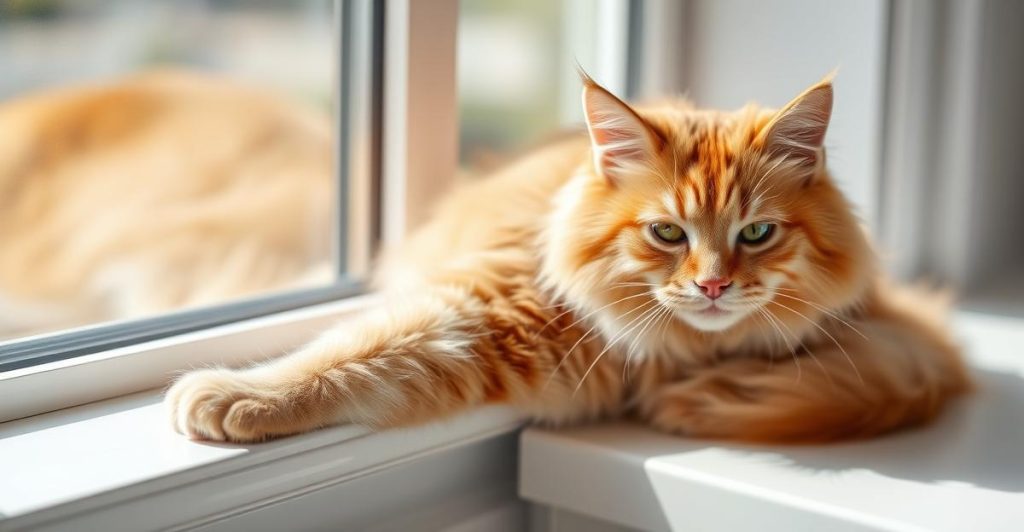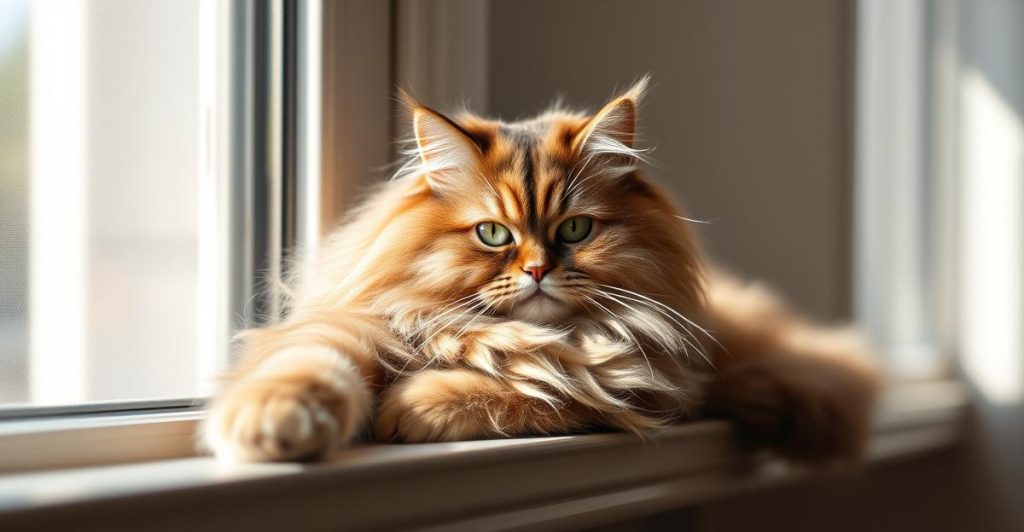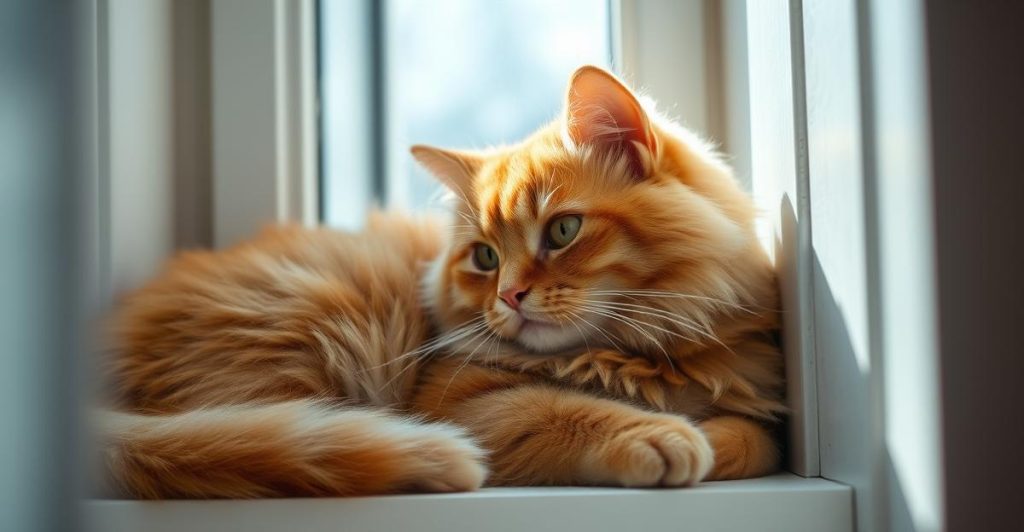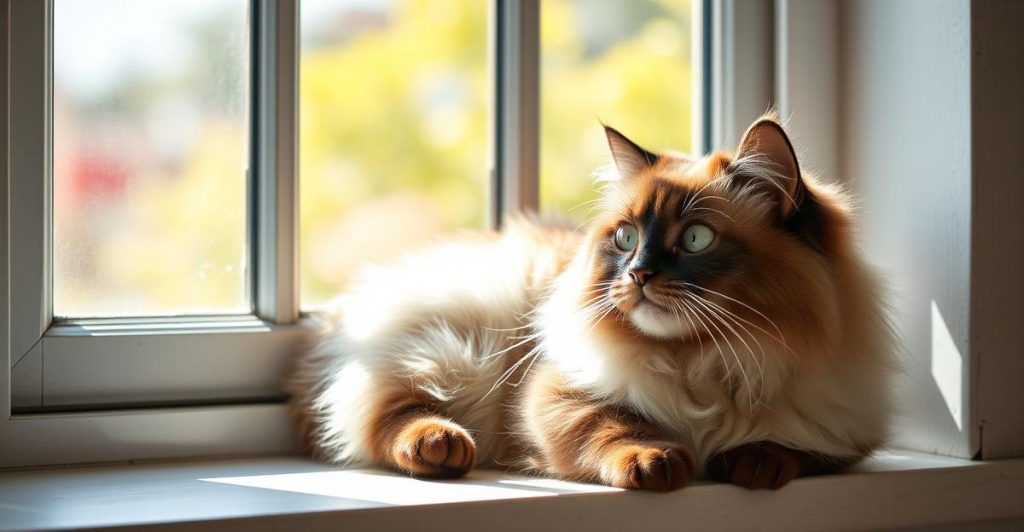

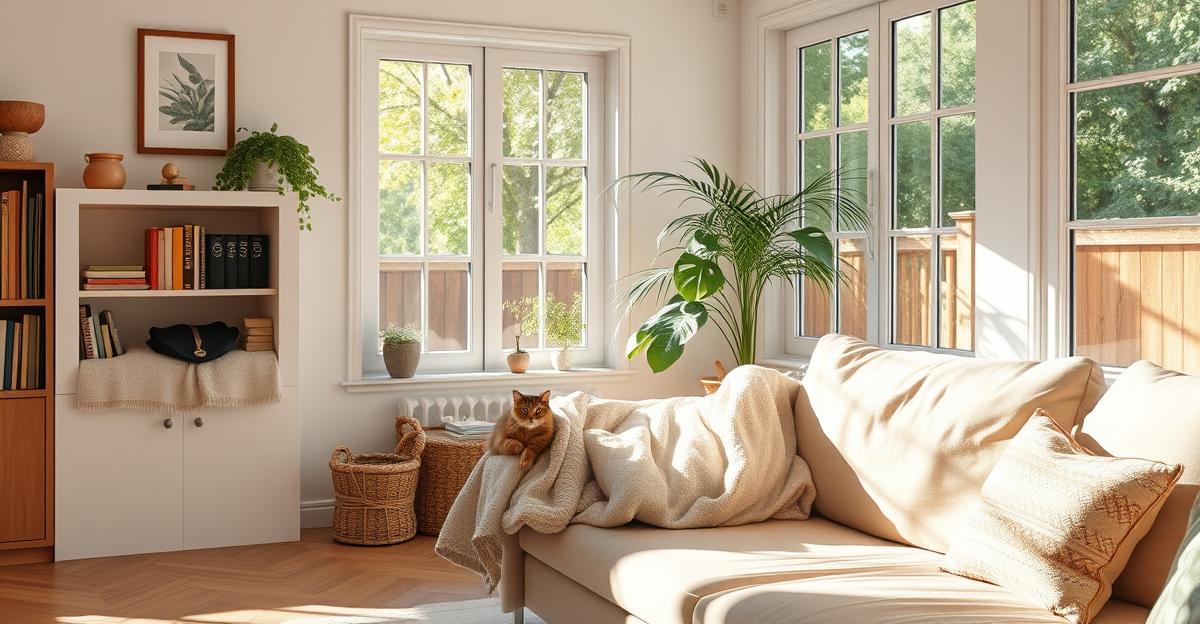
Imagine walking into a living room where a soft, sun‑kissed nook beckons your feline friend to curl up, purr, and drift into dreamland. A cozy cat corner isn’t just a piece of furniture; it’s a sanctuary that speaks to a cat’s instinctual love of warmth, safety, and observation. Whether you live in a bustling apartment or a spacious house, creating a kitty paradise can be as simple as repurposing a cardboard box or as elaborate as designing a custom built‑in hideaway. In this guide we’ll explore the art and science of turning ordinary spaces into irresistible retreats, offering practical tips, DIY ideas, and seasonal tweaks that keep your cat happy, active, and content all year round.
Understanding Your Cat’s Comfort Needs
Before you start measuring, it helps to know why cats gravitate toward certain spots. A cozy cat corner satisfies three core desires:
- Security: Enclosed or semi‑enclosed spaces give cats a sense of protection.
- Warmth: Cats love to soak up heat, whether from sunlight, a heating pad, or a snug blanket.
- Observation: Elevated or window‑facing spots let them watch the world without being seen.
When you design a corner, aim to blend these elements. Think of it as a mini‑habitat that meets the natural preferences of a feline explorer.
Choosing the Perfect Location
Location is everything. The ideal spot balances privacy with accessibility, and it should suit both your cat’s personality and your home’s layout.
- Sunlit Windowsills: Sunlight is a natural heat source. A perch that catches morning rays can become a favorite nap zone.
- Quiet Corners: Away from high‑traffic areas, a corner behind a bookshelf or under a sofa offers solitude.
- High Shelves: Cats love height. A sturdy shelf or cat tree placed near a window provides both elevation and a view.
- Near Your Activities: If your cat enjoys being near you, a corner beside your favorite chair lets them be close while still having their own space.
Try observing where your cat already likes to linger. Replicate those conditions in a dedicated corner for maximum appeal.
Materials and Textures That Invite Snuggles
The right fabrics and surfaces turn a simple nook into a plush haven. Here are some cat‑approved options:
- Soft Fabrics: Fleece blankets, faux fur throws, and knitted cushions provide warmth and a gentle texture.
- Natural Fibers: Cotton and linen are breathable and easy to wash, ideal for warmer months.
- Memory Foam: A thin memory‑foam pad conforms to a cat’s body, offering orthopedic comfort without being too firm.
- Scratching Surfaces: Incorporate sisal rope or carpet squares on the side of the corner to satisfy natural scratching instincts.
- Non‑Slip Bases: A rubberized bottom prevents the entire setup from sliding on hardwood or tile floors.
Mix and match textures to keep the area interesting. Cats often enjoy a “soft‑on‑soft” top layer with a slightly rougher side for scratching or kneading.
DIY Projects: From Cardboard Castles to Custom Cubes
Creating a cozy cat corner doesn’t require a massive budget. Below are three DIY ideas that range from ultra‑simple to moderately ambitious.
1. Cardboard Castle
- Gather a large corrugated box and cut out two opposite sides, leaving a tunnel‑like opening.
- Line the interior with a soft blanket and add a small pillow.
- Optional: Attach a piece of sisal rope inside for scratching.
2. Wooden Shelf Nook
- Install a sturdy floating shelf at cat‑height (about 24‑30 inches from the floor).
- Place a fitted cushion or a small cat bed on the shelf.
- Secure a clear acrylic panel on one side to create a semi‑enclosed feel while maintaining visibility.
3. Built‑In Window Box
- Measure the width of your window sill and cut a piece of plywood to fit.
- Attach a raised lip around the perimeter to prevent the cushion from sliding.
- Cover the top with a waterproof mat, then add a washable, plush cushion.
- Optional: Install a small cat‑safe plant (like catnip or cat grass) for extra enrichment.
These projects can be completed in a weekend and provide a lasting, personalized retreat for your feline companion.
Seasonal Adjustments for Year‑Round Comfort
Just as humans change their wardrobes with the seasons, a cozy cat corner should evolve to match temperature and lighting changes.
Winter Warmth
- Layer a heated pet pad (set on low, automatic shut‑off) beneath the cushion.
- Swap thin blankets for thicker, insulated throws.
- Place the corner near a draft‑free wall or a low‑heat radiator (never directly on top of heating elements).
Summer Cool‑Down
- Use a cooling gel mat or a damp, breathable towel for a refreshing surface.
- Position the nook near a breezy window or a ceiling fan (ensure the fan is safe and out of reach).
- Opt for lightweight, moisture‑wicking fabrics like bamboo or linen.
Spring & Autumn Balance
- Rotate fabrics to keep the scent fresh and prevent wear.
- Introduce seasonal toys (e.g., feather wands for spring, soft plush mice for fall) nearby to encourage play before settling down.
- Check that the corner remains stable on any newly installed flooring or rugs.
Enriching the Corner with Play and Sensory Elements
A truly inviting space does more than just provide a place to sleep; it stimulates a cat’s mind and body. Consider adding these elements:
- Interactive Toys: Hang a feather wand or a battery‑operated mouse on the side of the nook for spontaneous play.
- Catnip Pouch: Slip a small, breathable bag of catnip into a corner pocket to encourage exploration.
- Window View: If the corner faces a window, attach a perch or a clear acrylic panel so your cat can watch birds, squirrels, and passing pedestrians.
- Soft Music: Low‑volume classical or nature sounds can create a calming atmosphere, especially during noisy household events.
Comparison Table: Indoor vs. Outdoor Play Activities
| Aspect | Indoor Play | Outdoor Play (Secure Enclosed Area) |
|---|---|---|
| Safety | Fully controlled environment; no exposure to traffic or predators. | Requires a cat‑proof enclosure; risk of escape if not secured. |
| Stimuli Variety | Limited to toys, climbing structures, and window views. | Natural scents, live insects, varied terrain. |
| Weather Dependence | Unaffected by rain, heat, or cold. | Needs weather‑appropriate shelter and temperature control. |
| Exercise Intensity | Can be moderate; depends on interactive toy use. | Often higher due to open space and natural chasing behavior. |
| Maintenance | Easy to clean; toys can be sanitized regularly. | Requires regular inspection of enclosure for wear and escape routes. |
Maintaining the Paradise: Cleaning and Upkeep Tips
A tidy corner encourages your cat to keep returning. Here are simple maintenance habits that preserve comfort and hygiene.
- Weekly Vacuum: Remove hair and dust from the cushion and surrounding area.
- Monthly Wash: Machine‑wash removable blankets and pillow covers on a gentle cycle.
- Spot Clean: Use a pet‑safe enzymatic cleaner for any accidents; this prevents lingering odors.
- Inspect Materials: Check for frayed seams, loose threads, or worn-out scratching surfaces and replace as needed.
- Rotate Toys: Swap out toys placed near the corner every few weeks to keep the environment fresh.
Personalizing the Space for Multiple Cats
If you share your home with more than one feline, consider the dynamics of territory and personal preference.
- Separate Nooks: Provide at least one distinct corner per cat to prevent competition.
- Shared Enrichment: Place a communal toy basket nearby, encouraging social play without crowding personal spaces.
- Vertical Layers: Use multi‑level shelves so each cat can claim a different height.
- Observation Points: Ensure each cat has a clear line of sight to the main activity area, reducing stress.
Final Thoughts: Turning a Corner into a Kitty Paradise
Creating a cozy cat corner is an act of love that blends instinctual understanding with creative design. By focusing on security, warmth, and observation, selecting the right materials, and adding playful touches, you give your feline friend a sanctuary that supports their well‑being and enriches their daily routine. Remember, the most important ingredient is your attention—watch how your cat interacts with the space, and adjust as needed. With a little effort, you’ll watch your cat bask in contentment, turning an ordinary corner into a true kitty paradise.
Frequently Asked Questions
What size should a cat corner be?
There’s no one‑size‑fits‑all rule, but a comfortable space should allow a cat to stretch fully (about 30‑40 inches long) and have room for a cushion plus a small toy. Larger cats may appreciate a bit more room, while kittens can be satisfied with a smaller nook.
Can I use a heated pad in the corner?
Yes, a low‑temperature, auto‑shutoff pet pad can add extra warmth during colder months. Always place a thin blanket over the pad and monitor for any signs of overheating.
How often should I replace the fabrics in the corner?
Fabric durability varies, but it’s wise to wash removable covers weekly and replace them every 6‑12 months, or sooner if you notice wear, fading, or persistent odors.
My cat prefers high places—should I still create a ground‑level corner?
Absolutely. While many cats love heights, they also need a low‑profile, secure spot for quiet rest. Providing both options satisfies a broader range of comfort needs.
Disclaimer: This article is intended for informational and entertainment purposes only. It does not replace professional veterinary advice. Always consult a qualified vet for your cat's health and dietary needs.