
Imagine stepping into a sun‑lit living room where every cushion, window sill, and corner whispers, “Welcome home, whiskered friend.” An indoor cat paradise isn’t just a decorative trend—it’s a heartfelt commitment to turning everyday spaces into a sanctuary of comfort, curiosity, and contentment for your feline companion. Whether you share a studio apartment or a sprawling house, the magic lies in blending cozy hideaways with playful arenas, all while nurturing your cat’s natural instincts. Let’s explore how to craft a world where purrs echo, tails twitch with excitement, and every day feels like a mini adventure for the cat who calls your home its kingdom.
Designing Cozy Nooks: The Heart of an Indoor Cat Paradise
Cats are masters of micro‑habitat selection. A perfect indoor cat paradise begins with a variety of snug spots that cater to their love of warmth, height, and privacy. Think of each nook as a tiny retreat where your cat can observe, nap, or simply be alone.
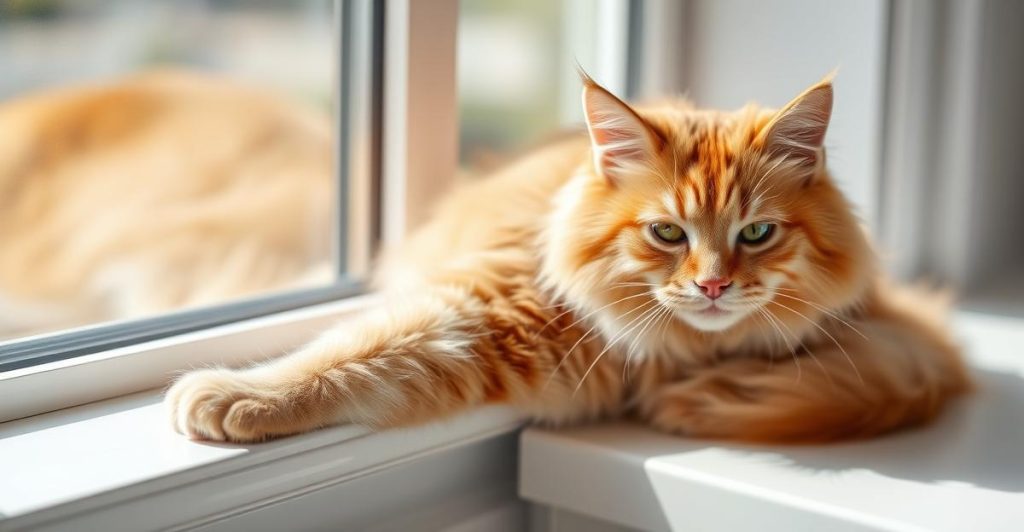
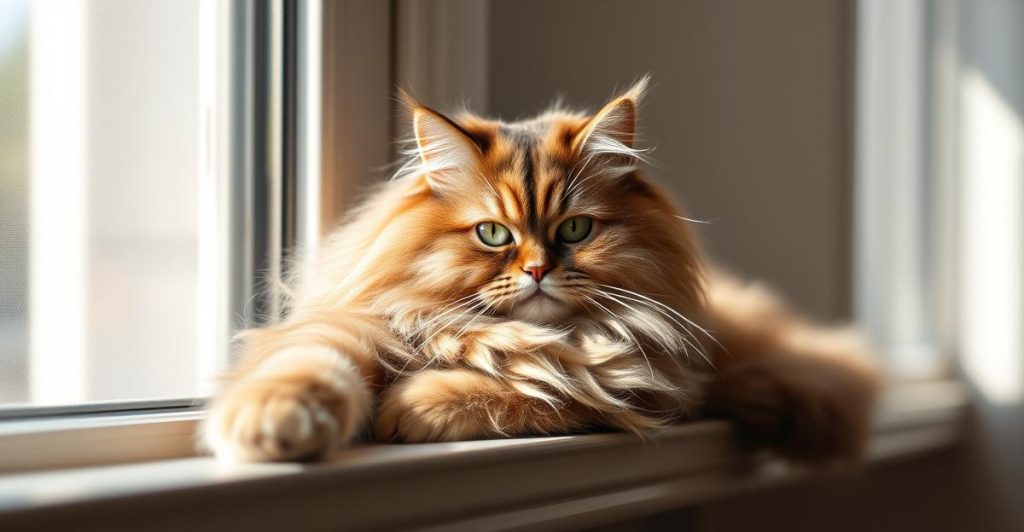
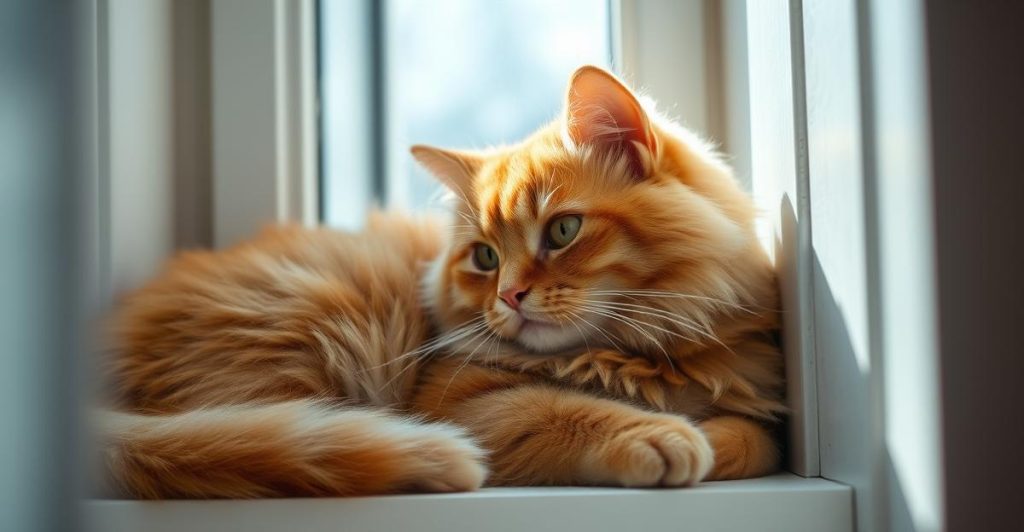
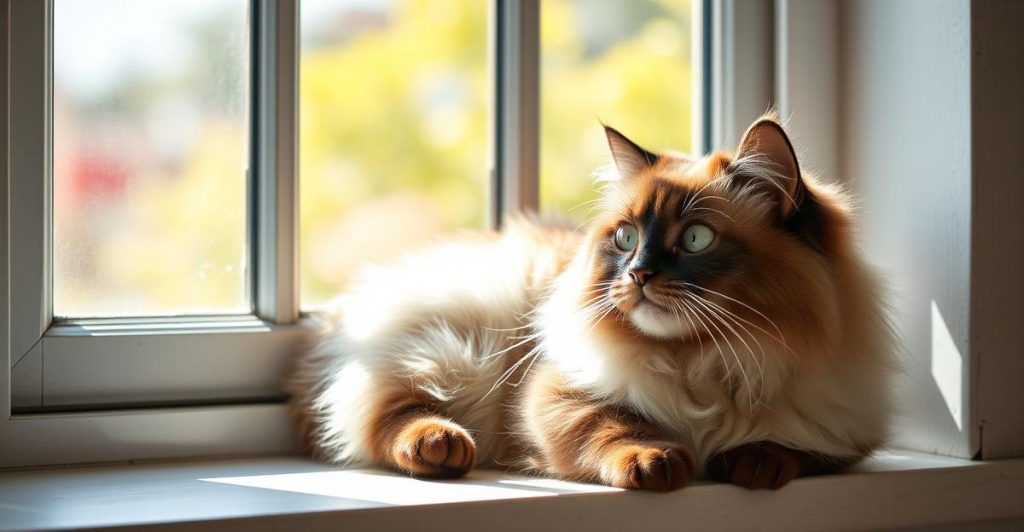
- Window Perches: Install a sturdy, cushioned perch at a sunny window. Sun‑bathing is a natural behavior that promotes relaxation and a healthy coat.
- Elevated Shelves: Floating cat shelves create vertical pathways, allowing your cat to climb, jump, and survey the room from a safe height.
- Soft Hideaways: Use plush cat caves, fabric tents, or even a simple cardboard box lined with a soft blanket for an instant hide‑out.
- Warmth Sources: A heated pet mat (set on low) or a spot near a radiator can become a favorite winter lounge.
- Natural Materials: Incorporate wood, sisal, and natural fibers to give tactile variety and a touch of the outdoors.
When arranging these elements, keep traffic flow in mind. Cats appreciate clear sightlines to monitor activity, so avoid placing hideaways directly behind large furniture that blocks their view. A well‑planned layout encourages confidence and reduces stress, turning every corner into a cherished part of the indoor cat paradise.
Stimulating Play Zones: Turning Everyday Objects into Fun
Play is a cornerstone of feline wellness. By transforming ordinary household items into interactive toys, you keep your cat mentally sharp and physically active without the need for expensive gadgets.
- Paper Bag Hide‑and‑Seek: A simple paper bag with a small opening becomes an instant tunnel for pouncing and exploring.
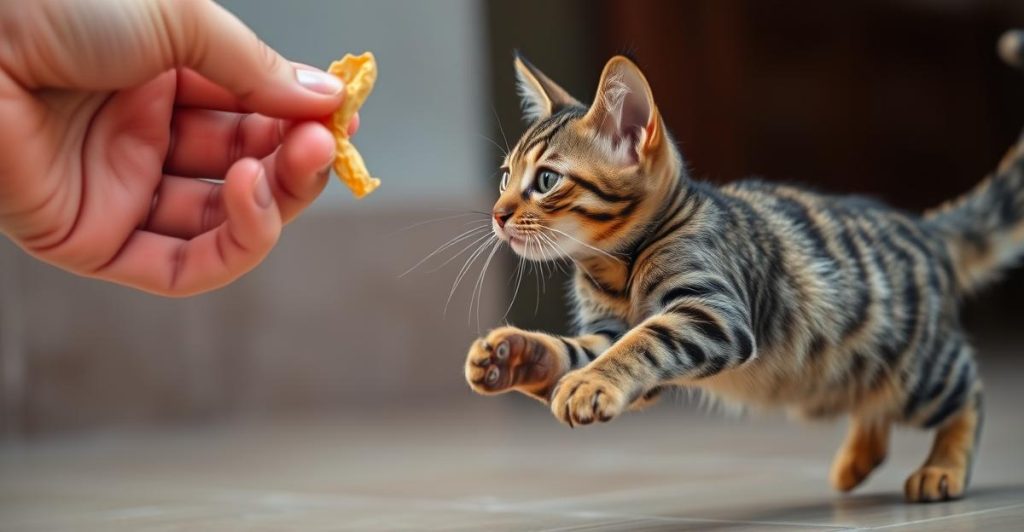
- Feather Wands on a Stick: Swinging a feather wand mimics the flight of a bird, triggering a cat’s predatory chase instincts.
- DIY Puzzle Boxes: Place a treat inside a shallow box and scatter a few crumpled paper balls—your cat will love the challenge of uncovering the prize.
- Rotating Toy Stations: Set up a rotating carousel of small toys (ping‑pong balls, plush mice) to keep novelty fresh.
- Interactive Laser Sessions: Use a laser pointer for short bursts of high‑energy play, always ending with a tangible toy so your cat can “catch” something.
Schedule at least two dedicated play sessions each day—one in the morning and one in the evening—to align with a cat’s natural hunting cycles. Short, frequent bursts of activity help maintain a healthy weight, strengthen muscles, and prevent boredom, all essential ingredients for a thriving indoor cat paradise.
Routine Wellness: Keeping Your Indoor Cat Happy and Healthy
Well‑being goes beyond the occasional treat. A balanced routine that includes grooming, mental enrichment, and gentle exercise creates a foundation for a contented cat.
- Daily Grooming: Brushing removes loose fur, reduces hairballs, and deepens the bond between you and your cat. Choose a brush suited to your cat’s coat length.
- Hydration Stations: Place multiple water bowls or a cat‑friendly fountain around the home. Fresh, moving water encourages regular drinking.
- Environmental Enrichment: Rotate toys weekly, introduce new textures (e.g., a bamboo mat), and vary the placement of scratching posts.
- Quiet Time Zones: Provide a low‑traffic area where your cat can retreat when overstimulated. This respects their need for occasional solitude.
- Gentle Exercise: Encourage low‑impact movement with feather wands, laser chases, or a simple game of “fetch” using a soft ball.
By integrating these habits into your daily schedule, you nurture a cat that feels secure, engaged, and physically comfortable—key attributes of a successful indoor cat paradise.
Feeding Fun: Hydration and Treat Strategies for Indoor Cats
Nutrition is a pillar of overall happiness. While we won’t prescribe specific diets, we can share simple, enjoyable feeding practices that promote hydration and mental stimulation.
- Multiple Small Meals: Offer 2–3 modest portions throughout the day to mimic natural hunting patterns and prevent overeating.
- Water Enrichment: Add a splash of low‑sodium broth (without onions or garlic) to water bowls occasionally to entice drinking.
- Interactive Feeders: Use puzzle feeders that require pawing or rolling to release kibble, turning mealtime into a brain‑boosting activity.
- Healthy Treats: Offer small pieces of cooked chicken, freeze‑dried fish, or cat‑mint leaves as occasional rewards.
- Fresh Food Placement: Rotate the location of food bowls to keep the environment dynamic and encourage exploration.
These practices not only support a balanced diet but also add an element of play, reinforcing the joyful atmosphere of your indoor cat paradise.
Indoor Play vs. Outdoor Play: Benefits Comparison
| Aspect | Indoor Play | Outdoor Play |
|---|---|---|
| Safety | Protected from traffic, predators, and weather. | Exposure to cars, other animals, and harsh elements. |
| Control | Owner can monitor activity and adjust stimulation. | Unpredictable encounters; less oversight. |
| Exercise Variety | Can be enhanced with toys, climbing structures, and puzzles. | Natural hunting and exploration opportunities. |
| Stress Levels | Reduced stress when a stable routine is maintained. | Potential for heightened stress from unfamiliar stimuli. |
| Environmental Impact | Minimal impact; indoor spaces are controlled. | Risk of affecting local wildlife and ecosystems. |
Safety and Enrichment: Smart Choices for a Secure Paradise
Creating a safe environment is as important as adding plush cushions. Simple adjustments can prevent accidents while still delivering excitement.
- Secure Windows: Install sturdy screens or use pet‑safe window guards to allow fresh air without the risk of falls.
- Non‑Toxic Plants: Choose cat‑friendly greenery like catnip, spider plant, or valerian; avoid lilies, poinsettias, and other toxic varieties.
- Electrical Cord Management: Hide or cover cords with protective tubing to deter chewing.
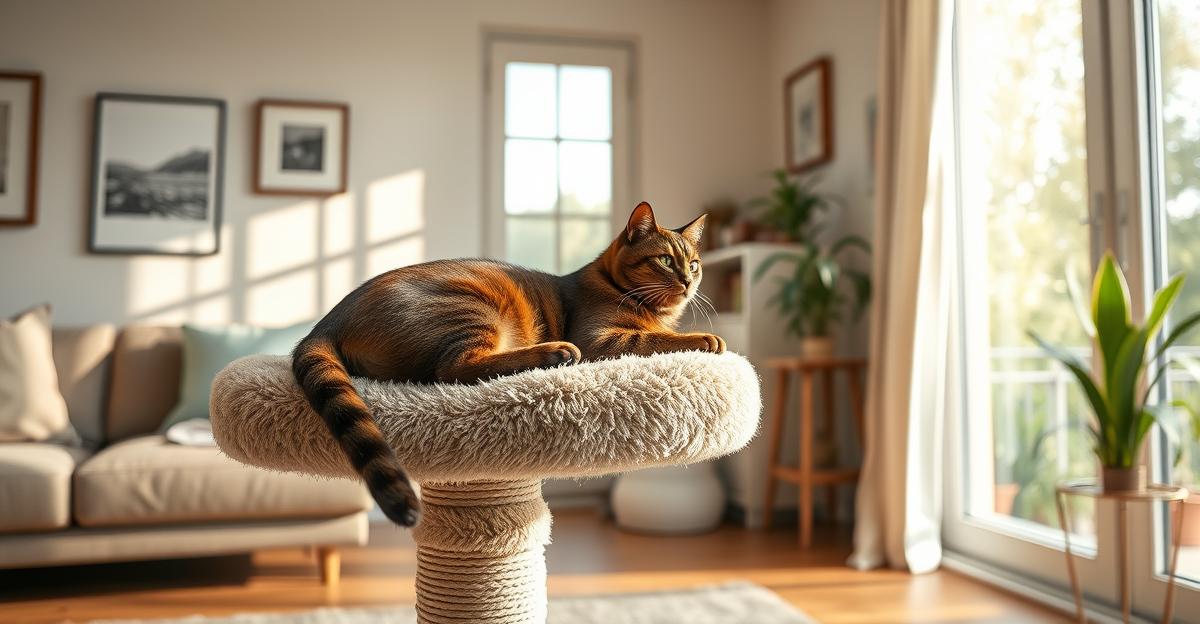
- Stable Furniture: Anchor tall bookshelves and cat trees to prevent tipping during vigorous play.
- Quiet Zones for Veterinary Visits: Keep a portable carrier and a calming blanket ready, so trips to the vet feel less stressful.
By weaving safety into the design, you ensure that every adventure stays within the bounds of fun, reinforcing the confidence and curiosity that define an indoor cat paradise.
Frequently Asked Questions
How many windows should I have for my indoor cat?
There’s no strict number, but providing at least one sunny window perch gives your cat a natural source of warmth and visual stimulation. If space allows, multiple perches at different heights let your cat choose its preferred view.
What’s the best way to keep my cat hydrated?
Place several water sources throughout the home, and consider a cat‑friendly fountain that circulates water. Cats are often attracted to moving water, which encourages more frequent drinking.
Can indoor cats get enough exercise without a backyard?
Absolutely. Regular interactive play sessions, climbing structures, and puzzle feeders can meet a cat’s physical and mental needs. Aim for two short play bouts each day, each lasting 10‑15 minutes.
How often should I change my cat’s toys?
Rotate toys every 1–2 weeks. This keeps the environment fresh and prevents boredom while also allowing you to inspect each toy for wear and tear.
Disclaimer: This article is intended for informational and entertainment purposes only. It does not replace professional veterinary advice. Always consult a qualified vet for your cat's health and dietary needs.