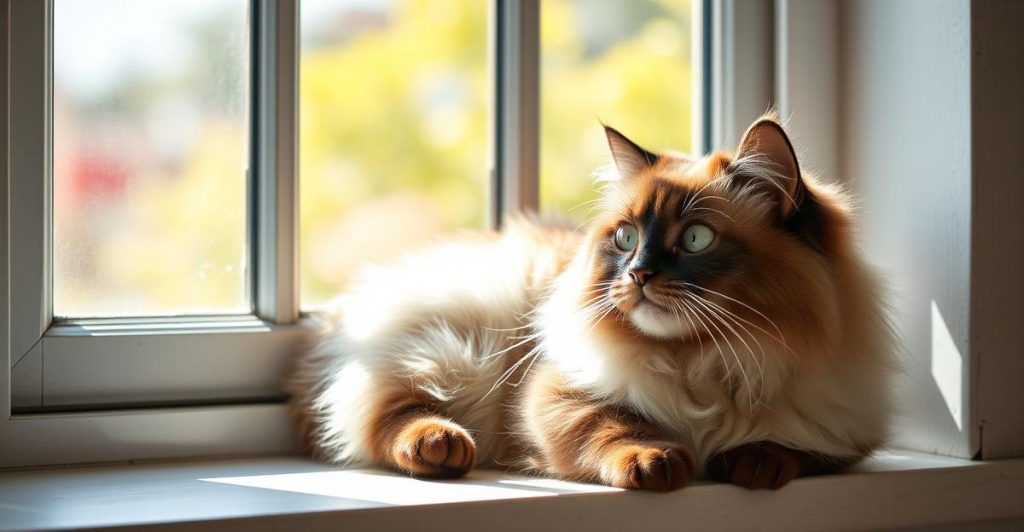

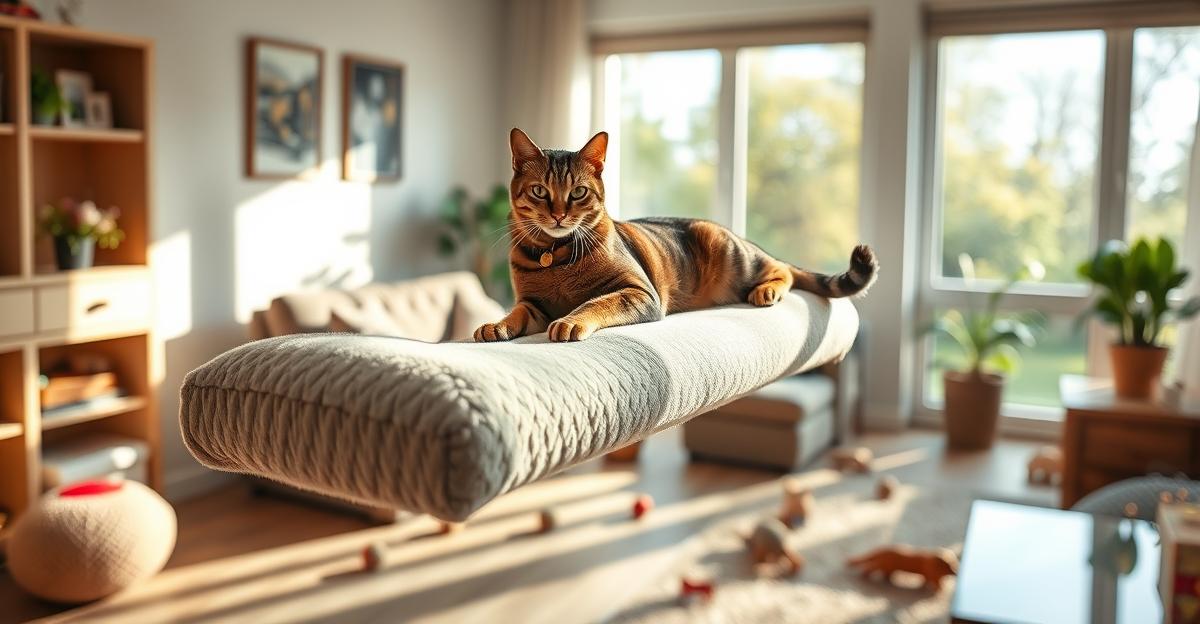
There’s something magical about watching a cat glide from a sun‑drenched windowsill to a plush hideaway, tail flicking in pure contentment. As indoor cat lovers, we know that a well‑designed home can turn everyday moments into a feline adventure. By weaving a few thoughtful indoor cat tips into your living space, you’ll create cozy corners for snoozes and playful paths that spark curiosity—all while keeping your whiskered companion safe, happy, and thriving.
1. Crafting the Perfect Cozy Corner
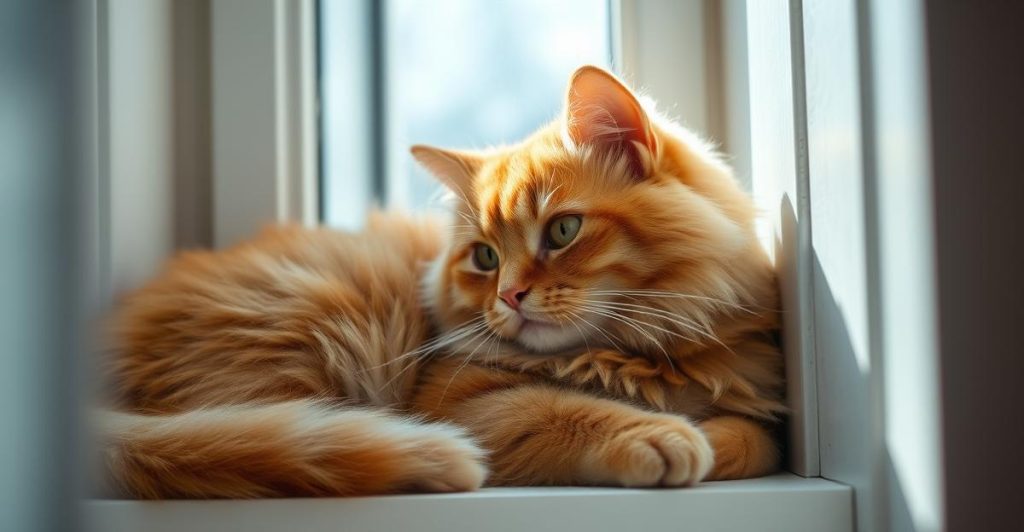
Every cat craves a personal sanctuary where they can observe, relax, and feel secure. A well‑placed cozy corner does more than just provide a soft spot; it becomes a hub of confidence and comfort.
- Choose a quiet nook: Look for low‑traffic areas like the space beneath a bookshelf or a corner of the bedroom. Cats love spots where they can hear the household buzz without being the center of it.
- Layer textures: Combine a plush blanket, a soft pillow, and a padded cat bed. The variety of fabrics mimics the natural textures they’d find outdoors, encouraging longer lounging sessions.
- Elevate the view: If possible, place the cozy corner on a low shelf or a cat tree platform. A slightly higher perch lets your cat watch the world below, satisfying their natural sentinel instinct.
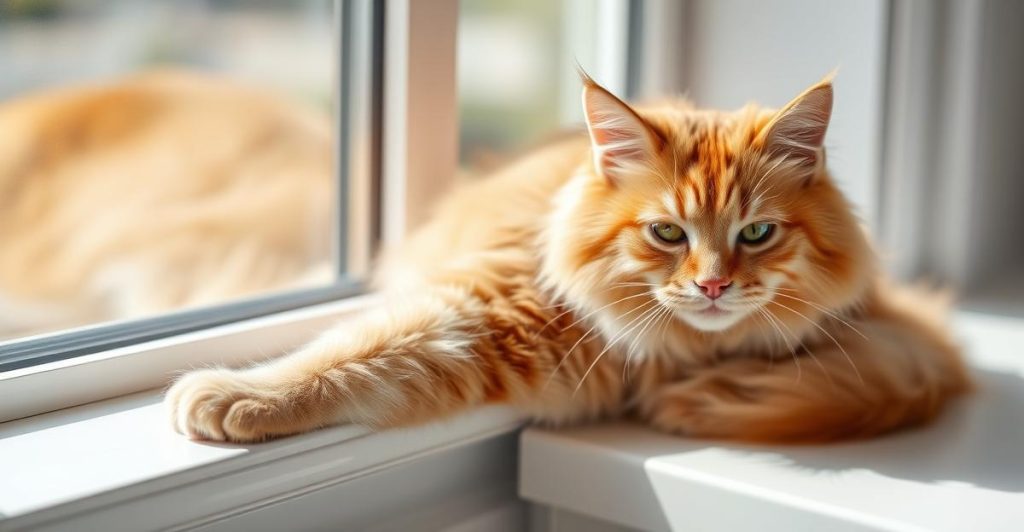
- Sunlight is golden: Position the corner near a sunny window. Sun‑baked fur feels amazing, and the warmth helps regulate a cat’s body temperature.
- Personal touches: Add a favorite toy or a piece of your clothing that carries your scent. It reinforces the bond and makes the space feel truly theirs.
2. Designing Playful Pathways
Indoor cats thrive on mental stimulation and gentle exercise. By turning hallways, staircases, and open rooms into playful pathways, you invite curiosity and activity without overwhelming them.
- Use vertical space: Install wall‑mounted shelves or a series of cat steps. Cats love climbing, and vertical pathways give them a sense of exploration.
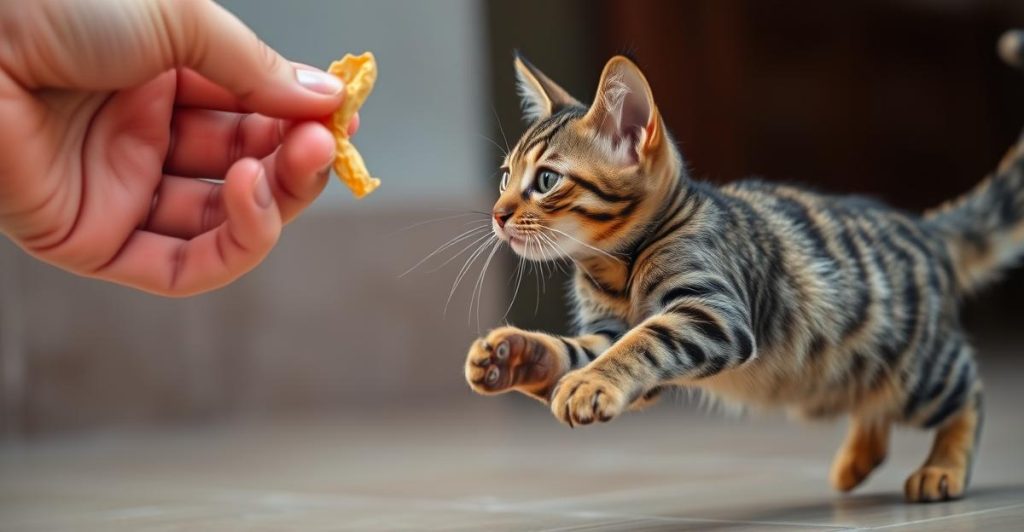
- Strategic toy placement: Scatter feather wands, crinkle balls, or interactive puzzle toys along the pathway. This encourages short bursts of play as they move from one spot to another.
- Rotate the route: Change the arrangement of toys and shelves every few weeks. A fresh layout keeps the environment novel and prevents boredom.
- Safety first: Ensure all shelves are securely anchored and that any cords or small objects are out of reach to avoid accidental entanglement.
- Incorporate natural elements: A small indoor plant (non‑toxic) or a decorative stone can add sensory interest. Just be sure it’s safe if your cat decides to nibble.
3. Enriching Sensory Experiences
While indoor cats may not chase butterflies, they can still enjoy a rich tapestry of smells, sounds, and textures that mimic the outdoors.
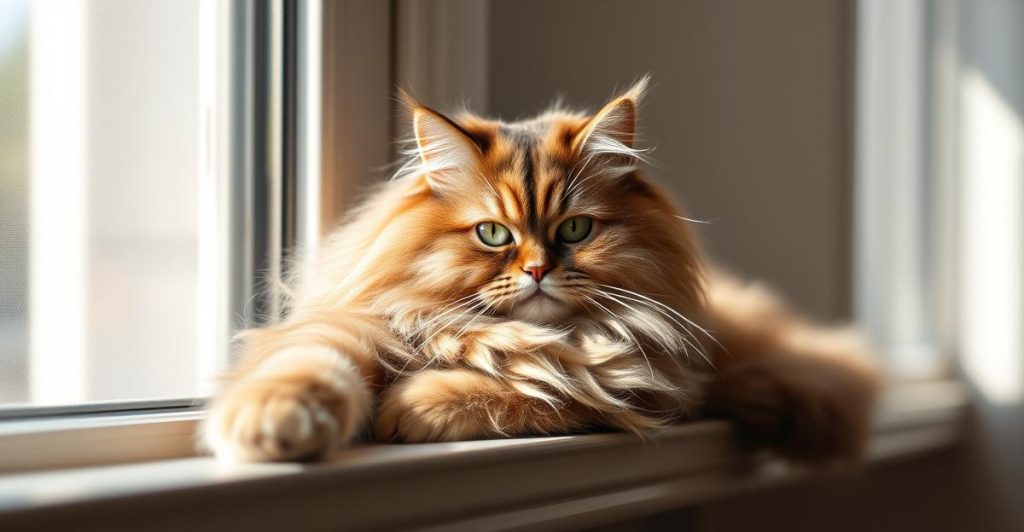
- Window perches: Install a sturdy perch by a window that faces a bird feeder or a garden. Watching wildlife provides endless entertainment.
- Cat‑safe scents: Sprinkle a few drops of cat‑friendly catnip or silvervine on a toy or a scratching post. These natural aromas can stimulate play without any health risks.
- Background sounds: Soft nature recordings—like gentle rain or distant birdsong—can create a calming atmosphere, especially during loud household events.
- Varied textures: Lay out a mix of sisal rope, carpet runners, and soft fleece mats. Different footings keep paws engaged and can help maintain healthy claws.
- Interactive feeding: Use a puzzle feeder during meal times. It turns a routine into a stimulating challenge, encouraging slow eating and mental engagement.
4. Building a Routine for General Wellness
Consistency is key to a cat’s sense of security. Establishing a predictable routine supports overall happiness and promotes a calm demeanor.
- Scheduled play sessions: Dedicate 10‑15 minutes twice a day for interactive play. Cats love short, focused bursts of activity that mirror hunting behavior.
- Regular grooming: Even short‑haired cats benefit from weekly brushing. It reduces shedding, prevents matting, and offers a bonding moment.
- Hydration stations: Place multiple water bowls or a cat‑friendly fountain around the home. Fresh, moving water encourages regular drinking.
- Quiet wind‑down time: Dim the lights an hour before bedtime and offer a gentle petting session. This signals to your cat that it’s time to settle down.
- Observation and adaptation: Pay attention to your cat’s preferences—whether they favor a certain spot or toy—and adjust the environment accordingly.
5. Selecting Toys and Accessories That Last
Investing in high‑quality toys and accessories not only saves money in the long run but also ensures safety and sustained interest.
- Durable interactive toys: Look for toys with reinforced seams and non‑toxic materials. Feather wands with sturdy handles and rubber balls are great choices.
- Scratching solutions: Offer a mix of vertical scratching posts and horizontal pads. Materials like sisal and corrugated cardboard satisfy different scratching styles.
- Modular cat trees: Choose trees that can be expanded or reconfigured. This adaptability lets you grow the play area as your cat’s preferences evolve.
- Easy‑clean litter boxes: Opt for boxes with high sides and a smooth interior surface. A covered box can provide privacy, while an open one offers easy access.
- Travel-friendly carriers: Even indoor cats may need a carrier for vet visits or trips. A carrier with mesh windows and a soft interior keeps them comfortable.
Indoor vs. Outdoor Play Activities: A Quick Comparison
| Aspect | Indoor Play | Outdoor Play (Supervised) |
|---|---|---|
| Safety | Controlled environment; no traffic or predators. | Potential exposure to cars, other animals, and parasites. |
| Stimuli Variety | Can be customized with toys, puzzles, and window views. | Natural sounds, scents, and unpredictable movements. |
| Physical Exercise | Depends on interactive toys and climbing structures. | More space for running, jumping, and climbing. |
| Weather Dependence | Year‑round play regardless of weather. | Limited by rain, heat, cold, or seasonal changes. |
| Bonding Opportunities | Owner‑directed games strengthen the human‑cat bond. | Shared exploration can also deepen connection, but less control. |
6. Personalizing the Space for Your Cat’s Personality
No two cats are alike. Some adore high perches, while others prefer low‑lying hideaways. Tailor the indoor environment to reflect your cat’s unique quirks.
- Adventure seekers: Add a multi‑level cat tree with tunnels and hanging toys. Include a few “challenge zones” where they can practice balancing.
- Shy or senior cats: Provide low‑profile beds close to the floor and quiet corners away from household traffic.
- Food‑motivated explorers: Use treat‑dispensing toys hidden in various rooms to turn snack time into a treasure hunt.
- Social butterflies: Set up multiple lounging spots in communal areas so they can mingle with family members.
- Curiosity lovers: Rotate a “mystery box” filled with safe objects (like a crinkly paper tube) to spark investigative play.
Frequently Asked Questions
What are the best materials for a cat’s scratching post?
Sisal rope, natural wood, and corrugated cardboard are all excellent choices. They provide a satisfying texture that encourages healthy claw maintenance while protecting your furniture.
How often should I rotate toys and play areas?
Changing the placement of toys or introducing a new accessory every 2‑3 weeks keeps the environment fresh and prevents your cat from becoming bored.
Can indoor cats get enough exercise without outdoor access?
Absolutely. Regular interactive play sessions, climbing structures, and puzzle feeders can provide ample physical activity and mental stimulation to keep an indoor cat fit and happy.
Is it okay to let my indoor cat watch birds through the window?
Yes, as long as the window is securely screened. Watching birds can be a wonderful form of visual enrichment that satisfies a cat’s natural hunting instincts.
Disclaimer: This article is intended for informational and entertainment purposes only. It does not replace professional veterinary advice. Always consult a qualified vet for your cat's health and dietary needs.