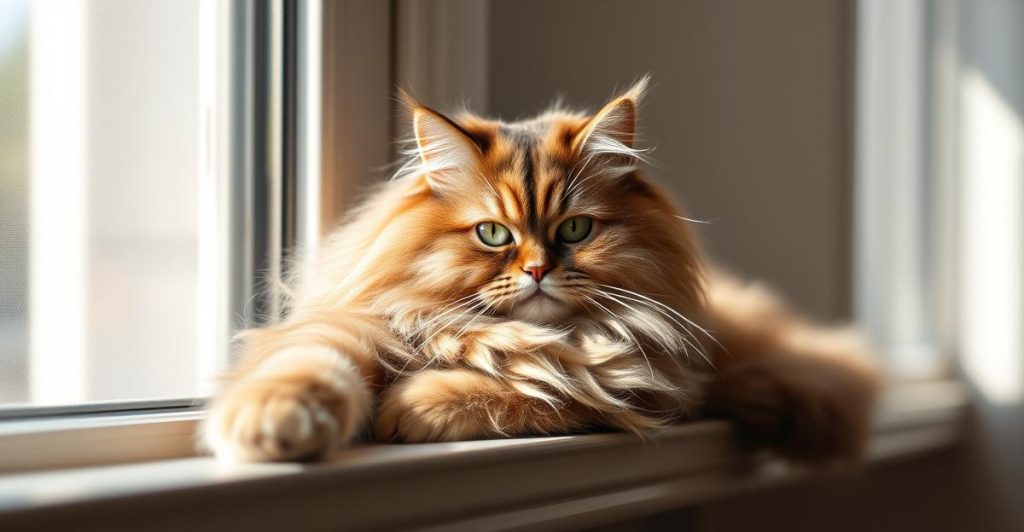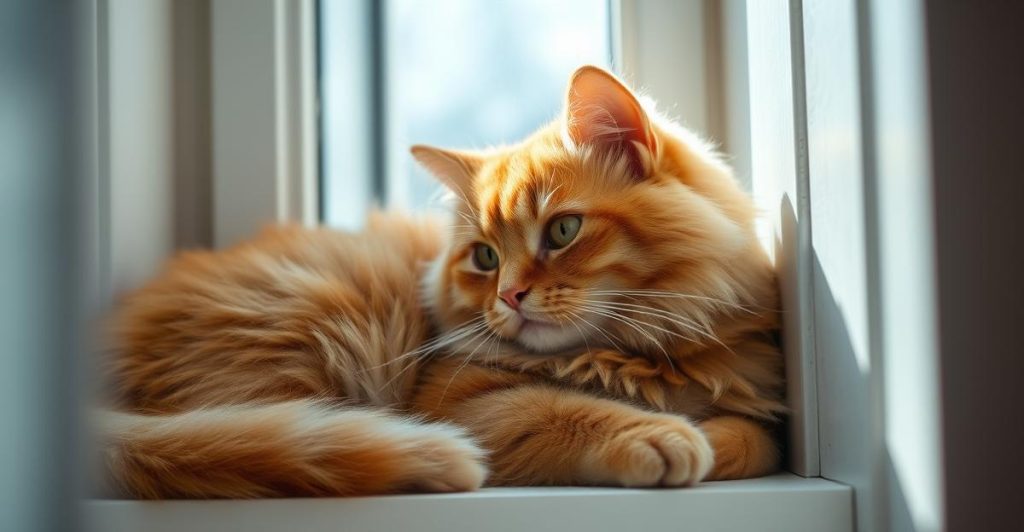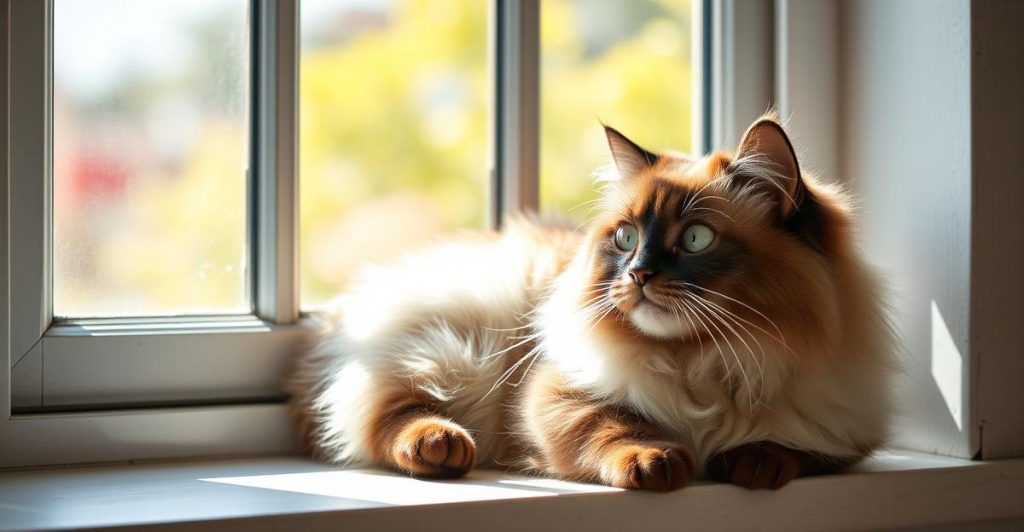

Imagine stepping into a room where soft sunlight filters through a sheer curtain, a gentle purr greets you from the corner, and a plush, warm nook beckons your feline friend to curl up and dream. Creating a cat sanctuary at home isn’t just about adding a few toys; it’s about designing a haven that nurtures your cat’s curiosity, comfort, and confidence. Whether you live in a bustling apartment or a spacious house, a thoughtfully crafted cat sanctuary can transform everyday life into a series of delightful, stress‑free moments for both you and your whiskered companion. Let’s explore how to turn ordinary spaces into a personalized cat sanctuary that celebrates play, rest, and the simple joy of being a cat.
Understanding Your Cat’s Natural Instincts
Before you start arranging furniture or picking out décor, it helps to step into your cat’s paws and see the world through their eyes. Cats are instinctual hunters, solitary explorers, and meticulous groomers. They love high perches for surveying their territory, cozy hideaways for privacy, and varied textures to scratch and knead. By honoring these innate preferences, you’ll lay the foundation for a sanctuary that feels instinctively right.
- Vertical Space: Cats love to climb. A tall cat tree or wall‑mounted shelves give them a sense of safety and control.
- Safe Hideaways: Small boxes, woven baskets, or covered beds provide a retreat when they need a quiet moment.
- Interactive Play Areas: Feather wands, laser pointers, and puzzle toys keep their hunting instincts sharp.
- Soft Textures: Plush blankets, faux‑furs, and sisal scratching posts satisfy their need to knead and stretch.
Choosing the Perfect Location
The location of your cat sanctuary can make or break its success. Look for spots that naturally attract your cat’s attention and fit the lifestyle of your household.
- Sunlit Windowsills: A sunny spot near a window offers endless entertainment—birds, squirrels, and the ever‑changing sky.
- Quiet Corners: A low‑traffic area away from the main flow of foot traffic reduces stress and encourages relaxation.
- Multi‑Room Access: If possible, create a “cat corridor” using cat‑friendly doors or arches so your cat can move freely between rooms.
- Safety First: Ensure any high shelves or cat trees are securely anchored to prevent tipping.
Design Elements That Spark Joy
Now that you know where to place your sanctuary, let’s talk about the design elements that will turn a simple corner into a cat‑centric paradise.
Furniture and Fixtures
- Cat Trees & Condos: Opt for modular designs that can grow with your cat’s preferences. Look for platforms at varying heights, enclosed cubbies, and sturdy scratching surfaces.
- Wall‑Mounted Shelves: These save floor space and create a “cat highway” that encourages climbing and perching.
- Window Perches: Attach a suction‑cup perch or a custom‑built shelf to give your cat a front‑row seat to the outside world.
Soft Furnishings
- Plush Beds: Choose a bed with removable, washable covers. A low‑profile option works well for older cats who prefer easy entry.
- Blankets & Throws: Layer different textures—soft fleece, knitted yarn, and faux fur—to invite kneading and curling.
- Cat Tents & Caves: These mimic natural dens and can be placed inside larger furniture pieces for added coziness.
Play and Enrichment
- Interactive Toys: Rotate toys weekly to keep novelty high. Puzzle feeders can double as mental stimulation and a feeding routine.
- Scratchers: Offer a mix of vertical (post) and horizontal (pad) scratchers made from sisal, cardboard, or carpet.
- Cat‑Friendly Plants: Catnip, cat grass, or spider plants add a touch of green while satisfying a cat’s natural desire to chew safe foliage.
Creating a Seamless Flow: The Layout Blueprint
A cat sanctuary should feel like a natural extension of your home’s flow, not a separate “cat zone.” Below is a step‑by‑step guide to arranging the elements for maximum appeal.
- Start with the Anchor Point: Choose a tall cat tree or wall‑mounted shelf as the central feature. This becomes the visual and functional hub.
- Add Perches Around It: Place window perches and lower shelves within easy reach, forming a “cat trail” that encourages movement.
- Layer Hideaways: Position a covered bed or tent near the base of the cat tree for a quick retreat after a climb.
- Scatter Soft Textiles: Lay blankets on the floor and drape them over low platforms to create inviting lounging spots.
- Distribute Play Items: Place interactive toys and scratchers at varying heights to keep your cat engaged throughout the day.
Maintaining the Sanctuary: Routine Care and Upkeep
A cat sanctuary shines brightest when it’s clean, safe, and regularly refreshed. Here are simple habits that keep the space inviting without turning it into a chore.
- Weekly Vacuuming: Remove fur and dust from shelves, blankets, and carpeted areas to maintain a fresh scent.
- Rotate Toys: Switch out toys every 7‑10 days to keep curiosity alive.
- Inspect Scratching Posts: Check for worn fibers and replace as needed to protect furniture.
- Refresh Bedding: Wash blankets and bed covers weekly; add a new throw or pillow each month for a fresh look.
- Safety Checks: Ensure all wall mounts are still secure and that no cords or small objects pose a choking hazard.
Indoor vs. Outdoor Play: Finding the Balance
While a cat sanctuary primarily serves indoor comfort, many cats also benefit from safe outdoor experiences. Below is a quick comparison to help you decide what mix works best for your household.
Indoor vs. Outdoor Play Activities
| Aspect | Indoor Play | Outdoor Play (Secure Environments) |
|---|---|---|
| Safety | Controlled environment; no traffic or predators. | Requires fenced yard, catio, or harness; exposure to weather. |
| Stimulation | Can use toys, puzzles, and interactive play. | Natural stimuli: birds, insects, varied terrain. |
| Exercise | Depends on owner engagement; may need more playtime. | Higher opportunity for spontaneous running and climbing. |
| Maintenance | Easy to clean; fur stays inside. | Potential for dirt, mud, and outdoor parasites. |
| Social Interaction | Can involve family members and other indoor pets. | Limited to human supervision; may meet other outdoor cats. |
For many cat owners, a hybrid approach works best: a secure catio or supervised harness walks complement a well‑designed indoor sanctuary, offering the best of both worlds.
Personalizing the Sanctuary for Different Life Stages
Just as humans evolve, so do cats. A kitten’s needs differ from those of a senior cat, and your sanctuary should adapt accordingly.
Kittens (0‑12 months)
- Low, sturdy platforms for easy climbing.
- Soft, washable bedding that can withstand playful chewing.
- Plenty of interactive toys to channel high energy.
Adult Cats (1‑10 years)
- Multiple vertical levels for exploration.
- Quiet hideaways for occasional solitude.
- Scratching posts with varied textures to keep claws healthy.
Senior Cats (10+ years)
- Easy‑access beds with low sides to reduce jumping strain.
- Soft, orthopedic cushions for joint comfort.
- Strategically placed litter boxes and water stations to minimize walking distance.
Eco‑Friendly Touches: Sustainable Sanctuary Ideas
Creating a cat sanctuary can also be a chance to embrace sustainable living. Here are green‑friendly options that don’t compromise comfort.
- Reclaimed Wood Shelves: Use salvaged planks for wall mounts, adding rustic charm while reducing waste.
- Organic Cotton Blankets: Choose blankets made from certified organic fibers for a soft, hypoallergenic surface.
- Natural Fiber Scratching Posts: Sisal rope or cork are biodegradable alternatives to synthetic materials.
- DIY Toys: Repurpose cardboard tubes, feather scraps, or yarn (supervised) for low‑cost, eco‑friendly play.
Final Thoughts: Turning a Sanctuary Into a Lifestyle
A cat sanctuary is more than a decorative corner; it’s a daily invitation for your cat to explore, relax, and thrive. By paying attention to natural instincts, choosing the right location, and layering thoughtful design elements, you’ll create a space that feels as essential to your cat as a sunny spot on the windowsill. Remember, the most successful sanctuaries evolve with your cat’s changing needs, so stay attuned, keep the environment fresh, and enjoy the purrs of contentment that follow.
Frequently Asked Questions
What size should a cat tree be for a small apartment?
A compact cat tree with a footprint of about 2 × 2 feet and three to four levels works well in limited spaces. Look for models that fold or can be disassembled for easy storage.
How often should I replace my cat’s bedding?
Wash removable covers weekly and replace the entire bedding set every 2‑3 months, or sooner if it becomes worn or loses its loft.
Can I use a regular houseplant as a cat-friendly addition?
Yes, plants like catnip, cat grass, and spider plant are safe and often enjoyed by cats. Avoid toxic varieties such as lilies, poinsettias, or philodendrons.
Is a catio necessary for indoor cats?
A catio isn’t required, but it offers a secure outdoor experience that can enrich a cat’s life. If space or budget is limited, supervised harness walks are a great alternative.
Disclaimer: This article is intended for informational and entertainment purposes only. It does not replace professional veterinary advice. Always consult a qualified vet for your cat's health and dietary needs.