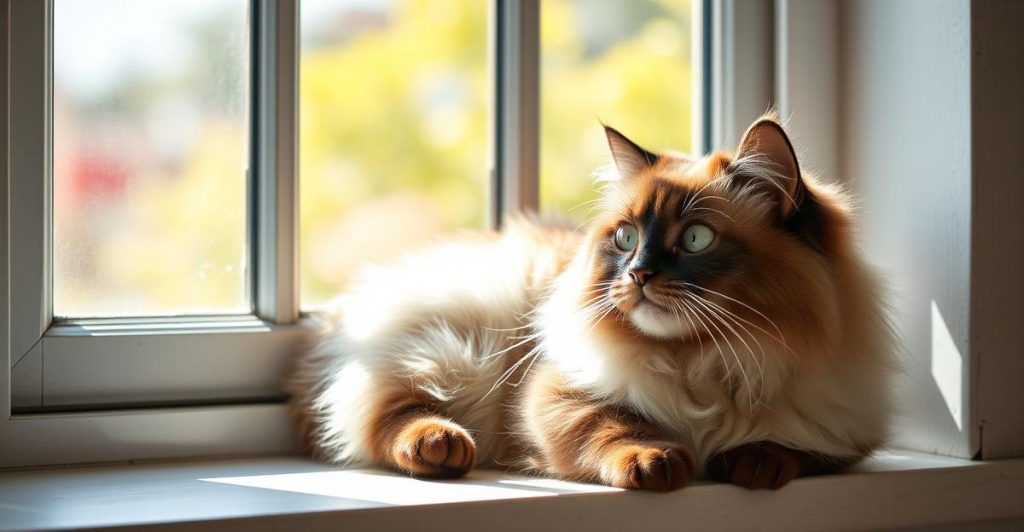

Turn Every Room into a Cozy Cat Haven
Imagine walking from the kitchen to the bedroom and finding your feline friend basking in a sun‑drenched nook, a plush pillow tucked beside a window, or a snug tunnel winding around the baseboard. Creating a cozy cat haven in every room isn’t just about aesthetics—it’s about honoring your cat’s natural instincts for comfort, security, and curiosity. When each space feels like a mini‑retreat, your cat will glide from room to room with confidence, displaying the relaxed, happy demeanor every cat owner cherishes. Let’s explore how to transform ordinary corners into inviting sanctuaries that cater to your cat’s love of warmth, texture, and safe exploration.
1. Scout the Perfect Spots: Where Cats Naturally Seek Comfort
Before you start placing cat trees or buying new blankets, take a quick “cat‑walk” tour of your home. Notice the areas that already attract your cat—sun‑lit windowsills, the top of a bookshelf, or the cool tile floor near a vent. These natural preferences give you clues about where a cozy cat haven will thrive.
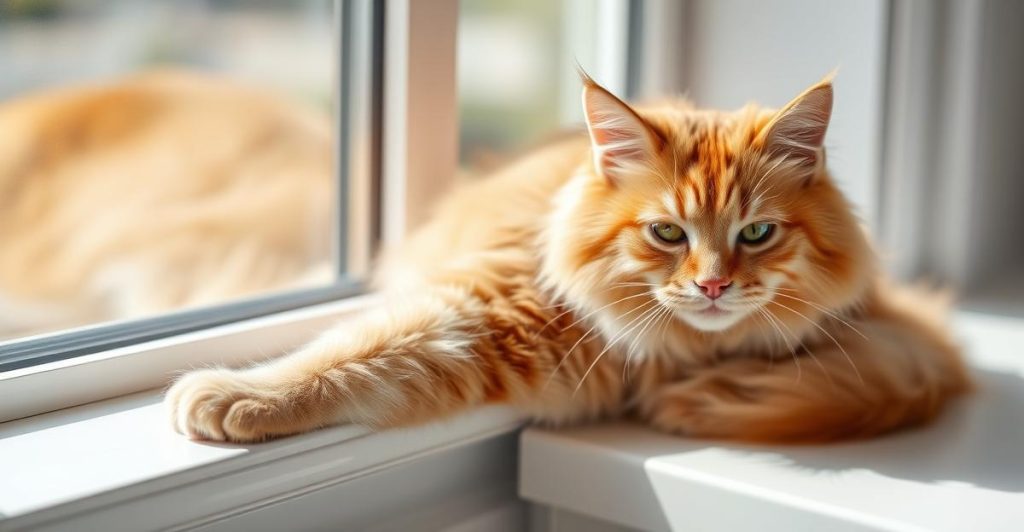
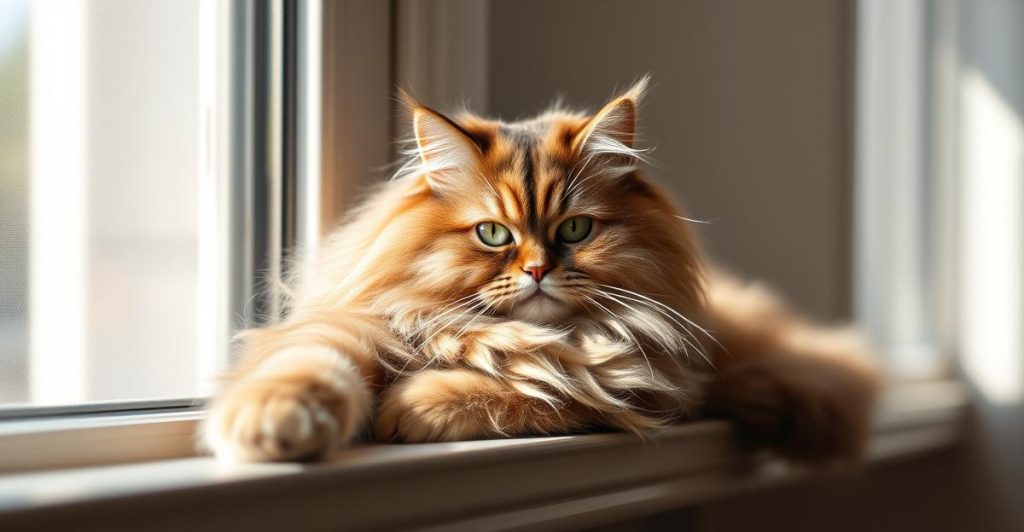
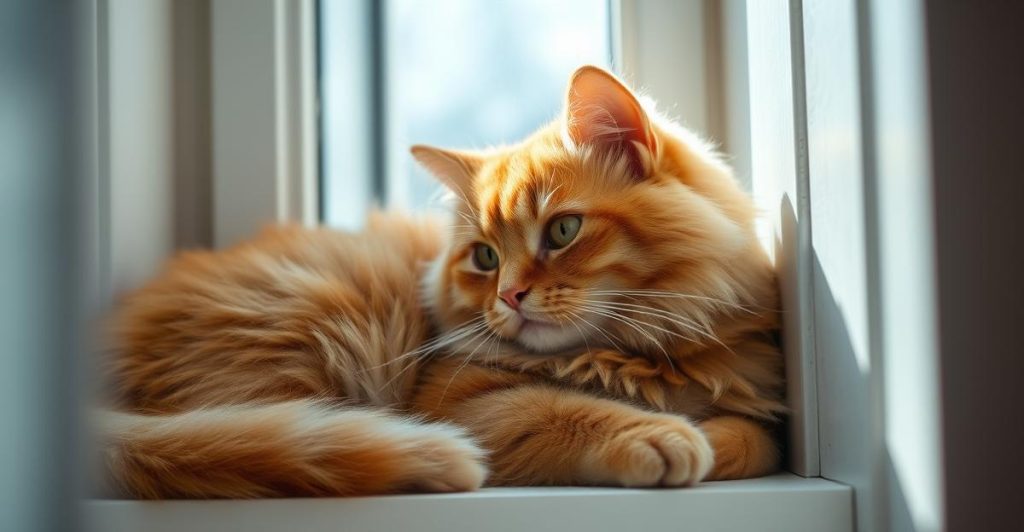
- Sunbeams and windows: Cats adore basking in gentle sunlight. A sunny sill or a window perch provides both warmth and a view of the outside world.
- High perches: Elevated spots give a sense of safety and allow your cat to observe the room without being disturbed.
- Quiet corners: Low‑traffic areas near a piece of furniture often become favorite hideaways for a quick nap.
- Warm appliances: The back of a running dryer or a warm laptop can be irresistible, especially in cooler months.
Mark these locations on a simple floor plan, then think about how each can be enhanced with soft bedding, gentle lighting, or a hint of scent (like a dab of cat‑mint). By building on your cat’s existing preferences, you’ll create a seamless, stress‑free transition to a fully realized cozy cat haven throughout your home.
2. Choose Textures That Invite Snuggling
Texture is a silent language in the feline world. The right fabrics can make a space feel like a luxurious spa, while the wrong ones may repel even the most adventurous cat.
- Plush blankets and faux‑furs: Soft, fluffy materials mimic the feeling of a mother’s fur, encouraging longer naps.
- Memory‑foam pads: These conform to your cat’s body, providing gentle support for joints and muscles.
- Corrugated cardboard: Simple, inexpensive, and surprisingly appealing for scratching and curling up.
- Natural fibers (cotton, linen): Breathable options that keep cats cool in summer while still feeling gentle on the skin.
Mix and match textures in each room to keep your cat’s environment stimulating. A plush pillow on a high shelf paired with a cardboard tunnel near the floor offers both luxury and play, satisfying the cat’s need for variety.
3. Light Up the Space: Balancing Warmth and Ambiance
Lighting does more than illuminate a room; it sets the mood for relaxation or activity. Cats are particularly sensitive to light because their eyes contain a high number of rod cells, making them excellent low‑light hunters.
- Natural light: Keep curtains open during the day to let sunlight flood favorite perches.
- Warm LED lamps: Soft, amber‑tinted bulbs mimic the glow of sunrise, creating a calming atmosphere for evening naps.
- Night‑time nightlights: Low‑level blue‑free lights help cats navigate without startling them.
- Strategic shadows: A few well‑placed plants or decorative screens can create gentle shadows that intrigue a cat’s curiosity.
When arranging lighting, think about the time of day each room is used. A bedroom might benefit from a dimmable bedside lamp, while a living room could have a sunny window seat for midday lounging.
4. Enrich the Haven with Play, Scratch, and Exploration
A truly cozy cat haven isn’t just a place to sleep—it’s a multi‑sensory zone that encourages natural behaviors like scratching, pouncing, and climbing. Adding a few carefully chosen accessories can transform a simple corner into a dynamic retreat.
- Scratching posts: Choose a mix of vertical and horizontal surfaces; sisal rope, carpet, and natural wood each offer a different feel.
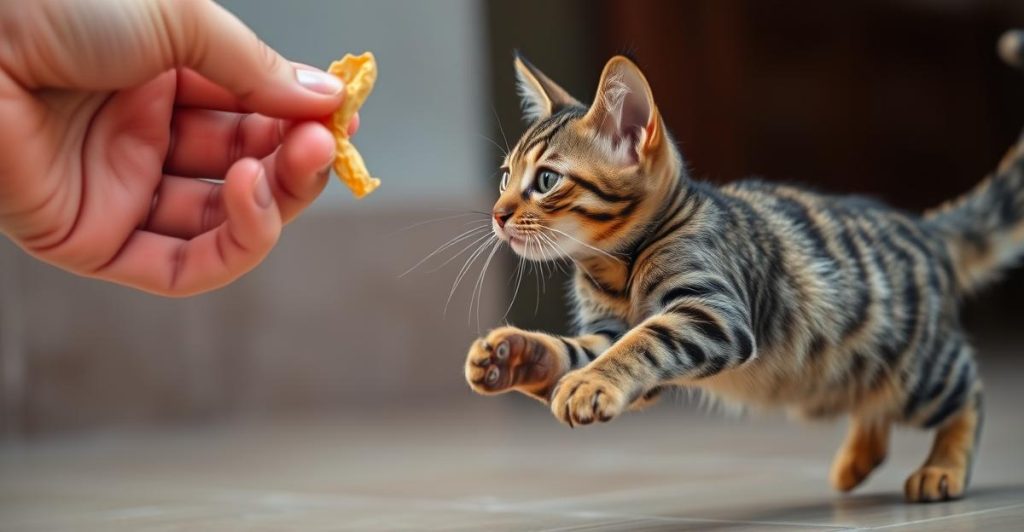
- Interactive toys: Feather wands, laser pointers, and puzzle feeders keep your cat mentally stimulated while they rest nearby.
- Climbing shelves: Wall‑mounted shelves create vertical pathways, allowing cats to move between rooms without touching the floor.
- Hidden tunnels: Soft fabric tunnels provide a secretive hideout that satisfies a cat’s love for enclosed spaces.
Rotate toys and accessories every few weeks to keep the environment fresh. This simple practice prevents boredom and encourages your cat to explore each newly arranged haven.
5. Seasonal Adjustments: Keeping Comfort Year‑Round
Weather changes can affect how your cat perceives comfort. A space that feels perfect in summer may become too chilly in winter, and vice versa. Adjusting your havens seasonally ensures your cat stays cozy no matter the temperature.
- Winter warmth: Add a heated pet mat (with a low‑watt setting) under a blanket, or place a fleece throw on a window perch.
- Summer coolness: Use a cooling gel pad or a shallow dish of fresh water near a favorite spot to encourage gentle paw dipping.
- Humidity control: In dry climates, a small humidifier near a sleeping area can help keep your cat’s skin and whiskers comfortable.
- Seasonal scents: Light a cat‑safe essential oil diffuser with a few drops of lavender (ensure it’s safe for pets) to create a soothing environment during colder months.
These adjustments are simple, low‑maintenance, and can be swapped out as the seasons shift, ensuring each room remains a welcoming sanctuary throughout the year.
6. Maintenance Made Easy: Keeping Havens Fresh and Inviting
Even the most beautifully arranged spaces need regular upkeep. A clean, well‑maintained haven encourages your cat to use it repeatedly, rather than seeking out alternative, less tidy spots.
- Weekly vacuuming: Remove hair, dust, and loose fibers from blankets and carpeted areas.
- Spot cleaning: Use a pet‑safe enzyme cleaner on any accidents to prevent lingering odors.
- Rotate bedding: Flip or replace pillows every two weeks to maintain fluffiness and prevent flattening.
- Inspect accessories: Check scratching posts for fraying and replace as needed to keep them safe and effective.
By incorporating a quick cleaning routine into your weekly chores, each cozy cat haven stays fresh, inviting, and ready for your cat’s next nap or play session.
Comparison Table: Cozy Corner vs. Activity Station
| Feature | Cozy Corner | Activity Station |
|---|---|---|
| Primary Purpose | Rest & relaxation | Play & mental stimulation |
| Typical Materials | Soft blankets, plush pillows, heated mats | Scratching posts, interactive toys, climbing shelves |
| Ideal Placement | Quiet corner, sunny window, low‑traffic area | Open space, near a doorway, or central room hub |
| Maintenance Frequency | Weekly vacuum & bedding rotation | Bi‑weekly toy rotation & post inspection |
| Seasonal Tweaks | Heated pads (winter), cooling pads (summer) | Adjust height of shelves, swap toys for seasonal themes |
Frequently Asked Questions
What size bedding works best for a small apartment cat?
For a cat that prefers tight spaces, a 12‑inch square plush mat or a small round pillow works well. It fits easily on window sills, bookshelf tops, or under a coffee table without taking up much floor space.
Can I use my cat’s favorite blanket in every room?
Absolutely! Rotating a beloved blanket from room to room keeps the scent familiar while giving each space a touch of comfort. Just be sure to wash it regularly to maintain freshness.
How often should I change the toys in a cat’s play area?
Switching toys every 2‑3 weeks helps prevent boredom. Rotate a mix of interactive, chewable, and puzzle toys to keep your cat engaged and encourage regular use of the activity station.
Is it okay to place a cat tree near a window?
Yes, as long as the window is securely closed or has a sturdy screen. A cat tree near a window offers both a high perch and a view, creating an ideal spot for sun‑bathing and bird‑watching.
Disclaimer: This article is intended for informational and entertainment purposes only. It does not replace professional veterinary advice. Always consult a qualified vet for your cat's health and dietary needs.