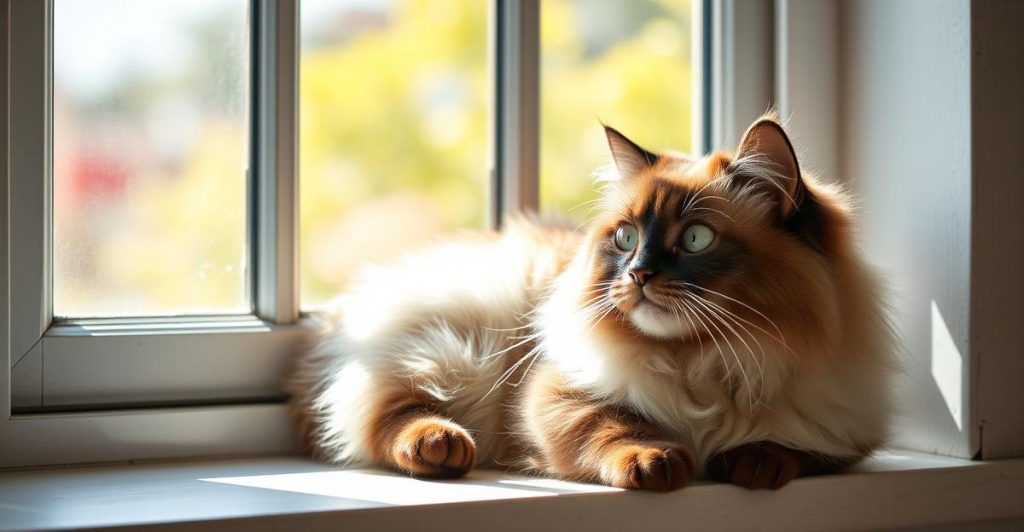

Welcome to a World Where Your Cat Thrives
Imagine coming home after a long day and being greeted by a purring, contented feline who seems to radiate pure joy. That’s the magic of a happy cat—a companion who feels safe, stimulated, and loved in every moment. While cats are famously independent, they still rely on us to create an environment that nurtures their well‑being. In this guide, we’ll explore ten simple, everyday practices that transform ordinary cat care into a celebration of health, happiness, and playful curiosity. Let’s dive into the small changes that make a big difference for your whiskered friend.
1. Create a Predictable Routine for a Calm, Confident Cat
Cats are creatures of habit. A consistent daily rhythm helps them feel secure, reducing stress and encouraging a relaxed demeanor. When they know when meals, playtime, and quiet moments occur, they can focus on being their best selves.
- Meal schedule: Offer fresh water and food at the same times each day. Even a slight variation can cause unnecessary anxiety.
- Play sessions: Set aside 10–15 minutes in the morning and evening for interactive toys. This mirrors their natural hunting bursts.
- Quiet time: Provide a calm corner where your cat can retreat after activity. A soft blanket or a cat tree with a hidden nook works wonders.
By keeping these routines steady, you’ll notice your feline friend becoming more relaxed, curious, and, of course, happier.
2. Enrich Their Environment with Sensory Stimulation
Even indoor cats crave variety. A stimulating environment satisfies their instinctual need to explore, hunt, and observe. Simple additions can turn a plain living room into a feline adventure park.
- Vertical spaces: Install shelves or a cat tree. Cats love to perch high, where they can watch the world below.
- Interactive toys: Feather wands, laser pointers, and puzzle feeders keep their minds sharp.
- Window views: A bird feeder outside a favorite window offers endless entertainment.
- Textures: Scatter crinkly paper, sisal rope, or soft fabric mats to engage their paws.
When cats have diverse sensory options, they’re less likely to become bored or develop undesirable habits.
3. Prioritize Gentle Grooming for Bonding and Well‑Being
Regular grooming does more than keep coats shiny; it’s a soothing ritual that deepens the human‑cat bond. Most cats enjoy a gentle brush, especially breeds with longer fur.
- Choose the right brush: A soft bristle brush works for short‑haired cats, while a slicker or metal comb suits longer coats.
- Make it a game: Offer treats and soft praise during grooming to associate the activity with positive feelings.
- Check for comfort: Stop if your cat shows signs of stress, such as flattened ears or a twitching tail.
Consistent, calm grooming sessions contribute to a sleek coat, reduced hairballs, and a contented heart.
4. Hydration Habits That Keep Your Cat Feeling Fresh
Fresh water is essential for a lively, energetic cat. Many felines prefer moving water, which mimics the natural streams they’d encounter in the wild.
- Water fountains: A circulating fountain encourages frequent sipping.
- Multiple stations: Place water bowls in different rooms to make drinking convenient.
- Clean regularly: Change the water daily and wash bowls with mild soap to avoid mineral buildup.
When hydration is easy and enjoyable, your cat stays active, playful, and ready for new adventures.
5. Playful Exercise Routines for a Spry, Joyful Cat
Exercise isn’t just about burning calories; it’s about satisfying a cat’s natural predatory instincts. Short, high‑energy bursts keep muscles toned and minds engaged.
- Chase the feather: Use a wand toy to mimic the flight of a bird, prompting pouncing and leaping.
- Hide and seek: Tuck treats in a cardboard box or paper bag and let your cat discover them.
- Rotate toys: Keep a stash of toys and swap them weekly to maintain novelty.
These playful moments not only boost physical health but also reinforce the bond between you and your feline companion.
6. Mental Enrichment Through Puzzle Feeding
Feeding time can double as a brain‑boosting session. Puzzle feeders turn ordinary meals into problem‑solving challenges, encouraging focus and curiosity.
- Simple puzzles: A treat‑dispensing ball that rolls slowly releases kibble as it moves.
- Advanced mazes: Interactive feeders with compartments that require paw manipulation.
- DIY options: Place kibble under a crumpled paper ball or inside a cardboard tube.
When your cat works for its food, it experiences a sense of accomplishment that contributes to overall happiness.
7. Safe Outdoor Exploration: The Best of Both Worlds
Many cats love the sights and scents of the outdoors, yet safety remains a top priority. Controlled outdoor experiences can satisfy curiosity while protecting your cat from hazards.
- Leash training: Introduce a lightweight harness and practice short walks in a quiet garden.
- Enclosed patio: A cat‑proofed “catio” offers fresh air without the risks of free roaming.
- Window perches: Provide a secure spot near a sunny window for safe bird‑watching.
These strategies let your cat enjoy the world beyond the four walls, enriching its daily life.
8. Social Interaction: Quality Time Over Quantity
Even the most independent cats cherish moments of genuine connection. Quality interactions build trust and reinforce a sense of belonging.
- Gentle petting: Many cats love slow, rhythmic strokes along the head and back.
- Talk softly: A calm voice can soothe a nervous cat and signal safety.
- Playful rituals: Consistent games, like “fetch” with a small ball, create shared excitement.
When you invest time in these simple gestures, your cat feels valued, secure, and ultimately more joyful.
9. Clean, Cozy Resting Spots for Dreamy Relaxation
A well‑rested cat is a happy cat. Providing a variety of comfortable sleeping areas encourages restful naps throughout the day.
- Soft bedding: Choose plush blankets or a heated pad for extra coziness.
- Quiet corners: A low‑traffic area with a closed door offers a sense of privacy.
- Elevated retreats: A cat tree with a hammock gives a lofty perch for dreaming.
When your feline friend can choose its ideal snooze spot, it recharges both body and spirit.
10. Celebrate Milestones with Positive Reinforcement
Every small achievement—mastering a new trick, using a new scratching post, or tolerating a grooming session—deserves celebration. Positive reinforcement strengthens confidence and encourages repeat behavior.
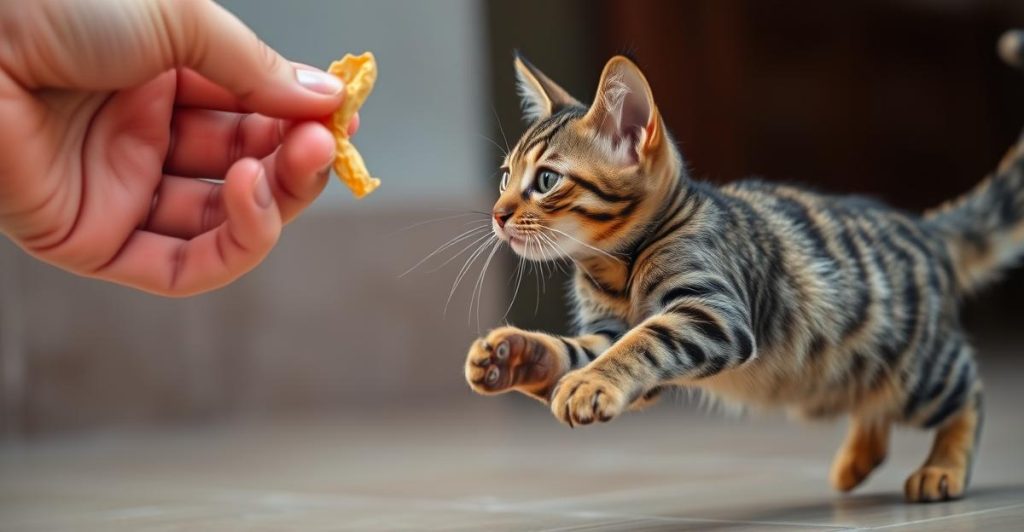
- Treats: Offer a small, healthy morsel immediately after a desired action.
- Praise: Use a gentle tone and a soft “good kitty” to reinforce success.
- Play rewards: Follow a training moment with a quick game of chase.
These affirmations turn everyday moments into joyful milestones, fostering a lifelong habit of curiosity and confidence.
Comparison Table: Indoor Play vs. Outdoor Play Benefits
| Aspect | Indoor Play | Outdoor Play (Controlled) |
|---|---|---|
| Safety | Fully protected from traffic, predators, and harsh weather. | Requires secure enclosure or supervised leash; still some risk. |
| Stimuli Variety | Limited to toys, windows, and indoor scents. | Natural sounds, scents, and moving shadows provide richer stimulation. |
| Exercise Intensity | Can be high with interactive toys and climbing structures. | Often more vigorous due to open space and unpredictable elements. |
| Convenience | Easy to set up anytime, regardless of weather. | Dependent on weather, time of day, and safe access. |
| Social Interaction | Limited to human‑cat play; may miss wildlife observation. | Opportunity to watch birds, insects, and experience fresh air. |
Frequently Asked Questions
How often should I groom my cat to keep it happy?
For short‑haired cats, a quick brush once or twice a week is enough to remove loose hair and distribute natural oils. Long‑haired breeds benefit from daily gentle brushing to prevent tangles and reduce hairball formation. Always adjust based on your cat’s comfort level and coat condition.
What are the best ways to keep my indoor cat mentally stimulated?
Rotate toys regularly, provide vertical climbing spaces, and introduce puzzle feeders that require problem‑solving for treats. Window perches with a bird feeder outside can also offer endless visual entertainment. Short, frequent play sessions mimic natural hunting bursts and keep the mind sharp.
Can a cat become stressed by a too‑predictable routine?
Predictability is comforting, but variety within that structure keeps life interesting. Introduce new toys, change the location of favorite resting spots, or vary the type of interactive play. Small, positive changes prevent boredom while maintaining the security of a routine.
Is a cat fountain really necessary for hydration?
Many cats are attracted to moving water, which can encourage more frequent drinking. While a fountain isn’t mandatory, it often helps cats who seem reluctant to drink from a still bowl. If you choose a fountain, clean it regularly to keep the water fresh and appealing.
Disclaimer: This article is intended for informational and entertainment purposes only. It does not replace professional veterinary advice. Always consult a qualified vet for your cat's health and dietary needs.