
Why Positive Reinforcement Matters in Cat Training
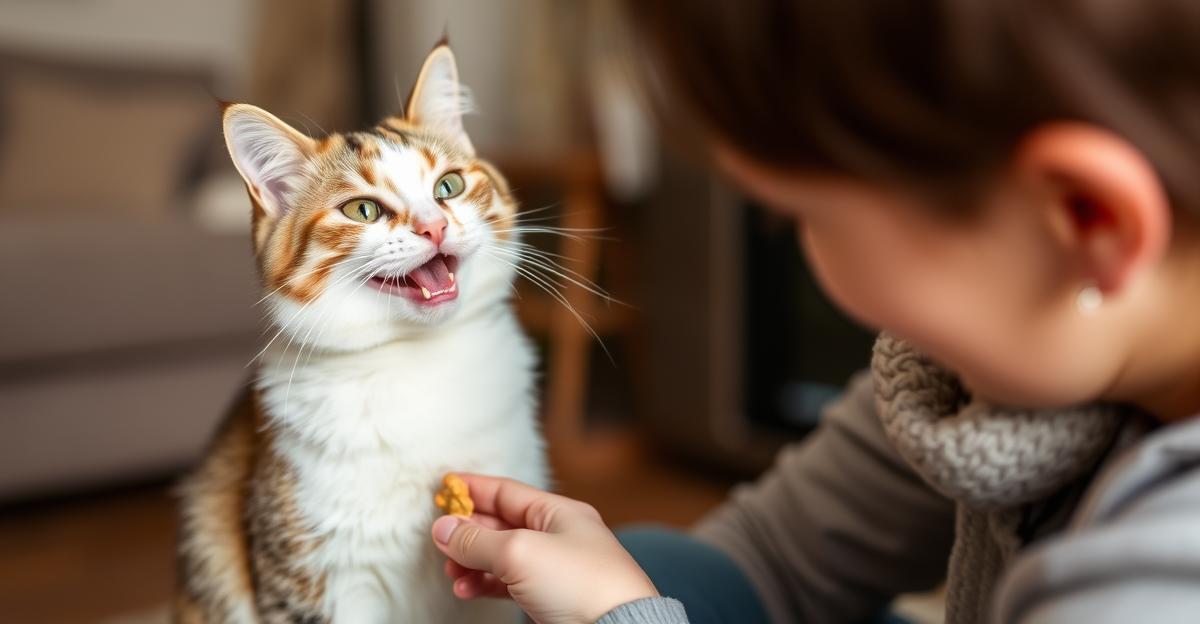
Every cat owner knows that cats are independent, curious, and sometimes stubborn. Harnessing that natural curiosity with cat training can turn everyday moments into opportunities for bonding and learning. Positive reinforcement is the cornerstone of effective cat training because it respects a cat’s instincts while rewarding desirable behavior. By using treats, praise, and play as incentives, you create a safe learning environment where your feline companion feels motivated rather than pressured. This approach not only teaches useful habits but also strengthens the trust between you and your cat, leading to a happier, healthier indoor lifestyle.
Understanding Cat Motivation and Learning Style
How Cats Learn
Cats are natural hunters who learn through trial and error. Their brains respond quickly to immediate rewards, which is why timing is crucial in cat training. Unlike dogs, cats don’t respond well to long, repetitive commands; they prefer short, clear cues followed by an instant payoff. Recognizing this learning style helps you design sessions that feel like a game rather than a chore.
Key Motivators for Successful cat training
- Food Rewards: High‑value treats such as freeze‑dried chicken or tuna work best.
- Play Sessions: A feather wand or laser pointer can be a powerful motivator for active cats.
- Physical Affection: Gentle petting or chin scratches reinforce calm behavior.
- Environmental Enrichment: Access to a favorite perch or a new scratching post can serve as a reward.
Setting Up a Reward-Based Training Environment
Choosing the Right Rewards
Not all cats are food‑motivated. Observe your cat’s preferences during playtime to decide whether treats, toys, or affection will be most effective. Keep a small stash of soft, aromatic treats within reach, and rotate toys to maintain novelty.
Timing and Consistency
The moment your cat performs the desired action, deliver the reward within one to two seconds. This tight timing helps the cat associate the behavior with the positive outcome. Consistency across family members is equally important; everyone should use the same cue words and reward system.
Step-by-Step Positive Reinforcement Techniques
Teaching a Simple “Sit” Command
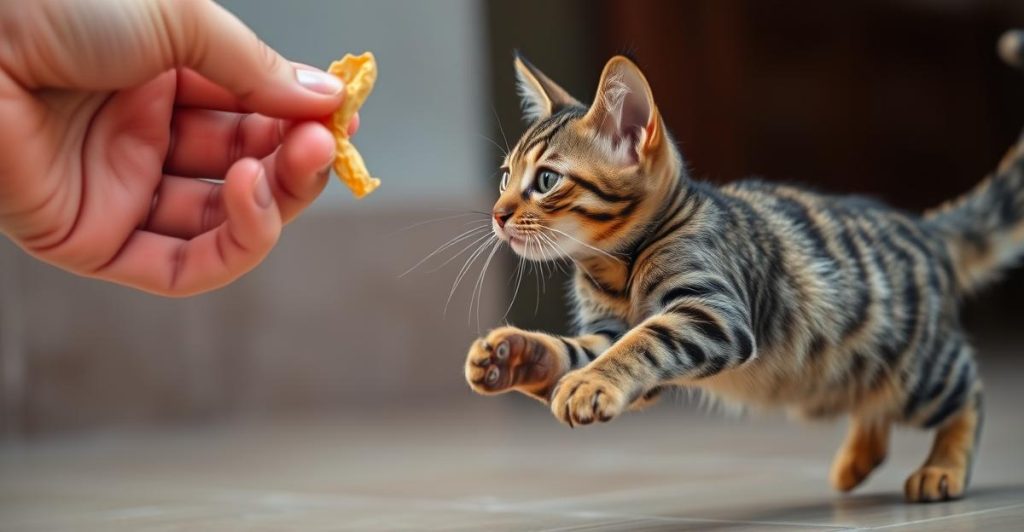
- Hold a treat above your cat’s head and slowly move it back toward its tail.
- As the cat’s rear naturally lowers into a sitting position, say “Sit” and give the treat.
- Repeat in short 5‑minute sessions, gradually reducing the treat’s height until the cue alone triggers the sit.
Redirecting Unwanted Behaviors
When your cat jumps on the kitchen counter, avoid yelling. Instead, gently lift the cat off and place it on a nearby approved surface, such as a cat tree. Immediately reward the cat for staying on the appropriate surface with a treat or a quick play burst. Over time, the cat learns that the preferred spot yields positive outcomes.
Training a Litter Box and Scratching Post Use
- Litter Box: Place a treat near the box after your cat uses it. Gradually move the treat farther away, reinforcing the habit without direct feeding.
- Scratching Post: Sprinkle catnip or attach a feather toy to the post. When the cat scratches, praise verbally and offer a treat.
Common Challenges and How to Overcome Them
Short Attention Span
Cats may lose interest after a minute or two. Keep training sessions brief—no longer than five minutes—and end on a positive note. If a session feels stagnant, switch to a different cue or reward to re‑engage the cat’s curiosity.
Fear and Stress
Some cats associate training with negative experiences if they feel forced. Watch for signs of stress such as flattened ears, tail flicking, or avoidance. If you notice these cues, pause the session, give the cat space, and try again later in a calmer environment.
Comparison of Training Tools and Reward Types
Comparison of Common Training Rewards
| Reward Type | Main Benefit | Potential Drawback | Best For |
|---|---|---|---|
| Soft Treats | High palatability, quick consumption | Can lead to over‑feeding if not measured | Cats motivated by food |
| Interactive Toys | Encourages movement and mental stimulation | May lose novelty quickly | Active or play‑focused cats |
| Affection | Strengthens bond, no calories added | Less effective for highly food‑driven cats | Cats that enjoy petting |
| Catnip Sprays | Stimulates natural hunting instincts | Not all cats respond to catnip | Cats with a known catnip response |
FAQ
How often should I train my cat?
Short, frequent sessions work best. Aim for 5‑minute training blocks 2‑3 times a day. Consistency is more important than duration.
Why does my cat ignore the clicker during training?
Clicker training relies on associating the click sound with a reward. If your cat doesn’t respond, ensure you “charge” the clicker first by clicking and immediately giving a treat several times before using it in a training scenario.
Can I use food rewards for a cat on a strict diet?
Yes, but choose low‑calorie treats or break larger treats into smaller pieces. You can also use non‑food rewards like extra playtime or affection to keep calories in check.
How can I stop my cat from scratching furniture?
Provide an appealing scratching post near the problematic area, use catnip or a hanging toy to attract the cat, and reward any use of the post. If the cat scratches the furniture, gently redirect it to the post and reward the correct behavior.
What’s the best way to teach a kitten to use the litter box?
Place the kitten in the litter box after meals and after waking up, then reward with a treat or gentle praise when it uses the box. Keep the litter box clean and in a quiet, accessible location.
Is punishment ever effective in cat training?
Punishment can create fear and damage trust. Positive reinforcement is far more effective for long‑term behavior change and maintains a healthy cat‑owner relationship.