
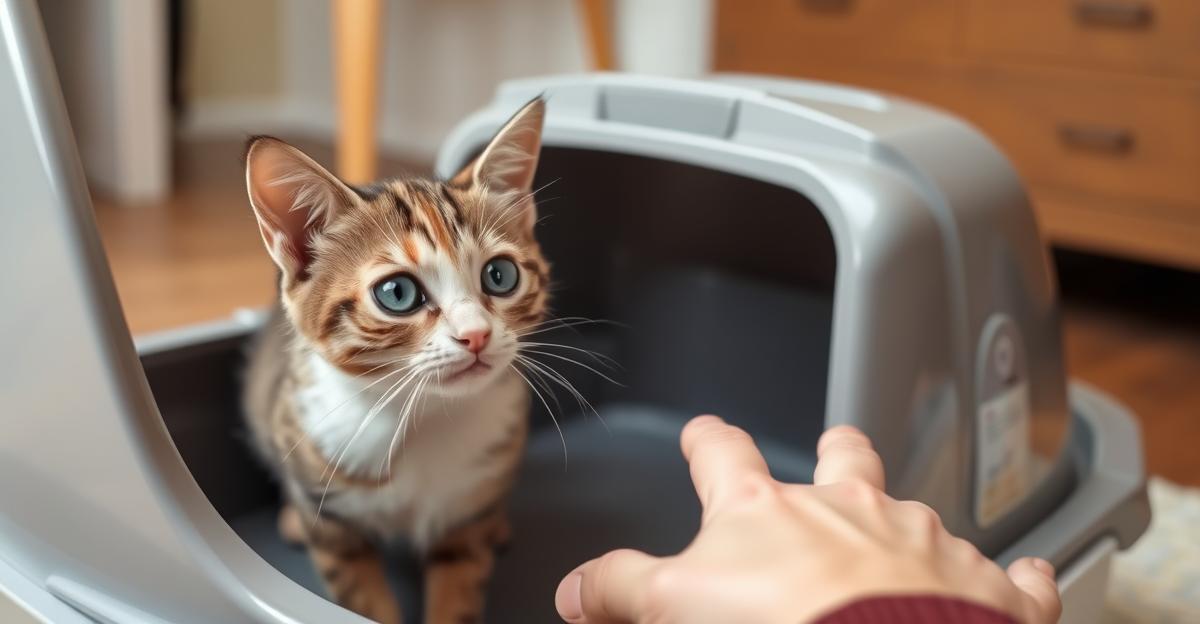
Understanding Common Litter Box Problems
Most cat owners encounter litter box problems at some point, and the frustration can feel overwhelming. Whether your cat is suddenly urinating on the carpet or consistently missing the box, the issue often stems from a mix of health, environmental, and behavioral factors. By recognizing the root causes early, you can prevent minor annoyances from becoming chronic habits that affect both your cat’s well‑being and your home’s cleanliness.
Below are the most frequent triggers that lead cats to avoid their litter boxes:
- Dirty litter: Cats are naturally clean animals; a box that isn’t scooped daily can become unappealing.
- Wrong litter type: Texture, scent, or clumping ability may not match your cat’s preferences.
- Stress or anxiety: Changes in the household, new pets, or loud noises can make a cat nervous about using the box.
- Medical issues: Urinary tract infections, kidney disease, and arthritis can make the act of digging painful.
- Box placement: High‑traffic areas, noisy appliances, or confined spaces can deter a cat from approaching.
Medical Reasons Behind Litter Box Avoidance
Before adjusting the environment, rule out health concerns that could be causing litter box problems. Cats often hide pain, so subtle changes in bathroom habits can be an early warning sign.
Key health conditions to watch for
- Urinary Tract Infection (UTI): Frequent, small urinations, blood in urine, or straining are red flags.
- Feline Lower Urinary Tract Disease (FLUTD): Crystalluria, blockage, or discomfort while urinating can make a cat avoid the box.
- Kidney disease: Increased thirst and urination may lead to a preference for water sources over the litter box.
- Arthritis or joint pain: Older cats may find it difficult to climb into a high-sided box.
- Diabetes: Excessive urination can saturate litter quickly, prompting the cat to seek a drier spot.
If any of these symptoms appear, schedule a veterinary visit promptly. Treating the underlying condition often resolves the litter box problems without further environmental changes.
Environmental and Behavioral Fixes That Work
Once medical issues are cleared, focus on the cat’s surroundings. Small adjustments can dramatically improve box usage.
Optimizing litter box location
- Choose a quiet, low‑traffic area away from food and water bowls.
- Provide at least one box per cat, plus one extra (the “n+1” rule).
- Avoid placing the box near loud appliances like washing machines or heaters.
Improving litter box hygiene
- Scoop solid waste at least twice daily; clumped waste should be removed promptly.
- Completely change the litter and clean the box with mild soap and warm water weekly.
- Consider using a litter mat to catch stray granules and keep the surrounding area clean.
Addressing stress triggers
- Introduce new pets or furniture gradually, allowing your cat to explore at its own pace.
- Provide vertical spaces (cat trees, shelves) where your cat can retreat and feel safe.
- Use feline pheromone diffusers (e.g., Feliway) near the litter area to reduce anxiety.
Choosing the Right Litter and Box Setup
Every cat has a unique preference for texture, scent, and depth. Experimenting with different options can quickly eliminate litter box problems caused by dislike of the current setup.
Comparison of Common Litter Types
| Litter Type | Main Benefit | Potential Drawback | Best For |
|---|---|---|---|
| Clumping Clay | Easy scooping, strong odor control | Dusty, heavy | Owners who clean daily |
| Non‑Clumping Clay | Low cost, lightweight | Requires frequent full changes | Multi‑cat households |
| Silica Gel Crystals | Excellent moisture absorption, low dust | Can be expensive, some cats dislike texture | Cats with respiratory sensitivities |
| Wood Pellet | Biodegradable, low tracking | May not clump, needs separate scooping tool | Eco‑conscious owners |
| Paper Litter | Soft, ideal for post‑surgery cats | Less odor control, needs frequent changes | Kittens and senior cats with joint pain |
When testing new litters, place a small amount in a separate box and observe your cat’s reaction for a few days. If the cat consistently uses the new litter, transition fully by mixing it with the old litter gradually.
Box design considerations
- Low‑sided boxes are easier for older or arthritic cats.
- Covered boxes provide privacy but can trap odors; ensure good ventilation.
- Self‑cleaning boxes reduce scooping frequency but may be noisy, which can deter shy cats.
Creating a Consistent Routine for Long-Term Success
Consistency is key to preventing future litter box problems. A predictable routine helps cats feel secure and reduces stress‑related avoidance.
Daily care checklist
- Morning: Scoop the box, check litter depth (2–3 inches recommended).
- Midday: Refresh water bowls and ensure the box remains clean.
- Evening: Full litter change and box wash if needed.
- Weekly: Deep clean the box with mild soap, replace litter entirely.
Feeding and hydration tips
- Provide fresh water in multiple locations to encourage proper hydration, which supports urinary health.
- Feed wet food or add water to dry kibble to increase moisture intake.
- Avoid sudden diet changes; transition over 7–10 days to prevent digestive upset.
By integrating these habits into your daily schedule, you’ll create a stable environment where litter box problems become a rarity rather than a recurring challenge.
When to Seek Professional Help
Even with diligent care, some litter box problems persist. Knowing when to involve a veterinarian or a certified cat behaviorist can save both your cat’s health and your sanity.
- If your cat is urinating outside the box more than three times in a week, schedule a vet exam.
- Persistent avoidance despite multiple litter changes suggests a deeper behavioral issue.
- Signs of pain (crying, limping, reluctance to jump) require immediate veterinary attention.
- Professional behaviorists can conduct a home assessment to identify subtle stressors.
Early intervention often prevents escalation to more serious conditions such as urinary blockages, which can be life‑threatening.
FAQ
How often should I clean my cat’s litter box?
Ideally, scoop solid waste at least twice a day and completely change the litter weekly. For multiple‑cat households, increase scooping frequency to maintain a fresh environment.
Why does my cat suddenly stop using the litter box?
Sudden avoidance can be due to medical issues (UTI, kidney disease), stress (new pet, moving), or an unappealing litter box setup (dirty box, wrong litter type, poor location).
Can I use scented litter to mask odors?
Many cats are sensitive to strong fragrances, which can deter them from using the box. Unscented, low‑dust litters are generally safer and more appealing.
How can I train a kitten to use the litter box?
Place the kitten in the box after meals and after waking. Use a shallow, non‑covered box with non‑clumping litter. Praise or gently pet the kitten when it uses the box correctly.
Is it okay to use a covered litter box?
Covered boxes provide privacy but can trap odors and reduce ventilation. If your cat seems hesitant, try a low‑sided, uncovered box and monitor its preference.
What should I do if my cat has a urinary blockage?
A urinary blockage is a medical emergency. Seek veterinary care immediately; delayed treatment can be fatal.